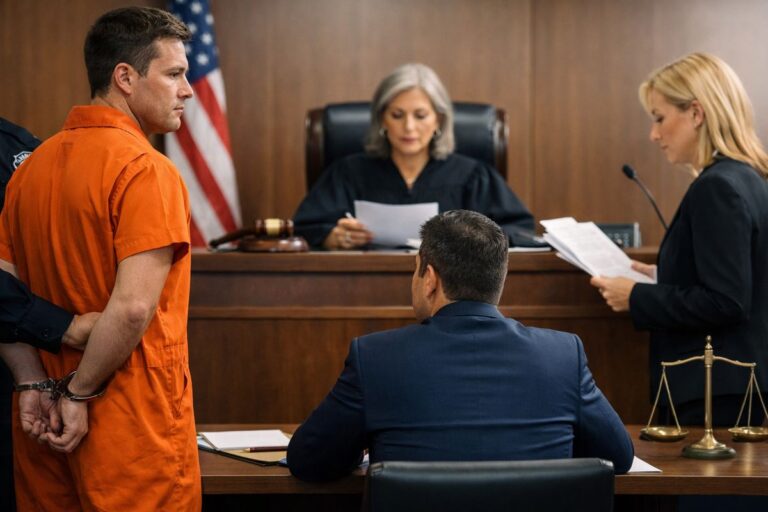
Wisconsin DUI Charges, Defenses, and Felony Risks

A Wisconsin DUI arrest can make everything feel loud at once: fear about jail, panic about a license, confusion over whether the charge is DUI, DWI, or OWI, and a sinking feeling that one mistake may turn into something much bigger. I know how that spiral feels, and this guide is meant to slow it down. In Wisconsin, OWI is the formal term often used in court, but DUI and DWI are still the phrases most people search for, and the legal stakes behind those terms can include civil penalties, criminal misdemeanors, or felony exposure depending on prior history and the facts of the arrest.
Early on, the most helpful thing I learned was this: not every Wisconsin DUI case is the same, and the details matter more than the label. A first-offense OWI may be treated very differently from multiple offenses, an underage DUI, invalid tests, or a DUI with injury after an accident.
Here’s what I’ll cover in this guide:
- How Wisconsin classifies OWI and DUI charges
- When multiple offenses become criminal or felony cases
- Underage DUI and zero-tolerance rules
- DUI with accident, injury, or death allegations
- Invalid breath, blood, and urine test issues
- Related charges like reckless driving, domestic violence, and drug possession
- What the court process usually looks like
- What to gather before speaking with a lawyer
Wisconsin DUI Charges at a Glance
Wisconsin treats impaired driving cases under OWI law, short for Operating While Intoxicated. In day-to-day conversation, though, DUI and DWI are still everywhere. That mismatch causes a lot of unnecessary confusion, especially in the first 24 hours after an arrest.
What mattered in my experience was ignoring the vocabulary debate and getting clear on the actual risk. A Wisconsin OWI case can involve a first-offense civil citation, a misdemeanor criminal case, or one of several felony paths. Prior convictions, blood alcohol concentration, injuries, child passengers, refusal allegations, and companion charges can all change the picture fast.
OWI vs. DUI vs. DWI in Wisconsin
Wisconsin lawyers, judges, and statutes often use OWI, while the public usually says DUI or DWI. Practically speaking, these terms point to the same core problem: an allegation that someone drove while impaired or with a prohibited alcohol concentration.
That distinction matters mostly for orientation. Searchers often start with DUI because it is the familiar term, but the state paperwork may say OWI. For a closer breakdown of the language, I’d point to this explanation of how Wisconsin labels impaired driving charges.
Why Wisconsin DUI Cases Can Escalate Quickly
This is the part nobody warns about clearly enough. The case that looked simple at roadside can turn serious after the state adds facts around it. Multiple offenses are the biggest driver of escalation, but they are not the only one. A high BAC, an underage driver, a crash, an injury allegation, a child passenger, or a refusal to submit to testing can increase penalties or create separate proceedings.
And then there are the side charges. I have seen the real pressure come not just from the OWI itself, but from reckless driving, drug possession, resisting, or domestic-related allegations that grew out of the same stop or call.
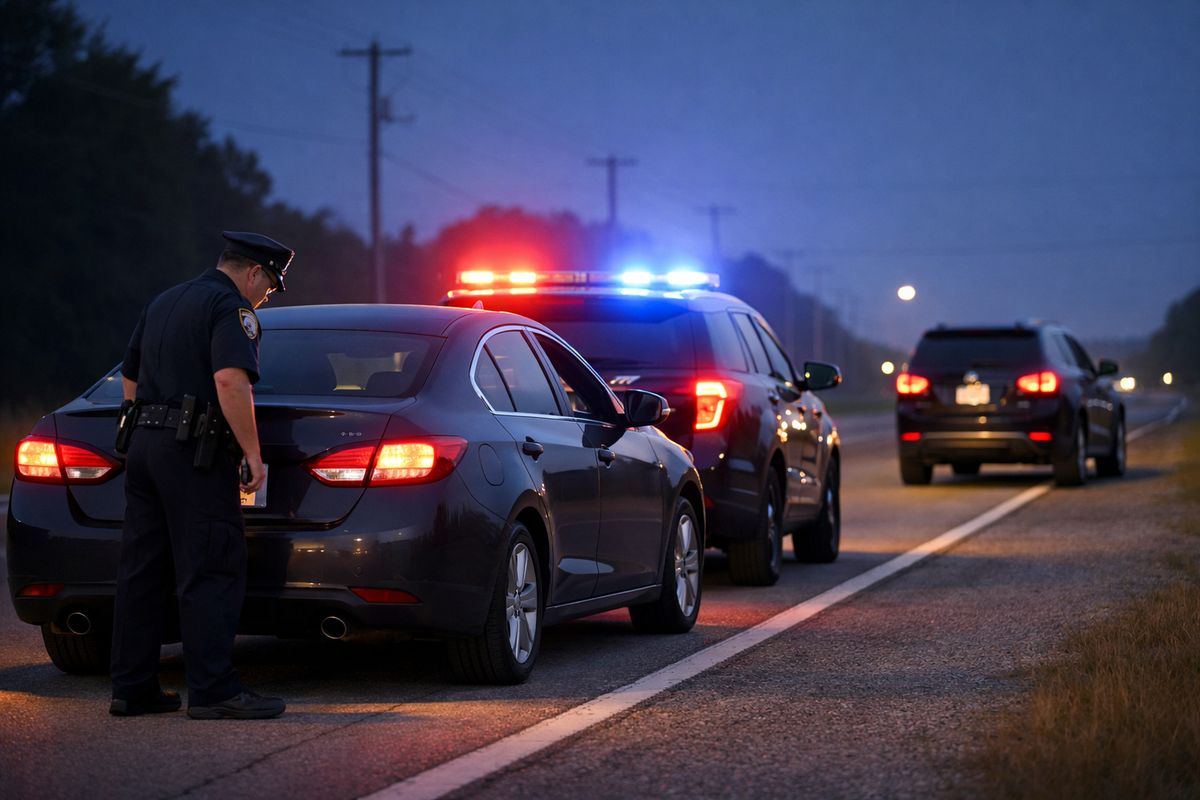
How Wisconsin Classifies DUI Offenses
Wisconsin’s system is unusual because a first-offense OWI is often treated as a civil matter rather than a crime. That can create false comfort. Civil does not mean minor in real life, especially once license consequences, ignition interlock costs, insurance fallout, and employment concerns begin stacking up.
After that first level, things change quickly. Second and third offenses are generally criminal misdemeanors. Fourth and subsequent offenses can bring felony treatment, and that shift can alter everything from sentencing exposure to firearm rights and long-term background check consequences.
First-Offense OWI
In many cases, a first-offense OWI in Wisconsin is a civil forfeiture. Typical penalties can include a fine, license revocation, an alcohol assessment, and an ignition interlock device if the BAC is high enough or if other conditions apply. It may not carry a criminal conviction in the same way a misdemeanor would, but the practical burden is still real.
What caught my attention the first time I studied these cases was how often people assumed “first offense” meant no lasting damage. That is rarely true. A first allegation can still affect driving privileges, insurance rates, professional reputation, and future charging if another case ever arises. A fuller overview of what the charge means under Wisconsin law helps put that in perspective.
Second and Third Offenses
Second and third OWI offenses are generally criminal. That means jail becomes a real possibility, probation may enter the picture, and the record consequences become much more serious. These are typically misdemeanor cases, but they do not feel minor to anyone living through them.
Multiple offenses also change how judges and prosecutors view the case. A repeat allegation often signals increased concern about public safety, treatment needs, and deterrence. That can affect plea negotiations, sentencing recommendations, and license restoration issues long after the court date is over.
Fourth and Subsequent Offenses
By the fourth offense, Wisconsin enters felony territory in many OWI cases. This is often the line where a case stops being “a bad DUI” and becomes a life-changing criminal matter. Prison exposure, extended supervision, much longer revocations, and the weight of a felony record all become central concerns.
If the concern is specifically about where the felony line begins, this guide on when repeat cases cross into felony territory lays that out in more detail. In practice, the offense count is rarely the only issue, but it is often the turning point.
Penalties for Multiple Offenses in Wisconsin
The phrase “multiple offenses” shows up in searches for a reason. Repeat DUI cases carry the most fear, and honestly, for good reason. Wisconsin increases punishment sharply as prior OWI history accumulates, and the impact extends far beyond the sentence written on paper.
The move that actually helped me understand these cases was separating formal penalties from daily-life penalties. The court may impose jail, fines, treatment, probation, and revocation. Life outside court adds missed work, transportation problems, strained family obligations, and the constant cost of trying to stay legally on the road.
Jail, Prison, Fines, and Probation
As the offense number rises, incarceration ranges generally increase. Second and third offenses can bring mandatory jail time in many cases. Fourth and later offenses can open the door to prison. Fines also rise, sometimes steeply, and probation or extended supervision can bring months or years of conditions that affect daily freedom.
Sentencing usually reflects more than the number alone. Courts often look at BAC level, whether a crash occurred, whether anyone was hurt, the length of time between prior offenses, treatment history, and overall conduct during the stop and arrest.
License Revocation and Ignition Interlock Requirements
License revocation is one of the hardest parts because it hits immediately and practically. Getting to work, treatment, school, or family obligations can become a logistics problem every single day. In some situations, occupational driving privileges may be possible, but those come with limits and paperwork.
Ignition interlock requirements add another layer. The device itself is inconvenient, but the real burden is cumulative: installation fees, monthly maintenance, reporting requirements, failed-start complications, and the social stigma that comes with it. That frustration is real, and it is one reason repeat DUI cases feel so much bigger than the courtroom language suggests.
Mandatory Assessments, Treatment, and Other Court Conditions
Wisconsin courts often require alcohol or drug assessments, education classes, or treatment recommendations. In repeat cases, treatment expectations can become more intensive, and compliance matters. Missing appointments, failing to complete programming, or ignoring evaluation recommendations can make sentencing worse and can derail efforts to regain legal driving privileges.
Some cases also involve restitution, victim-related conditions, or other special terms. The paper order may look manageable, but living under it can be exhausting.
When a Wisconsin DUI Becomes a Felony
Felony DUI is one of the most urgent search topics because the consequences are so much more severe. In Wisconsin, felony exposure usually arises either from prior conviction history or from especially harmful facts, such as injury or death. The difference between a misdemeanor and a felony is not just a harsher sentence. It can affect housing, employment, licensing, voting and firearm rights in some circumstances, and the overall leverage of the prosecution.
I have always thought it helps to look at felony risk in paths rather than labels. There is the repeat-offense path, the injury path, the death-related path, and the aggravating-factor path. Each has its own evidence problems and defense opportunities.
Felony DUI Based on Prior Convictions
The most common felony route is repeat history. Prior Wisconsin OWI convictions, and sometimes qualifying out-of-state convictions, can be used to increase the current offense level. That counting process is not always as simple as it sounds. Records have to be correct, and the state’s charging theory has to match the actual history.
A more focused discussion of how repeat impaired-driving cases become felony prosecutions is useful here, especially where multiple offenses stretch across years or state lines. Even a dispute over how priors are counted can dramatically affect exposure.
Felony DUI With Injury
A DUI with injury allegation often turns on more than the chemical test. Prosecutors usually need to connect impairment, driving, the crash itself, and the claimed bodily harm. That means the case may involve medical records, witness accounts, scene reconstruction, and timing analysis, not just a BAC number.
I have seen how quickly these cases become emotionally charged. Once someone is hurt, law enforcement and prosecutors often push hard. But injury cases can still have weak points, especially where causation is debatable, where the crash dynamics are uncertain, or where the level of injury is overstated. More detail on how injury allegations can elevate an OWI case can help frame that risk.
Felony DUI With Homicide or Death-Related Allegations
When a death is involved, the stakes rise sharply. These are among the most serious OWI-related felonies in Wisconsin. Investigations are usually deeper, experts are often involved, and sentencing exposure can include lengthy prison terms.
The legal fight also becomes more layered. Causation, toxicology, road conditions, vehicle defects, emergency response timing, and witness reliability may all matter. These cases are not just “a DUI plus a bad outcome.” They are complex criminal cases that require a full evidence review.
Felony Risks Involving Child Passengers or Other Aggravating Factors
Some facts increase penalties even if the offense is not at the highest felony level. A child passenger, an especially high BAC, a refusal, or highly dangerous driving behavior can shape charging decisions and sentencing. In some cases, those aggravators also invite additional counts that increase leverage against the defense.
That matters because the state rarely negotiates based only on the base OWI count. The surrounding facts often drive the outcome.

Underage DUI and Zero-Tolerance Issues
Underage DUI cases carry a different kind of fear. It is not just about the charge itself. It is about school, scholarships, family pressure, future job applications, and the sense that one night may suddenly define a record.
Wisconsin has lower tolerance rules for drivers under 21, and that means a case may begin even when the alcohol level is far below the standard adult limit. That catches a lot of young drivers and families off guard.
Wisconsin’s Underage BAC Standard
For drivers under 21, Wisconsin’s prohibited alcohol concentration rules are much stricter than the standard .08 adult threshold. Even a small amount of alcohol can trigger an underage alcohol-related driving violation. In plain terms, the state does not need a high BAC to start the case.
That lower standard is why a separate look at the rules for drivers under 21 is so useful. A case that might not qualify as adult OWI can still create real penalties under zero-tolerance enforcement.
Penalties and Long-Term Consequences for Younger Drivers
Underage cases can bring fines, license consequences, alcohol education requirements, and insurance increases. But honestly, the hidden damage is often broader. College disciplinary proceedings, scholarship concerns, internship screenings, and future background checks can all become part of the problem.
An early alcohol-related record may also shape how any future driving case is treated. Even if the immediate penalty seems limited, the long view matters.
Defense Issues in Underage DUI Cases
Defense issues in underage DUI cases often center on the stop, the basis for the officer’s suspicion, the accuracy of testing, and statements made in panic. I remember how often young drivers talk too much because the moment feels surreal. Admissions about drinking, where the person came from, or how much was consumed can become key evidence.
Procedural mistakes also happen in zero-tolerance enforcement. A weak stop, a flawed test process, or an officer who jumped too quickly to conclusions may create real defenses.
DUI With an Accident, Injury, or Property Damage
A DUI with accident case feels different from the start. There is usually more police attention, more witnesses, more paperwork, and more pressure to explain what happened. The state often treats the crash itself as proof of impairment, even when the evidence is more complicated than that.
What worked for me in understanding these cases was separating the accident narrative from the legal proof. A crash can look bad. It still has to be proven why it happened, whether impairment caused it, and what losses actually flowed from it.
How Crash Investigations Shape the DUI Case
Crash cases give police more material to work with. Officers may rely on witness statements, body camera footage, vehicle positions, airbag data, roadway marks, damage patterns, and roadside observations. In more serious cases, accident reconstruction may become part of the prosecution file.
That also creates more areas to challenge. Witnesses can be mistaken, reconstruction assumptions can be disputed, and the officer’s interpretation of driving behavior may not hold up under careful review.
Property Damage vs. Injury Accidents
Property-damage-only crashes are serious, but cases involving bodily harm raise the stakes much faster. Once an injury is alleged, the prosecution has more leverage, insurance issues become more intense, and felony exposure may enter the analysis depending on the facts and the severity of harm.
Even then, not every injury claim means the state can prove felony DUI. Medical proof, timing, preexisting conditions, and causation still matter.
Civil Liability and Insurance Fallout
The criminal case is only part of the damage after an accident. Insurance claims, possible lawsuits, restitution demands, towing and storage costs, and repair disputes can all follow. Statements made early, especially at the scene or to an insurer, may affect both criminal and civil exposure.
This is one reason silence and careful documentation matter so much after arrest. The case does not unfold in only one arena.
Common Wisconsin DUI Defenses That May Apply
No defense fits every case, and no honest lawyer guarantees a result. Still, most Wisconsin DUI files have pressure points. The job is to find them early and test them hard. Sometimes the weakness is constitutional, sometimes scientific, and sometimes just factual.
I have found that strong defense work usually starts by asking a simple question: what does the state actually have, not what the arrest report claims it has?
Illegal Traffic Stop or Lack of Reasonable Suspicion
If police lacked a lawful reason to stop the vehicle, the case may be vulnerable from the beginning. A vague claim like “looked suspicious” is not enough by itself. The officer usually needs specific facts supporting reasonable suspicion or probable cause.
A deeper explanation of when a stop may be challenged as unlawful can be useful because suppression issues often change the entire case. If the stop falls apart, much of the later evidence may be excluded too.
Problems With Field Sobriety Testing
Field sobriety tests often sound scientific, but they are heavily influenced by conditions on the ground. Weather, gravel, poor lighting, fatigue, footwear, back pain, anxiety, age, and unclear instructions can all affect performance. Nerves alone can make a sober person look unsteady.
Officers also do not always administer these tests correctly. Small mistakes in instruction or scoring can matter more than most people realize.
Invalid Breath, Blood, or Urine Tests
Invalid tests are a major issue in Wisconsin DUI defense. Breath machines require proper maintenance and calibration. Blood samples require proper collection, storage, labeling, and lab handling. Urine testing can raise chain-of-custody and interpretation problems.
Timing matters too. Delayed collection can distort what the number means at the time of driving. So can contamination, fermentation, preservative errors, sample mix-ups, or unreliable lab procedures. A test result printed on paper is not automatically trustworthy.
Rising BAC and Timing Defenses
Alcohol absorption takes time. Someone may test above the legal limit later while having been below it earlier when actually driving. That is the core of a rising BAC argument, and it comes up often when there is a delay between driving, stop, arrest, and testing.
The catch is that this defense depends on careful timeline work. Receipts, witness accounts, dispatch times, bodycam footage, and statements about when drinking stopped can all become relevant.
Medical Conditions and Alternative Explanations
Medical issues can mimic intoxication or distort test results. GERD may affect breath readings. Diabetes can create symptoms mistaken for alcohol impairment. Neurological conditions, injuries, fatigue, panic attacks, and prescription medication side effects can all change how someone looks or performs.
That does not automatically win a case, but it can reframe evidence the state presents as obvious.
Challenging Chemical Tests and Refusal Allegations
Chemical test issues deserve their own focus because so many Wisconsin OWI cases turn on them. People often assume a machine number ends the argument. It does not. Test reliability depends on rules, maintenance, timing, human handling, and honest interpretation.
Refusal allegations add another layer because Wisconsin’s implied consent law creates separate consequences tied to testing decisions. So even before the criminal case is resolved, a license battle may already be underway.
Breath Test Reliability Issues
Breath testing can be challenged through maintenance logs, calibration records, operator certification, observation period compliance, and possible mouth alcohol contamination. If the required pre-test procedures were skipped, the reading may be less reliable than it appears.
Reviewing the machine history can reveal recurring issues. So can bodycam footage showing burping, vomiting, chewing gum, or other events that may affect the sample.
Blood Test Challenges
Blood tests often look stronger than breath tests, but they are not immune from challenge. The blood draw procedure, vial preservatives, storage temperature, transport, labeling, chain of custody, and lab testing methods all matter. Retesting may also be possible in some cases.
The strongest blood-test challenge is not always dramatic. Sometimes it is a quiet records problem that undermines confidence in the result.
Refusal Cases and Implied Consent Hearings
A refusal allegation can trigger separate license consequences under Wisconsin implied consent law. That means there may be deadlines and hearings distinct from the criminal OWI case. Missing that piece can make a bad situation worse fast.
This is where the penalties and defenses in refusal cases become especially important. A refusal is not automatically unbeatable, and the officer’s warnings, the circumstances of the request, and the actual response all deserve close review.
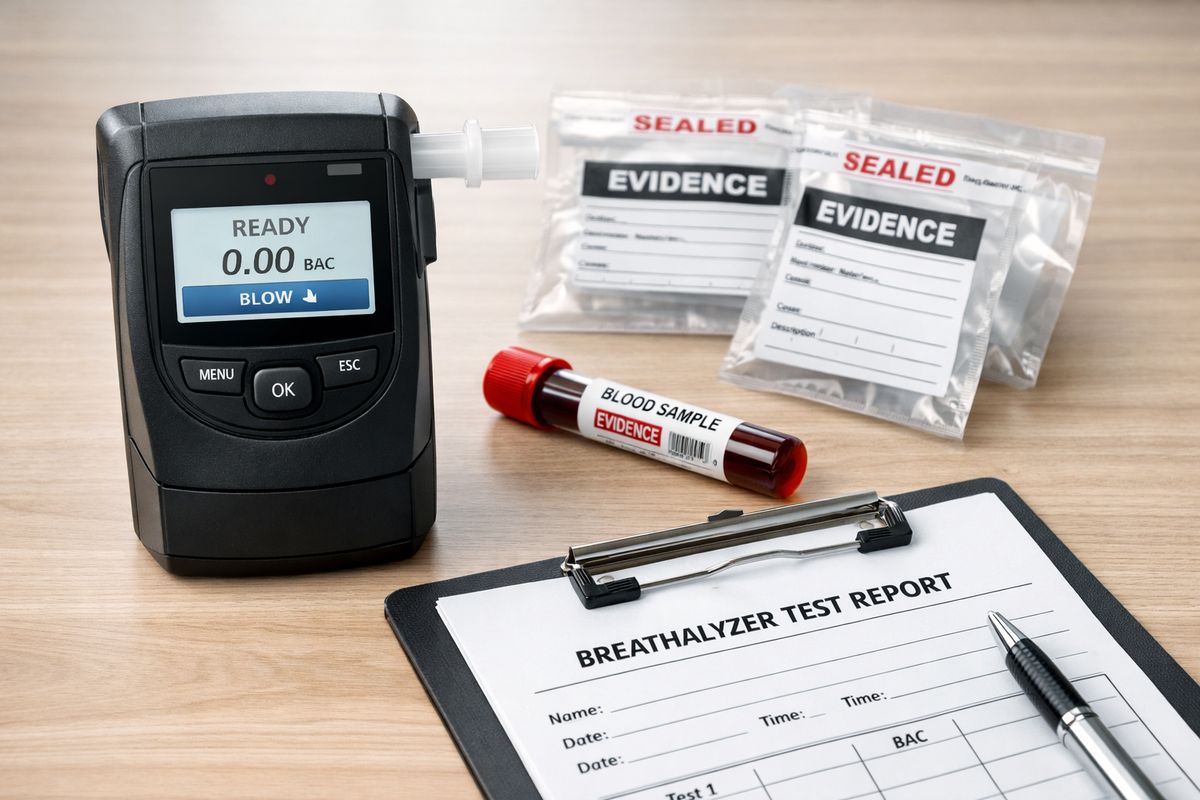
Charges Commonly Filed Alongside a Wisconsin DUI
Many OWI arrests do not stay limited to OWI. Prosecutors may add related charges that increase pressure and change negotiation dynamics. Sometimes those counts are directly tied to the driving. Sometimes they spill out of what happened before, during, or after the stop.
This matters because strategy changes when the case becomes broader than impaired driving alone.
Reckless Driving and Endangerment Allegations
Reckless driving, negligent operation, or endangerment-style allegations often appear when police believe the driving conduct was especially dangerous. Speed, weaving, a near collision, or an accident can all lead to companion charges.
For a more detailed look at how these counts overlap, this discussion of when impaired-driving allegations come packaged with reckless driving is worth reviewing. Those added charges can affect plea bargaining and sentencing even if the core facts are the same.
Drug Possession or Drugged Driving Charges
A traffic stop for suspected alcohol impairment can quickly expand into a drug case. Marijuana, controlled substances, paraphernalia, or allegations of operating with a restricted controlled substance in the system may all enter the file. Prescription medication can complicate things further.
Drug possession charges also widen the evidence picture. Search issues, statements, field observations, toxicology interpretation, and prescription records may all become important.
Domestic Violence or Other Unrelated Charges Arising From the Same Incident
Some cases start with a family disturbance, a call from home, or a chaotic argument that later turns into an OWI arrest. In that setting, domestic violence, disorderly conduct, resisting, or bail-jumping allegations may get added to the same prosecution window.
When that happens, it helps to understand how related domestic allegations can develop and whether they simply disappear. They usually do not vanish just because emotions cool off later. The state may continue even if the household situation changes.
What the Wisconsin DUI Court Process Usually Looks Like
The court process feels intimidating mostly because it is unfamiliar. Once the sequence becomes clearer, some of the panic eases. The key thing I learned is that the important work usually happens between hearings, in the records review, motion practice, witness preparation, and negotiation.
A DUI case is rarely decided by the arrest night alone. It develops over time, and early choices matter.
Arrest, Booking, and Notice of Suspension
After arrest, the person may receive a citation, a criminal complaint later on, bond conditions, and paperwork affecting driving privileges. In some cases there is a notice of suspension or revocation tied to testing or refusal. Those deadlines come quickly.
The most useful early overview often comes from a clear breakdown of what happens right after a Wisconsin DUI arrest. Missing paperwork details at this stage is common, especially when the arrest itself was overwhelming.
Initial Appearance, Arraignment, and Pretrial Stages
Early hearings usually address the formal charge, bond conditions, plea entry, and scheduling. Discovery begins, police reports and test records are reviewed, and negotiations may start. In criminal OWI cases, these early stages shape the path forward far more than many people expect.
This is also where offense counting, felony exposure, and related-charge strategy start to matter in concrete terms.
Motions, Evidence Review, and Trial Preparation
Motions may challenge the stop, statements, field tests, chemical testing, officer conduct, or the way evidence was collected and preserved. Trial preparation includes witness interviews, expert consultation where needed, timeline analysis, and hard review of the prosecution’s proof.
Even cases that eventually settle often improve because the defense prepared as if trial were possible. That pressure can expose weak spots the state would rather avoid litigating.
Plea Agreements vs. Trial
Some cases resolve through plea agreements, often because a negotiated result reduces risk compared with trial. Others go forward because the evidence is weak, the defense issue is strong, or the plea offer is simply not acceptable.
Neither outcome is automatically “better” in the abstract. The right path depends on the proof, the exposure, the county, the judge, and the long-term consequences tied to the available options.
Collateral Consequences Beyond Court Penalties
This is the part nobody warns about enough. Court penalties are only one layer. The real consequences of a DUI in Wisconsin often show up in work, money, family logistics, licensing, and future opportunities.
Sometimes the sentence ends before the fallout does.
Employment, Professional Licensing, and Background Checks
A misdemeanor OWI can create employment problems. A felony DUI can create much bigger ones. Commercial drivers face special risk, and licensed professionals may have reporting obligations or board scrutiny.
Background checks also do not care whether the experience felt out of character or isolated. They reflect the record that exists.
Insurance Increases and Financial Strain
Insurance premiums often spike after an OWI. Reinstatement fees, ignition interlock expenses, treatment costs, towing bills, court assessments, and missed work can turn one case into a long financial drain.
That is why the broader life impact of a Wisconsin DUI conviction matters just as much as the official sentence. The financial stress is often what lingers longest.
Travel, Firearm Rights, and Other Long-Term Effects
Felony convictions can affect firearm rights and create other civil restrictions. Serious criminal records may also complicate travel in some contexts, especially where border entry rules or professional obligations are involved.
Even without a felony, repeat alcohol-related driving history can shadow future cases, future employment, and future licensing decisions.
How a Wisconsin DUI Defense Lawyer Can Help
A strong DUI defense lawyer does more than stand next to the accused in court. The real value is early risk assessment, evidence review, and strategy that matches the county, the charge level, and the actual weaknesses in the case.
I have always believed the best legal help feels clarifying, not theatrical. The point is to identify what matters fast and stop the case from controlling every decision.
Case Review and Defense Strategy
Early case review should focus on the charging level, prior convictions, stop validity, test reliability, statements, injury or accident exposure, and any companion charges. In felony-risk cases, even a small correction in offense counting or causation analysis can change the entire landscape.
That is why careful review beats assumptions every time.
Negotiating for Reduced Charges or Better Outcomes
Negotiation is not just asking for mercy. Good advocacy can change recommendations on jail, treatment, interlock terms, companion charges, probation conditions, and sometimes the charge itself. In other cases, negotiation matters because it narrows issues and avoids avoidable damage.
The strongest negotiations usually come after the defense has shown it is prepared to litigate.
Local Court Knowledge Across Wisconsin
County-by-county practice matters in Wisconsin. Prosecutorial habits, judicial preferences, administrative procedures, and local treatment expectations can all affect outcomes. A statewide search for counsel often makes sense because location influences process as much as law.
Choosing counsel is its own decision, and knowing what to look for in a Wisconsin DUI attorney can help separate real experience from generic marketing.
What to Gather Before Speaking With a DUI Lawyer
When everything feels chaotic, one small action helps most: gather the paper trail. I have seen how much clarity comes from putting the documents in one place before the first serious legal conversation.
That step does not solve the case. But it stops the facts from drifting.
Documents and Evidence That Matter
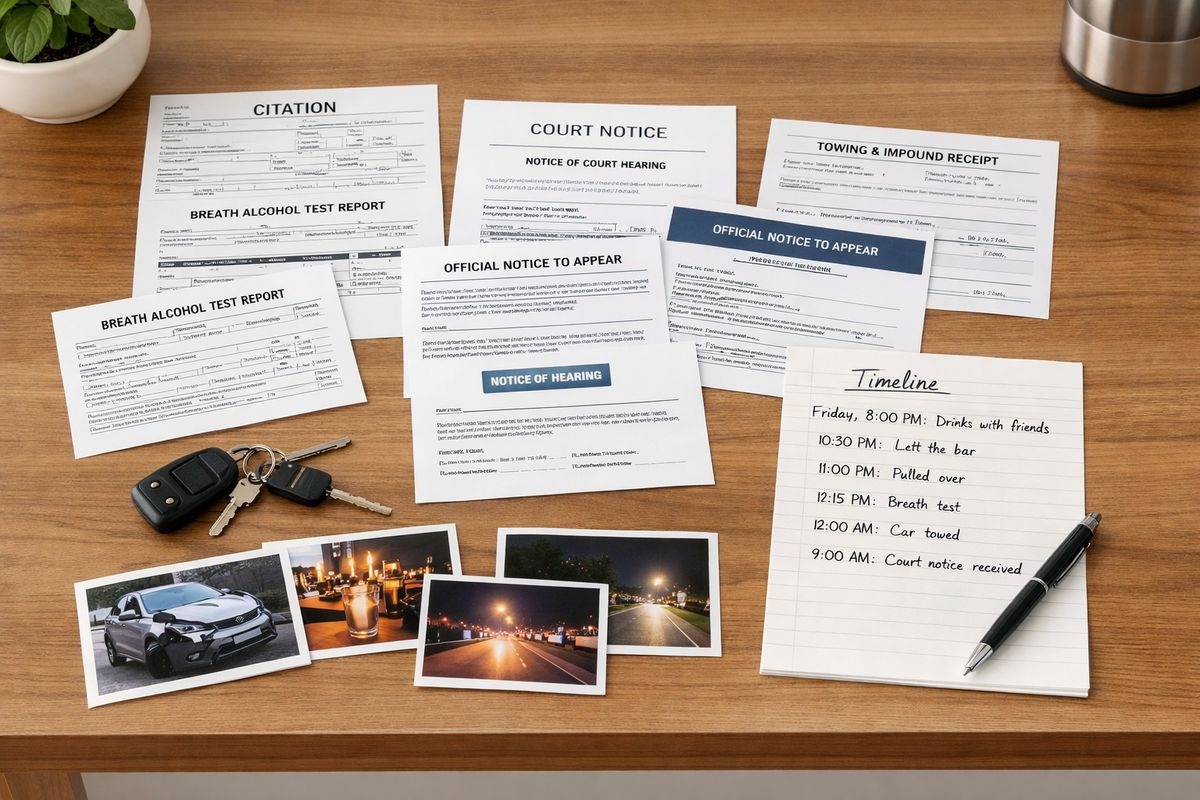
The most useful materials usually include the citation, criminal complaint if filed, bond paperwork, notice of suspension or revocation, breath or blood test paperwork, towing and impound documents, bail receipts, and any court date notices. Medical records may matter in injury cases or where a health condition affected testing. Witness names, photographs, text messages, receipts, and a written timeline of the night can also be valuable while memory is fresh.
If there is video, preserve it. If there are voicemail messages or rideshare records, save those too.
Questions Worth Asking in a Consultation
The right questions are practical: what offense level is actually charged, whether felony exposure exists, how prior convictions may be counted, what the license consequences are, what deadlines matter first, whether the tests look challengeable, and how related charges may affect strategy.
I prefer questions that cut through fear and get to structure. What is the immediate risk. What evidence matters most. What can still be challenged.
Immediate Mistakes to Avoid
Missing deadlines is a big one. So is casually discussing the case in texts, social media, or calls that may later be used as evidence. Another common mistake is assuming a chemical test cannot be challenged because the number looks official.
The small starter action that helps most is simple: collect every document, write down the timeline while memory is fresh, and stop making informal explanations to anyone connected to the case.
Frequently Asked Questions
Does a first DUI in Wisconsin count as a crime?
Often, a first-offense OWI in Wisconsin is treated as a civil forfeiture rather than a criminal offense. But that does not make it minor. License revocation, fines, treatment requirements, insurance increases, and future repeat-offense consequences can still be severe.
How many DUI offenses make it a felony in Wisconsin?
In many situations, a fourth OWI offense creates felony exposure in Wisconsin. Certain injury or death-related allegations can also lead to felony charges even without reaching that count.
Can invalid breath or blood tests really be challenged?
Yes. Invalid tests can be challenged through maintenance records, calibration issues, observation-period problems, contamination concerns, improper collection, chain-of-custody mistakes, storage problems, and lab handling errors. A test result is evidence, not automatic truth.
What happens if a DUI involved an accident?
A DUI with accident allegation usually brings more evidence and more risk. Police may rely on witness statements, bodycam, vehicle damage, and reconstruction. If there is only property damage, the case is serious. If there is injury, felony exposure may become part of the analysis.
Can a DUI case also include reckless driving or drug possession?
Absolutely. Wisconsin prosecutors often file companion charges such as reckless driving, negligent operation, possession of marijuana or controlled substances, paraphernalia, resisting, or other counts tied to the same incident. Those added charges can change both negotiation strategy and sentencing exposure.
Is an underage DUI different from an adult DUI in Wisconsin?
Yes. Drivers under 21 face stricter alcohol concentration rules, and even a small amount of alcohol can lead to penalties. Underage cases also carry unique school, scholarship, and future-record concerns that go beyond the courtroom.
Nathan Dineen has built a reputation on proven results, dedicated client service, and aggressive DUI and criminal defense representation. Nationally recognized and trusted by clients throughout Wisconsin, Nate has been named among the Top 100 Trial Lawyers, holds a 10.0 Superb Avvo Rating, and has earned Super Lawyers recognition 11 times, including a 2026 Super Lawyers designation. If an experienced attorney in Wisconsin is needed, contact Nate to discuss the case and receive personalized guidance from one of the state’s most respected criminal defense lawyers.

About Nate Dineen
Wisconsin legal insights from the DUI Defense WI team.