Under 21 DUI in Wisconsin: Rules Every Driver Should Know
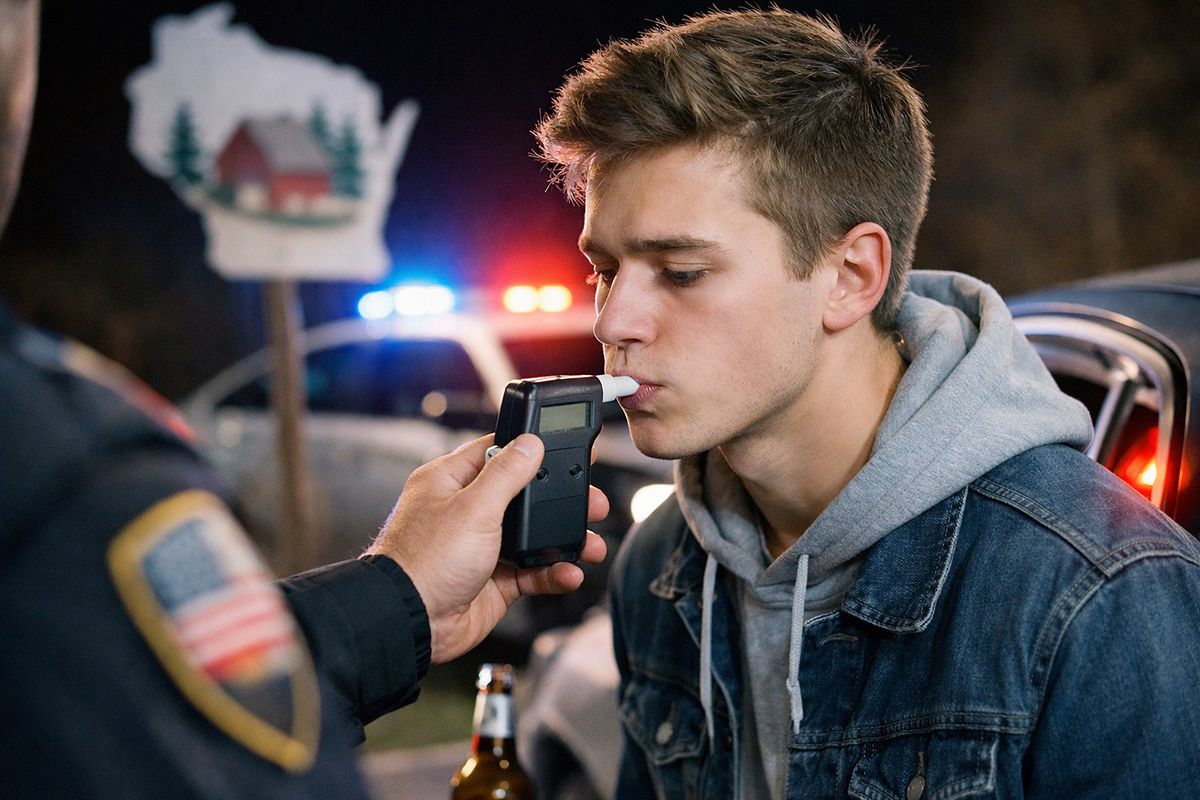
An under 21 DUI in Wisconsin means you can lose your license for driving after drinking even when you are far below the adult .08 limit. According to the National Highway Traffic Safety Administration, young drivers remain overrepresented in alcohol-related crash risk, which is exactly why Wisconsin enforces stricter rules for drivers under 21. If you were stopped, cited, or arrested, the difference between an underage alcohol violation and a full OWI charge matters a lot.
What Under 21 DUI Means in Wisconsin
Wisconsin uses the term OWI, not DUI, for operating while intoxicated, but most people still search for under 21 DUI. In plain English, this usually refers to two different legal problems: driving under Wisconsin’s zero-tolerance rule for underage drivers, or facing a standard OWI based on impairment or a blood alcohol concentration of .08 or higher. If you want the bigger picture on terminology, start with how Wisconsin separates OWI, DUI, and DWI terms.
Wisconsin’s zero-tolerance rule for drivers under 21
According to the Wisconsin Department of Transportation, drivers under 21 are subject to an absolute sobriety rule. That means you cannot legally drive with a detectable amount of alcohol in your system. The simplest version of this is harsh but clear: one drink can put your license at risk.
What this means in practice is straightforward. You do not need to be drunk, slurring, or visibly unsafe to face consequences. If testing shows alcohol in your system while you are under 21, Wisconsin can suspend your operating privilege even without an adult-level OWI reading.
How underage OWI differs from an adult OWI
The Centers for Disease Control and Prevention continues to track the danger of underage drinking and driving, and the law reflects that higher risk. Adult OWI law focuses on impairment and the .08 threshold. Under-21 enforcement goes further by targeting any prohibited alcohol concentration.
That distinction changes everything. You can be below .08 and still face serious penalties because the state is not required to prove the same level of intoxication needed in a standard adult case.
When You Can Be Charged Under Wisconsin Law
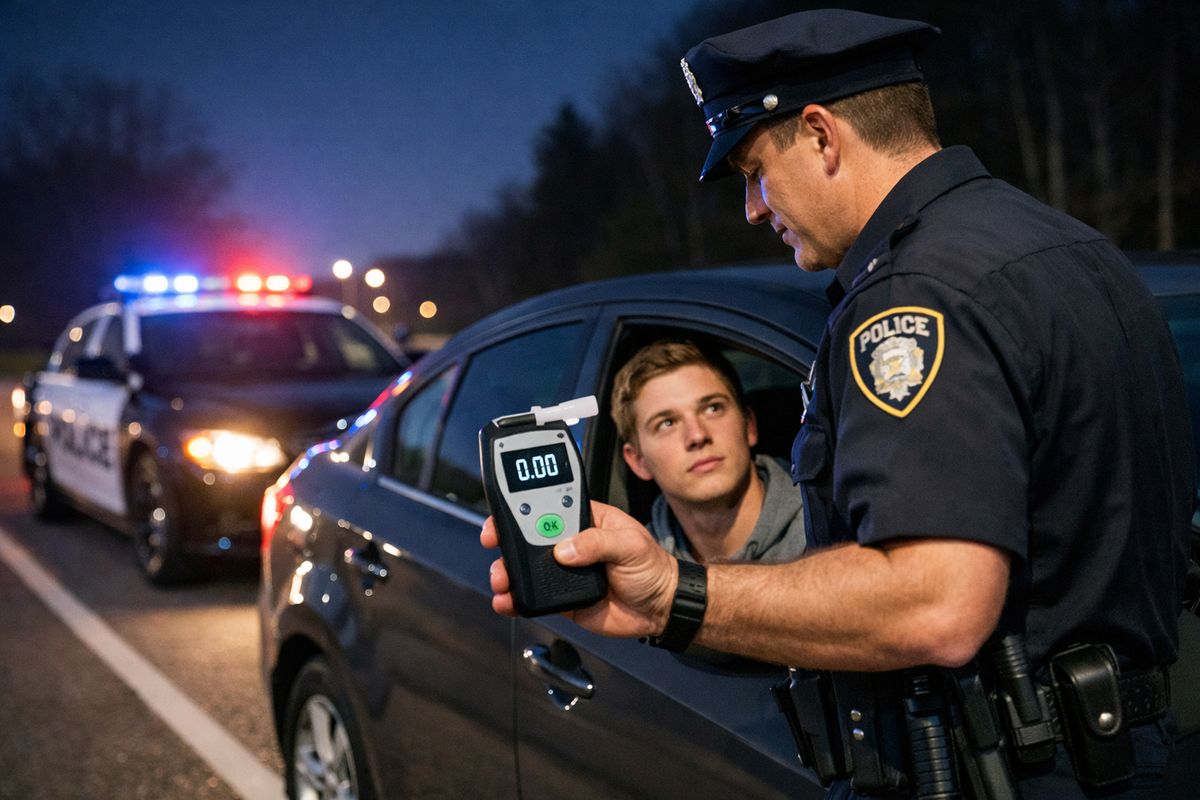
According to NHTSA enforcement data, alcohol-driving arrests often begin with ordinary traffic stops, not dramatic crashes. In Wisconsin, under-21 alcohol-driving cases usually fall into a few recurring categories, and each one carries different exposure.
Driving with any detectable alcohol if you are under 21
This is the classic underage alcohol-driving issue. If you are under 21 and an officer or chemical test shows a prohibited alcohol concentration, that alone can trigger an underage alcohol offense. You do not need to be falling-down drunk. Detectable alcohol is enough.
Here’s how to use that information: treat any drinking before driving as a direct threat to your license. Zero tolerance is not a slogan. It is the rule.
Driving while impaired or with a BAC of .08 or higher
Being under 21 does not protect you from standard OWI prosecution. If your driving suggests impairment, or your chemical test reaches .08 or above, the case shifts into regular OWI territory with heavier consequences. That includes the same basic framework older drivers face under Wisconsin drunk-driving rules.
The move that works is understanding that age lowers your margin for error, it does not replace the adult law. Once impairment or .08 enters the case, the stakes rise fast.
Related alcohol-in-the-car and open container issues
According to the Wisconsin Legislature, underage possession, transport, or open-container facts often show up alongside these stops. Those related citations matter because they give prosecutors more facts to use against you. A bottle in the console, admissions about drinking, or passenger alcohol can make the report look stronger than it really is.
Your practical takeaway is simple: underage DUI cases are rarely just about the breath number. The surrounding facts shape how aggressively the case gets pushed.
What Happens After an Under 21 DUI Stop
The CDC reports that alcohol impairment sharply increases crash risk, which is why officers are trained to build a case from the first minute of contact. If you were stopped, every stage matters, from the reason for the stop to the testing request.
The traffic stop, field tests, and preliminary breath testing
A stop usually starts with an alleged lane violation, speeding, equipment issue, or another traffic infraction. Then the officer looks for odor, eyes, speech, admissions, and coordination. Field sobriety tests and a preliminary breath test often follow, and those early observations become the backbone of the report.
What this means in practice is that the first few minutes shape the whole case. If you are trying to understand whether the officer had a lawful basis to pull you over, review what makes a traffic stop legally defective.
Chemical testing and implied consent rules
According to the Wisconsin Department of Transportation, Wisconsin uses implied consent rules for evidentiary breath, blood, or urine testing. Once an officer lawfully requests that test, refusal triggers a separate legal problem. Refusal is not a loophole. It is its own penalty track.
Here’s the practical point: refusing often creates longer-lasting damage than people expect. If that happened, understand how Wisconsin handles test refusals and the extra penalties involved.
Immediate license consequences after arrest or citation
The license side and the court side are not the same thing. You can face immediate suspension, revocation, or other operating restrictions based on your age, alcohol reading, or refusal status before the final case ends. That catches a lot of drivers off guard.
Your action here is to read every paper you received and every deadline on it. Missing the administrative side can cost you before you ever get to court.
Penalties for Under 21 DUI in Wisconsin
A Substance Abuse and Mental Health Services Administration focus on underage alcohol harms has consistently tied early alcohol-related driving behavior to repeat risk, and Wisconsin penalties are built to interrupt that pattern fast. For you, the biggest consequences usually involve your license, money, and record.
License suspension, revocation, and waiting periods
For violating under-21 alcohol restrictions, license suspension is often the first pain point. A standard OWI can bring revocation instead, which is more serious. Refusal penalties can be even harsher and last longer than many drivers expect.
The practical takeaway is blunt: license consequences often hit before anything else, and they affect school, work, and daily life immediately.
Fines, surcharges, and court-ordered requirements
Financial penalties do not stop with the base fine. You can face surcharges, assessments, and alcohol education or treatment requirements depending on the charge. If you are facing a full OWI, the broader real-world costs that follow a Wisconsin drunk-driving case often extend well beyond the courtroom.
Here’s how to use that information: plan for the total cost, not just the ticket amount on the citation.
Higher stakes if this is a standard OWI case
If your case involves .08 or higher, visible impairment, injury, or prior history, penalties rise fast. Ignition interlock requirements, mandatory assessments, and stronger sentencing become much more likely. Prior record matters too, especially if you are dealing with how repeat alcohol-driving offenses stack up over time.
Your concrete takeaway is to treat any sign of escalation as urgent. Once the case moves beyond a simple underage alcohol citation, the long-term fallout grows quickly.
Can You Fight an Under 21 DUI Charge?
According to the National Institute of Justice, impaired-driving enforcement depends heavily on officer observations and testing procedures, both of which can be challenged when done poorly. A citation is not automatic proof. Cases break down when the stop was illegal, the testing was flawed, or the report overstates what happened.
Whether the stop was legal
Police need a valid reason to stop your vehicle. If the officer lacked reasonable suspicion, the entire case can weaken because key evidence may be suppressed. That first minute matters more than most drivers realize.
Your action is direct: compare the stated reason for the stop with what actually happened, while your memory is still fresh.
Whether the chemical test is reliable
Breath and blood evidence depends on timing, maintenance, calibration, collection procedure, and documentation. If any of that is sloppy, the result becomes less persuasive. Technical flaws sound minor, but in a close under-21 case, they matter a lot because even a low reading drives the charge.
The move that works is getting the testing records reviewed early, before the state frames the result as untouchable.
Whether your statements or officer observations are overstated
Reports often lean hard on odor, red eyes, nervousness, and admissions. But those details are not always as strong as they look on paper. Fatigue, anxiety, allergies, and selective note-taking can distort the story.
What this means in practice is simple: your case is built on more than a number, and each claimed observation deserves scrutiny.
Why a Wisconsin DUI Lawyer Matters Fast
According to the Bureau of Justice Statistics, early case decisions strongly affect outcomes in criminal and traffic-related prosecutions. Speed matters after an under-21 DUI arrest or citation because your license deadlines start running immediately, and mistakes made in the first days are hard to undo.
Early legal help protects your license and deadlines
A lawyer can identify hearing deadlines, review the citation, examine the stop, and flag refusal or testing issues before the case gains momentum. If you wait, the administrative damage often lands first.
The practical step is immediate: get legal eyes on the paperwork right away.
A lawyer can evaluate both the court case and the license case
These cases often involve overlapping problems, not just one charge. You can be dealing with an underage alcohol citation, a standard OWI allegation, and separate license consequences all at once. That is why it helps to understand what happens after an arrest in a Wisconsin criminal case and how the DUI timeline unfolds.
Questions Every Driver Under 21 Asks
Will you lose your license for any alcohol under 21?
Yes. Wisconsin’s absolute sobriety rule means any prohibited alcohol concentration can trigger license consequences if you are under 21.
What if you refused the breath or blood test?
Refusal creates a separate implied-consent problem with additional penalties. It usually makes the case harder, not easier.
Can an under 21 DUI affect school, work, or insurance?
Yes. Losing your license disrupts transportation, raises insurance costs, and can create problems for jobs, internships, and academic obligations.
Does an underage alcohol violation stay on your record?
Record impact depends on the exact charge and outcome. An underage alcohol violation, an OWI, and a refusal do not all carry the same long-term consequences.
Frequently Asked Questions
Is under 21 DUI the same as OWI in Wisconsin?
Not always. Some cases involve Wisconsin’s under-21 zero-tolerance alcohol rule, while others are full OWI cases based on impairment or .08 or higher.
Can one drink lead to an underage DUI case?
Yes. If you are under 21, one drink can create detectable alcohol and expose you to penalties.
Will an underage OWI become a felony?
Not by default. But injury cases, serious repeat offenses, and other aggravating facts can push a case into much more serious territory.
How long does an under 21 DUI case take?
That depends on the charge, the court, and whether there is a refusal or contested hearing. Delays do not pause the impact on your license.
Does a refusal help if the officer lacked proof?
No. Refusal adds a separate issue and often strengthens the state’s position on penalties.
What To Do This Week If You Were Stopped or Charged
According to the American Bar Association, early document review and deadline tracking are some of the most decisive steps after any arrest-related case. What this means in practice is simple: gather your citation, test paperwork, notice of suspension or revocation, and court date, then speak with a Wisconsin DUI lawyer immediately.
Nathan Dineen has built a reputation on proven results, dedicated client service, and aggressive DUI and criminal defense representation. Nationally recognized and trusted by clients throughout Wisconsin, Nate has been named among the Top 100 Trial Lawyers, holds a 10.0 Superb Avvo Rating, and has earned Super Lawyers recognition 11 times, including a 2026 Super Lawyers designation. If you are looking for an experienced attorney in Wisconsin, contact Nate today to discuss your case and receive personalized guidance from one of the state’s most respected criminal defense lawyers.

About Nate Dineen
Wisconsin legal insights from the DUI Defense WI team.