
How to Expunge a DUI: What’s Possible and What Isn’t
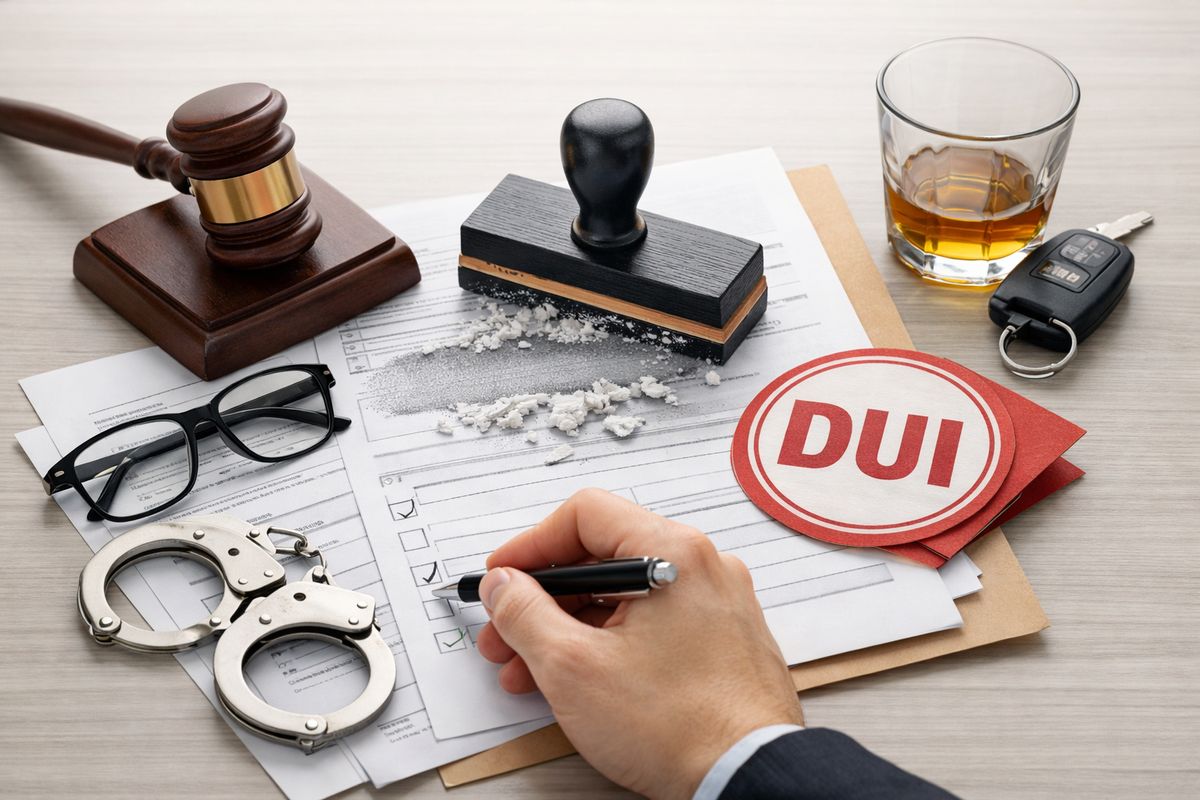
Trying to expunge DUI records can feel like walking into a courthouse with the wrong form in your hand and no idea why the clerk just sent you away. The big truth is simple: “expunge DUI” does not mean one clear thing everywhere, and your path depends almost entirely on how your case ended and what your state allows.
What “expunge DUI” really means
People use “expunge” as a catch-all, but courts do not. In one state, expungement may mean the record is destroyed or treated as if it never happened. In another, the real option is sealing, which usually means the record still exists but is hidden from public view. Some states use “set-aside” or “vacate,” which can change the legal status of the conviction without wiping out every trace of it.
Here’s the thing: those differences matter more than the label. If your real goal is to keep a dismissed DUI from showing up on job screenings, sealing may do the job. If your goal is to erase a conviction completely, your state may not allow that at all. So before filing anything, get clear on the result you are actually chasing.
What you’ll need before you start
Before Step 1, gather your basic information. This saves time and keeps you from filing the wrong petition in the wrong court.
Your case details
You need the exact charge, case number, court name, arrest date, and final disposition, which is the official ending of the case. A DUI arrest that ended in dismissal is a different animal from a DUI conviction after a plea or trial.
If you are fuzzy on how the case moved through court, start by reviewing what happens after an arrest for impaired driving. That timeline often explains why your paperwork says one thing at arrest and something else at the end.
Your state’s rules
Expungement law is state-specific. One state may allow a dismissed DUI arrest to be sealed quickly, while another may block DUI convictions for years, or forever. You are not looking for general internet advice here. You are looking for the law of the state where the case happened.
Proof that you finished every court requirement
Pull anything showing that probation ended, fines were paid, classes were completed, and treatment or community service was finished. Courts often want to see that the case is fully closed before considering relief.
A copy of your criminal record, if possible
Get a court record, state criminal history report, or background check copy if you can. That lets you see what still appears and where. Sometimes the court file is updated but a state repository is not, or vice versa.
Step 1: Figure out whether your DUI was dismissed, reduced, or convicted
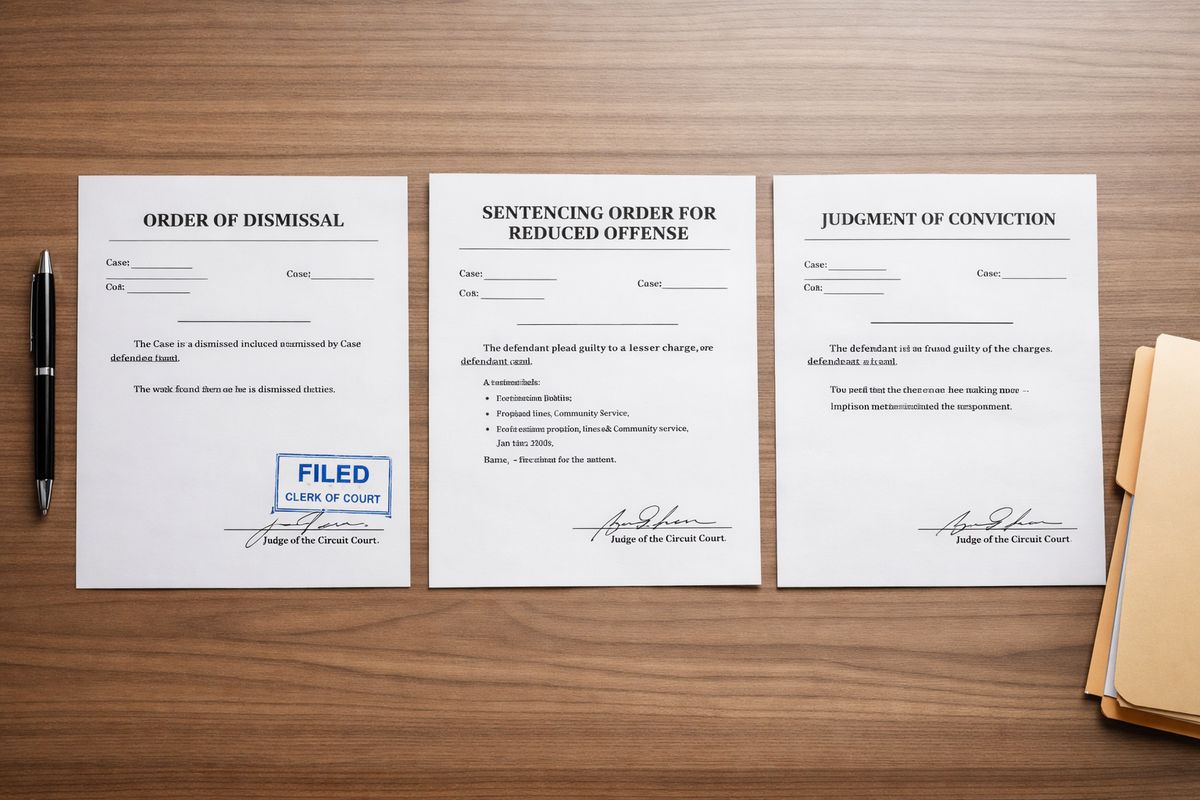
- Find your final court paperwork, such as the judgment, dismissal order, or sentencing order.
- Look for the final charge name and final outcome, not just the original arrest charge.
- Write down exactly what the record says.
- Confirm whether the result was dismissal, not guilty, reduction to another offense, or conviction.
This step is the fork in the road. Get it wrong, and everything after it gets shaky.
If your DUI charge was dismissed or you were found not guilty
Dismissed cases and not guilty findings are often the strongest candidates for clearing or sealing. In many states, the law is more generous when there was no conviction. That does not mean the record disappears automatically. It often stays visible until you file a separate request.
If your case ended this way, review the final order carefully and compare it to how a criminal case gets thrown out. A dismissal usually gives you the cleanest path, but only if the record really shows dismissal.
If your DUI was reduced to a different offense
A reduced charge can change everything. For example, if your DUI was reduced to reckless driving, the final offense may be treated under a completely different rule. Some states are strict about DUI convictions but more flexible about non-DUI traffic or misdemeanor outcomes.
The trick is to focus on the final conviction, not the starting allegation. Think of it like a receipt at checkout. What matters is what you actually left with, not what was in the cart at the start.
If you were convicted of DUI
Here is the hard truth: many states do not let you fully expunge a DUI conviction. Some allow relief only for first offenses, youthful cases, deferred judgments, or older convictions after a long waiting period. Others bar conviction expungement entirely.
That does not always leave you stuck. You may still have options such as sealing, set-aside relief, or correcting errors. If your case involved supervision, probation, or post-judgment terms, brushing up on how probation conditions work can help you confirm whether every requirement is truly finished.
Step 2: Check whether your state allows DUI expungement at all
- Go to your state judiciary website, self-help court site, or state code.
- Search terms like “expungement DUI,” “sealing criminal record,” and “set aside conviction.”
- Read the rule that applies to your final case outcome.
- Check whether the law treats DUI differently from other misdemeanors.
Do this before paying any fee. Honestly, this is where a lot of people save themselves weeks of wasted effort.
States that allow some DUI-related records to be cleared
Some states allow clearing dismissed DUI arrests, first-time offenses under limited conditions, youthful cases, or convictions reduced to non-DUI offenses. The wording can be narrow. A law may allow “non-conviction records” but not convictions, or allow certain misdemeanors while specifically excluding DUI.
States that block DUI conviction expungement
Some states flat-out prohibit expunging DUI convictions. That is the wall. You need to know if you are looking at it before you start climbing.
This is also where confusion between a court record and a driving record shows up. A state may let you seal a criminal court case but still keep the event on your motor vehicle history. If you are trying to untangle that difference, it helps to read more on how long a DUI can stay attached to your record.
Alternatives if expungement is not available
If full expungement is off the table, look for sealing, vacating, set-aside relief, certificates of rehabilitation, or record correction. These do not all erase the case, but they can still improve what employers, landlords, or private screeners see.
Step 3: Confirm that you meet the waiting period and eligibility rules
- Find out when your state’s waiting period begins.
- Count from the right date, which may be dismissal, conviction, or the end of probation.
- Make sure every term of your sentence is complete.
- Check for later cases, pending charges, or repeat offenses that block filing.
Filing too early is one of the easiest ways to get denied.
Check the waiting period
Some states make you wait months. Others make you wait years. The clock may start only after probation ends and all fines are paid, not on the day of conviction.
Make sure you completed probation and all court terms
Do not assume your case is complete because you stopped reporting. Verify everything: fines, classes, treatment, community service, jail credit, ignition interlock terms if tied to the criminal case, and any special conditions.
See whether new charges or convictions block your request
Some states deny relief if you picked up a new charge, even if it is still pending. Others care only about new convictions. Check the actual rule and your current record.
Step 4: Get the paperwork and record copies you need
- Identify the court that handled the case.
- Download or request the right petition or motion.
- Gather every supporting document before filling out the form.
- Check the filing fee and fee waiver rules.
A little prep here saves a lot of backtracking later.
Find the right court and forms
Use the court that handled the DUI case, not the court near where you live now unless it is the same one. Many courts post forms online. Some still require a clerk visit, phone request, or mailed packet.
Gather supporting documents
Collect dismissal papers, judgment orders, payment receipts, probation discharge notices, class certificates, and sentencing records. A single stamped certificate from a class completed six years ago in a courthouse hallway can matter more than expected.
Check filing fees and fee waiver options
Most courts list filing fees on the clerk’s page. If the fee is a problem, look for an indigency form or fee waiver application. If you are also weighing lawyer help, getting familiar with what criminal defense fees often look like can make that choice easier.
Step 5: Fill out the petition carefully
- Copy your case details exactly from the official record.
- State the legal reason you qualify.
- Attach any required proof.
- Review every page before signing.
This part is boring. It is also where small mistakes cause big delays.
Match the case details exactly
Use the exact offense title, court name, date, and case number shown in the file. One wrong digit can send your petition into limbo.
Explain why you qualify
Keep this plain and direct. State that the case was dismissed, that the waiting period ended, or that probation and all terms were completed under the rule that applies in your state. You are not writing a life story here.
Include any required statement about rehabilitation or hardship
If your court asks for a short statement, keep it practical. Explain that the record affects work, housing, licensing, or your ability to move forward. Brief beats dramatic.
Step 6: File your request with the court or agency
- Submit the petition using the method your court allows.
- Pay the fee or file the waiver request.
- Send copies to any required agency or prosecutor.
- Save proof that you filed.
Now you are in the system.
File in person, by mail, or online
Use the court’s accepted method only. Sign everywhere required. If notarization is required, handle it first so the clerk does not reject the filing on the spot.
Serve the prosecutor or agency if required
Some states require formal service on the prosecutor, district attorney, arresting agency, or state record repository. Treat that as part of the filing, not an extra courtesy.
Keep proof of filing
Save stamped copies, tracking receipts, and confirmation emails. If something disappears, your paperwork trail is your safety net.

Step 7: Prepare for a hearing, if your case requires one
- Read the notice carefully to see what the hearing covers.
- Bring your petition and supporting documents.
- Prepare short, direct answers about eligibility.
- Show up early and dressed neatly.
Not every case gets a hearing, but if yours does, preparation matters.
Know what the judge is likely to ask
Expect simple questions: Did you complete probation? Have you had any new charges? Why do you qualify under the statute? The goal is not a speech. Calm and clear wins.
Bring organized documents
Bring copies of the petition, payment proof, completion certificates, dismissal or judgment paperwork, and any allowed support letters. Think of it like packing chargers before a trip. You may not need every cable, but you really do not want to miss the one that matters.
Stay focused on the legal issue
Keep your answers tied to eligibility and compliance. If your case involved a plea, it may help to understand how negotiated case resolutions affect final charges, especially when the final offense differs from the original DUI charge.
Step 8: Follow through after the court rules
- Read the order carefully.
- Send certified copies to any agency listed in the order, if required.
- Wait for processing time.
- Verify that the record actually changed.
This is the step people skip. Bad idea.
If your DUI record is expunged or sealed
Make sure the order reaches the right places, such as the court database, state repository, and law enforcement records where applicable. Updates can take weeks or months. Do not assume the system fixes itself overnight.
If your request is denied
Read the denial reason closely. Sometimes the fix is simple, like unpaid fees, missing proof, or filing before the waiting period ran out. Other times, the law just does not allow relief for your case.
Verify that your record was updated
After a reasonable wait, order a new record copy or background check. Confirm whether the case is gone, hidden, or still showing in a private database.
Common problems and how to fix them
These problems are common, and most come from confusion about which record is being cleared.
“My DUI conviction cannot be expunged in my state”
Ask about sealing, set-aside relief, vacating, or correcting inaccurate entries. Full expungement is not the only useful result.
“I finished probation, but my record still shows the case”
Completion alone often does not clear anything automatically. You may still need to file a separate petition. That catches a lot of people off guard.
“My arrest was dismissed, but it still appears on background checks”
A dismissal helps, but it is not self-cleaning. You may need one order for the court file and another process for law enforcement or repository records.
“I cannot tell which agency controls the record”
Separate the court file, state criminal history, DMV driving record, and private background reports. One order does not always update every system at once.
“I have more than one case”
Check whether each case needs its own petition. One ineligible case can complicate the others, but it does not always block every filing.
When getting legal help makes sense
Some cases are routine. Some are a knot.
Cases involving convictions, multiple offenses, or old records
If your record spans multiple counties, includes repeat charges, or involves missing paperwork from years ago, mistakes become easier to make and harder to fix.
Cases involving state-specific exceptions
Diversion programs, deferred judgments, unusual plea deals, and local rules can change the analysis fast. If your case feels odd or the statute reads like a puzzle, legal help is usually worth it.
Low-cost help options
Look at legal aid, court self-help centers, state bar referral programs, or limited-scope representation. If hiring private counsel is on your radar, reviewing when bringing in a misdemeanor defense lawyer is worth it can help you decide how much help you actually need.
What result you can realistically expect
The label matters less than the real-world result. That is the part to focus on.
What changes after expungement or sealing
Depending on your state, the record may be destroyed, hidden from public searches, or still visible to courts, police, or licensing agencies. For jobs and housing, sealing can still be a big improvement even when the record is not erased.
What usually does not change
Your DMV history, insurance consequences, immigration issues, and professional licensing rules may follow separate systems. If your concern is driving again rather than record cleanup, look into getting your driving privileges restored after suspension.
Your next move
Pull your case record and confirm the final disposition today. That one step tells you whether you may have a real path to expunge DUI records, or whether you need to switch to sealing, set-aside relief, or another fix.
Frequently Asked Questions
Can you expunge a DUI conviction?
Sometimes, but often no. Many states block expungement of DUI convictions, while some allow it only in limited situations such as first-time offenses, deferred cases, or long waiting periods.
Is a dismissed DUI easier to clear than a conviction?
Yes. A dismissed DUI or not guilty result is usually much easier to seal or expunge than a conviction. But you still often need to file a separate request.
Does expungement remove a DUI from your driving record?
Not always. A court order affecting your criminal case may not change your DMV history. Court records and driving records often follow different rules.
How long do you have to wait to file?
It depends on your state and your case outcome. Some states let you file soon after dismissal. Others require months or years after conviction and only after probation and all terms are complete.
Will background check companies update automatically?
Sometimes, but not always. Even after approval, private databases may lag behind public records. That is why checking your record again later matters.
Speak With Attorney Nathan J. Dineen
Attorney Nathan J. Dineen represents clients facing DUI, OWI, and related criminal charges throughout Wisconsin. His approach combines strategic courtroom advocacy with advanced training in standardized field sobriety testing, drug-recognition evaluation, and the science behind breath, blood, and chemical testing.
Nathan has also presented DUI defense topics to other attorneys and has been recognized by legal organizations for trial advocacy, professional achievement, and work in impaired-driving defense.
A DUI or OWI charge can affect your license, career, reputation, and future. Get experienced legal guidance before making your next decision.
Schedule your confidential consultation with Attorney Nathan J. Dineen today.

About Nate Dineen
Wisconsin legal insights from the DUI Defense WI team.