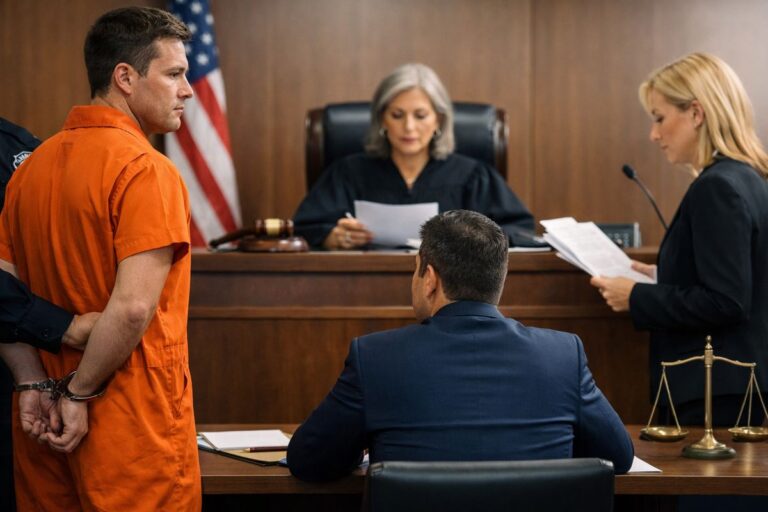
Can You Be Charged With DUI and Reckless Driving?
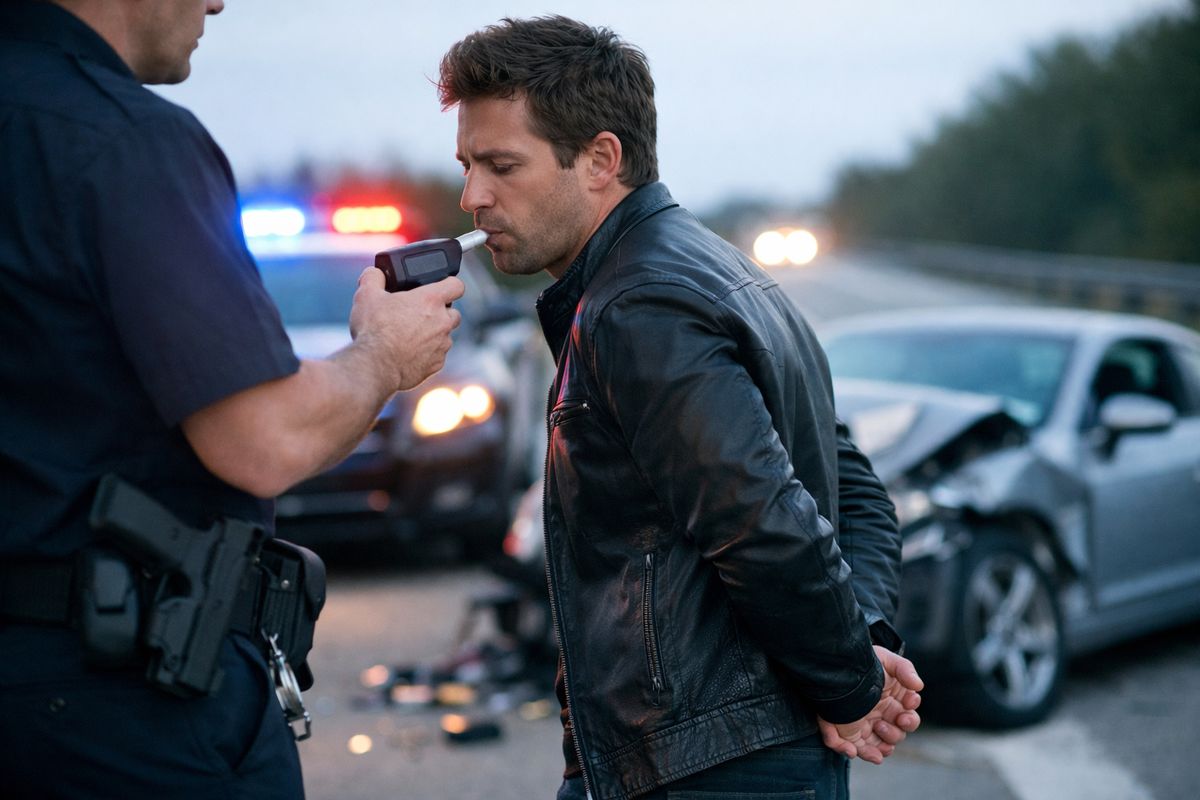
Yes, you can be charged with DUI and reckless driving from the same traffic stop. That surprises a lot of people, but DUI and reckless driving are not the same thing, and one bad stretch of road can support both. If you are trying to make sense of a citation in Wisconsin, here’s what those charges usually mean and why the distinction matters.
Can You Be Charged With DUI and Reckless Driving at the Same Time?
Yes. A DUI charge focuses on impairment, meaning alcohol, drugs, or another substance affected your ability to drive. Reckless driving focuses on how you drove, usually behavior that showed a serious disregard for safety.
Think of it like this: one charge asks, “Were you impaired?” The other asks, “Was your driving dangerously unsafe?” If the answer to both is yes, both charges can show up on the same ticket or criminal complaint.
Why the Two Charges Are Different
DUI, called OWI in Wisconsin, means operating a vehicle while under the influence. That can involve alcohol, controlled substances, prescription medication, or a mix of substances. If you want a clearer breakdown of the terms, it helps to read about why Wisconsin uses OWI instead of the labels many people expect.
Reckless driving is different. It usually means driving in a way that creates an unreasonable and substantial risk to people or property. Excessive speeding, weaving through traffic, tailgating, blowing a red light, or nearly causing a crash can all fit that picture.
How One Traffic Stop Can Lead to Both Charges
This happens more often than people think. Picture a late-night stop on I-94 near Milwaukee: you drift between lanes, brake late, and get pulled over. If the officer also smells alcohol, notices slurred speech, and gets a failed breath test, the driving behavior may support reckless driving while the impairment evidence supports DUI.
That is why a single stop can branch into multiple allegations fast. If you want a side-by-side explanation, sorting out how the two charges differ under Wisconsin law makes the overlap easier to understand.
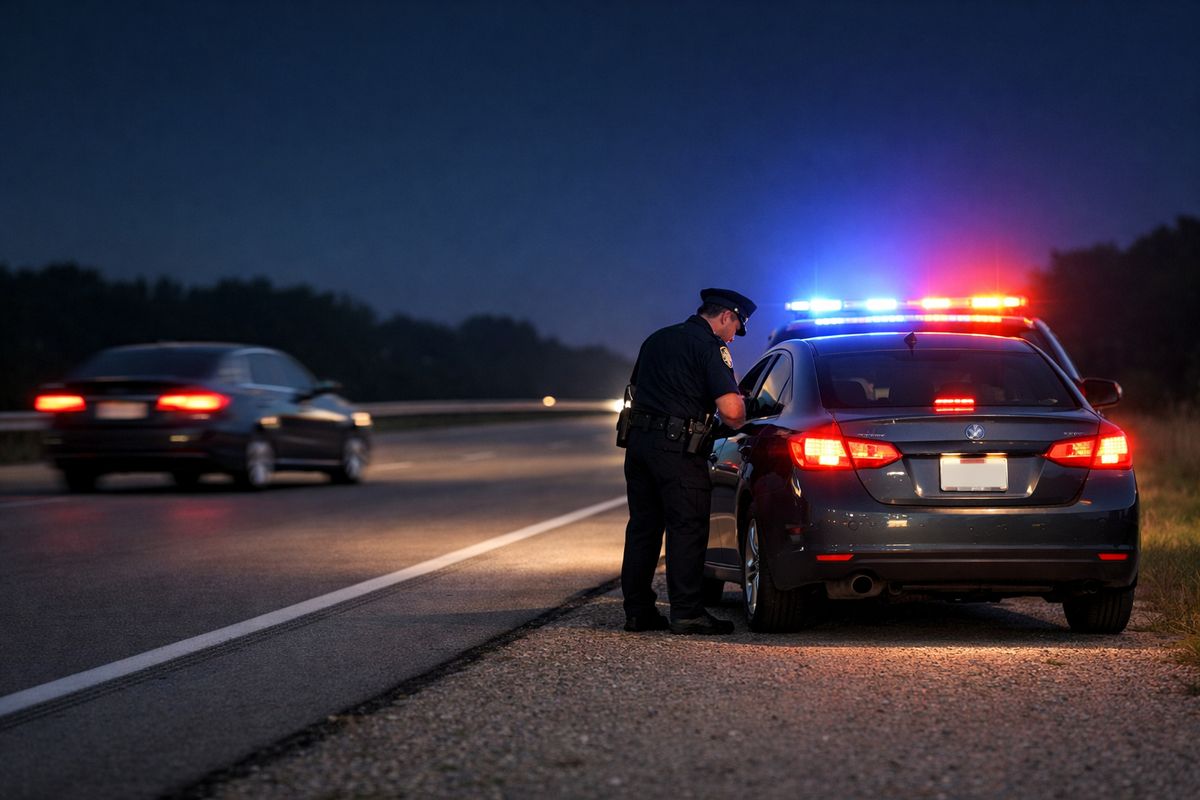
What Prosecutors Usually Look At in DUI and Reckless Driving Cases
Prosecutors usually build these cases from two buckets of facts: evidence that you were impaired, and evidence that your driving was dangerous. If both buckets look full, both charges tend to stay in the case.
Evidence Often Used for a DUI Charge
For DUI, common evidence includes breath or blood test results, field sobriety tests, and officer observations. That can mean odor of alcohol, bloodshot eyes, slow responses, balance problems, or statements you made during the stop. Even a casual comment can end up in the report.
The catch is, not every piece of DUI evidence is as solid as it first sounds. Testing procedures, timing, and the reason for the stop can all matter. That is why cases sometimes turn on details like whether police had a lawful basis to stop you in the first place.
Evidence Often Used for a Reckless Driving Charge
Reckless driving often relies on what happened on the road. Speeding well above the limit, running stop signs, unsafe lane changes, near-collisions, and aggressive driving all matter. Officers may also use dashcam footage, bodycam video, or witness statements.
In other words, a reckless driving case can exist even without a chemical test. If you want a fuller picture of what this charge means on its own in Wisconsin, the driving facts are usually the center of it.
What Happens if You’re Convicted of Both?
If you are convicted of both, penalties can stack. This is serious, not just a paperwork problem.
A DUI can affect your license, your record, your insurance, and sometimes your job. Add reckless driving, and the court may view the whole event as more dangerous than a basic impaired driving case.
Possible Criminal, License, and Financial Consequences
Depending on the facts, you could face fines, jail exposure, license suspension or revocation, points, ignition interlock requirements, and sharply higher insurance costs. If there was a crash or injury, the stakes rise fast. For a broader look at how a drunk driving case can affect life beyond court, the long tail is often what catches people off guard.
If you already have prior offenses, things can get worse in a hurry. Wisconsin penalties change significantly as convictions add up.
Can One Charge Be Reduced or Dismissed?
Sometimes, yes. One charge may be reduced, amended, or dismissed if the evidence is weak or as part of a plea agreement. But that depends on the facts, the county, the prosecutor, and the judge.
A bad driving fact pattern can keep reckless driving alive even if the DUI evidence has holes. The reverse can also happen. That is one reason it helps to understand how long a Wisconsin DUI case can drag on and where decisions often happen.
Defenses and Next Steps if You’re Facing DUI and Reckless Driving in Wisconsin
When you are staring at a citation and a court date, the smartest move is to slow the panic and sort the facts. Small details matter here, sometimes more than people expect.
Common Defense Angles
Possible defenses can include an unlawful stop, weak proof of impairment, testing errors, or facts that do not really match reckless driving. “Probable cause” is the legal phrase for enough specific facts to justify police action. If that foundation is shaky, the case can weaken with it.
Another common issue is overcharging. Swerving once to avoid debris is not the same as driving with serious disregard for safety. Context matters.
Why Local Legal Help Matters
County practice in Wisconsin is not one-size-fits-all. Court procedures, prosecutor habits, and local negotiation patterns can change from one courthouse to the next. A lawyer can review the stop, examine the reports, challenge weak evidence, and work to protect your license.
If you are comparing attorneys, it helps to look at what to check before hiring someone for a Wisconsin drunk driving case.
One Smart Thing to Do Right Away
Gather your citation, court date, bond paperwork, test results, tow information, and your own notes about what happened while it is still fresh. Write down the time, the road, what the officer said, and what you remember saying back. Memory fades fast.
Nathan Dineen has built a reputation on proven results, dedicated client service, and aggressive DUI and criminal defense representation. Nationally recognized and trusted by clients throughout Wisconsin, Nate has been named among the Top 100 Trial Lawyers, holds a 10.0 Superb Avvo Rating, and has earned Super Lawyers recognition 11 times, including a 2026 Super Lawyers designation. If you are looking for an experienced attorney in Wisconsin, contact Nate today to discuss your case and receive personalized guidance from one of the state’s most respected criminal defense lawyers.
Frequently Asked Questions
Is reckless driving less serious than DUI?
Not automatically. DUI often carries heavier license-related consequences, but reckless driving can still bring major penalties and can make the overall case look worse in court.
Can you get reckless driving without failing a breath test?
Yes. Reckless driving is based on unsafe driving behavior, not just alcohol or drug test results. A prosecutor can pursue it based on speeding, weaving, near-crashes, or video evidence.
Does Wisconsin call DUI something different?
Yes. Wisconsin usually uses OWI, which stands for operating while intoxicated. People still say DUI all the time, but the charge may appear as OWI on paperwork.
Can both charges come from one mistake?
Yes, if that mistake involved both impairment and dangerous driving. A single incident can support more than one charge when the facts point in different directions.
Should you fight both charges or just focus on the DUI?
Both matter. Sometimes the stronger defense is against the stop, sometimes the testing, and sometimes the reckless driving facts themselves. Looking at only one charge can be a costly mistake.

About Nate Dineen
Wisconsin legal insights from the DUI Defense WI team.