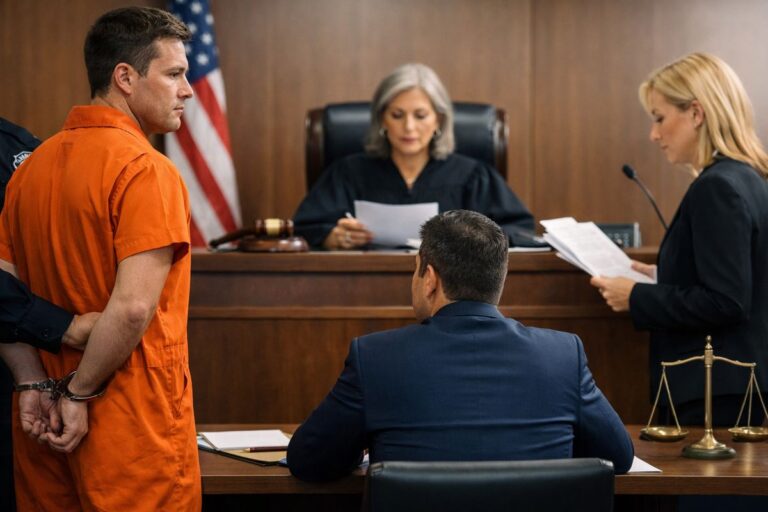
Reckless Driving vs. DUI in Wisconsin: Key Differences
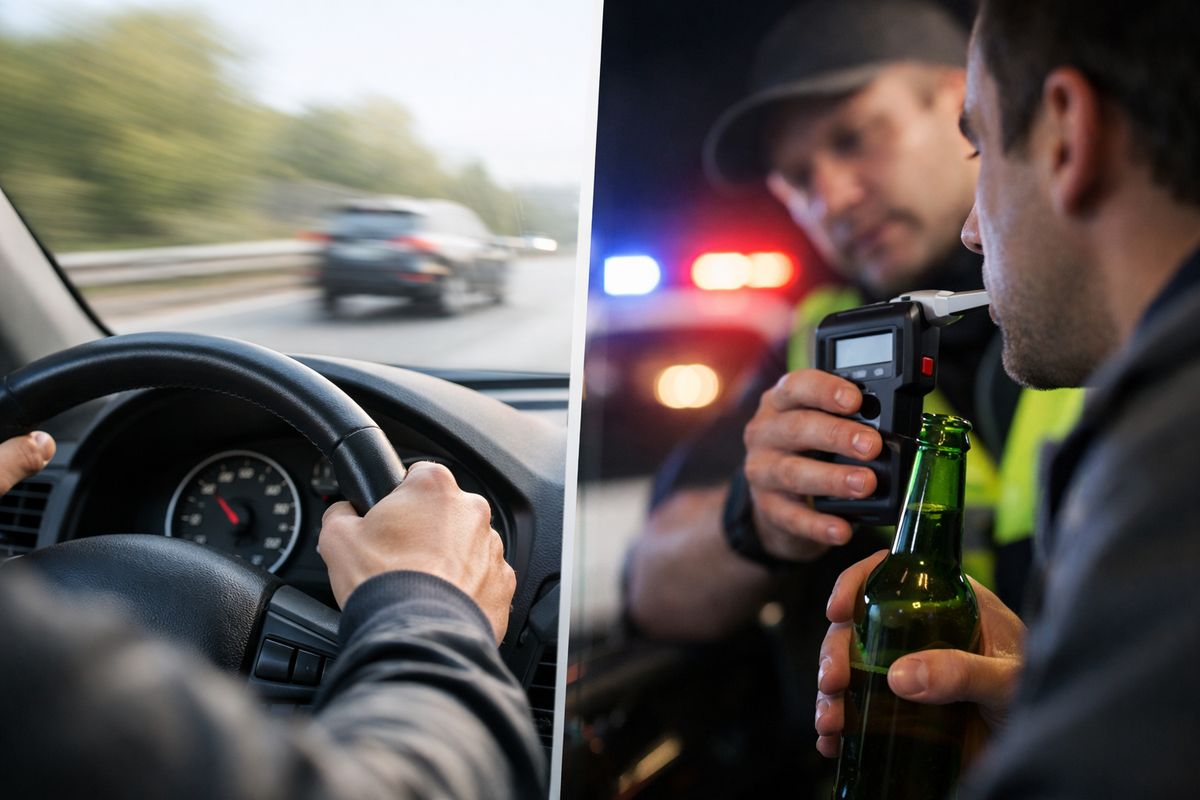
If you are sorting out reckless driving vs DUI in Wisconsin, the biggest difference is simple: reckless driving is about how you drove, and DUI, usually called OWI here, is about driving while impaired or over the legal limit. That sounds straightforward, but the penalties, license issues, and long-term fallout can look very different once the case starts moving.
Quick Overview of Reckless Driving and DUI in Wisconsin
For most Wisconsin cases, DUI or OWI is the worse charge. It usually hits harder on your license, costs more over time, and creates more lasting problems with insurance, work, and future offenses.
Reckless driving still matters, a lot. But if you picture two traffic stops on the same night, one on I-94 for aggressive lane changes at 90 mph and one near State Street in Madison after midnight with signs of intoxication, the DUI case usually brings the broader legal mess.
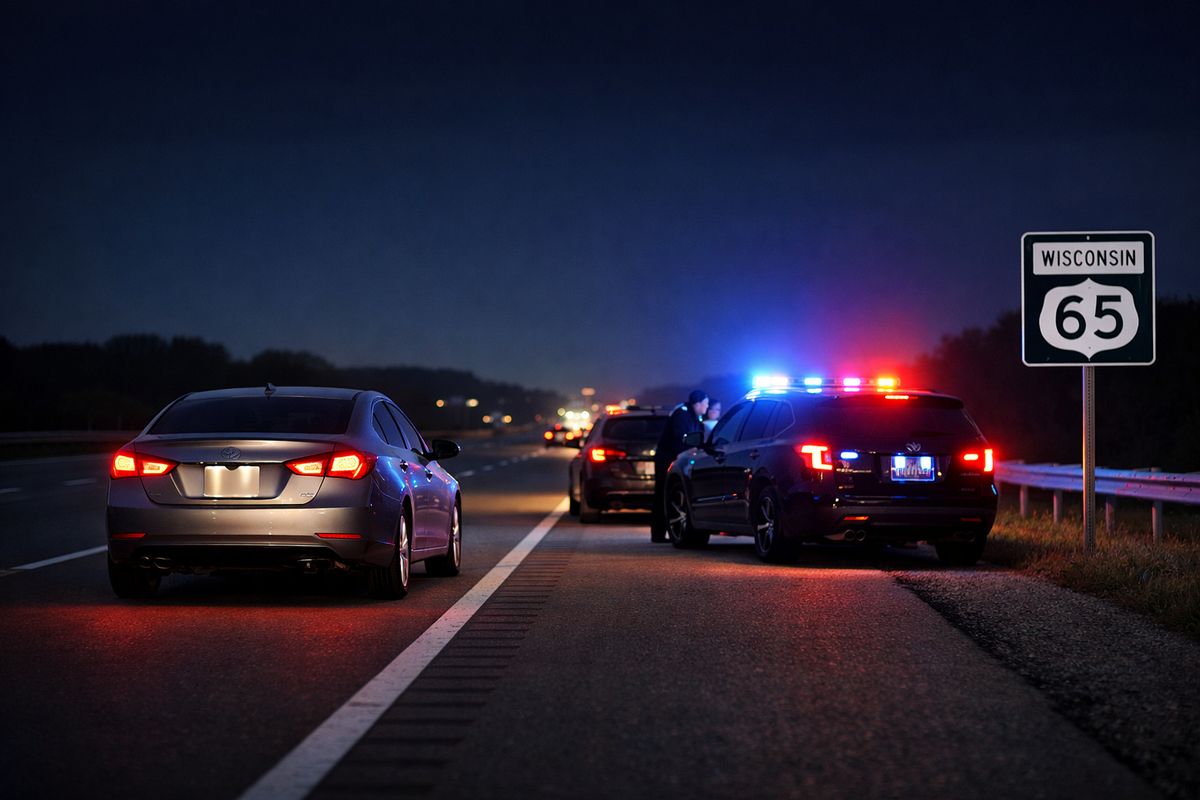
What Each Charge Means Under Wisconsin Law
Wisconsin treats these charges differently because the law is targeting different conduct. Reckless driving focuses on dangerous operation of a vehicle. DUI focuses on impairment from alcohol or drugs, or a prohibited alcohol concentration.
If you want a clearer breakdown of Wisconsin terms, including why the state uses OWI instead of DUI in many cases, it helps to read more about how these labels differ in Wisconsin.
Reckless Driving Defined
Reckless driving usually means driving in a way that endangers safety. Think excessive speeding in traffic, weaving across lanes, tailgating in bad weather, or blasting through an intersection while ignoring conditions around you.
The key point is danger. The charge is based on conduct that creates an unreasonable risk to people or property, even if no alcohol is involved.
DUI/OWI Defined
In Wisconsin, DUI is commonly charged as OWI, short for Operating While Intoxicated. That means operating a vehicle while under the influence of alcohol or drugs, or while having a prohibited blood alcohol concentration.
In plain English, the state is looking for impairment, a chemical test result over the limit, or both. If you need the basics laid out cleanly, start with a plain-English explanation of what counts as a Wisconsin DUI.
What Prosecutors Have to Prove
Here’s where the two charges really split apart. A reckless driving case is built around dangerous behavior. A DUI case is usually built around impairment evidence, test results, and whether the stop and investigation were handled properly.
Proving Reckless Driving
To prove reckless driving, prosecutors often lean on the officer’s observations, witness statements, dashcam footage, traffic conditions, speed estimates, and your driving pattern as a whole. No breath test is required.
That matters because the argument often turns on context. Was the driving actually reckless, or just abrupt, mistaken, or briefly careless? A snowy Milwaukee freeway at rush hour tells a different story than an empty rural road at noon.
Proving DUI/OWI
A DUI case often includes the reason for the stop, what the officer noticed after contact, field sobriety tests, statements made during the stop, and breath or blood results. Procedure can become the entire fight.
That is why what police need before making a drunk-driving arrest matters so much. If the stop was weak or the testing process was flawed, the case can change fast.
Common Traffic Stop Scenarios and Evidence
Most charges do not begin in a courtroom. They begin on the roadside, with a few seconds of driving that caught an officer’s attention.
Signs That Lead to a Reckless Driving Charge
A reckless driving stop usually starts before the window ever comes down. An officer may see racing, passing on the shoulder, hard weaving through traffic, running lights, or following dangerously close.
The focus is outward. The officer is watching what your vehicle is doing and whether that behavior looks like a threat to safety.
Signs That Lead to a DUI Charge
A DUI stop can begin with drifting, delayed braking, inconsistent speed, or a wide turn. But the investigation often expands after the stop. The officer may note bloodshot eyes, odor of alcohol, slurred speech, confusion, or an open container.
That is the catch with OWI cases. What starts as a simple lane violation can turn into something much bigger within a few minutes.
Penalties and Long-Term Consequences
Both charges can lead to fines and serious court trouble. But in most Wisconsin cases, DUI creates more disruption to daily life than a basic reckless driving conviction.
Penalties for Reckless Driving in Wisconsin
Reckless driving can bring fines, court costs, and points on your record. In more serious cases, especially where somebody was endangered, injured, or property was damaged, jail can enter the picture.
A lot depends on the facts. A basic traffic matter is one thing. A high-speed incident with a crash is another entirely. For more detail on what this charge can mean under Wisconsin law, the specifics matter.
Penalties for DUI/OWI in Wisconsin
DUI penalties can include fines, license revocation, mandatory alcohol assessment, ignition interlock requirements, and jail in some cases. Repeat offenses raise the stakes quickly, and cases involving injury can become much more serious.
That is why the broader fallout from an OWI conviction tends to stretch further than most people expect. The court penalty is only part of the problem.
Impact on Your Driver’s License
For a lot of people, the first real panic is not the fine. It is how to get to work on Monday.
License Consequences for Reckless Driving
Reckless driving usually affects your license through points. If your record already has other violations, those points can push you toward suspension.
So the damage is often cumulative. One reckless driving conviction may not end your driving privileges by itself, but it can move your record much closer to that line.
License Consequences for DUI/OWI
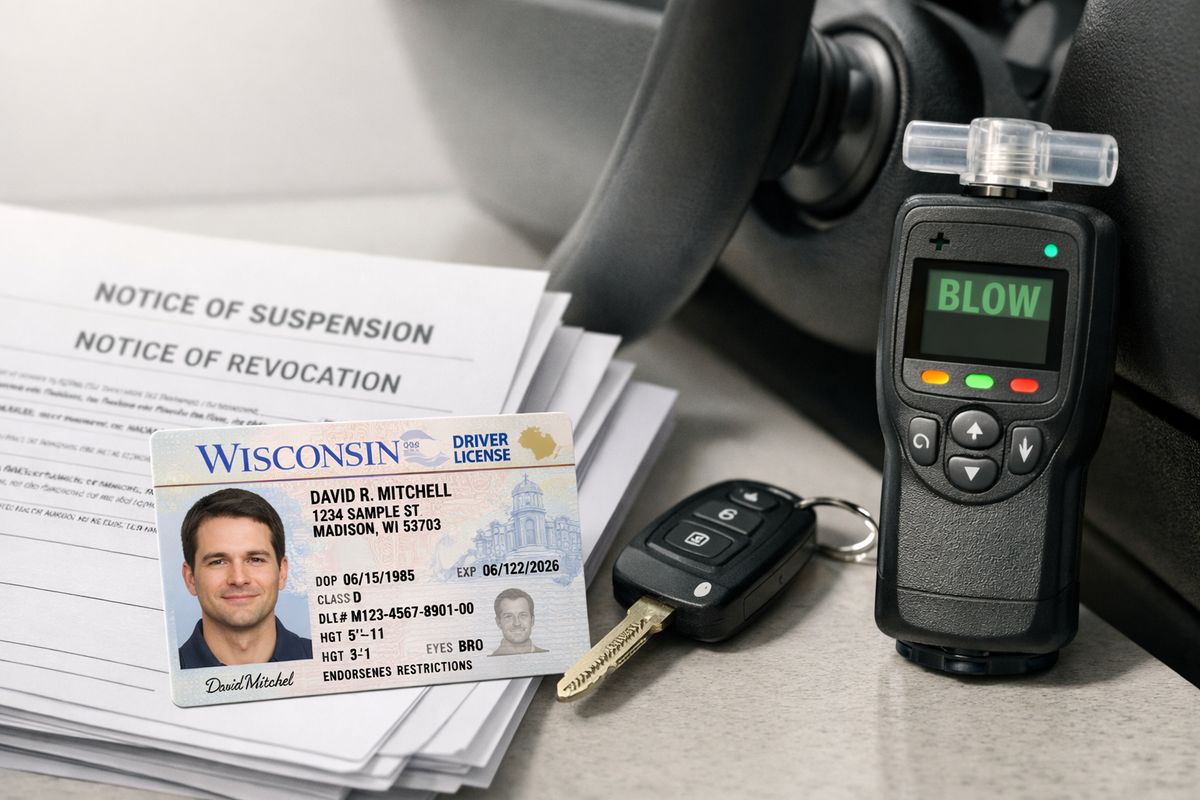
DUI often leads to revocation, not just points. You can also face separate consequences for refusing a chemical test, which can feel like getting hit from two directions at once.
That second track matters. Refusal issues can trigger penalties even before the OWI charge is fully resolved, which is one reason these cases move fast.
Insurance, Employment, and Record Impact
The court date ends eventually. The record usually does not.
How Reckless Driving Can Affect Your Record
Reckless driving can raise insurance premiums and cause trouble if your job involves driving, deliveries, company vehicles, or a commercial license. Even without jail, the practical fallout can show up in your budget within months.
It can also look bad on a background check, especially if the facts involved speed, aggression, or a crash.
How DUI/OWI Can Affect Your Record
DUI often carries heavier stigma. Employers, professional licensing boards, and insurers tend to treat alcohol-related driving offenses more harshly than a standard traffic offense.
If the case involves prior offenses, the risk jumps again. That is where the difference between lower-level and more serious drunk-driving charges starts to matter in a very real way.
Defense Strategies and Legal Options
A good defense is not one-size-fits-all because these cases are built on different kinds of proof.
Defending a Reckless Driving Charge
A reckless driving defense may focus on challenging the officer’s interpretation, showing the driving was not truly reckless, or pointing out that the facts fit a lesser citation better than a criminal-style allegation.
Context does a lot of work here. Traffic, weather, road design, visibility, and witness reliability can all shift how the event looks.
Defending a DUI/OWI Charge
A DUI defense often focuses on the stop, field sobriety test conditions, breath or blood testing errors, medical explanations, and officer procedure. Sometimes the whole case turns on one broken step.
That is why whether the stop itself can be challenged is such a big question in OWI cases. If the foundation is weak, the rest of the case can wobble with it.
Can Reckless Driving Be Reduced From a DUI?
Sometimes, yes. But this is not a coupon code you automatically get for showing up to court.
A DUI may be reduced to reckless driving in some cases if the evidence has problems, your record is favorable, the county’s practices allow room for negotiation, or the test results and stop details create leverage. But no reduction is guaranteed, and some prosecutors are much less flexible than others. The facts drive the outcome.
Pricing and Legal Cost Comparison
The cheapest-looking citation on paper is not always the cheaper problem in real life.
Direct Court Costs and Fines
Reckless driving can bring lower immediate costs than DUI, especially in a basic case without injury. DUI often adds higher fines, alcohol-related requirements, reinstatement costs, and extra court-driven expenses early in the process.
So if you are comparing the two by the amount printed on the ticket alone, you are missing half the picture.
Indirect Costs Over Time
This is where DUI usually pulls far ahead in the worst way. Insurance increases, ignition interlock costs, missed work, rides to appointments, license reinstatement fees, and transportation headaches add up fast.
Reckless driving can be expensive too, especially if it hurts your insurance or job. But DUI tends to drain money long after the case is closed.
When Reckless Driving Is the Bigger Issue
Reckless driving can be the bigger threat when the conduct is extreme, a crash happened, somebody was injured, or your livelihood depends on a clean driving record. Commercial drivers, delivery drivers, and anyone already carrying points on a license need to take that risk seriously.
In those situations, the label matters less than the consequences attached to the facts.
When DUI/OWI Is the Bigger Issue
DUI is usually the bigger issue when chemical tests are involved, your license is in immediate danger, or you have prior offenses. The same goes for cases with minors in the car, an accident, or signs of drug impairment.
Daily life gets disrupted faster in these cases. Driving privileges, work routines, and future criminal exposure can all change at once.
Which Charge Is Worse in Wisconsin?
In most Wisconsin cases, DUI or OWI is worse than reckless driving. The penalties often reach further, the license consequences are more serious, and the long-term record, insurance, and employment damage tends to be harder to contain.
Reckless driving is still serious. But head to head, DUI usually creates the larger legal and practical problem.
When to Contact a Wisconsin Defense Lawyer
If you are facing either charge, do one thing right away: gather the citation, any notice about your license, and the dates you were given, then get legal advice quickly. Small details in the first few days, especially around testing, statements, and deadlines, can shape the entire case.
Nathan Dineen has built a reputation on proven results, dedicated client service, and aggressive DUI and criminal defense representation. Nationally recognized and trusted by clients throughout Wisconsin, Nate has been named among the Top 100 Trial Lawyers, holds a 10.0 Superb Avvo Rating, and has earned Super Lawyers recognition 11 times, including a 2026 Super Lawyers designation. If you are looking for an experienced attorney in Wisconsin, contact Nate today to discuss your case and receive personalized guidance from one of the state’s most respected criminal defense lawyers.
Frequently Asked Questions
Is reckless driving the same as a DUI in Wisconsin?
No. Reckless driving is about dangerous driving behavior. DUI, usually called OWI in Wisconsin, is about operating a vehicle while impaired or over the legal alcohol limit.
Can you be charged with both reckless driving and DUI?
Yes. A single traffic stop can lead to both charges if the facts support both dangerous driving and impairment. That can increase the pressure and complicate defense strategy.
Which charge hurts your license more?
In most cases, DUI hurts your license more. Reckless driving usually adds points, while DUI often leads to revocation and can trigger separate penalties tied to test refusal.
Is a DUI more expensive than reckless driving?
Usually, yes. DUI often brings higher court costs, reinstatement fees, treatment or assessment expenses, insurance hikes, and possible ignition interlock costs. Reckless driving can still be expensive, but OWI usually costs more over time.
Can a first-offense DUI be reduced to reckless driving?
Sometimes, but not automatically. A reduction depends on the evidence, your record, local court practices, and whether there are weaknesses in the stop, testing, or investigation.
How fast should you talk to a lawyer after an OWI or reckless driving charge?
As soon as possible. Early review matters because deadlines, license issues, officer reports, and testing procedures can shape what options are available later.

About Nate Dineen
Wisconsin legal insights from the DUI Defense WI team.