DUI Probable Cause in Wisconsin: What Police Need
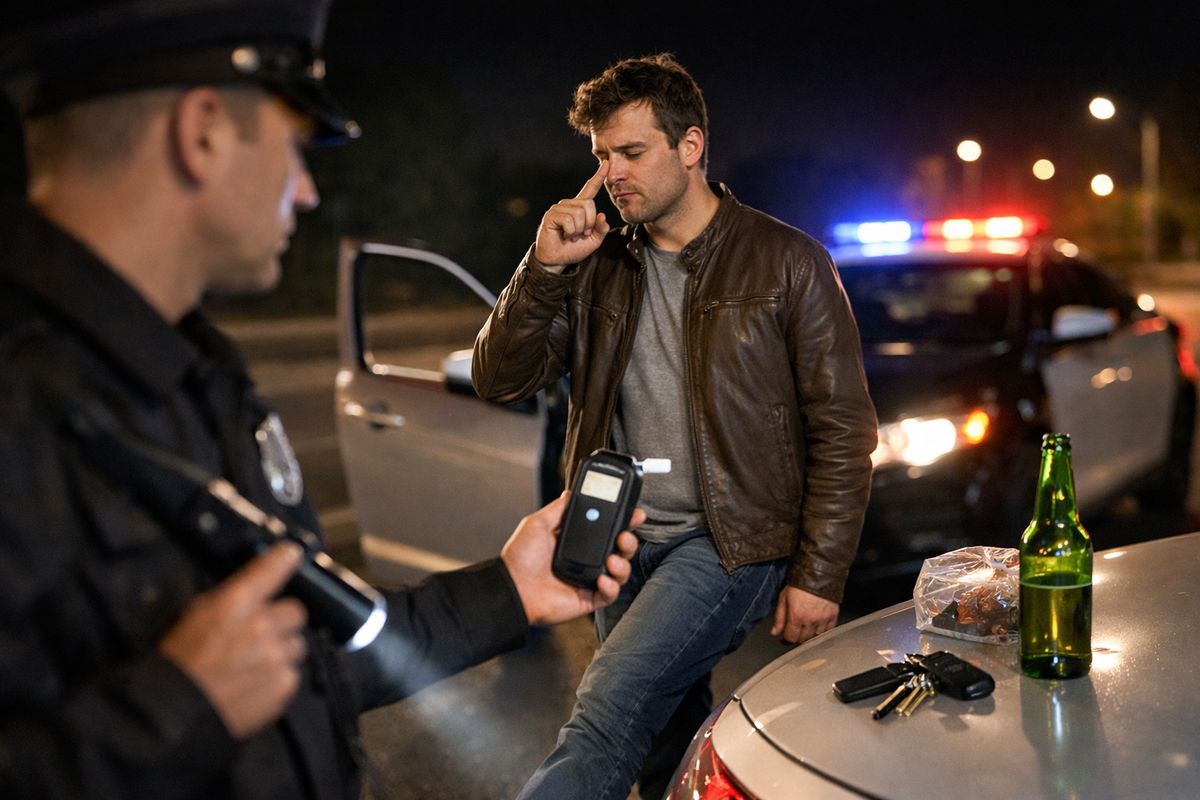
DUI probable cause is the set of facts police use to justify an OWI arrest in Wisconsin. That matters more than most people realize, because if the officer did not have enough real evidence at the right moment, the whole case can shift fast.
What DUI Probable Cause Means in Wisconsin
In plain English, DUI probable cause means an officer must be able to point to specific facts that would make a reasonable officer believe impaired driving happened. Not a guess. Not a vibe. Actual observations.
In Wisconsin, the charge is usually called OWI, short for Operating While Intoxicated. But plenty of people still search for DUI probable cause, and that is fine because the legal issue is the same: what police needed to stop you, investigate you, and arrest you.
Here’s the thing: probable cause is not proof beyond a reasonable doubt. Police do not need to prove your case on the roadside. But your arrest still has to rest on more than a vague hunch, which is why this issue shows up in so many Wisconsin OWI defenses.
DUI vs. OWI in Wisconsin
Wisconsin uses OWI instead of DUI or DWI, but the basic concern does not change. The question is still whether you were operating a vehicle while impaired, or with a prohibited alcohol concentration.
If that label difference has ever felt confusing, this breakdown of why Wisconsin uses OWI clears it up. For probable cause purposes, though, the main point is simple: the officer must have enough facts for each stage of the stop and arrest.
The Difference Between Reasonable Suspicion and Probable Cause
Reasonable suspicion and probable cause sound similar, but they are not the same thing. A simple way to think about it is smoke versus fire. Smoke can justify checking things out. Fire gives a stronger basis to act.
Reasonable suspicion is the lower standard. It can justify a traffic stop or a short investigation. Probable cause is the bigger step. That is what police usually need before making an arrest, and it often matters when requesting chemical testing under Wisconsin’s OWI process.
Reasonable Suspicion Comes First
An officer usually needs a specific reason to stop you in the first place. Maybe you drifted over the center line. Maybe you were speeding, braking oddly, or driving with a broken taillight. Sometimes a normal traffic issue opens the door, and then the officer starts looking for signs of impairment.
What does not work, at least legally, is “something felt off.” The officer should be able to explain what was actually seen or heard. If the stop started without a real factual basis, that problem can affect everything that came after. That is why challenges to an unlawful traffic stop in a DUI case can matter so much.
Probable Cause Is a Bigger Step
Probable cause usually develops during the stop. The officer claims to smell alcohol. Your speech sounds slurred. Your eyes look bloodshot. Maybe there is an open container in the car, or maybe you admitted you had a couple of drinks.
Then come field sobriety tests, and sometimes a preliminary breath test on the roadside where allowed. Taken together, those details often form the officer’s argument for arrest. One fact by itself may not do much. A cluster of facts often does.
What Police Usually Rely On to Claim Probable Cause
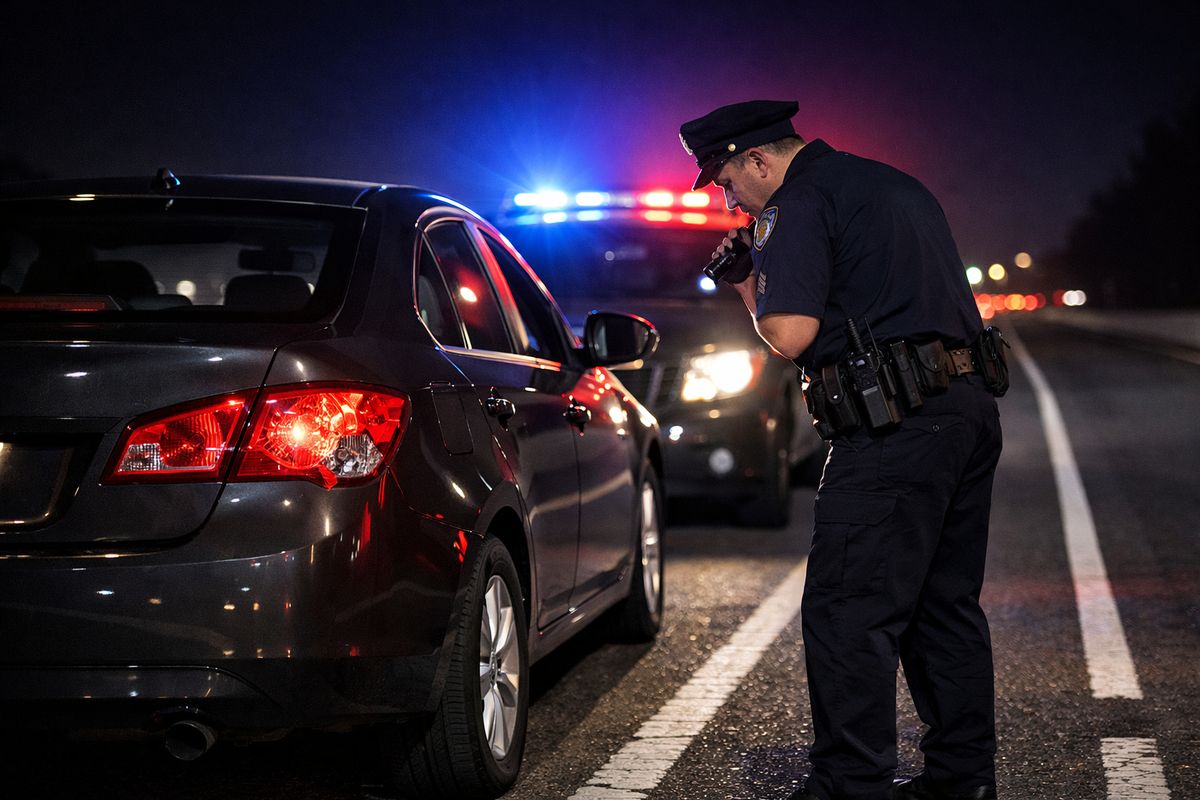
Most Wisconsin OWI probable cause cases turn on a handful of observations written into the police report. That is the heart of it. If the report sounds detailed and tidy, the arrest may look stronger on paper. If the details are thin, inconsistent, or exaggerated, the probable cause claim may be weaker than it first appears.
Driving Behavior Before the Stop
Before the officer even reaches your window, driving behavior often sets the stage. Common examples include weaving within your lane, crossing lane markers, delayed movement after a green light, oddly wide turns, braking for no clear reason, or nearly hitting a curb.
Context can add weight, too. A car drifting near downtown Madison at 1:15 a.m. after bar close will get attention. But time and location are just context. They cannot replace actual facts. Leaving a tavern late at night is not, by itself, probable cause.
What the Officer Notices After Contact
Once the officer speaks with you, the report often starts stacking details. The smell of alcohol is one of the most common. So are glassy or bloodshot eyes, fumbling for your license, slurred speech, confusion, and trouble answering simple questions.
An admission can matter a lot. Even a casual comment like “you had two beers” may end up featured prominently in the report. Of course, innocent explanations exist. Fatigue, allergies, nerves, and even a long workday can create some of the same signs. But officers often rely on these observations to build the case for arrest.
Field Sobriety Tests and Preliminary Breath Tests
Field sobriety tests are meant to help officers decide whether impairment is likely. The walk-and-turn asks you to take heel-to-toe steps, turn, and return. The one-leg stand asks you to balance and count. The horizontal gaze nystagmus test checks for involuntary eye movement while you follow an object.
Then there is the roadside breath test, often called a preliminary breath test or PBT. In many stops, these tools become the bridge from suspicion to probable cause. If you want the bigger picture of how Wisconsin defines these cases, this plain-English guide to OWI charges helps connect the dots.
When Probable Cause May Be Weak or Missing
Not every stop is solid, and not every OWI arrest is justified. Some cases look strong only because the report uses familiar phrases without much detail behind them. That happens more than most people think.
A Hunch Is Not Enough
Police cannot legally stop or arrest you just because you were leaving a bar, driving late, or looking nervous. Nervousness is common during any traffic stop, including completely sober ones.
Lawful driving matters. If your driving was normal and the officer cannot point to a real violation or specific signs of impairment, the probable cause claim may have a serious problem.
Medical Issues, Fatigue, and Other Innocent Explanations
A lot of non-alcohol issues can look bad at the roadside. Allergies can cause watery or bloodshot eyes. Anxiety can make your hands shake. Fatigue can slow your speech. Old injuries, inner ear problems, or back pain can make balancing tests look rough even when alcohol is not the reason.
That does not automatically defeat the case, but it can matter. If the officer leaned too heavily on symptoms with obvious innocent explanations, the arrest may look less reliable after a closer review.
Problems With Field Tests or the Stop Itself
Roadside tests are not done in a lab. You may be standing on gravel, snow, a sloped shoulder, or uneven pavement with traffic flying past and squad lights flashing in your face. Footwear matters too. Boots, heels, and even ordinary work shoes can affect balance.
Instructions matter just as much. If directions were rushed, unclear, or incomplete, test performance becomes less meaningful. Add in a weak reason for the original stop or a report that skips key details, and those small cracks can start to add up. In some cases, understanding what can weaken a DUI charge makes it easier to see why probable cause is worth challenging.
How Probable Cause Gets Challenged in a Wisconsin OWI Case
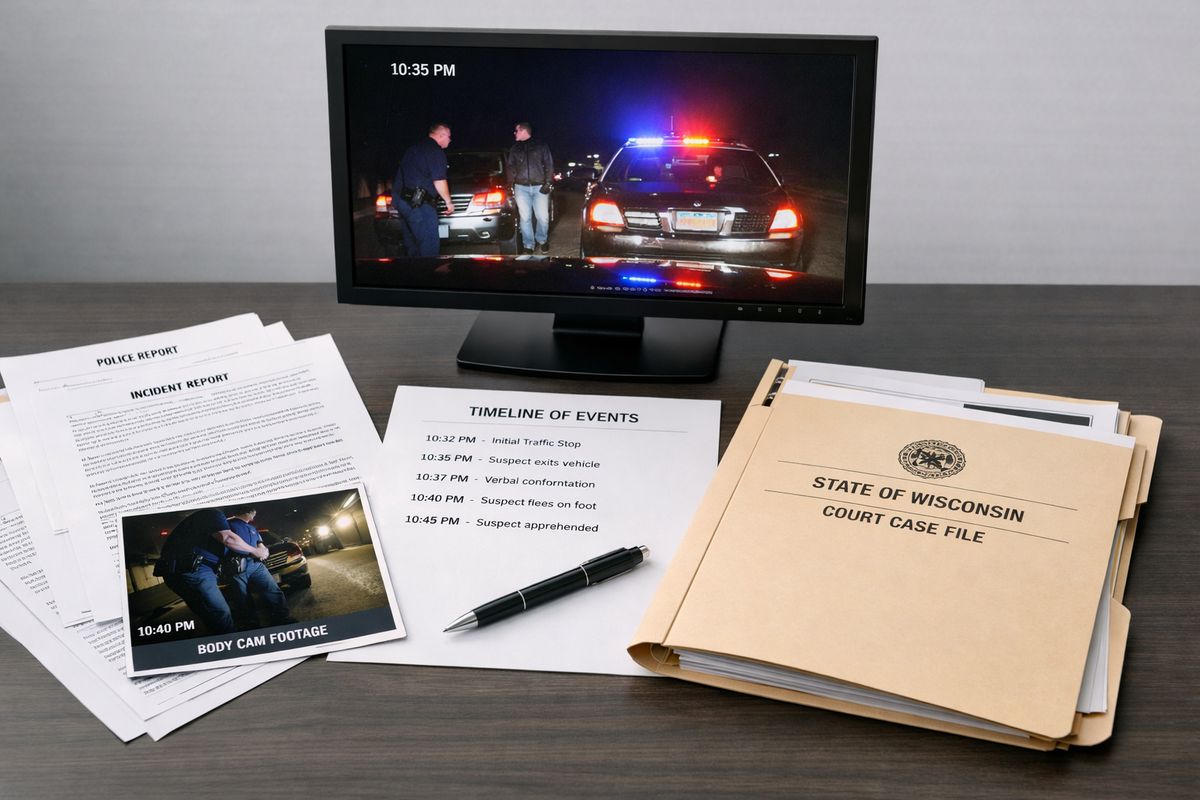
After an arrest, probable cause gets tested against the actual record. That means the officer’s report, squad video, body camera footage, dispatch logs, chemical test records, and the timeline of what happened from first contact to arrest.
This is where memory and paperwork stop being abstract and start mattering a lot.
Reviewing the Stop, Arrest, and Evidence
A challenge can focus on each stage separately. Was there a valid reason for the stop? Did the officer expand the investigation too quickly? Did the report claim signs of impairment that the video does not really show? Did the arrest happen before enough evidence existed?
Sometimes the footage supports the officer completely. Sometimes it does not. A report may describe severe balance problems, while the video shows fairly steady movement. A claimed lane violation may barely appear, or not appear at all. If you are trying to understand the broader process after an arrest, this overview of what happens next in Wisconsin criminal cases gives useful context.
What Happens if There Was No Probable Cause
If there was no probable cause, a court can suppress evidence, meaning certain evidence may get thrown out or limited. That can weaken the prosecution’s case, change plea discussions, or sometimes push the case in a very different direction.
No honest lawyer should promise a dismissal just because probable cause is contested. But this issue is often worth fighting because it can shape the whole case from the start. Timing matters too, especially when video retention policies are short and details fade quickly.
What You Should Do If You’re Facing a Wisconsin DUI Probable Cause Issue
If you are dealing with a Wisconsin DUI probable cause issue, do not sit on it. Video can disappear. Deadlines can sneak up on you. Small details that seemed obvious at 2:00 a.m. can get fuzzy a week later.
What to Gather Before You Talk to a Lawyer
Pull together every document you have: citation, notice of suspension or revocation, bail paperwork, towing papers, and any court dates. Then write out a timeline from the first flashing lights to the arrest and release.
Include concrete details. Was the shoulder gravel? Was it snowing? Did you tell the officer about an injury, anxiety, or fatigue? Were field sobriety tests done on a slope? If you are still figuring out how to choose the right Wisconsin defense attorney, having these facts ready makes that first conversation far more useful.
Questions to Ask About Your Stop
Good questions get straight to the point. What was the reason for the stop? What facts did police use to claim probable cause? Did the video actually support the report? Were field sobriety tests explained and given correctly? Was there a lawful basis for the arrest and any chemical test request?
And one more thing matters right away: write down everything you remember today. Not tomorrow. Today. Small details slip away fast, and those details can matter more than you expect. If you also want a practical checklist for the hours after an arrest, this guide to handling the immediate aftermath is a smart place to start.
Frequently Asked Questions
Can police arrest you for OWI in Wisconsin without a breath test?
Yes. A breath test is not required for probable cause. An officer may claim enough evidence based on driving behavior, physical signs, statements, and field sobriety tests.
Is the smell of alcohol alone enough for probable cause?
Usually, no. The odor of alcohol may support suspicion, but probable cause usually depends on more than one detail. Officers often combine odor with driving behavior, speech, eyes, admissions, or test results.
Can late-night driving near bars create probable cause by itself?
No. Time and location can add context, but they do not replace actual facts. Driving at 1:15 a.m. near bar close is not enough by itself to justify an OWI arrest.
Can field sobriety tests be challenged in court?
Yes. Poor instructions, bad weather, uneven ground, injuries, fatigue, and distracting roadside conditions can all affect performance. Those issues may weaken how much weight the tests deserve.
What if the officer’s report does not match the video?
That can be a big issue. If squad or body camera footage conflicts with the written report, it may undercut the officer’s claimed basis for probable cause and strengthen a challenge to the arrest.
How fast should you act after an OWI arrest?
As fast as possible. Videos may be deleted, paperwork deadlines arrive quickly, and your memory of small but useful details fades sooner than you think.
Why Writing It Down Today Can Change Your Case
Once you understand DUI probable cause, the case stops feeling like a blur of legal words. You can start separating each step: the reason for the stop, what happened at the window, how the tests were done, and when the arrest actually happened. That is often where the real issues live.
Nathan Dineen has built a reputation on proven results, dedicated client service, and aggressive DUI and criminal defense representation. Nationally recognized and trusted by clients throughout Wisconsin, Nate has been named among the Top 100 Trial Lawyers, holds a 10.0 Superb Avvo Rating, and has earned Super Lawyers recognition 11 times, including a 2026 Super Lawyers designation. If you are looking for an experienced attorney in Wisconsin, contact Nate today to discuss your case and receive personalized guidance from one of the state’s most respected criminal defense lawyers.

About Nate Dineen
Wisconsin legal insights from the DUI Defense WI team.