What to Do After a DUI Arrest in Wisconsin
A DUI arrest can make the next morning feel like your whole life got dumped into a glove box. If you are searching for what to do after DUI arrest in Wisconsin, the goal is simple: protect your license, protect your case, and get organized before deadlines start moving.
What you’ll need before you start
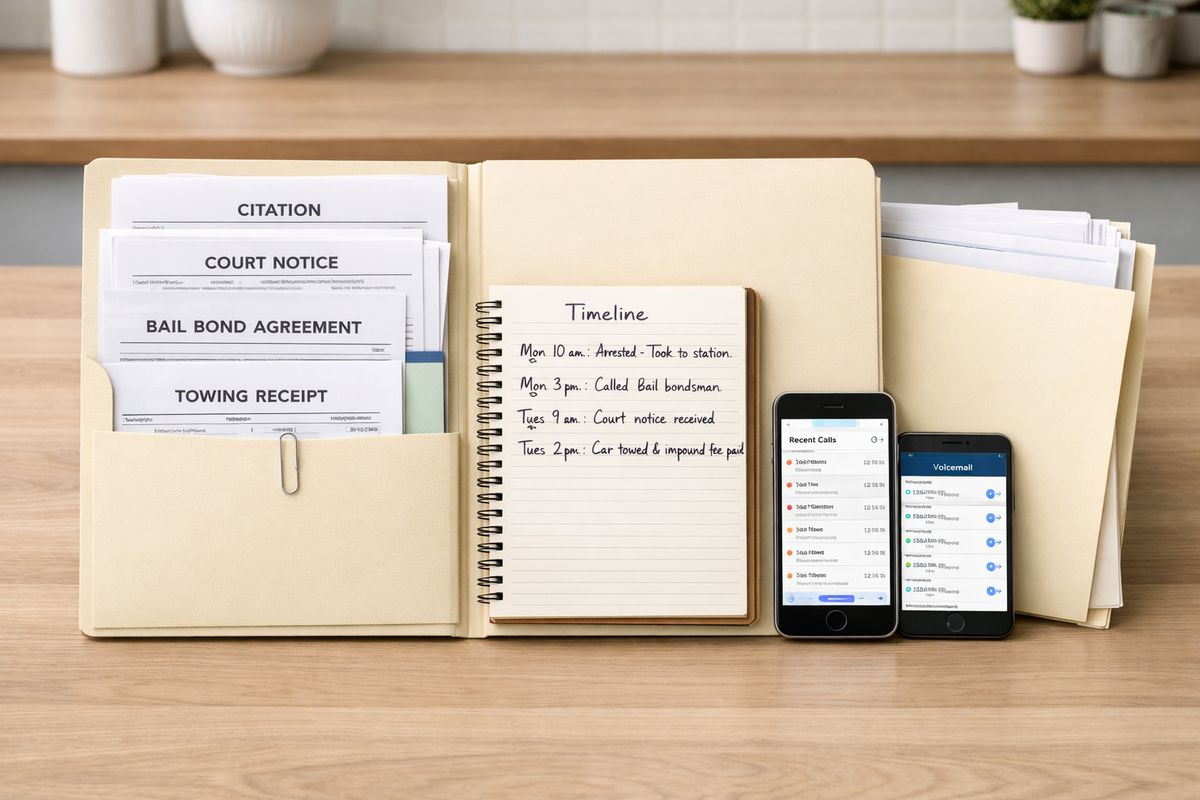
Before doing anything else, pull together every document and detail you already have. That usually means your citation, any notice about your license, bond or bail paperwork, court date information, tow or impound details, and a place to track deadlines.
Use one folder, one envelope, or one notes app. It does not need to be fancy. It just needs to keep everything in one spot so you are not digging through pockets, voicemail, and old texts later.
Step 1: Slow down and gather every document from the arrest
Start with the basics from the stop, arrest, release, and vehicle tow. That first pass matters more than people realize, because missing one paper can create a totally avoidable problem a week later.
- Put every paper from that night in one place.
- Save every text, email, or voicemail related to release, towing, or court.
- Take photos of the paperwork in case something gets lost.
- Write down the arresting agency and the county where the case was filed.
If some of the language on the paperwork is unfamiliar, that is normal. Wisconsin often uses OWI instead of DUI, so it helps to understand why the state uses a different label for the same kind of charge.
Make a simple timeline of what happened
Memories get fuzzy fast after a stressful arrest. Write out the timeline while details are still fresh.
- Note when the stop happened.
- Write down where you were stopped.
- Record what the officer said at the start.
- Include whether you were asked to do roadside tests or chemical testing.
- Add what happened at the station, jail, or booking area.
Keep it plain and factual. If you remember standing at the Milwaukee County Jail intake desk at 2 a.m., write exactly that. Concrete details help anchor everything else.
Save names, locations, and receipts
A lot of small details become useful later, especially when paperwork is incomplete.
- Save the name of the police department or sheriff’s office.
- Keep the tow yard name, address, and phone number.
- Save any bail or bond receipt.
- Keep rideshare, taxi, or hotel receipts from that night.
- Write down the booking location and release time.
Those details can help tie together timing, transportation, and costs, and they can help your lawyer get a cleaner picture of what happened.
Step 2: Read the notice about your license and act fast
Your driver’s license issue can move on a different track from your court case. That catches people off guard all the time.
Read every line of your license-related paperwork the same day you get home, or as soon as you are able. Waiting is a mistake. Some deadlines are short, and missing one can limit your options before you ever set foot in court.
Check for suspension, revocation, or an administrative deadline
Look for language saying your license will be suspended or revoked, and mark the effective date immediately. Administrative means the license process handled through the state, separate from the criminal case in court.
- Find the exact date listed on the notice.
- Check whether a hearing request or response deadline applies.
- Write that deadline in your phone and on paper.
- Do not assume your court date covers your license issue.
Questions about license consequences often overlap with bigger case issues, especially if this is not your first arrest. If prior convictions are part of the picture, it helps to understand how earlier OWI cases can stack up in Wisconsin.
Confirm what applies in Wisconsin
Wisconsin rules and local procedures matter. Read the instructions on your own paperwork carefully, then review them with a lawyer as soon as possible.
- Check the county listed on the citation.
- Match that county to the court information on your documents.
- Review any state notice tied to your operating privileges.
- Flag anything you do not understand for your lawyer.
Do not guess. License trouble gets worse when people assume they are fine to drive and turn out to be wrong.
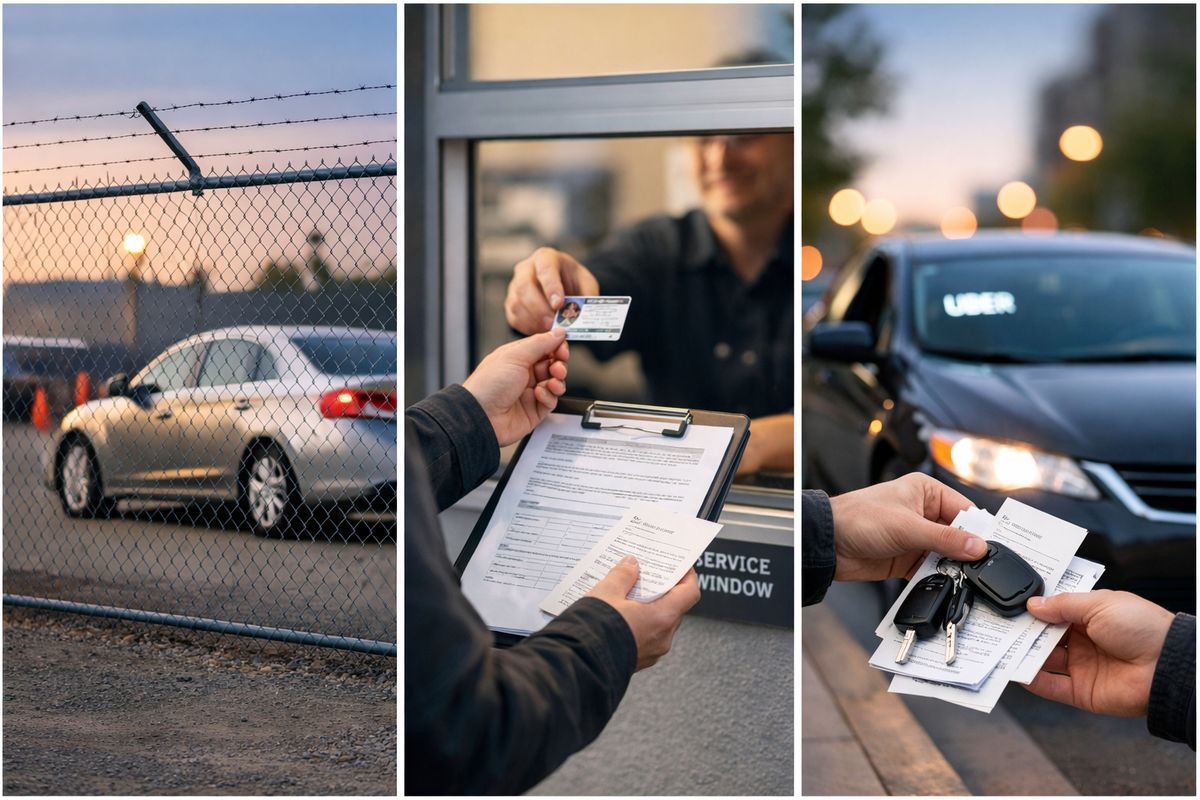
Step 3: Get your vehicle back and handle immediate logistics
After the paperwork, handle the real-world mess. Your car, your ride to work, your child care schedule, your next few days. That part matters too.
Ignoring the practical side lets fees pile up and daily life unravel. Fixing it early gives you breathing room.
Contact the tow lot or impound yard
Storage fees can pile up like a parking meter left running all weekend. Call fast.
- Find out exactly where the car is.
- Ask what ID or paperwork you need to pick it up.
- Confirm hours before you go.
- Ask for the total amount due, including storage.
- Check whether someone else can retrieve it if you cannot.
Write down the name of the person you spoke with and the time of the call. If there is a dispute later, that note can help.
Sort out transportation if you cannot drive
Do not wait until the next morning to figure this out.
- Line up rides for work, school, treatment, or court.
- Check public transit routes if that is an option.
- Ask a trusted person to be your backup driver.
- Update your calendar with every ride-related need for the next two weeks.
A temporary transportation plan keeps one bad night from turning into missed work and more stress.
Step 4: Write down what happened before you forget
This is one of the most useful things you can do for your defense. Sit down privately and write out the stop from beginning to end.
Do not polish it. Just get it down while it is fresh.
- Start with where you were before driving.
- Describe the stop in order.
- Include the officer’s instructions and your responses.
- Note the testing, booking, release, and ride home.
Details that seem small now can matter later when someone reviews whether the stop or arrest was handled properly. In some cases, the issue starts even earlier, with whether police had a lawful basis to pull you over at all.
Include what you ate, drank, and when
Timing matters here, so be specific.
- List what you drank and the approximate times.
- Write down what you ate and when.
- Include medications, sleep, and any health issues that day.
- Add where you had been before driving.
These details often come up when looking at test results and officer observations.
Note anything unusual during the stop or testing
Field sobriety tests are the roadside balance and coordination tests used during a DUI investigation. Conditions matter more than most people think.
- Record weather, lighting, and road conditions.
- Note injuries, pain, or medical conditions.
- Include footwear, like boots or heels.
- Write down confusing instructions or interruptions.
- Mention traffic noise, flashing lights, or uneven pavement.
If your balance test happened on gravel in bad lighting, that belongs in your notes.
Step 5: Talk to a Wisconsin DUI lawyer as soon as possible
This is the step that can change the direction of your case the most. Early legal advice helps you deal with deadlines, license problems, court expectations, and mistakes to avoid.
Do not wait until the first hearing to start looking. Cases get harder to manage when the first move is already late.
Bring the right information to the first call or meeting
Make that first conversation useful.
- Bring your citation and license paperwork.
- Have your timeline ready.
- Gather tow, bond, and release records.
- Be ready to discuss any prior record honestly.
- Write down your questions in advance.
If you are trying to compare attorneys, start with what actually matters when choosing defense counsel in Wisconsin.
Ask about both the court case and the license case
Ask directly about the two tracks: the court case and the license-related process. They are connected, but they are not the same thing.
- Ask what deadlines apply to your license.
- Ask what the first court appearance is for.
- Ask what conditions you need to follow right now.
- Ask what documents or records should be preserved.
If you are still sorting out the broader picture, it also helps to review how a criminal case usually unfolds after an arrest in Wisconsin.
Step 6: Show up for court and follow every release condition
Once you are out, the case is still moving. Court dates, bond terms, and release conditions are not suggestions.
Missing a requirement can make a bad situation much worse, fast.
Confirm your court date, courtroom, and county
Small mix-ups cause big problems here.
- Check the date and time on your paperwork.
- Confirm the courthouse and county.
- Put reminders in your phone for one week before and one day before.
- Plan your route and parking in advance.
If you are unsure how long the full process may take, this breakdown of the usual case timeline in Wisconsin can help set expectations.
Follow no-driving, alcohol, or testing rules if ordered
If release conditions limit driving, drinking, or require testing, follow them exactly.
- Read every condition line by line.
- Do not drive unless you know you are legally allowed to.
- Do not assume informal permission from anyone changes a written order.
- Keep proof if you complete any required testing or check-ins.
The trick is simple: do not create a second problem while trying to fix the first one.
Step 7: Be careful about what you say and where you say it
After an arrest, people want to explain themselves. That urge is understandable, but it can backfire badly.
Treat texts, direct messages, emails, and casual conversations like they could end up in front of a judge someday.
Do not post about the arrest on social media
Even a quick late-night post can become evidence.
- Do not joke about it online.
- Do not post excuses or angry reactions.
- Do not comment on police, witnesses, or testing.
- Do not let friends tag you in discussions about the arrest.
Silence is usually the smartest move here.
Avoid discussing details with anyone except your lawyer
Keep your facts tight and private.
- Do not try to talk your way out of it with police.
- Do not give detailed explanations to insurance adjusters without legal guidance.
- Do not rehearse your defense with coworkers, neighbors, or strangers.
- Share case details only with your lawyer.
Step 8: Start handling the requirements that may come next
Some DUI cases involve follow-up steps quickly, especially around assessments, classes, and driving privileges. Getting ahead of those items can save time and stress.
Your lawyer can tell you what makes sense in your specific case.
Learn what an alcohol assessment or evaluation is
An alcohol assessment is a screening or review tied to alcohol use and driving. It is often used to decide whether education, treatment, or follow-up steps are required.
- Ask when it becomes necessary in your case.
- Find out who is approved to perform it.
- Complete it honestly and carefully.
- Keep proof of completion.
This is paperwork-heavy, but manageable if you stay organized.
Ask whether an occupational license applies
An occupational license is a limited license that can allow driving for approved reasons, such as work, school, or certain household needs.
- Ask if you qualify.
- Find out what paperwork is needed.
- Check what driving limits would apply.
- Keep copies of every application or approval.
If testing issues are part of your case, review what happens when a driver refuses a chemical test in Wisconsin, because that can affect the road ahead.
Step 9: Prepare for costs, paperwork, and the weeks ahead
Money stress after an arrest is real. So is paperwork fatigue. A basic system helps more than people expect.
Think of this step like setting up a landing spot for everything that is about to come in.
List the likely expenses
Write out the costs now, even if some numbers are estimates.
- Towing and storage fees
- Bond or bail
- Court costs
- Lawyer fees
- Assessments or classes
- Insurance increases
The point is not to scare you. It is to stop surprises from piling on top of everything else.
Keep a folder for every update
You want one place for every letter, receipt, and notice.
- Save court notices immediately.
- Keep proof of attendance for any class or assessment.
- Store payment receipts.
- Save copies of anything filed or submitted.
- Back up digital copies on your phone or email.
When somebody asks for a document, finding it in two minutes feels a lot better than digging through kitchen drawers.
Troubleshooting common problems after a DUI arrest
Even when you try to stay organized, things go sideways. Here are the problems that show up most often, and the fastest way to deal with them.
You lost the paperwork
Start rebuilding the file right away.
- Check county court records online if available.
- Call the clerk of court for case information.
- Contact the tow lot for vehicle details and receipts.
- Review release paperwork or jail discharge papers.
- Save replacement documents in your main folder.
Lost paperwork is fixable. Delay is the real problem.
You are not sure if your license is valid
Do not drive until you verify your status. Guessing is a bad idea.
- Read your notice again carefully.
- Check any listed suspension or revocation date.
- Contact the appropriate state office or speak with your lawyer.
- Confirm whether any limited driving privilege applies.
If you are not sure what charge you are even facing, it helps to read a plain-English explanation of what an OWI charge means in Wisconsin.
You already missed a deadline or court date
Act fast. Panic wastes time.
- Call a lawyer immediately.
- Find out exactly what was missed.
- Ask what needs to be filed, requested, or rescheduled.
- Follow instructions the same day if possible.
Quick action matters much more than embarrassment.
What to expect next after you take these steps
After the first few days, the case usually shifts into hearings, license issues, possible assessments, and regular communication with your lawyer. That stretch feels less chaotic once your papers are in order and your deadlines are tracked.
Gather your documents and make the first call today. Nathan Dineen has built a reputation on proven results, dedicated client service, and aggressive DUI and criminal defense representation. Nationally recognized and trusted by clients throughout Wisconsin, Nate has been named among the Top 100 Trial Lawyers, holds a 10.0 Superb Avvo Rating, and has earned Super Lawyers recognition 11 times, including a 2026 Super Lawyers designation. If you are looking for an experienced attorney in Wisconsin, contact Nate today to discuss your case and receive personalized guidance from one of the state’s most respected criminal defense lawyers.
Frequently Asked Questions
How soon should you call a lawyer after a DUI arrest in Wisconsin?
As soon as possible. Early advice can help you catch license deadlines, protect useful evidence, and avoid saying or doing something that hurts your case.
Can you drive after a DUI arrest in Wisconsin?
Maybe, but never assume. Check your paperwork for any suspension, revocation, or restriction, and verify your status before driving again.
What papers should you keep after a DUI arrest?
Keep your citation, bond paperwork, license notices, tow and impound receipts, court notices, assessment records, and any proof of payments or class attendance.
Should you tell your insurance company about the arrest right away?
Do not guess your way through that conversation. Before giving detailed statements, talk with your lawyer so you understand what needs to be reported and what should be handled carefully.
What if this is not your first DUI-related arrest?
The stakes can rise quickly with prior cases, especially around penalties and license issues. Get legal advice right away so you know how earlier convictions may affect the current case.
What is the biggest mistake to avoid after a DUI arrest?
Waiting. Waiting to read your paperwork, waiting to check your license status, waiting to call a lawyer, or waiting to get organized can cost you options you may not get back.

About Nate Dineen
Wisconsin legal insights from the DUI Defense WI team.