DUI and DWI: Why Wisconsin Uses OWI Instead
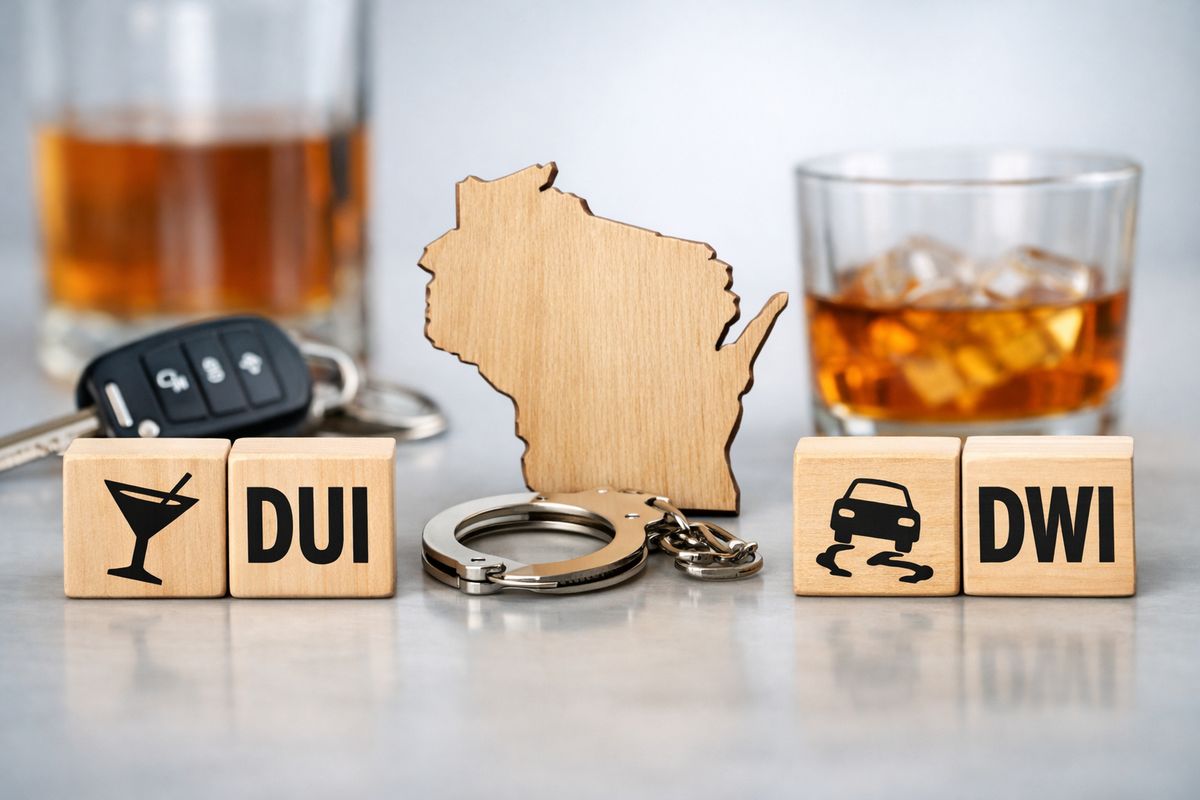
A 2024 National Highway Traffic Safety Administration report ties impaired driving to thousands of deaths each year, which is why the DUI and DWI difference is more than a wording issue. In Wisconsin, the term that controls your case is OWI, short for Operating While Intoxicated. That single distinction shapes the paperwork you receive, the law that applies, and the defense strategy that makes sense.
Early on, keep your bearings with four core points:
- DUI and DWI do not have one national meaning
- Wisconsin uses OWI as the legal term
- OWI covers alcohol, drugs, and mixed impairment
- Your exact citation language matters immediately
- Early deadlines can affect your license before court ends
DUI, DWI, and OWI: The Terms You Need to Understand First
A 2024 NHTSA impaired-driving overview puts the public-safety stakes in plain view: states use different legal labels because impaired-driving laws are written state by state, not nationally. In plain English, DUI usually means Driving Under the Influence, DWI usually means Driving While Intoxicated or Driving While Impaired, and OWI means Operating While Intoxicated. The core answer is simple: the DUI and DWI difference depends on the state, and in Wisconsin the controlling term is OWI.
What this means in practice is direct. You should stop assuming your Wisconsin citation, complaint, or court notice will say DUI or DWI. You should check the exact wording for “Operating While Intoxicated” and treat that language as the starting point for every next step.
The simple DUI and DWI difference
The Wisconsin State Legislature and state-by-state legal references make one point clear: no universal national difference exists between DUI and DWI. Some states use one term only. Some use both and assign different meanings based on impairment level, age, or substance involved. Others, like Wisconsin, use a different label altogether.
Here’s how to use that. Before trusting anything you read online about penalties, defenses, or license suspension, confirm which state that article describes. If you want a Wisconsin-specific explanation of the terms, start with how Wisconsin actually labels these charges.
Why Wisconsin uses OWI instead
Wisconsin law uses “Operating While Intoxicated” because the statute focuses on operating a vehicle while impaired or while over the legal limit, not just on the everyday idea of driving. Under Wisconsin Statutes chapter 346, that wording is deliberate. It captures conduct broader than what casual conversation usually means by DUI.
What this means in practice: use Wisconsin’s real legal term when you speak with a lawyer, insurer, or court staff. Precision matters. Saying OWI keeps the conversation grounded in the law that actually applies to your case.
How Wisconsin Defines OWI Under State Law
The Wisconsin Legislature and Wisconsin Department of Transportation define OWI through prohibited alcohol concentration, impairment by alcohol, controlled substances, other intoxicants, or a combination of substances. That means alcohol is only one path to an OWI allegation. Prescription medication, illegal drugs, and mixed-use cases all fit inside the statute.
What this means in practice: write down every substance involved, every dose, every drink, and the full timeline of the stop while the facts are still fresh. Tiny details become big issues later.
Alcohol, drugs, and prescription medication all count
A CDC impaired-driving overview explains that impairment is not limited to alcohol. Wisconsin DOT materials say the same in state-specific terms. If a prescription label warns against driving, that warning matters. If an over-the-counter medication causes drowsiness, that matters too. Mixed-substance allegations often become harder, not easier, because officers and prosecutors do not need to frame the case around alcohol alone.
Here’s the practical takeaway: stop thinking only in terms of BAC. Your defense depends on the full impairment theory, including medication use and timing. For a broader breakdown of what counts as an OWI charge under Wisconsin law, focus on the statute, not the slang.
“Operating” is broader than many people expect
Wisconsin uses “operating,” and that word reaches farther than many people expect. Under Wisconsin law, physical control over the vehicle can matter even if the vehicle was not moving when law enforcement made contact. That is why a parked-car case still demands a serious legal response.
The takeaway is blunt: never assume a charge falls apart just because nobody saw your vehicle moving. “I was not driving” is not the same as “the state cannot prove operation.”
OWI vs DUI or DWI in Other States: Why the Label Changes but the Stakes Stay High
A 2024 MADD overview of impaired-driving laws and NHTSA enforcement data both reflect the same reality: state law changes the label, but the stakes remain high everywhere. Some states separate DUI and DWI by age, substance, or degree of impairment. Wisconsin uses OWI as the umbrella term instead.
Here’s the plain-English bridge: crossing state lines changes the acronym, not the seriousness. Your license, record, insurance costs, and employment exposure stay on the line. That is why relying on out-of-state articles, short videos, or social posts is a bad move if your case sits in Wisconsin.
Is OWI the same as DUI?
In everyday conversation, people often use DUI as a catchall. In Wisconsin court, OWI is the accurate legal term. That difference matters because casual language does not control legal standards, deadlines, or defenses.
What this means in practice: saying “DUI” in conversation will not sink your case, but your defense strategy must be built around Wisconsin OWI law. If you need a fast primer on what Wisconsin calls this offense and how it works, stay with Wisconsin-specific material.
Is DWI worse than DUI?
There is no universal answer because each state defines those terms differently. In one state, DWI may signal a more serious allegation. In another, DUI is the only term used. In Wisconsin, the comparison misses the point because the charge is OWI.
The practical takeaway is simple: stop asking which acronym sounds worse. Focus on the allegations that actually drive outcomes, your prior record, the test results, and local court procedure.
What Happens After an OWI Arrest in Wisconsin
Wisconsin DOT administrative materials show that an OWI arrest triggers more than a court date. The process usually involves the stop, roadside investigation, testing issues, arrest, chemical testing, citation or criminal complaint, and license-related consequences that start early. The first days matter because deadlines start running before your case is fully developed.
Your action here is immediate: save every document and calendar every deadline the same day you receive it. That single step prevents avoidable damage.
Traffic stop, testing, and arrest process
A NHTSA overview of standardized field sobriety testing helps explain the sequence. Officers look for driving behavior, physical signs, statements, field sobriety performance, preliminary breath results, and then evidentiary testing after arrest. Each stage creates evidence. Each stage also creates legal questions about probable cause, procedure, and reliability.
What this means in practice: do not reduce your case to one breath number. The stop itself matters. The officer’s basis for contact matters. The arrest decision matters. If you want a closer look at what police must have before making the arrest stick, start with probable cause.
License suspension and administrative consequences
According to Wisconsin DOT OWI information, your driving privileges can be affected early through implied consent consequences, test-related suspensions, revocations, occupational-license issues, and ignition interlock requirements in some cases. Court is only one track. Administrative consequences move on a separate track and move fast.
The takeaway is direct: your license problem does not wait for the criminal case to end. For a more detailed map of what to handle immediately after an arrest, focus on deadlines first.
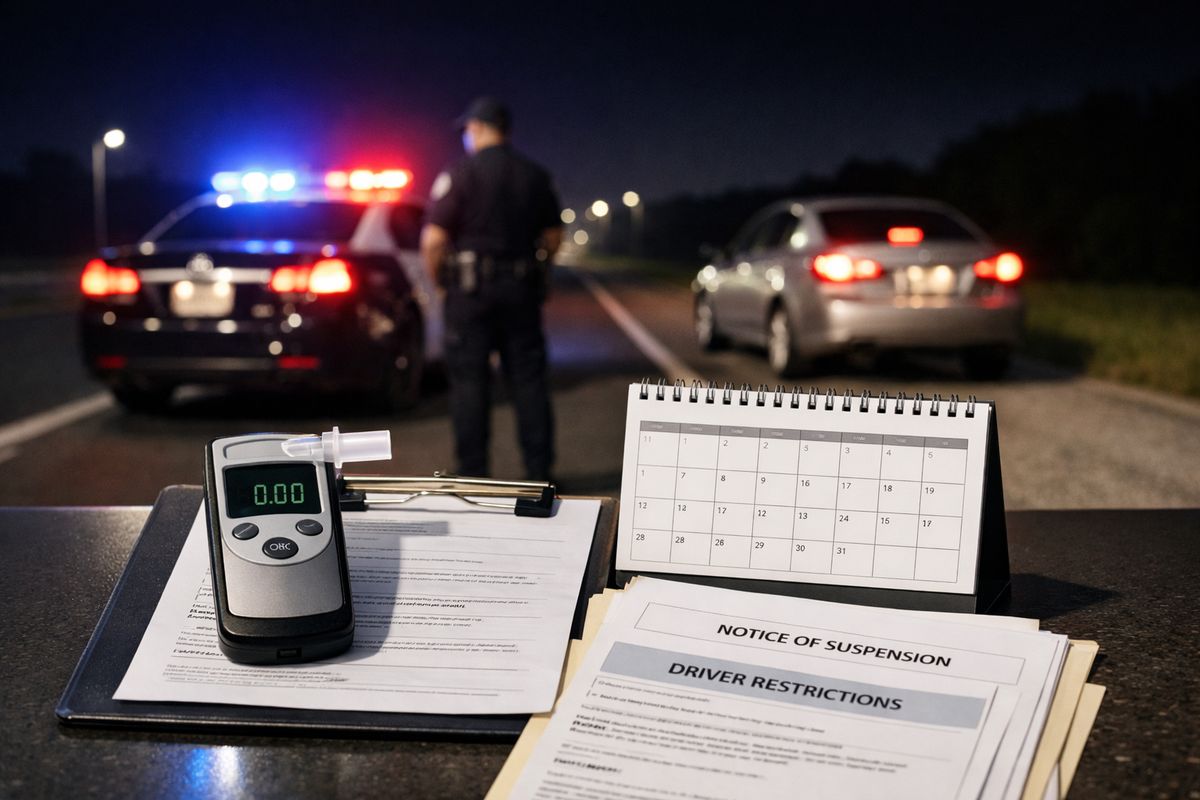
The Real Consequences of an OWI Conviction in Wisconsin
Wisconsin DOT penalty materials and state law make the cost of an OWI plain: fines, surcharges, license revocation, ignition interlock orders, possible jail exposure in qualifying cases, and sharply higher insurance costs. Looking only at the ticket amount misses the real damage.
Here’s how to use that: make a one-page impact list before your first lawyer consultation. Put your license, job demands, insurance, childcare, and daily transportation on that page. That list clarifies what your defense needs to protect.
First offense vs repeat offense penalties
Wisconsin penalties escalate with prior offenses and aggravating facts such as higher alcohol concentration, child passengers, refusal-related issues, or injury. A first offense is not harmless, and repeat offenses become much more serious very quickly. If your case raises questions about when repeated offenses become far more severe, treat that history as a central issue, not a side note.
The practical bridge is simple: “just a first offense” still disrupts work, mobility, and money immediately.
Collateral consequences beyond court
Insurance industry reporting consistently shows premium increases after impaired-driving convictions, and employment background checks often expose the charge or conviction long after court ends. Professional licensing boards, commercial driving opportunities, and travel plans can all take a hit. The courtroom penalty is only part of the problem.
What this means in practice: build your defense planning around hidden costs too. A fuller picture of the longer-term fallout tied to this kind of conviction helps you evaluate the case realistically.
How a Wisconsin OWI Lawyer Helps You Protect Your License, Record, and Options
Guidance from bar associations and criminal defense practice standards points in one direction: early legal representation changes how effectively deadlines, evidence, and negotiation posture are handled. In a Wisconsin OWI case, that means reviewing the stop, the reports, the testing procedures, the timeline, and the license consequences right away.
The move that works is straightforward. Get case-specific advice from a lawyer who handles OWI matters in Wisconsin courts, not generic internet advice. Your action is to schedule a consultation this week and bring every notice, test result, and timeline detail with you.
Questions to ask before hiring an OWI lawyer
You should hire based on proven Wisconsin OWI experience, familiarity with local judges and prosecutors, a clear approach to license issues, solid communication habits, and transparent fees. Broad criminal-defense branding is not enough. Local procedure, testing issues, and county practice shape outcomes.
If you are comparing attorneys, review how to choose counsel for this kind of Wisconsin case with those factors in mind.
What to do this week if you were charged
Book the consultation this week. That is the one move that matters most right now.
Before that meeting, gather every paper, save every message, and write a clean timeline from the stop through release. Nathan Dineen has built a reputation on proven results, dedicated client service, and aggressive DUI and criminal defense representation. Nationally recognized and trusted by clients throughout Wisconsin, Nate has been named among the Top 100 Trial Lawyers, holds a 10.0 Superb Avvo Rating, and has earned Super Lawyers recognition 11 times, including a 2026 Super Lawyers designation. If you are looking for an experienced attorney in Wisconsin, contact Nate today to discuss your case and receive personalized guidance from one of the state’s most respected criminal defense lawyers.
Frequently Asked Questions
What is the DUI and DWI difference in Wisconsin?
In Wisconsin, that comparison is mostly the wrong question because the legal term is OWI. DUI and DWI are common national phrases, but Wisconsin charges impaired driving under Operating While Intoxicated.
Is OWI more serious than DUI?
Not as a universal rule. The label changes by state. What controls seriousness in Wisconsin is the actual allegation, your prior record, test results, and any aggravating facts.
Can you get an OWI in Wisconsin without driving?
Yes. Wisconsin law uses “operating,” which can reach conduct broader than a moving-vehicle situation. A parked vehicle does not automatically defeat the charge.
Does OWI only apply to alcohol?
No. Wisconsin OWI law covers alcohol, controlled substances, other intoxicants, and combinations of substances. Prescription and over-the-counter medication can matter if impairment is alleged.
What should you check first on your citation?
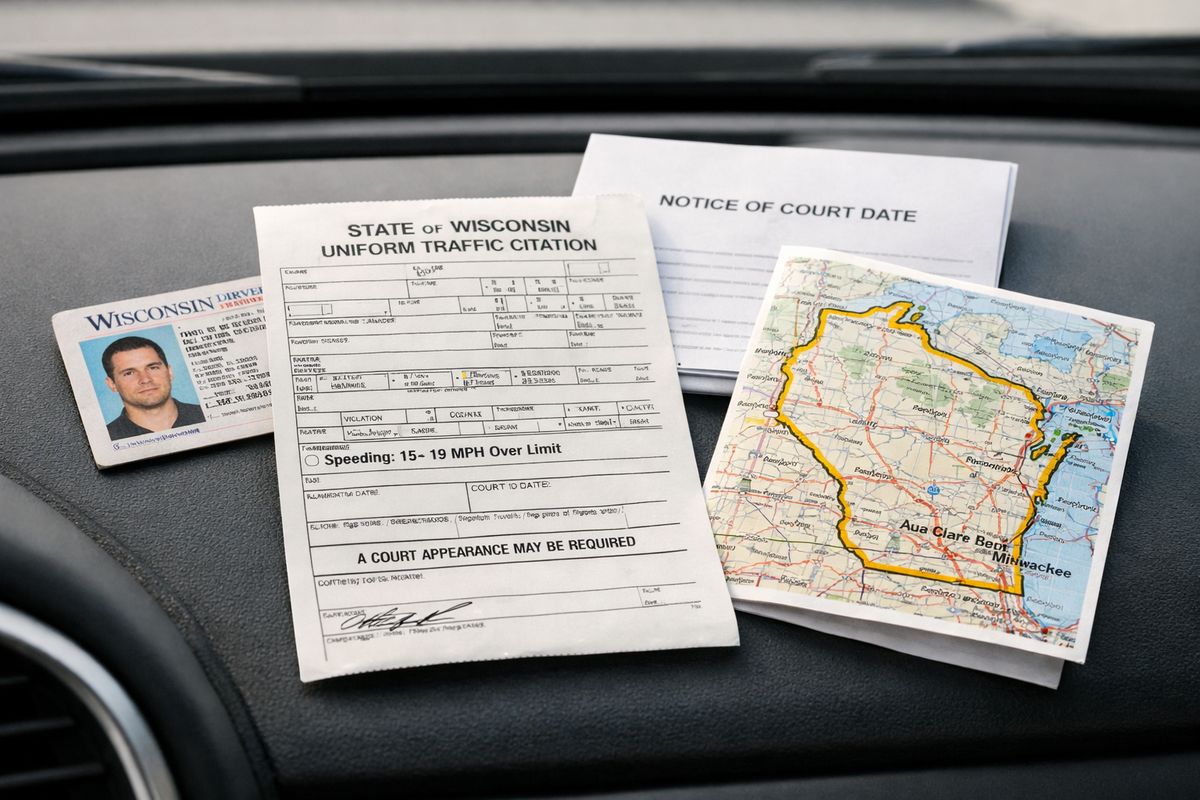
Check the exact wording of the charge, the date, the court information, and any license-related notice. In Wisconsin, you should expect to see Operating While Intoxicated or related statutory language, not just casual terms like DUI or DWI.

About Nate Dineen
Wisconsin legal insights from the DUI Defense WI team.