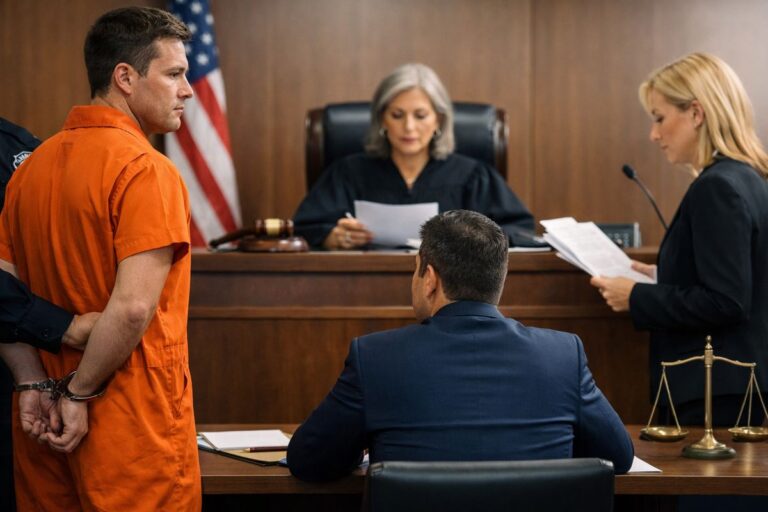
Wisconsin Reckless Driving: What the Charge Means
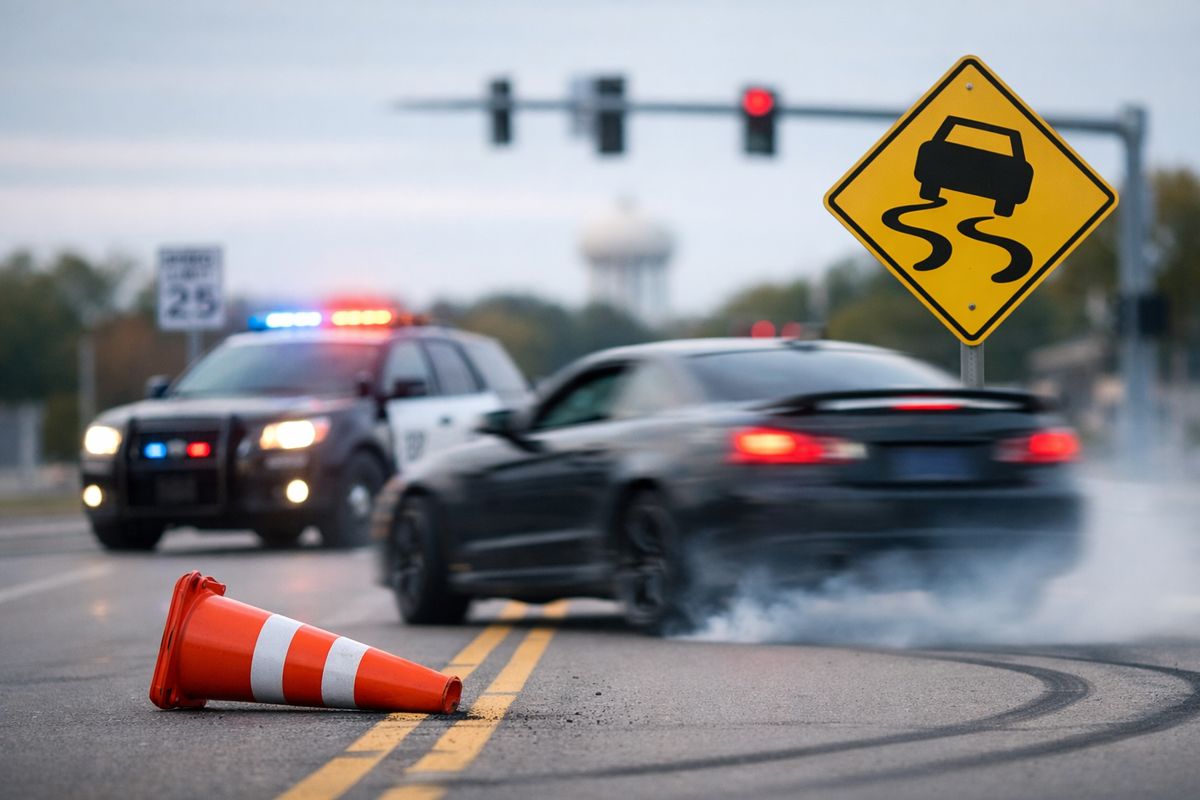
Wisconsin reckless driving is a charge based on dangerous driving that endangers the safety of a person or property, and it carries far more weight than an ordinary traffic ticket. In practice, the charge can affect fines, license status, insurance cost, employment screening, and, in more serious cases, criminal exposure. Based on analysis of how these cases are charged across Wisconsin, the issue is rarely one isolated driving act alone, but the overall level of danger the conduct created.
What Wisconsin Reckless Driving Means
A Wisconsin reckless driving allegation generally means the state believes a driver operated a vehicle in a way that endangered safety. That definition matters because it places the case in a different category from routine moving violations such as ordinary speeding or equipment issues. The legal and practical consequences rise quickly once law enforcement characterizes the conduct as reckless rather than merely careless.
The charge often appears after conduct that police describe as highly unsafe, such as extreme speed in dense traffic, weaving through lanes, aggressive passing, or driving behavior tied to intoxication or fleeing. Even when no crash occurs, the state may still pursue reckless driving if the facts suggest a real risk to people or property. That is the key point. A near miss can be enough if the surrounding facts support endangerment.
For many drivers, the immediate mistake is treating the citation like a minor ticket that can simply be paid and forgotten. Based on observed practice, that approach can increase long-term cost. A conviction may affect the driving record, insurance premiums, and the way later traffic or criminal matters are evaluated.
The Wisconsin Law Behind the Charge
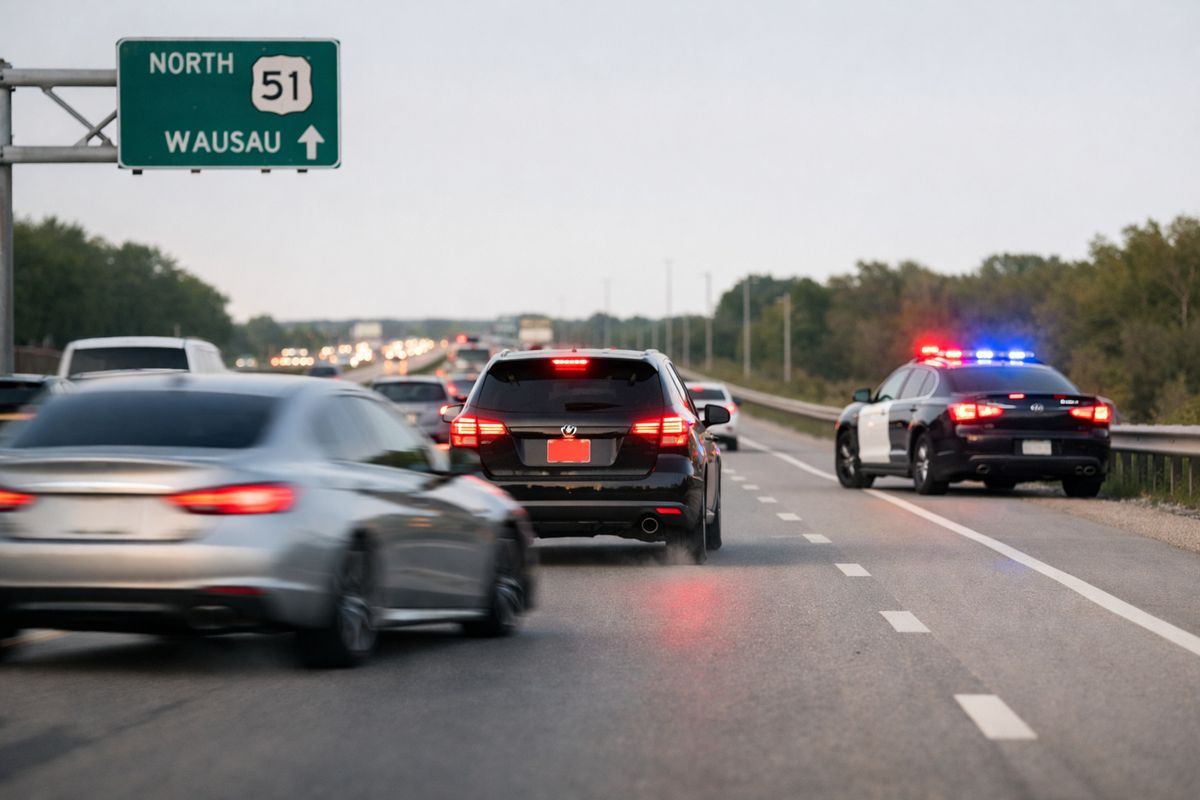
Wisconsin law addresses reckless driving in Wis. Stat. § 346.62. The statute states that no person may endanger the safety of any person or property by the negligent operation of a vehicle. That language is shorter than many people expect, but it carries broad reach because it focuses on the danger created by the driving conduct.
The legal question is not limited to whether the driver exceeded the speed limit. Speed may matter, sometimes a great deal, but the state still looks at the surrounding circumstances. Prosecutors typically attempt to show that the driver operated a vehicle and that the manner of operation endangered safety. The case therefore turns on conduct and context, not assumptions.
The Core Legal Standard
The first element is operation of a vehicle. In most cases, that part is not disputed. If the person was driving, the state can usually establish operation through the officer’s observations, admissions, video footage, or witness testimony.
The second element is where most contested issues arise. The prosecution must show conduct that endangered the safety of a person or property. That can involve actual traffic around the vehicle, nearby pedestrians, roadside conditions, parked cars, weather, visibility, or roadway design. A prosecutor does not necessarily need a collision to argue endangerment. The state only needs facts strong enough to persuade the court that the driving created a meaningful safety risk.
How Courts and Law Enforcement Apply the Standard
In actual enforcement, officers rarely evaluate one fact in isolation. They describe the full sequence of driving behavior. A report may combine speed, following distance, lane changes, shoulder use, time of day, road surface, traffic volume, and the reaction of other drivers. That totality approach often drives charging decisions.
For example, 82 miles per hour on an open interstate in clear conditions may be charged differently from the same speed in a residential corridor, school area, or construction zone. The field data shows that reckless driving cases become stronger for the state when the driving forces other motorists to brake, swerve, or take evasive action. Officer testimony about danger to others often becomes central evidence.
When a reckless driving case overlaps with suspected intoxication, the charge may also intersect with issues discussed in how Wisconsin treats OWI allegations. That overlap matters because the same driving facts can support multiple counts.
Three Drivers That Commonly Lead to a Wisconsin Reckless Driving Charge
Based on analysis of competitor coverage and charging patterns, three drivers appear repeatedly in reckless driving cases. They are not separate legal elements, but they are useful categories for understanding why police and prosecutors view certain conduct as charge-worthy.
Excessive Speed Combined With Dangerous Circumstances
Speed alone does not automatically equal reckless driving. The stronger cases involve speed plus conditions that heighten risk. Those conditions include heavy traffic, narrow roads, rain, snow, reduced visibility, school zones, construction zones, and residential neighborhoods where pedestrians or parked vehicles increase the danger.
A driver traveling far above the limit on a rural highway at night may face a reckless driving allegation if wildlife movement, poor lighting, and limited shoulder space make a crash more likely. The same is true in urban settings where shorter reaction times and dense traffic magnify the consequences of any mistake. What the field data shows is simple: prosecutors focus on speed as a danger multiplier, not as a standalone number.
Aggressive or Erratic Maneuvers
Many reckless driving cases involve movement patterns that appear hostile, impulsive, or unpredictable. Common examples include tailgating, cutting across multiple lanes, unsafe passing on the shoulder, racing-type acceleration, abrupt braking in traffic, and running red lights or stop signs. A court may view those acts as evidence that the driver disregarded obvious safety risks.
This category often produces stronger witness evidence because other motorists remember frightening or abrupt behavior. A driver who forces multiple cars to brake during a lane change sequence presents a very different case from a driver stopped for a simple technical violation. In practical terms, aggressive maneuvering gives the state a story to tell, and that story can be persuasive if supported by video or witnesses.
Conduct Linked to Impairment, Distraction, or Flight
Distracted driving, suspected intoxication, and attempts to evade law enforcement frequently increase the likelihood of a reckless driving charge. Cell phone use, inattention to signals, delayed braking, or drifting across lanes may transform a routine stop into a more serious allegation when police conclude that the driver created clear danger.
The same pattern appears in impairment-related cases. If alcohol or drugs are suspected, reckless driving may be charged alongside OWI-related offenses, and the strategic differences become clearer in discussions comparing dangerous driving allegations with intoxicated driving cases. Flight from police raises the stakes further, especially when the driving includes high speed, signal violations, or disregard for other vehicles.
Reckless Driving vs. Careless Driving and Other Wisconsin Traffic Offenses
Confusion between reckless driving and lesser traffic offenses is common. The labels may sound similar, but the legal exposure is not the same. That distinction affects plea strategy, defense analysis, and long-term cost.
How Reckless Driving Differs From Careless Driving
Careless driving generally reflects inattentive or improper driving that falls below the standard expected of a reasonable driver. Reckless driving goes further. It involves conduct that the state claims actually endangered a person or property. That higher danger level usually makes reckless driving the more serious allegation.
The difference may sound technical, but it affects outcomes. A careless driving citation may be treated as a lower-level offense with fewer collateral consequences. A reckless driving conviction, by contrast, can carry greater fines, more severe record impact, and stronger insurance consequences because it signals dangerous operation rather than simple inattention.
When Other Charges May Appear Alongside Reckless Driving
Reckless driving often arrives with additional counts. Common examples include speeding, operating while intoxicated, operating after revocation, hit-and-run, fleeing an officer, and equipment or registration violations tied to the stop. Once multiple counts are filed, the case becomes less about one ticket and more about exposure management.
That is especially true when alcohol allegations are involved. A person facing both dangerous driving and intoxication-related counts may need to evaluate how DUI and reckless driving can be charged together. If the matter includes injury or prior alcohol-related history, the stakes may expand into the territory addressed in cases where impaired driving becomes far more serious.
Penalties for Wisconsin Reckless Driving
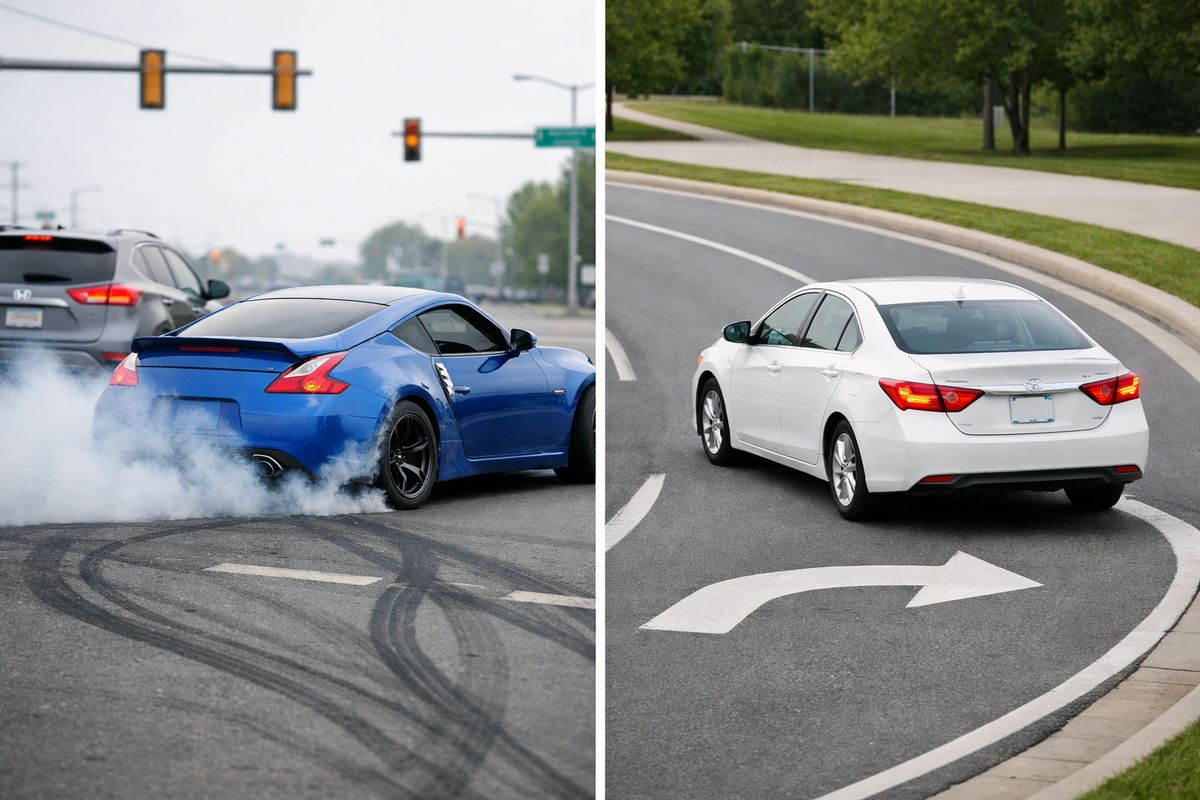
The penalty structure depends on the facts, the charging document, and any aggravating circumstances. Even in a first-offense setting, reckless driving can create substantial financial and practical consequences. The direct fine is only part of the picture.
Base Penalties and Fine Exposure
For a standard reckless driving offense under Wisconsin law, the case is often treated as a traffic forfeiture with a monetary penalty. Under current statutory materials, the forfeiture for a first offense generally falls within a set range, and court costs increase the actual amount paid. The statutory framework can be reviewed in Wis. Stat. § 346.65.
What matters in practice is that the fine rarely reflects the full cost. Insurance pricing, point accumulation, and record impact often outlast the court case itself. For many drivers, those collateral costs exceed the original citation amount within a year or two.
When Penalties Increase
Penalties increase when the facts involve bodily harm, property damage, repeat conduct, or other aggravating features. A crash with injury can move the case from a traffic matter into far more serious territory, including misdemeanor or felony exposure depending on the allegations. Prior driving history may also affect how prosecutors assess settlement and how judges view risk.
County practice matters here. Some jurisdictions treat high-speed reckless driving with unusual severity even when no one is injured. Others place heavier emphasis on whether the incident caused actual harm. Based on observed practice, the recommendation is never to assume the charge will be handled uniformly across Wisconsin.
Driver’s License and Insurance Consequences
Reckless driving can place demerit points on a driver’s record and may contribute to suspension risks if the overall point total becomes high enough within the relevant period. Wisconsin’s demerit point system is outlined by the Wisconsin Department of Transportation. License consequences often become more serious when the driver already has prior violations or separate pending matters.
Insurance impact is often immediate. Carriers may view reckless driving as evidence of elevated future risk, which can lead to premium increases, policy restrictions, or nonrenewal. For commercial drivers and employees who drive for work, the business impact can be just as serious as the court outcome.
How a Wisconsin Reckless Driving Case Typically Proceeds
Most cases move through three practical phases. Understanding that sequence helps explain why early evidence review can materially change the result.
Phase One: Stop, Citation, and Initial Charge
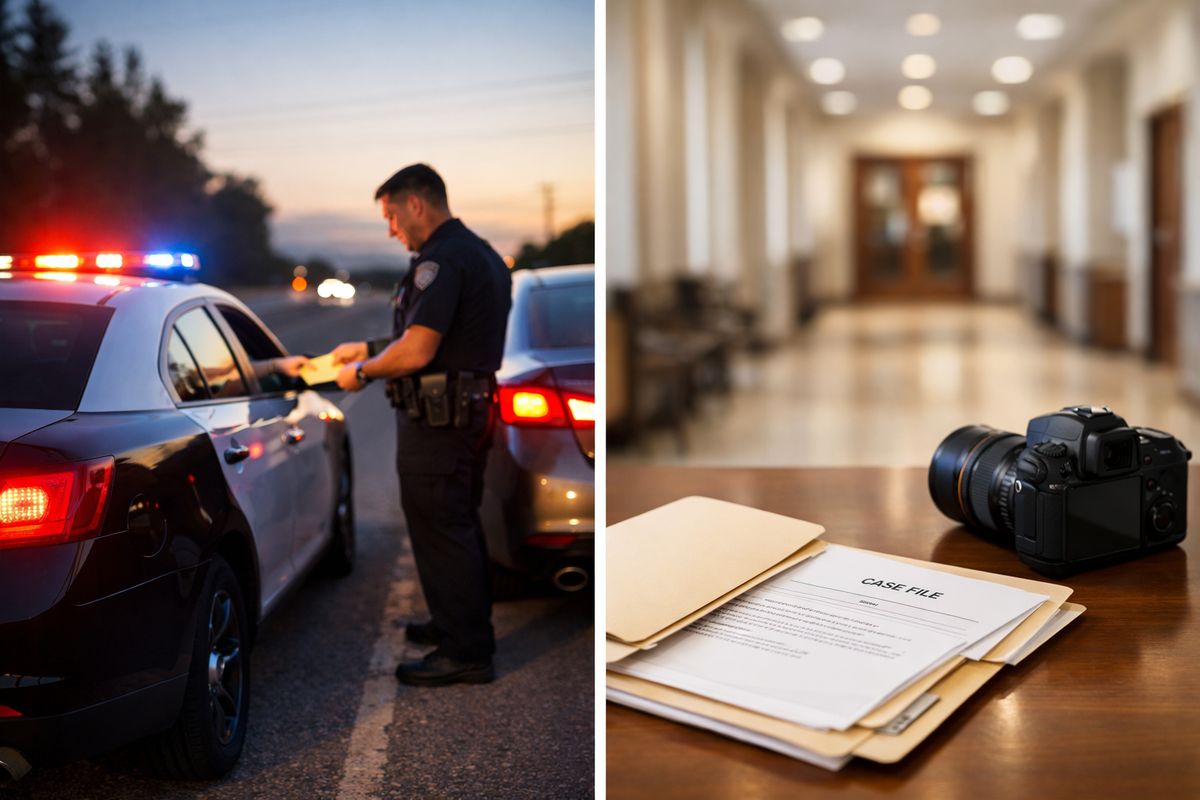
The matter usually begins with a traffic stop, citation, or, in more serious circumstances, an arrest and formal complaint. The paperwork may identify the statute, the factual basis alleged by the officer, the court location, and any required appearance date. Some cases can begin as a citation and later be supplemented by a more detailed complaint if the facts involve injury or multiple offenses.
At this point, small details matter. The description on the ticket may be brief, while the police report contains the fuller narrative. Drivers who have never dealt with the early stages of a Wisconsin criminal or traffic-related case often underestimate how much of the later case is shaped by this initial record.
Phase Two: Court Review and Evidence Assessment
The second phase centers on evidence. Police reports, dashcam footage, bodycam recordings, witness statements, crash diagrams, dispatch logs, and the driver’s record all become relevant. If the officer claimed that other vehicles had to brake or swerve, that assertion may need support in the record.
Evidence review often changes the value of the case. Video may confirm dangerous lane changes, or it may show that traffic was lighter than described. Witnesses may strengthen the state’s theory, or they may conflict with it. Cases built on broad conclusions rather than clear observations can become more negotiable once the evidence is closely examined.
Phase Three: Negotiation, Motion Practice, or Trial
After review, the case generally moves toward one of three paths: negotiated resolution, motion practice, or trial. Some matters resolve through reduction to a lesser offense, especially where the endangerment evidence is weaker than the initial allegation suggested. Others require litigation over the stop, the officer’s observations, or the sufficiency of proof.
If the matter overlaps with impaired driving, counsel may also analyze stop legality and probable cause issues similar to those discussed in challenges to an unlawful traffic stop. The right strategic path depends on evidence strength, record history, and county-level practice.
Four Defense Issues That Often Matter in Wisconsin Reckless Driving Cases
Defense review in reckless driving cases usually turns on four recurring issues. Based on observed practice, these themes drive many meaningful reductions, dismissals, or negotiated outcomes.
Whether the Facts Actually Show Endangerment
The first issue is whether the conduct truly rose to the level required by law. Not every unsafe-looking maneuver legally amounts to reckless driving. The defense may focus on whether there was actual traffic nearby, whether any person or property was meaningfully at risk, and whether the state is overstating what happened.
This is often the dividing line between reckless driving and a lesser traffic citation. If the prosecution cannot show real endangerment, the charge may be vulnerable to reduction.
Whether the Officer’s Observations Are Reliable
Officer testimony can be strong evidence, but it is not beyond challenge. Visibility, lighting, distance, viewing angle, weather, and roadway obstructions all matter. So does the officer’s ability to estimate speed, lane position, or following distance under fast-moving conditions.
Mistaken interpretation is not rare. A lane change that appears abrupt from one vantage point may look different on video. A vehicle thought to be racing may simply have accelerated quickly in response to surrounding traffic.
Whether Video or Witness Evidence Supports the Charge
Video and witness evidence can either validate or undermine the allegation. Dashcam footage may capture spacing, traffic density, and signal use more accurately than memory alone. Third-party witnesses may also reveal inconsistencies in timing, speed, or road conditions.
In some cases, the strongest defense point comes from objective footage rather than legal argument. In others, the recording hurts the defense and supports a negotiated resolution instead. The recommendation is evidence-first analysis, not assumption-first analysis.
Whether a Reduction or Alternative Resolution Is Possible
Not every defensible case ends in dismissal, and not every difficult case ends in conviction on the original charge. Charge reductions may be possible depending on the facts, prior record, local prosecutor practice, and whether any harm occurred. Alternative resolutions can reduce points, lower fine exposure, or limit long-term record damage.
That practical reality matters because legal strategy is not only about winning at trial. It is also about controlling total cost, preserving license stability, and reducing future risk.
When Reckless Driving Leads to Injury or Property Damage
Once injury or significant property damage enters the case, the legal exposure changes immediately. The matter can become both a criminal defense issue and a civil liability problem at the same time.
Cases Involving Bodily Harm
An allegation of bodily harm can elevate penalties and increase the chance of jail exposure or criminal charging beyond a simple traffic forfeiture. The prosecution may treat the case more aggressively, especially if the injury is documented, if a crash report supports causation, or if alcohol is suspected.
Early strategy becomes more important in these cases because statements, insurance communications, and charging decisions can affect one another. A case involving injury is not merely a larger ticket. It is a more complex legal event.
Civil Claims and Financial Exposure
The same incident may trigger insurance claims, subrogation demands, and personal injury litigation. Medical bills, lost wages, vehicle damage, and pain-and-suffering allegations can create long-term financial exposure that greatly exceeds the court penalty.
This is where coordination matters. A legal position that helps in traffic court may create complications in a civil claim if it is not handled carefully. Based on analysis of higher-stakes driving cases, the recommendation is coordinated review of criminal, license, and insurance consequences from the beginning.
What to Look for in a Lawyer Across Wisconsin
Not every defense lawyer handles reckless driving cases with the same depth, and county-level variation matters. Case value often turns on experience with local practice and disciplined evidence analysis rather than broad advertising claims.
Local Court Familiarity and Traffic-Criminal Experience
A lawyer who regularly handles traffic and criminal matters in Wisconsin courts is better positioned to evaluate how a specific county treats reckless driving allegations. Prosecutorial policies, judicial preferences, and local scheduling practices all affect outcomes and time-to-resolution.
That familiarity is especially useful when the case overlaps with OWI, fleeing, or injury allegations. In those situations, counsel needs more than general traffic-ticket experience.
Clear Case Assessment and Penalty Analysis
An effective lawyer should be able to identify the actual level of exposure early. That includes whether the matter is a forfeiture or criminal charge, how many points may be at issue, what collateral consequences are likely, and whether the evidence supports negotiation or litigation.
Clear early analysis saves time and reduces uncertainty. It also gives the driver a more realistic basis for evaluating plea offers, trial risk, and longer-term cost.
Coordination Across Criminal, License, and Insurance Issues
The best case assessment does not stop with the citation itself. Counsel should also consider license status, prior record, possible suspension concerns, insurance implications, and any related civil claims. That wider review is often what separates a narrow ticket defense from a genuine risk-management strategy.
Wisconsin Reckless Driving FAQs
Is reckless driving a criminal offense in Wisconsin?
Sometimes, but not always. Many reckless driving cases are charged as traffic forfeiture matters, while cases involving injury, repeat conduct, or related allegations may create misdemeanor or felony exposure. The charging document determines the legal category, so the ticket or complaint matters.
Can a reckless driving charge be reduced?
Yes, in some cases. Reduction depends on the evidence, the driver’s record, whether endangerment is clearly supported, and local prosecutorial practice. Cases with weaker proof or limited harm may present more room for negotiation.
Will a conviction stay on a driving record?
A reckless driving conviction can affect the driving record and may carry demerit points, which can influence future suspension risk and insurance pricing. The financial consequences often continue well beyond the original court date and fine payment.
Is a court appearance required?
That depends on the county, the citation language, and whether the case is being treated as a forfeiture matter or tied to more serious allegations. Some cases require appearance, while others may allow resolution without a personal court appearance through counsel.
Can reckless driving and OWI be charged together?
Yes. When police believe the driving was dangerous and also suspect intoxication, both allegations may appear in the same case. The legal analysis then expands to include intoxication evidence, stop legality, and the interaction between traffic and criminal penalties.
Recommendation: Early Legal Review Drives Better Outcomes
Based on analysis of how Wisconsin reckless driving cases are charged and resolved, the recommendation is early legal review by a Wisconsin lawyer who can assess statutory exposure, evidence strength, license consequences, and opportunities to reduce long-term cost. Delay tends to narrow options. Early case analysis improves the chance of identifying weak endangerment proof, preserving favorable evidence, and limiting the financial impact that often extends far beyond the initial fine.
Nathan Dineen has built a reputation on proven results, dedicated client service, and aggressive DUI and criminal defense representation. Nationally recognized and trusted by clients throughout Wisconsin, Nate has been named among the Top 100 Trial Lawyers, holds a 10.0 Superb Avvo Rating, and has earned Super Lawyers recognition 11 times, including a 2026 Super Lawyers designation. Those seeking experienced representation in Wisconsin should contact Nate to discuss the case and receive personalized guidance from one of the state’s most respected criminal defense lawyers.

About Nate Dineen
Wisconsin legal insights from the DUI Defense WI team.