Repeat DUI in Wisconsin: How Prior Convictions Stack Up

Rain hissed across I-94 outside Madison as Ethan Keller eased onto the shoulder and killed the engine. Red and blue light flashed across the wet guardrail, the smell of soaked asphalt rising through a cracked window, and one fact sat heavier than the patrol car behind him: in a repeat DUI Wisconsin case, the past does not stay buried. In Wisconsin, earlier OWI history stacks behind a new arrest and changes the charge, the penalties, and the speed at which the case turns serious.
Act I: Blue Lights on I-94 , What a Repeat DUI Means in Wisconsin
A repeat DUI in Wisconsin means a person faces a new impaired-driving allegation after one or more earlier qualifying incidents. Wisconsin calls the offense OWI, short for Operating While Intoxicated, but many people search for DUI because that term is more familiar. The label matters less than the structure beneath it: prior convictions and certain prior revocations are what drive the system.
That is the engine of a repeat OWI case. A new arrest is never judged in isolation. Prosecutors pull the driving record, court files surface under fluorescent light, and old dates stamped in another county, or another state, begin to control what happens next. A first offense in Wisconsin often stays a civil forfeiture matter. A second qualifying offense can turn the next case into a criminal prosecution with mandatory jail, revocation, and expensive supervision conditions.
OWI vs. DUI in Wisconsin
Wisconsin law uses OWI, not DUI. The state criminal and traffic code, court records, and Department of Transportation materials all use Operating While Intoxicated. Still, the phrase repeat DUI Wisconsin appears constantly in online searches, so the terms overlap in everyday conversation.
The difference is mostly vocabulary. The legal framework remains Wisconsin’s OWI system, including prohibited alcohol concentration charges, implied consent rules, and sentence enhancements based on prior record. A broader explanation of how Wisconsin labels impaired driving offenses helps frame why so many drivers say DUI while the court says OWI.
What Counts as a Prior Conviction
A qualifying prior usually includes an earlier OWI conviction, a comparable impaired-driving conviction from another jurisdiction, and certain alcohol-related license revocations that Wisconsin law treats as countable events. Those prior incidents are not background noise. They are the mechanism that increases punishment.
That point changes everything in practice. If the state proves a valid prior, the new case climbs the penalty ladder. If the state proves several, the charge can move from misdemeanor territory into felony exposure. In repeat cases, the old record is often as important as the new traffic stop itself.

Act II: How Prior Convictions Stack Up
Inside a county courthouse, the file room tells the story plainly. Cardboard folders sag on metal shelves, printers click, stamped judgments carry dates from Eau Claire, Kenosha, Waukesha. One old conviction can redirect a fresh case before the first hearing even begins.
Wisconsin counts prior impaired-driving events because repeat offending is punished progressively. The state does not treat a new arrest as a simple reset. It asks how many valid priors stand behind it, whether those priors qualify under Wisconsin law, and whether timing rules alter the charge level. That counting process is where many repeat cases are won or lost.
The 10-Year Lookback Rule for Second Offenses
The 10-year lookback rule matters most in second-offense OWI analysis. If a first OWI occurred within 10 years of the new offense date, the new case is generally charged as a criminal second offense. If the earlier offense falls outside that 10-year window, the new case may avoid second-offense criminal treatment and proceed differently.
That rule is narrow but powerful. It does not erase the earlier event from the person’s history. It decides whether the new case crosses the line into the mandatory criminal structure attached to a second offense. For anyone sorting out timing and case posture, a closer review of how long an OWI matter can take to move through Wisconsin courts often makes clear why early date analysis matters.
When Older Convictions Still Matter
Older convictions do not simply disappear because a second-offense lookback issue exists. As priors accumulate, Wisconsin law continues to care about that history. Sentencing courts care. Prosecutors care. Supervision recommendations and treatment conditions are shaped by it.
A judge looking down from the bench at a driver’s record sees patterns, not isolated paperwork. Even when a specific 10-year question affects criminal charging at the second-offense level, older incidents can still influence bail arguments, sentencing recommendations, alcohol treatment requirements, and the court’s overall view of risk and accountability.
Out-of-State OWI and DUI Convictions
A driver who moved to Wisconsin from Illinois, Minnesota, Iowa, or another state does not arrive with a clean slate. Wisconsin often counts qualifying out-of-state drunk-driving convictions if the prior offense is substantially similar to a Wisconsin OWI-related offense. That means a person arrested in Milwaukee may suddenly be litigating the meaning of a decade-old court record from Chicago or Duluth.
This is where records matter more than assumptions. Names, dates of birth, certified judgments, and the legal elements of the foreign offense all come into play. An out-of-state prior can enhance the Wisconsin charge, increase mandatory penalties, and move the case into harsher criminal territory.
Act III: The Penalty Ladder , What Changes After the First OWI
The courthouse stairwell smells faintly of floor wax and old paper. Each step upward feels like a warning, because repeat OWI penalties in Wisconsin rise in a hard sequence. After the first offense, the state stops treating impaired driving as a ticket-level problem and starts treating it as a criminal case with mandatory punishment.
That is the defining shift. Jail becomes mandatory. Fines rise. License consequences lengthen. Ignition interlock restrictions become common. By the time a person reaches higher offense counts, the case can reshape employment, travel, housing, and family logistics for years. For a broader overview of how Wisconsin structures impaired-driving charges from the ground up, the pattern becomes easier to see.
Second Offense OWI in Wisconsin
A second OWI in Wisconsin is generally a criminal misdemeanor if the first offense falls within the 10-year lookback period. The standard consequences are severe and mandatory: jail, fines, license revocation, alcohol and drug assessment, and ignition interlock requirements in many cases. Courts also impose surcharges and administrative conditions that push the real cost much higher than the fine listed in the judgment.
Mandatory jail is the punishment that shocks many defendants first. Even a short jail sentence disrupts work schedules, childcare, and probation status in other matters. The conviction also triggers a lengthy revocation period and makes restricted driving a bureaucratic process rather than a simple request. A detailed discussion of what a second arrest sets in motion after booking and release often helps place those consequences in sequence.
The second-offense case also brings criminal procedure into full view. Bail conditions can bar drinking, require absolute sobriety monitoring, or restrict driving. Missed court dates lead to warrants. Failed compliance after release becomes its own problem. Once the case becomes criminal, the pressure no longer sits only on the license. It reaches every part of daily life.
Third and Fourth Offenses
A third OWI pushes the pressure even higher, with longer mandatory jail exposure, steeper fines, and longer revocation periods. A fourth offense is where felony exposure becomes central in Wisconsin. At that level, the charge no longer looks like an upgraded traffic matter. It looks like a serious criminal prosecution with prison risk, extended supervision, and permanent record consequences.
That line matters because felony status changes leverage in every direction. Prosecutors take a harder position. Judges examine the record more sharply. Employers react differently to a felony case than to a misdemeanor file. The transition is explained more directly in the difference between lower-level and felony drunk-driving charges and in a closer look at when repeated offenses cross into felony territory.
Fifth and Subsequent Offenses
By the fifth offense and beyond, the cold mechanics of stacking priors become impossible to ignore. Wisconsin treats these cases as serious felonies with extended incarceration exposure. Prison is not theoretical. It is built into the structure of the case.
The consequences stretch far past sentencing day. A felony record interferes with professional licensing, housing applications, firearm rights, insurance costs, interstate travel, and family routines built around driving. At that level, a repeat OWI is no longer a short crisis. It becomes a long shadow.

Act IV: The Hidden Costs Beyond the Sentence
Morning in the county hallway feels flat and stale, with burned coffee in a paper cup and the scrape of boots near the clerk’s counter. A repeat OWI sentence on paper may list jail and a fine, but the practical burden comes in layers that keep arriving after the hearing ends.
This is where many families feel the case most sharply. Payment schedules, towing fees, insurance spikes, missed wages, and device monitoring bills turn a conviction into a rolling monthly expense. The sentence is the headline. The hidden costs are the weather that follows.
Surcharges, Assessments, and Court Costs
Repeat OWI cases carry far more than a basic fine. Wisconsin judgments commonly include court costs, penalty surcharges, blood draw or testing fees, alcohol assessment charges, driver improvement costs, ignition interlock expenses, and license reinstatement fees. A defendant walking out of court with one number in mind often learns that the real total is far higher.
The alcohol assessment alone can trigger treatment recommendations that come with their own price tags. Ignition interlock installation and monthly monitoring fees keep running. Miss a payment, miss a class, violate a device rule, and the financial burden grows. A wider explanation of the full range of penalties that follow an OWI conviction shows how fast those costs stack.
License Revocation, Reinstatement, and Occupational Licenses
License revocation is one of the most disruptive parts of a repeat OWI conviction. Wisconsin sets revocation periods based on offense level, and the person cannot simply resume driving when the calendar turns. Reinstatement requires fees, proof of compliance, and satisfaction of court-ordered conditions.
An occupational license can provide limited relief, but it comes with strict boundaries. Driving is restricted by purpose, route, and time. Trips to work, school, treatment, and household necessities may be permitted. Casual driving is not. One wrong turn at the wrong hour can create a new legal problem tied directly to the old one.
Ignition Interlock Devices and Other Driving Restrictions
An ignition interlock device, or IID, is a breath-testing unit installed in a vehicle to block operation after alcohol use. In repeat OWI cases, IIDs are often mandatory. They come with installation rules, monitoring appointments, maintenance costs, and strict use requirements.
Living with an IID is not a minor inconvenience. It changes morning routines, work commutes, and every unexpected errand. A failed sample, missed calibration, or evidence of tampering can trigger added sanctions or new charges. For drivers already balancing revocation and occupational license restrictions, the IID becomes a daily reminder that the case has not ended.
Act V: What the Court Looks At During Sentencing
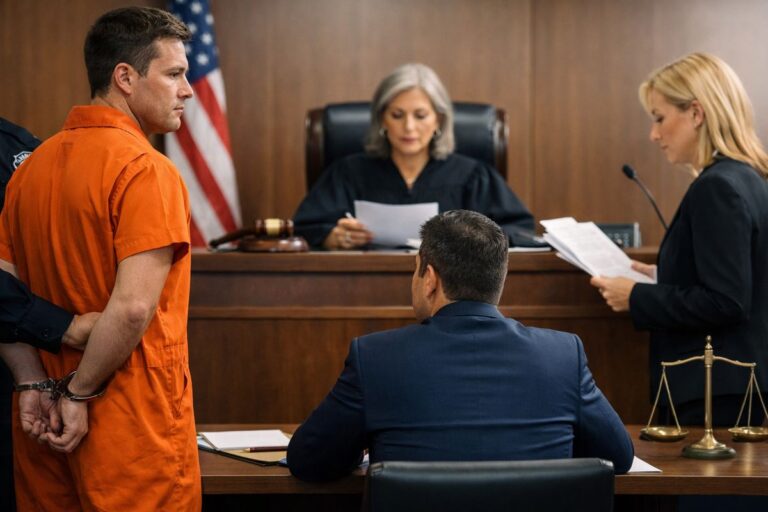
The courtroom carries a dry hum from the ventilation above the bench. A prosecutor flips through certified records. The judge studies blood alcohol results, prior dates, and the narrative from the arrest report. Sentencing in a repeat OWI case follows statutes, but it also turns on facts that make one file look worse than another.
Courts do not sentence in the abstract. They sentence people standing before them with a documented record, a BAC reading, a driving history, and a story about what happened on the road that night.
Aggravating Factors That Push Penalties Higher
Several facts sharpen the court’s response. A high blood alcohol concentration signals greater impairment and often triggers harsher sentencing recommendations. A minor passenger inside the vehicle makes the conduct look more dangerous. A crash allegation, even without major injury, darkens the file immediately.
Refusal issues also matter. If the driver refused chemical testing, the state may argue noncooperation and heightened risk. Probation or supervision status at the time of the arrest makes matters worse, as does a poor history on prior OWI sentences. In cases involving injury allegations, the stakes rise dramatically, and when alcohol-related driving causes bodily harm the path can move quickly toward felony punishment.
Mitigating Facts the Defense Tries to Establish
Defense counsel works to place stabilizing facts into the record. Verified treatment progress, steady employment, compliance with bond conditions, early sobriety efforts, and a documented family support structure all matter. Courts also pay attention to whether the defendant completed the alcohol assessment promptly and followed recommendations before sentencing.
The point is not sentiment. It is strategy. Effective mitigation gives the judge a factual basis to impose the lowest lawful sentence within a mandatory framework. In repeat cases, the defense does not erase the prior record. It builds a competing picture of accountability, structure, and reduced risk.
Act VI: The Defense Fight , Challenging the New Case and Verifying the Old One
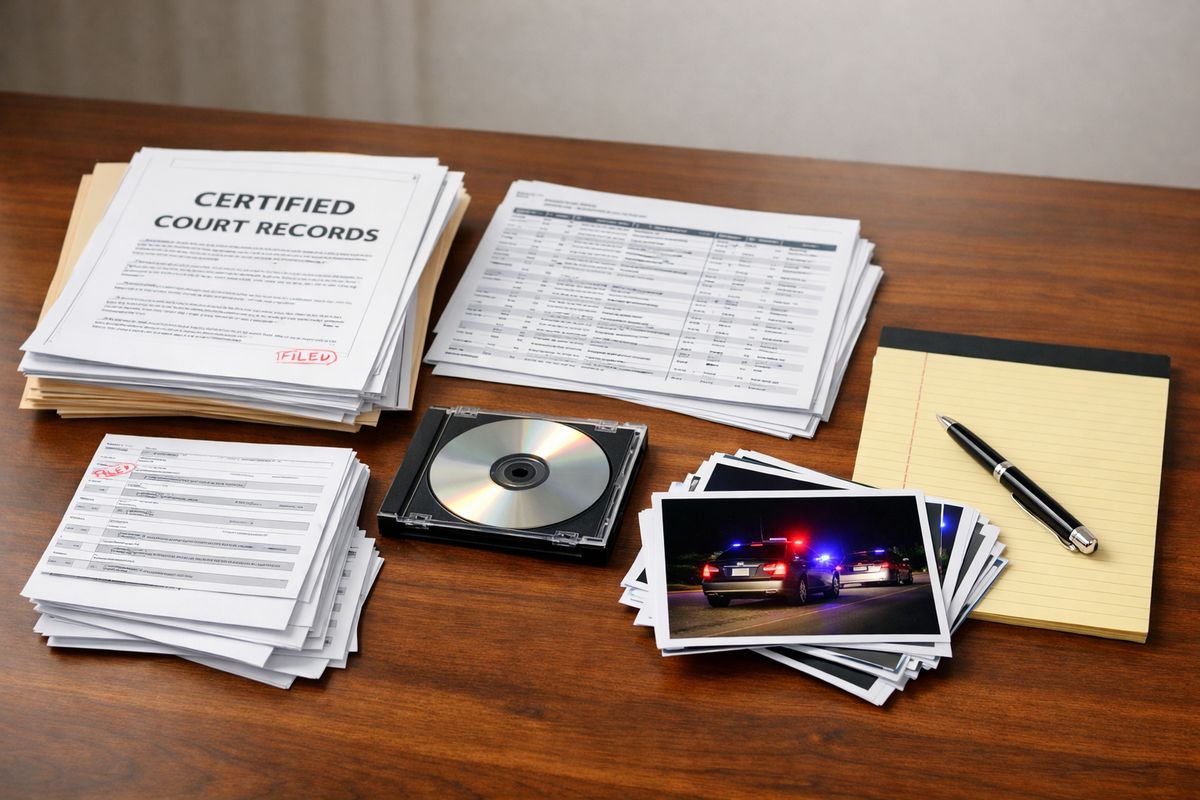
Snow light gathers against a courtroom window while a defense lawyer spreads out dispatch logs, squad video timestamps, and certified judgments from another county. That image captures repeat OWI defense accurately. The fight is two cases at once: the state’s evidence on the new arrest, and the state’s proof that the old convictions count the way it claims they count.
That double track is what makes repeat cases so technical. A weak prior record can change the penalty level. A flawed stop can weaken the new prosecution. Serious defense work examines both.
Verifying the Prior Conviction Record
Every prior conviction must actually qualify. That sounds obvious, but record mistakes happen. Names get confused. Dates are entered incorrectly. Old judgments may be incomplete. Out-of-state offenses may not legally match a Wisconsin OWI equivalent.
Defense counsel reviews certified records, compares statutory elements, and checks identity details carefully. If the state cannot prove a valid prior, the enhanced charge loses support. In repeat litigation, verifying the record is not a side issue. It is often the first battlefield.
Reviewing the Stop, Arrest, and Chemical Test Evidence
The new case also gets dissected piece by piece. The legality of the traffic stop comes first. If police lacked a lawful basis to stop the vehicle, suppression issues arise immediately. The officer’s observations, field sobriety testing, probable cause for arrest, implied-consent procedure, breath or blood testing protocol, and chain of custody all deserve close review.
Those issues decide whether the prosecution’s story holds together. A focused analysis of what officers must have before making an OWI arrest and when a traffic stop can be challenged as unlawful shows why evidence review remains central even when prior convictions are stacked behind the charge.
Why a Repeat OWI Charge Demands a Faster Legal Response
Repeat OWI cases move fast because the consequences start early. Bail conditions begin immediately. License problems unfold quickly. Employment can wobble after a single missed shift in jail or a revoked commute. Vehicle access becomes complicated as IID and occupational license rules close in.
Delay gives the state room and gives the defense less. Video can disappear, witnesses can fade, and prior-record disputes take time to resolve. In a criminal repeat case, urgency is not a slogan. It is built into the calendar.
Act VII: Common Questions About Repeat DUI in Wisconsin
At the clerk’s window, answers rarely come in full sentences. A date is handed over. A fee is quoted. A notice arrives from the DOT in plain black print. These are the questions that usually follow.
Does a First OWI Always Count Forever?
A first OWI does not always create a criminal second offense forever, because the 10-year lookback rule affects many second-offense prosecutions. But the first offense remains part of the overall history and continues to matter in the broader record.
Can Two Charges Come From One Traffic Stop?
Yes. A driver can be charged with OWI and PAC, meaning prohibited alcohol concentration, from the same stop. Related counts can appear together as alternative theories arising from one event. That also happens when impaired driving is paired with other allegations, such as overlapping reckless-driving accusations from the same incident.
Does a Refusal Count Like a Prior OWI?
A refusal creates its own serious penalties, including revocation and other consequences under Wisconsin’s implied-consent law. Refusal-related revocations can affect repeat-offense analysis and increase the overall exposure surrounding the case. A closer explanation of what happens after declining a breath test request makes that interaction clearer.
Will a Repeat OWI Lead to Jail in Wisconsin?
Yes. A second and higher OWI offense in Wisconsin carries mandatory custody consequences. The exact length depends on the offense number and the facts, but jail is built into the sentencing structure.
Frequently Asked Questions
How far back does Wisconsin look for a second OWI?
Wisconsin generally uses a 10-year lookback for many second-offense OWI cases. If the prior first offense falls within that period, the new case is usually charged as a criminal second offense.
Do out-of-state DUI convictions count in Wisconsin?
Yes. Wisconsin often counts qualifying out-of-state impaired-driving convictions if the foreign offense is substantially similar to a Wisconsin OWI-related offense.
When does a repeat OWI become a felony in Wisconsin?
A fourth OWI is the point where felony treatment becomes central in Wisconsin. Higher offense counts carry increasingly severe felony consequences, including prison exposure and extended supervision.
Can a prior OWI be challenged in a new case?
Yes. Defense counsel can challenge whether the prior conviction was properly identified, properly documented, and legally qualifies as a countable Wisconsin prior.
Is an ignition interlock required after a repeat OWI?
In many repeat OWI cases, yes. Courts frequently order ignition interlock installation, along with compliance monitoring and strict driving restrictions.
Act VIII: When the Record Opens, Everything Changes
On the shoulder of I-94, the sound that lingers is not the officer’s knock on the glass. It is the low hiss of tires on wet pavement while old cases reopen themselves in the dark. In Wisconsin, prior convictions stack with force, and each earlier OWI can transform the next stop into a criminal case marked by escalating jail, license, and financial consequences.
Nathan Dineen has built a reputation on proven results, dedicated client service, and aggressive DUI and criminal defense representation. Nationally recognized and trusted by clients throughout Wisconsin, Nate has been named among the Top 100 Trial Lawyers, holds a 10.0 Superb Avvo Rating, and has earned Super Lawyers recognition 11 times, including a 2026 Super Lawyers designation. For those seeking an experienced attorney in Wisconsin, Nate stands as one of the state’s most respected criminal defense lawyers, the kind of advocate called when the squad lights stain the shoulder red and blue.

About Nate Dineen
Wisconsin legal insights from the DUI Defense WI team.