Was Your DUI Stop Illegal? What Can Get It Tossed
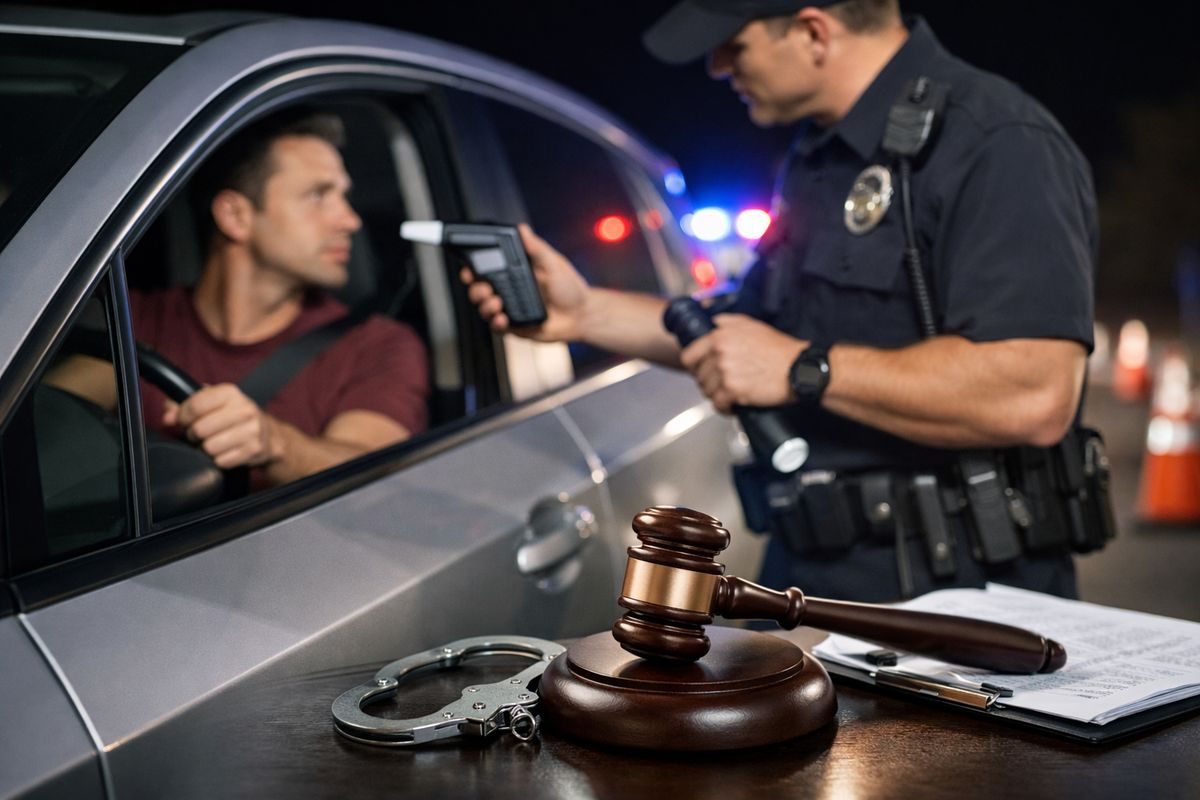
An illegal DUI stop is a traffic stop that started without a lawful reason, and that matters a lot more than most people realize. If the officer had no real basis to pull you over in the first place, your entire case may have a problem from the ground up.
What Makes a DUI Stop Legal in the First Place
For a DUI stop to be legal, an officer usually needs reasonable suspicion. In plain English, that means specific facts suggesting you broke a traffic law, showed signs of impaired driving, or gave some other legally valid reason for the stop. A gut feeling is not enough.
Here’s the thing: the legality of the stop comes before everything else. Before roadside questions, before field sobriety tests, before a breath test, before handcuffs. If the stop itself was unlawful, a court can challenge what came after it, sometimes hard enough to knock out the case.
That issue shows up often in Wisconsin OWI cases, especially because the charge itself has some Wisconsin-specific twists that confuse a lot of people at first. But the basic principle is simple. No lawful stop, no clean path to the evidence.
Reasonable Suspicion vs. Probable Cause
These two phrases sound similar, but they do different jobs.
Reasonable suspicion is the lower standard. It is what an officer generally needs to stop your car and investigate. Think of it like a reason to check something out. Maybe your car drifted across the center line twice, nearly hit a curb, or blew through a stop sign. That can be enough to justify a stop.
Probable cause is stronger. It is what an officer generally needs to arrest you. Think of it as the full green light, not just a reason to take a closer look. Slurred speech, a strong odor of alcohol, poor field sobriety performance, admissions about drinking, and test results can all feed into probable cause.
If you want a deeper look at that second part, what police actually need before making the arrest is a separate issue from whether the stop itself was legal.
What Can Make a DUI Stop Illegal
A DUI case can get tossed when the stop had no valid legal basis, the officer stretched the stop too far, or key evidence came from a rights violation. That is the headline answer.
An officer cannot pull you over just because it is late, you left a bar district, or your car “seemed suspicious.” There has to be something concrete. And even if the initial stop was valid, the officer cannot automatically turn every traffic stop into a DUI investigation without a real reason.
No Clear Traffic Violation or Signs of Impairment
This is one of the biggest pressure points in DUI defense. If no speeding, lane deviation, equipment problem, near collision, or other clear driving issue happened, the stop may be vulnerable.
Take a common example. You briefly touch a lane marker once on a late-night drive through Madison, but you stay in control, use your signal, and commit no actual violation. That may look unusual, but unusual is not the same as illegal. The law usually requires specific facts, not a vague impression.
The same goes for harmless behavior that gets dressed up later in a police report with phrases like “weaving within lane” or “erratic driving.” Those phrases sound dramatic. Sometimes the video tells a much calmer story.
The Stop Was Based on a Bad Tip
Tips can justify a stop, but not all tips are equal.
A detailed report from an identified caller who gives a location, plate number, direction of travel, and specific dangerous behavior carries more weight. An unsupported anonymous call saying a car “looks drunk” is much weaker. In many cases, an officer still needs some independent observation to back it up before making the stop.
That matters because bad information at the start can infect everything after it. If the tip was shaky and the officer did not actually see anything illegal, the stop may not hold up in court.
The Officer Expanded the Stop Without a Good Reason
Even a legal stop can become illegal if it gets prolonged without a new reason.
Say you were stopped for a burned-out taillight. Fine. That may be a valid basis to pull you over. But the officer cannot keep you there for a DUI fishing expedition unless something new shows up, such as the odor of alcohol, slurred speech, open containers, or an admission that you had been drinking.
That timeline matters. A stop has a lane. If the officer jumps out of that lane without a real reason, the detention can become unlawful. That issue also affects how long your case may drag on, especially if motions get filed over the stop and its scope, which is part of why the timeline in a Wisconsin DUI case can vary so much.
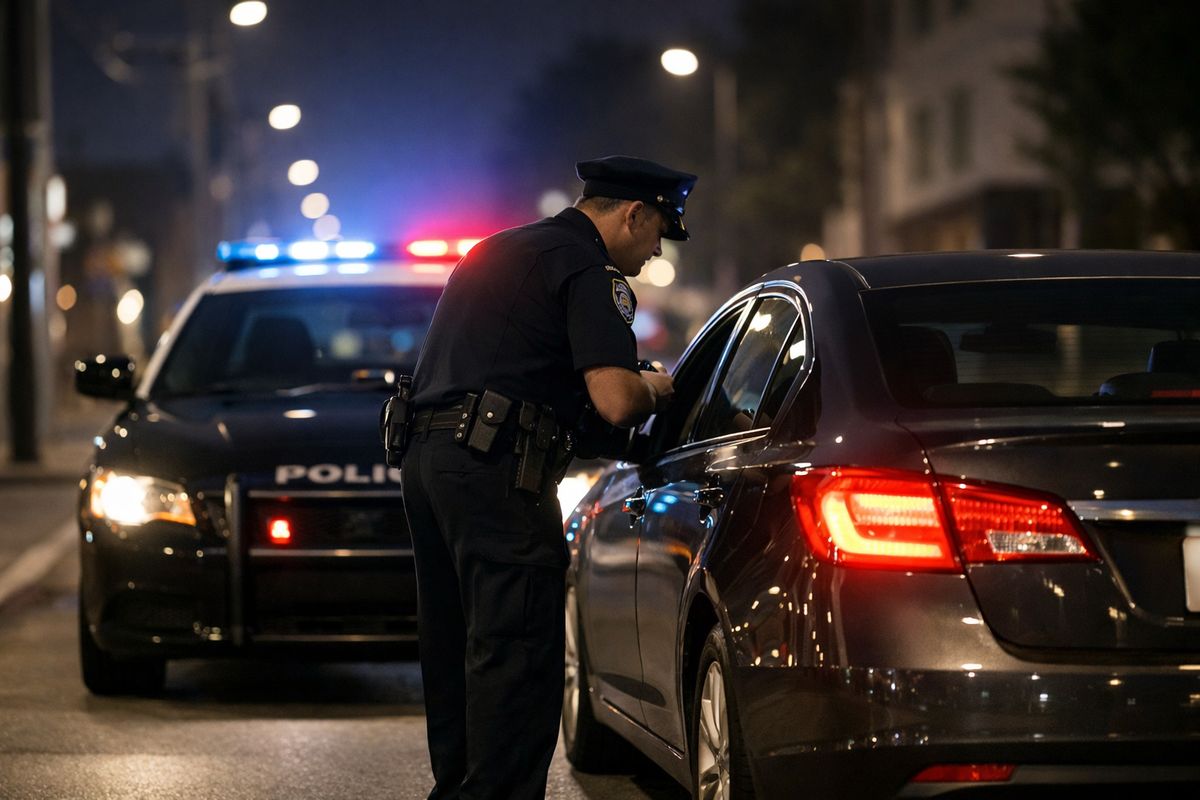
How Courts Decide Whether the Stop Was Lawful
Courts do not just look at the arrest. Courts look at the full chain of events, starting with the moment the officer decided to pull you over.
The key question is what the officer knew at that moment. Not what got discovered ten minutes later. Not what a later report polished up. The court wants to know what facts existed before the stop began, and whether those facts actually justified it.
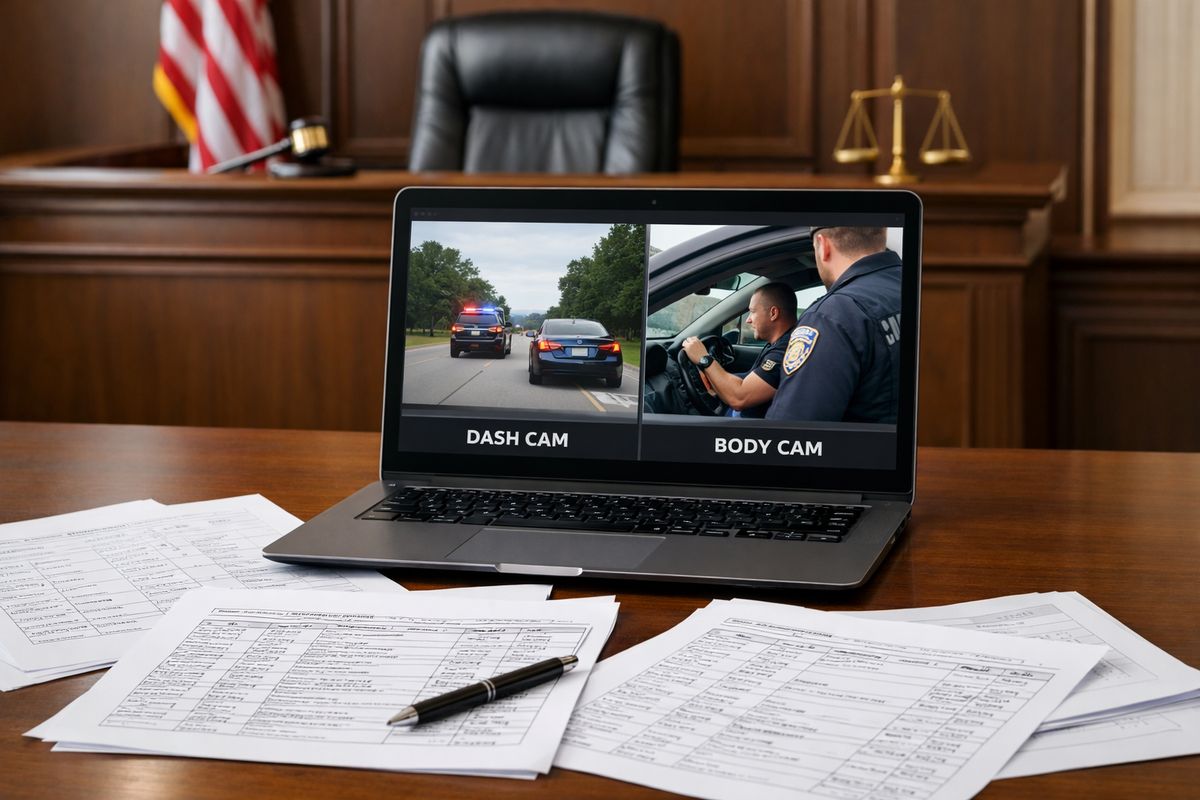
Video often matters a lot. Dash cam and body cam footage can show lane position, speed, lighting, road conditions, and your interaction with the officer. Judges also compare that footage to dispatch logs and written reports to see if the claimed reason for the stop actually lines up.
Evidence That Can Help Challenge the Stop
Small details can make a big difference. Squad video may show your tires never crossed the line. Body cam footage may show your speech was clear. Dispatch audio may reveal that the original complaint was thin or vague. Weather records may explain why you slowed down or moved within your lane. A witness may confirm that traffic forced your movement.
Even timing can matter. If the stop happened just after midnight near a Kwik Trip and close to bar close, an officer may have assumed impairment and filled in the blanks later. Courts are supposed to look at facts, not assumptions.
Why the Officer’s Report Is Not the Whole Story
A police report matters, but it is not automatic truth.
Reports are summaries, and summaries can leave things out, exaggerate, or use loaded phrases. “Erratic driving” might mean a single mild correction. “Failure to maintain lane” might mean tires came close to a marker but never crossed it. Video can expose that gap fast.
That is one reason early case review matters so much. If you are trying to sort out what happens after an arrest in Wisconsin criminal cases, the paperwork is only one piece of the puzzle, not the final word.
If the Stop Was Illegal, Can Your DUI Case Get Tossed?
Yes, it can. If the stop violated your rights, the court can suppress evidence that came from that stop.
That rule is called the exclusionary rule, but the plain-English version is easier: if police got evidence by breaking the rules, the court can block that evidence from being used against you. That can include your roadside statements, field sobriety test results, and sometimes chemical test evidence tied to the unlawful stop.
When enough evidence gets suppressed, the prosecution may not have a case left to prove.
What “Thrown Out” Usually Means
Most of the time, “thrown out” does not mean a judge dramatically rips up the file in open court. It usually means crucial evidence gets suppressed, and the case falls apart because too much of the proof is gone.
That can lead to dismissal before trial. It can happen after a suppression hearing. It can also pressure the prosecution into reducing charges because the case got a lot weaker.
When an Illegal Stop Does Not End the Case
Not every challenge wins, and not every problem with a stop ends the case.
If a judge finds the stop was valid, the case continues. If the prosecution has independent evidence that does not depend on the bad stop, some parts of the case may survive. The catch is that you do not know how strong that challenge is until somebody digs into the timeline, footage, and reports carefully.
Common DUI Stop Mistakes That Lead to Defense Challenges
A lot of defense challenges come from ordinary sloppiness. That sounds simple, but simple mistakes can matter.
Officers may overstate driving behavior, rely too heavily on a weak tip, prolong a stop without cause, or jump into testing too quickly. In some cases, the legal issue is not the arrest itself but the shaky path that led there.
Checkpoint Problems and Other Procedure Issues
Sobriety checkpoints have strict rules, and not every state handles them the same way. Wisconsin questions can turn on state law, local procedure, and court decisions that are very specific. That is why generic internet advice is not enough.
The same goes for stop procedures more broadly. A legal theory that works in one state may not fit Wisconsin at all. If your case also involves related allegations, the overlap between drunk driving and reckless driving charges can complicate the analysis even more.
Search Issues, Statements, and Testing After the Stop
If the original stop was illegal, later evidence can be tainted. “Tainted” just means infected by the bad stop.
That can affect vehicle searches, roadside questioning, field sobriety tests, preliminary breath tests, and even the arrest decision. Picture spilled coffee spreading across a stack of papers. Once the first page gets soaked, the pages underneath may be damaged too. That is how an unlawful stop can affect everything that follows.
That issue becomes even more urgent if your case includes testing disputes, including what happens when a breath test is refused in Wisconsin, because those decisions can create separate consequences.
What You Should Do if You Think Your DUI Stop Was Illegal
Timing matters. Videos get overwritten. Dispatch audio disappears. Memories fade fast.
If the stop felt wrong, do not sit on that feeling and hope the facts stay fresh on their own. They usually do not.
Write Down Everything You Remember
Make a simple timeline while it is still fresh. Note where the stop happened, what the officer claimed as the reason, whether you were asked to step out right away, what tests were given, and whether passengers or nearby cameras were present.
Get specific. Write down if the stop happened near a Kwik Trip, at a certain intersection, or just after midnight. Small details are often the details that end up mattering.
Ask a Wisconsin DUI Lawyer to Review the Stop Early
A lawyer can compare the claimed reason for the stop against the actual evidence, including video, reports, and dispatch records. The sooner that review happens, the easier it is to spot holes and try to suppress bad evidence before it gets harder to prove what really happened.
If you are sorting through options, choosing the right defense lawyer in Wisconsin is not just about courtroom style. It is about getting somebody who knows how to attack the stop itself, not just react to the arrest.
Questions People Ask About Illegal DUI Stops
Can you be stopped for a DUI without swerving?
Yes. An officer can stop you for another lawful reason, such as speeding, a broken headlight, expired registration, or another observed violation. But if there was no valid reason at all, the stop can still be challenged.
Is late-night driving enough for a DUI stop?
No. Driving late at night, leaving a bar area, or being on the road during a weekend is not enough by itself. Courts usually want specific facts suggesting a legal violation or impairment.
Can a DUI be dismissed because the officer lacked probable cause?
Yes, but that usually relates more to the arrest than the initial stop. The stop usually depends on reasonable suspicion, while the arrest depends on probable cause. Either issue can be challenged.
What is the first thing to do after an arrest if the stop felt wrong?
Write down the timeline right away and get the stop reviewed quickly. That is the best way to catch inconsistencies before footage and details start disappearing.
Frequently Asked Questions
Does touching the fog line once make a DUI stop legal?
Not automatically. A single brief touch of a lane line, without unsafe driving or an actual traffic violation, may not be enough. Context matters, especially road conditions, traffic, and what the video shows.
Can an anonymous 911 caller be enough for a DUI stop?
Sometimes, but not always. A detailed and reliable report carries more weight than a vague call. If the tip lacked specifics and the officer did not observe anything unlawful, the stop may be open to challenge.
If the stop was illegal, does every charge disappear?
Not always. A court may suppress evidence tied to the unlawful stop, and that can wreck the prosecution’s case. But if independent evidence survives, some charges may continue.
Can body cam footage help prove the officer exaggerated?
Yes. Video often shows whether your driving was actually erratic, whether your speech was slurred, and whether the timeline in the report holds up. It can be one of the strongest tools in challenging a stop.
Does Wisconsin call it DUI or OWI?
Wisconsin usually uses OWI, though many people still say DUI. If you want the plain-English version of the terms, this breakdown of Wisconsin’s drunk driving labels clears that up fast.
Nathan Dineen has built a reputation on proven results, dedicated client service, and aggressive DUI and criminal defense representation. Nationally recognized and trusted by clients throughout Wisconsin, Nate has been named among the Top 100 Trial Lawyers, holds a 10.0 Superb Avvo Rating, and has earned Super Lawyers recognition 11 times, including a 2026 Super Lawyers designation. If you are looking for an experienced attorney in Wisconsin, contact Nate today to discuss your case and receive personalized guidance from one of the state’s most respected criminal defense lawyers.

About Nate Dineen
Wisconsin legal insights from the DUI Defense WI team.