What Happens After a DUI Arrest? Step by Step
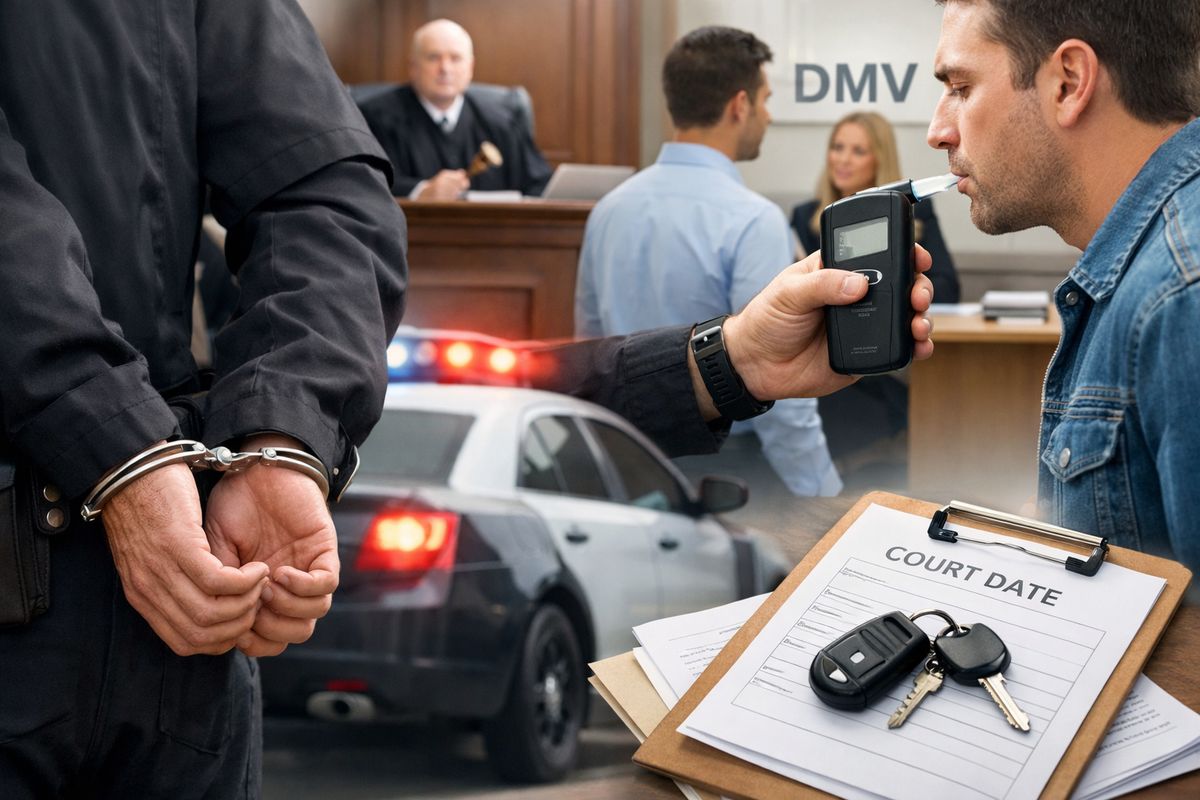
If you’re searching for what happens after DUI arrest, you’re probably dealing with the most confusing part of the whole process: the stretch right after it happens, when everything feels fast, serious, and hard to track. Here’s the short version: a DUI arrest usually kicks off two separate cases at once, one about your license and one about the criminal charge, and the deadlines can start immediately.
What you’ll learn in this guide:
- what usually happens in the first few hours
- why your license case is separate from court
- how the court process tends to unfold
- which penalties often show up
- what to do in the first 48 hours
- which mistakes create bigger problems
What Usually Happens Right After the Arrest
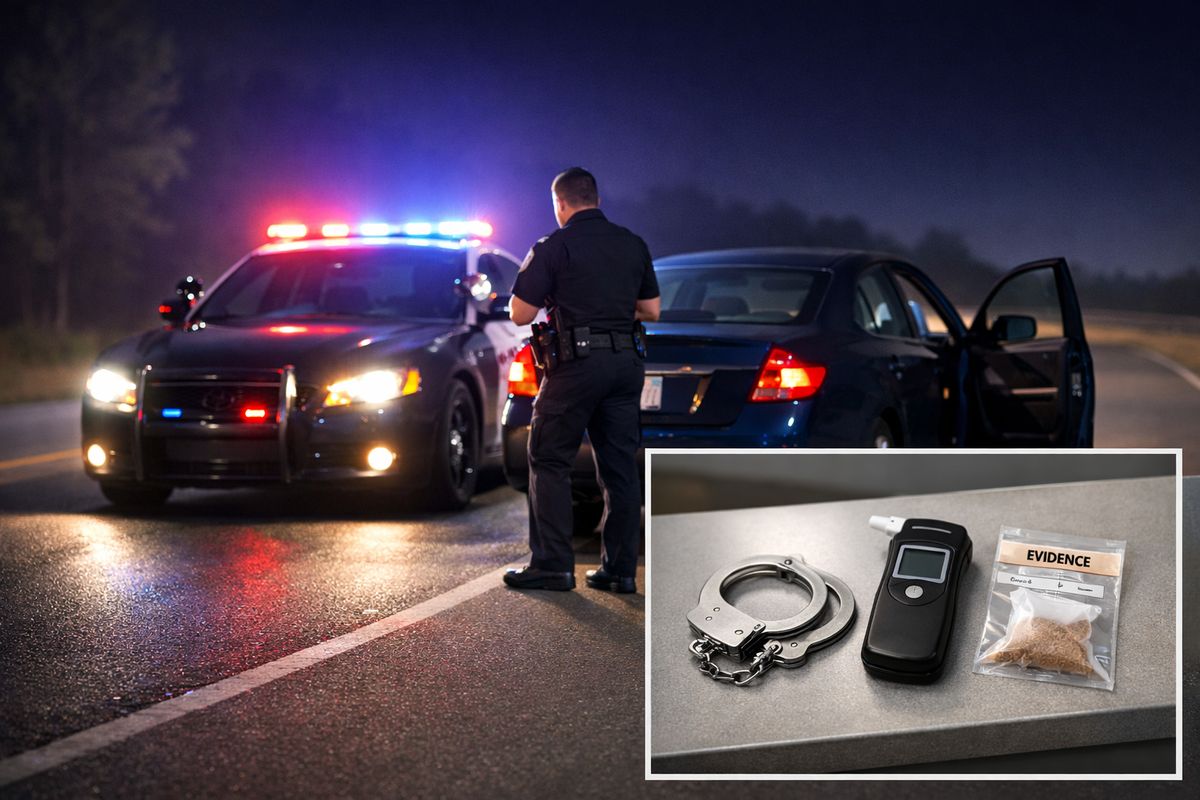
A traffic stop can turn into an arrest quickly. Once the officer decides to arrest you, you may be handcuffed, searched, and taken to a police station, county jail, or testing facility. That part often feels like a blur, like missing three exits in a row while your brain is still stuck on the first one.
If you’re trying to make sense of what police can and cannot do during this stage, it helps to understand the basic limits on arrest procedures. But the practical point is simple: after the arrest, the process moves whether you feel ready or not.
Booking, fingerprints, and the holding period
Booking is the formal check-in. Your photo gets taken, your fingerprints get recorded, and basic personal information gets entered into the system. You may also have your property inventoried and stored until release.
Then comes the holding period. Sometimes it’s a few hours, sometimes longer. You may sit in a holding cell while officers finish paperwork or while you wait to sober up enough for release.
Chemical testing and what refusal can trigger
After a DUI arrest, you may be asked to take a breath, blood, or urine test. Which test gets used depends on the state, the facts of the arrest, and what equipment is available.
Here’s the thing: refusing a chemical test can trigger separate penalties in many states, especially for your driver’s license. In other words, saying no does not make the problem disappear. It can create a second one before you even get to court.
Release, bail, or waiting to see a judge
Some people get released after a holding period. Others need to post bail or wait for a first appearance before a judge. Timing often changes if there was a crash, an injury, a very high blood alcohol concentration, or a prior record.
The Two Tracks That Start After a DUI Arrest
This is the part people mix up all the time: your license case and your criminal case are not the same. One is usually handled by the DMV or a similar agency. The other runs through criminal court.
Miss that distinction, and you can miss a deadline that matters.
The DMV or administrative case
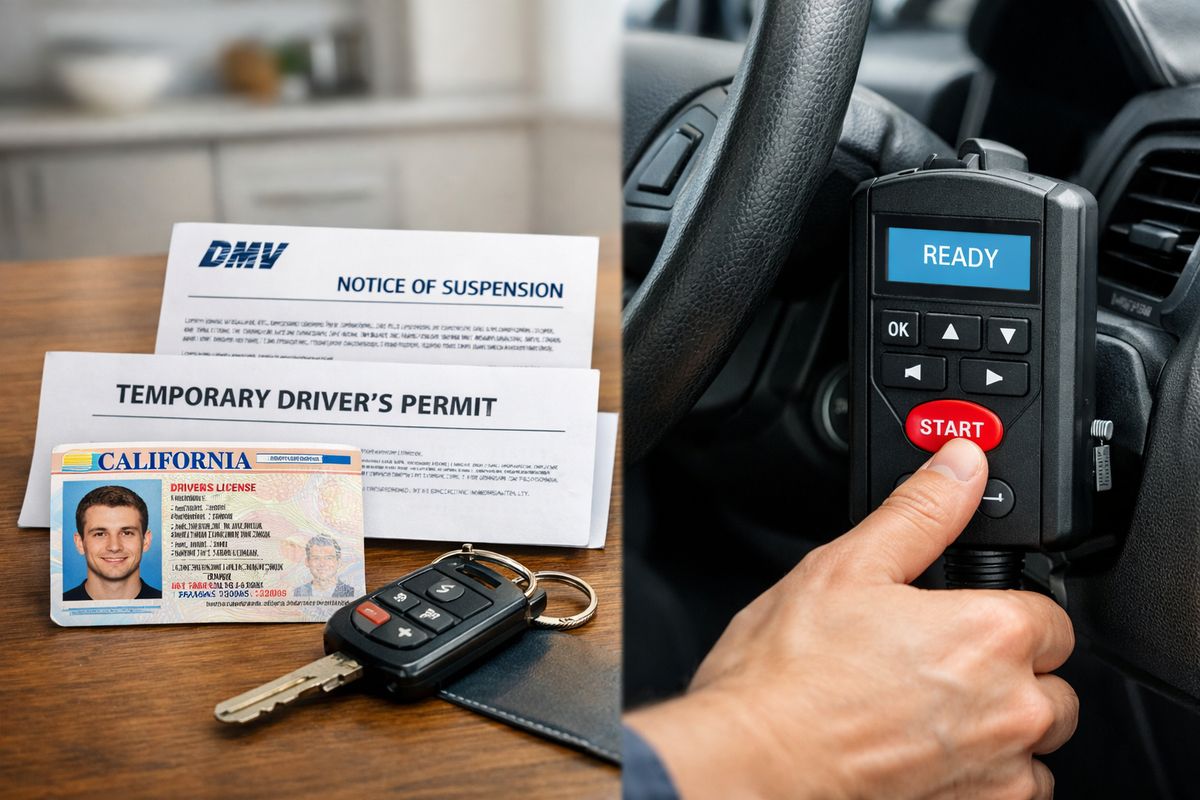
This track deals with your driving privileges. In many states, the arrest itself can trigger an administrative license suspension, even before any criminal conviction. You may get a temporary permit for a short number of days, along with instructions for requesting a hearing.
The criminal court case
This side deals with the charge itself and possible criminal penalties. That includes the citation or complaint, court dates, plea discussions, motions, and any eventual sentence if the case ends in a conviction or plea.
What Happens to Your Driver’s License
For most people, this is the first panic point: can you still drive to work, school, daycare, or home? The answer depends heavily on your state and the exact paperwork you receive.
Temporary permit and notice of suspension
You may leave custody with a paper that acts as a temporary license for a short period. Read it right away. A single sheet can control whether you can legally drive next Tuesday.
Requesting a DMV hearing before the deadline
Some states give only a very short window to request a hearing to challenge the suspension. If you miss it, the suspension may go into effect automatically. That is why fast action matters so much on the license side.
If suspension has already started, the path to getting your driving privileges back usually involves fees, proof of insurance, and sometimes added requirements.
Restricted licenses and ignition interlock
A restricted license lets you drive for limited purposes, usually work, school, treatment, or other basic needs. An ignition interlock is a breath-testing device connected to your car that requires a clean sample before the engine starts. In some cases, it becomes the price of staying on the road.
How the Criminal Court Process Usually Unfolds
The court side tends to move in stages. That helps, because it means not everything has to be solved on day one.
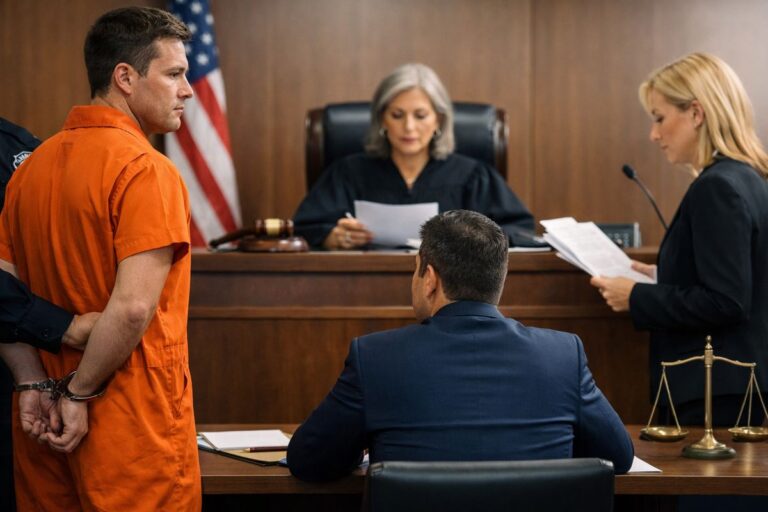
Arraignment: your first formal court appearance
At arraignment, the charge is formally read and a plea is entered. The judge may also address release conditions, future dates, and restrictions like no alcohol use or no driving without a valid license.
If you want a fuller picture of how that first hearing usually goes, it helps to read ahead before walking into court.
Pretrial phase, evidence, and negotiation
This is where the real work often happens. Police reports, body camera footage, chemical test records, witness statements, and stop details get reviewed. If something was mishandled, this is often where it gets spotted.
Plea discussions also tend to happen here, not immediately after the arrest. If a negotiated outcome comes up, understanding how those agreements usually work can make the process less opaque.
Trial or plea resolution
Most DUI cases end with a plea agreement, but some go to trial. A plea resolves the case without trial, usually with agreed terms. A trial puts the evidence in front of a judge or jury for a decision.
Common Penalties and Requirements After a DUI Arrest
A DUI can lead to more than one consequence at the same time. Court penalties and driving penalties often overlap.
Fines, probation, classes, and community service
Common outcomes include fines, alcohol education classes, treatment requirements, community service, and probation. Probation means court-ordered rules you must follow instead of, or along with, jail time. Those rules can include testing, check-ins, travel limits, and no new violations.
License suspension, SR-22, and insurance problems
Even after court, license issues can keep going. An SR-22 is a form your insurer files to prove you carry the required coverage. Insurance rates often jump after a DUI, sometimes sharply.
For the nuts and bolts of fees, filings, and deadlines, sorting out the reinstatement process is usually its own project.
Jail time and harsher penalties in certain cases
Jail time becomes more likely when there are aggravating factors, such as a very high BAC, a crash, injuries, child passengers, or a prior DUI. Those facts can also lead to longer suspensions, stricter probation, and more demanding court conditions.
Special Situations That Change the Process
Some DUI arrests follow the standard path. Some do not.
If this is not your first DUI
Repeat offenses usually bring steeper penalties across the board. Expect closer supervision, longer license consequences, and less flexibility from the court.
If you hold a commercial driver’s license
A CDL comes with tighter standards and job consequences that can hit fast. Even an off-duty arrest in your personal vehicle can threaten your commercial driving privileges.
If the arrest involved drugs, an accident, or injuries
Drug-related DUI cases often rely on different evidence, including blood tests, officer observations, and drug-recognition evaluations. If there was a crash or injuries, the case usually gets more serious and more fact-heavy.
What to Do in the First 48 Hours
The early window matters because it’s one of the few parts of this process you can still control.
Read every paper you were given
Check every page for court dates, hearing deadlines, temporary license terms, tow information, and release conditions. Do not toss anything into the glove box and hope it sorts itself out later.
Write down what happened while it is still fresh
Make a timeline as soon as you can. Note the time of the stop, where it happened, what tests were requested, what was said, when booking started, and when release happened. Write down concrete details, like the exact gas station on the corner or the 11:40 p.m. booking time, because memory gets fuzzy fast.
Get legal help and line up transportation
Talking with counsel early can make a real difference, especially before DMV deadlines pass. If you’re comparing options, it helps to know what to look for in a defense attorney. At the same time, line up rides, work transportation, and car retrieval, and do not drive if your status is unclear.
Mistakes That Can Make Things Worse
Most damage after a DUI arrest comes from a handful of avoidable mistakes.
Missing the DMV deadline
The license side often moves faster than the court side. Miss that hearing request deadline, and you can lose leverage before your criminal case even gets moving.
Violating release terms or driving when you should not
If your release papers say no alcohol, required check-ins, or no driving without a valid license, take that literally. Violating those terms creates a fresh legal problem on top of the one you already have.
Assuming the case will just sort itself out
It won’t. Delay, silence, and guesswork are bad strategies here. Staying organized early is one of the strongest moves available to you.
Frequently Asked Questions
How long do you stay in jail after a DUI arrest?
It varies. You may be released after a few hours, held until sober, required to post bail, or kept until seeing a judge. A crash, injury, or prior DUI can make the hold longer.
Do you lose your license immediately after a DUI arrest?
Sometimes, but not always. In many states, you get a temporary permit and a notice of suspension with a deadline to challenge it. If you do nothing, the suspension may start automatically.
Is a DUI always a criminal offense?
Yes, DUI charges are handled in criminal court, but that is only half the story. The arrest also often triggers a separate administrative case about your driving privileges. If you need a clearer picture of where a DUI fits in the system, the line between lower-level and more serious charges helps explain the bigger context.
Should you get a lawyer after a DUI arrest?
For most people, yes. A DUI case involves deadlines, evidence issues, license consequences, and court procedures that can get complicated fast. If cost is part of the concern, what defense representation usually costs can help you plan realistically.
Can a DUI stay on your record for years?
Yes. How long depends on state law and the outcome of the case. Some records can be sealed or cleared in limited situations, but not all. That is why how long a DUI can follow you matters well beyond the arrest itself.
Speak With Attorney Nathan J. Dineen
Attorney Nathan J. Dineen represents clients facing DUI, OWI, and related criminal charges throughout Wisconsin. His approach combines strategic courtroom advocacy with advanced training in standardized field sobriety testing, drug-recognition evaluation, and the science behind breath, blood, and chemical testing.
Nathan has also presented DUI defense topics to other attorneys and has been recognized by legal organizations for trial advocacy, professional achievement, and work in impaired-driving defense.
A DUI or OWI charge can affect your license, career, reputation, and future. Get experienced legal guidance before making your next decision.
Schedule your confidential consultation with Attorney Nathan J. Dineen today.

About Nate Dineen
Wisconsin legal insights from the DUI Defense WI team.