
Does a Felony Stay on Your Record Forever?

A felony on record can stay there for a very long time, and in many cases it stays there unless you take legal steps to change it. Here’s the thing: the real answer is not just yes or no, because it depends on your state, the kind of case, and whether you were convicted, arrested, or had the case dismissed.
Does a Felony Stay on Your Record Forever?
In plain English, often yes. If nothing is filed to clear, seal, expunge, or vacate the case, a felony can remain part of your criminal history indefinitely. Time by itself usually does not wipe it away.
That surprises a lot of people. You can finish probation, stay out of trouble for ten years, build a steady life, and still have an old case show up when a job application runs a background check on a Tuesday afternoon. That is why this question matters so much. The issue is not just what happened in court years ago, but what still appears when someone searches your name now.
What “Your Record” Actually Means
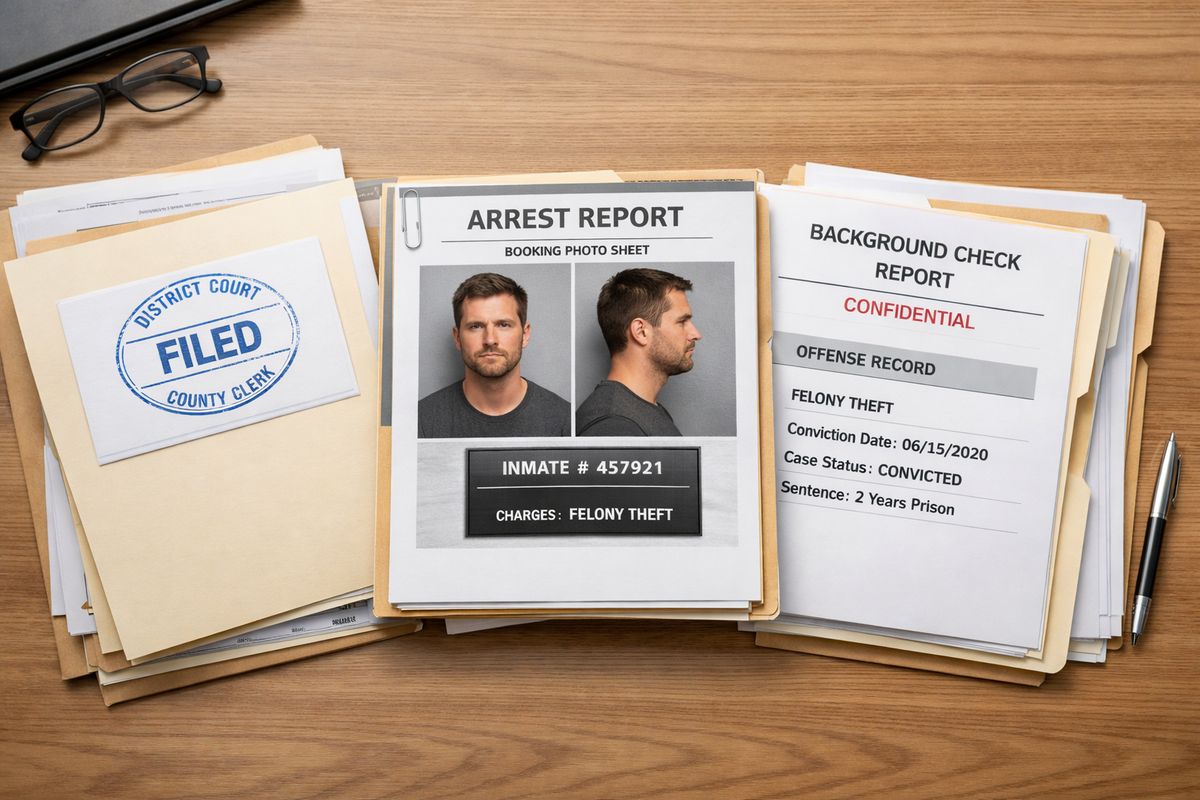
“Your record” is not one single file sitting in one office. It is more like a stack of connected folders kept by different places.
A court may have records showing the charges, hearings, plea, and outcome. Police agencies may keep arrest records. A state criminal history database may collect information from courts and law enforcement. Then private background check companies may copy some of that data into their own systems and sell reports to employers or landlords.
That matters because fixing one source does not always fix every source at the same speed. A felony can disappear from public court search in one place and still linger in a private screening database somewhere else.
Conviction vs. Arrest vs. Dismissed Case
A felony conviction means a court found you guilty, or you entered a guilty or no contest plea and the court accepted it. That usually creates the hardest record to remove.
An arrest for a felony is different. An arrest shows that law enforcement accused you of something, not that you were convicted. If charges were never filed, later dropped, or found not guilty, the options for clearing that record are often better. If you want a basic breakdown of how cases move through court after an arrest, it helps to understand what happens in those early hearings.
A dismissed case sits in its own category. The charge did not end in a conviction, but the record of the charge may still exist unless state law allows it to be cleared.
Why a Felony Can Still Show Up Years Later
Old cases stick around because records are copied and stored in multiple places. Court indexes can stay searchable. State agencies may keep a permanent history. Private screening companies may reuse outdated data.
The catch is simple: age alone often changes nothing. An old felony is a bit like an address saved in an outdated map app. If nobody updates it, the route keeps sending you to the wrong place.
When a Felony Does Not Stay Public Forever
“Forever” is not always the full story. Many states offer some kind of record relief, but the names and rules vary a lot.
Some states allow certain felony records to be expunged. Some allow sealing. Some let you ask the court to vacate a conviction. Some offer pardons. And some states sharply limit relief for felony convictions, especially for violent or repeat offenses. If your case involved impaired driving, the rules can be even more specific, which is why many people also look into how DUI record clearing works.
Expungement
Expungement usually means a legal process that removes a record from public access or treats it as if it should not be reported in the usual way. But “expungement” does not mean exactly the same thing everywhere.
In one state, expungement may erase public visibility. In another, it may simply restrict who can see it. Some states allow expungement for lower-level felonies or non-convictions. Others block most felony convictions from expungement entirely.
Sealing
Sealing means the record is closed off from most members of the public. Employers, landlords, and casual online searches often cannot see a sealed case. Courts, prosecutors, or law enforcement may still be able to access it.
That is a big practical difference. Sealed does not always mean erased. It means hidden from many common uses, not gone from existence.
Vacating a Conviction
Vacating a conviction means a court sets aside the conviction after certain conditions are met. In some states, that can improve how the case appears on your record and how you answer certain questions.
Still, records do not always update overnight. A court order can change the legal status of the case, but an agency or private company may continue reporting old information until its database catches up.
Pardons and Record Relief
A pardon is different from expungement or sealing. A pardon generally forgives the offense, but it usually does not erase the record.
That difference matters more than people expect. A pardon can carry real value, but if your goal is making the case less visible on background checks, a pardon alone may not do that.
What Decides Whether You Can Clear a Felony From Your Record
Two people can both say, “I have a felony,” and still have completely different options. The details control everything.
The State Where the Case Happened
Record-clearing law is state-specific. California, New York, and Washington can treat the same basic kind of felony in very different ways. Often you file in the same county courthouse where the original case was handled, which means the exact location matters down to the county level.
Official state court websites are usually the best starting point. Some attorney general offices also explain sealing or expungement rules in plain language, such as New York’s guide to sealing certain criminal records and Washington’s explanation of vacating felony convictions.
The Type of Felony
Not all felonies are treated equally. Violent offenses, sex offenses, repeat offenses, many DUI-related felonies, and certain domestic violence cases often have stricter rules or longer waiting periods. If you are sorting out where a charge fits, it helps to understand what separates lower and higher level crimes.
Some lower-level property or drug felonies may be easier to reduce, seal, or expunge. Some states also created special relief for older cannabis cases or reclassified offenses, as shown in California’s self-help guidance on record cleaning.
How the Case Ended
Outcome matters. A conviction, deferred adjudication, acquittal, dismissal, or plea deal can all lead to different results. A case ending in dismissal is often easier to clear than one ending in a guilty plea.
If your case ended through negotiation rather than trial, understanding how plea agreements shape the final record can make the later cleanup process easier to follow.
Waiting Periods, Probation, and Restitution
Many states require you to finish probation or parole before filing. Some require all fines, fees, or restitution to be paid. Some require a waiting period of several years, plus a clean record during that time.
That part trips people up. You may qualify in theory, but not yet. If probation terms are part of the picture, brushing up on the rules that can affect your eligibility is worth doing before you file anything.

What a Cleared or Sealed Felony Still Can Affect
Getting relief can help a lot, but it does not create a magic reset button.
Background Checks and Private Databases
Private background check companies are a huge reason old information keeps resurfacing. Even after a court changes the record, a private database may still show stale data until it updates. Under the Fair Credit Reporting Act, consumer reporting agencies must follow rules for accuracy, and you can dispute errors through the Federal Trade Commission’s background check guidance.
Think of it like that outdated map route again. The road changed, but the app still has the old version until somebody refreshes it.
Jobs, Housing, and Professional Licenses
Sealing or expungement can improve your chances with private employers and landlords because the case may no longer appear in ordinary screening. That said, some professional licensing boards, healthcare systems, schools, and sensitive government jobs may still ask about certain cases or have access to sealed information.
So yes, relief helps. But it does not guarantee every door opens the same way.
Immigration, Firearm Rights, and Other Exceptions
This part is easy to misunderstand. Clearing a record under state law does not automatically fix immigration consequences. It may not restore firearm rights. It may not erase every consequence tied to the conviction.
If your case involved DUI or related licensing trouble, those problems can also run on separate tracks from the criminal case itself, much like license consequences after impaired driving.
How You Can Find Out What Applies to Your Case
You do not need to guess. You need the right documents and the right state rules.
Start With Your Court and State Law
Look up the court that handled your case and search that court’s official site first. Then check your state’s laws on expungement, sealing, vacating, or pardons. Skip random forum answers until you know what your state actually says.
Get a Copy of Your Record
Pull your court record and, if possible, your state criminal history report. If a job denial or apartment denial triggered this search, try to get the actual background check report too.
Those records do not always match perfectly. One may show a dismissal, another may still show the original arrest, and a third may report outdated information.
Ask About Legal Aid or a Local Attorney
Sometimes this stuff reads like tax forms translated through static. Legal aid offices, public defender reentry clinics, and local attorneys who handle record clearing can often tell you pretty quickly whether relief is available.
If cost is part of the concern, it helps to understand what criminal defense representation can actually cost before making calls.
Common Questions About a Felony on Your Record
Does a felony disappear after 7 years?
Usually no. The record itself often stays unless state law allows it to be cleared and you take action. The “7-year rule” comes from confusion about some background check reporting practices, not from a rule that automatically erases felony convictions.
Can you pass a background check with a felony?
Yes. Plenty of people do. It depends on the employer, the job, the age of the case, the type of offense, and whether the record was sealed, expunged, or vacated.
Can a non-conviction felony be removed?
Often yes, and non-conviction cases are commonly easier to clear than convictions. Arrests, dismissed charges, and acquittals frequently have better relief options, though state law still controls.
What should you do first?
Pull your record and check the rules in the court or state where the case happened. That is the fastest way to replace guesswork with a real plan.
Frequently Asked Questions
Will a felony show up if the case was dismissed?
It can. A dismissed felony did not end in conviction, but the arrest and court filing may still appear in court databases or background reports until you clear or seal the case.
Does expungement erase a felony everywhere?
Usually not. Expungement can limit access or remove the record from public view, but private databases and some agencies may still need time to update.
Can employers still ask about a sealed felony?
Some can, especially for licensed professions, government work, law enforcement, or jobs involving vulnerable people. For many private jobs, sealing makes a big difference.
Is a pardon better than expungement?
Not if your main goal is making the record less visible. A pardon forgives the offense, but expungement or sealing is usually more directly tied to public record access.
How long does record clearing take?
It depends on the court, the state, and whether a hearing is required. Some cases move in a few months. Others take much longer, especially if old records need to be corrected across multiple systems.
Before You Assume It’s Forever
The biggest mistake is assuming an old felony is either automatically gone or permanently unfixable. Both ideas are wrong. A felony can stay on your record for years, even for life, but that does not mean you have no options.
Try one thing first: get your actual record from the court that handled the case. Once you see what is there, and what your state allows, the fog starts to clear.
Speak With Attorney Nathan J. Dineen
Attorney Nathan J. Dineen represents clients facing DUI, OWI, and related criminal charges throughout Wisconsin. His approach combines strategic courtroom advocacy with advanced training in standardized field sobriety testing, drug-recognition evaluation, and the science behind breath, blood, and chemical testing.
Nathan has also presented DUI defense topics to other attorneys and has been recognized by legal organizations for trial advocacy, professional achievement, and work in impaired-driving defense.
A DUI or OWI charge can affect your license, career, reputation, and future. Get experienced legal guidance before making your next decision.
Schedule your confidential consultation with Attorney Nathan J. Dineen today.

About Nate Dineen
Wisconsin legal insights from the DUI Defense WI team.