Wisconsin DUI Laws Explained: What Counts as a Charge?
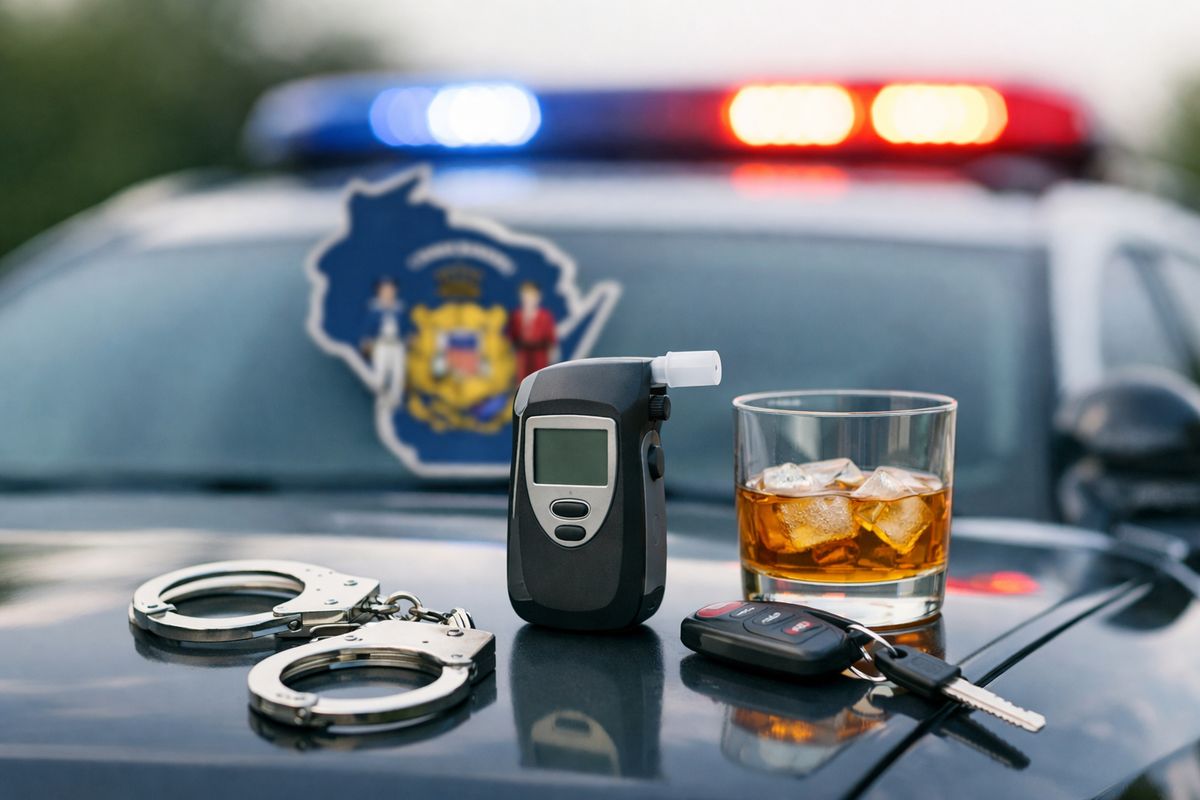
Wisconsin DUI laws confuse a lot of people for one simple reason: the state usually does not call the charge DUI at all. If you are trying to figure out what actually counts as a charge, what police have to believe, and why a parked car can still create real trouble, this is the part that makes it clearer.
What Wisconsin DUI Laws Actually Call the Offense
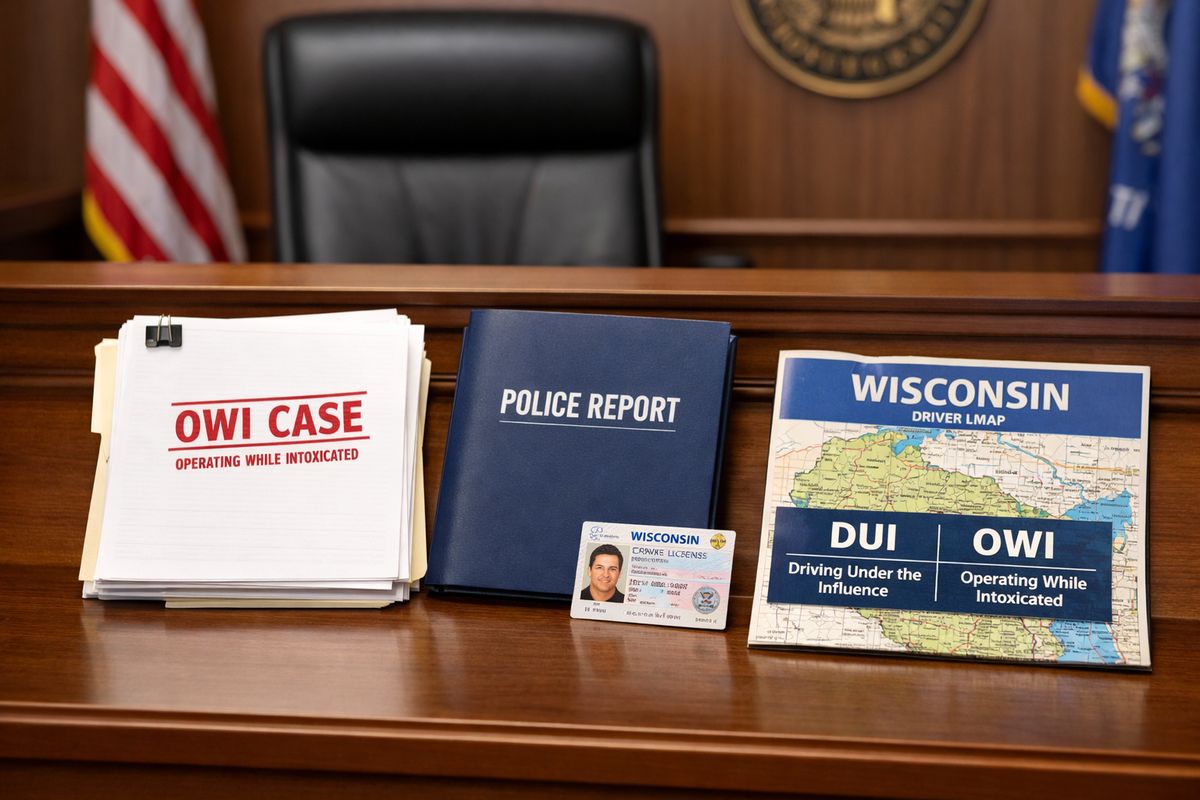
In Wisconsin, the offense is usually called OWI, which stands for Operating While Intoxicated. That is the legal label you will see in court papers, police reports, and state materials, even though plenty of people still say DUI in everyday conversation because it is the more familiar term.
That difference matters more than it seems. If you search for Wisconsin DUI laws, you are looking for the right thing, but the legal system is usually talking about OWI. Once you know that, a lot of the language starts to make more sense. If you want a closer look at the naming issue, this breakdown of why Wisconsin uses a different label helps connect the dots.
DUI vs. DWI vs. OWI in Wisconsin
Different states use different acronyms. Some use DUI, meaning Driving Under the Influence. Some use DWI, often meaning Driving While Intoxicated or Driving While Impaired. Wisconsin uses OWI.
Here is the plain-English version: the name changes by state, but the basic idea stays pretty similar. The law is targeting someone who is driving, or in Wisconsin, operating, after alcohol, drugs, or both have affected safe vehicle control, or after the person reaches an unlawful alcohol concentration.
That is why two people can describe the same kind of case with different words depending on where it happened. In Wisconsin, though, OWI is the word that carries legal weight.
Why “Operating” Matters More Than “Driving”
This is where people get surprised.
Wisconsin law uses the word “operating” because it reaches beyond a car that is actively moving down the road. In simple terms, operating means physically manipulating or activating any of the controls of a vehicle needed to put it in motion. That can include starting the engine or using controls in a way that shows actual control over the vehicle.
So yes, the car does not always have to be rolling through an intersection for a charge to come up. That is why parked-car cases exist. A lot can turn on the exact facts, including where the vehicle was, whether the engine was on, where the keys were, and what police say happened before the contact.
What Counts as an OWI Charge in Wisconsin
At the most basic level, an OWI charge in Wisconsin can happen in two main ways. One, police believe alcohol, drugs, or both impaired your ability to operate safely. Two, chemical testing shows a prohibited alcohol concentration, often called BAC.
Sometimes both paths show up in the same case. An officer may describe slurred speech, odor of intoxicants, glassy eyes, lane problems, or poor performance on field sobriety tests, then a breath or blood test adds a BAC result on top of that.
Impairment: When Alcohol or Drugs Affect Your Ability
Impairment is not just about being obviously drunk. The law is concerned with any level of intoxication that makes safe operation harder. Think slower reaction time, drifting within a lane, misjudging distance, delayed braking, confusion, or poor decisions.
That can come from alcohol, but it can also come from drugs or a mix of substances. Prescription sleep medication, cannabis, pain medication, illegal drugs, and combinations that leave you feeling “mostly fine” can still create the kind of impairment that supports an OWI charge. If you are trying to understand the foundation of the offense itself, this explanation of what the charge really means in practice is a useful companion.
Prohibited Alcohol Concentration: The BAC Rule
BAC means blood alcohol concentration. It is the measurement used to estimate how much alcohol is in your bloodstream.
For many drivers in Wisconsin, the commonly known legal limit is 0.08 percent. If testing shows a BAC at or above the prohibited level that applies to you, that alone can support a charge, even before getting into observations about impairment.
The catch is that 0.08 is not always the number that controls. Some drivers face lower limits because of age, license type, or prior history. So if you heard “I blew under .08, so I’m fine,” that is not a safe assumption across every situation.
Alcohol, Drugs, or Both
Wisconsin OWI law is not alcohol-only. That point gets missed all the time.
A charge can involve alcohol, controlled substances, prescription medication, over-the-counter medication if it causes impairment, cannabis, or a combination of substances. In fact, mixed-substance cases can be especially messy because even a lower amount of alcohol may look much worse when paired with medication or drugs that affect alertness, balance, or judgment.
In other words, “I was not drunk” is not the same as “I cannot be charged.”
Situations That Surprise People
Some OWI situations sound unfair at first because they do not fit the classic image of someone weaving down a highway. But Wisconsin cases often turn on control, circumstances, and officer observations, not just obvious motion.
Sitting in a Parked Car With the Keys
Picture a cold night near a bar in Madison. You get into your parked car, turn the engine on for heat, and sit there planning to wait it out. That feels responsible. The legal risk, though, is real.
If police find you in a parked car with access to the keys, especially with the engine running, that can look like operation or at least recent operation depending on the circumstances. Location matters too. A legally parked car in one context may raise different issues than a vehicle stopped awkwardly on a roadside or in a traffic lane.
That does not mean every parked-car arrest is valid. It means the facts matter a lot.
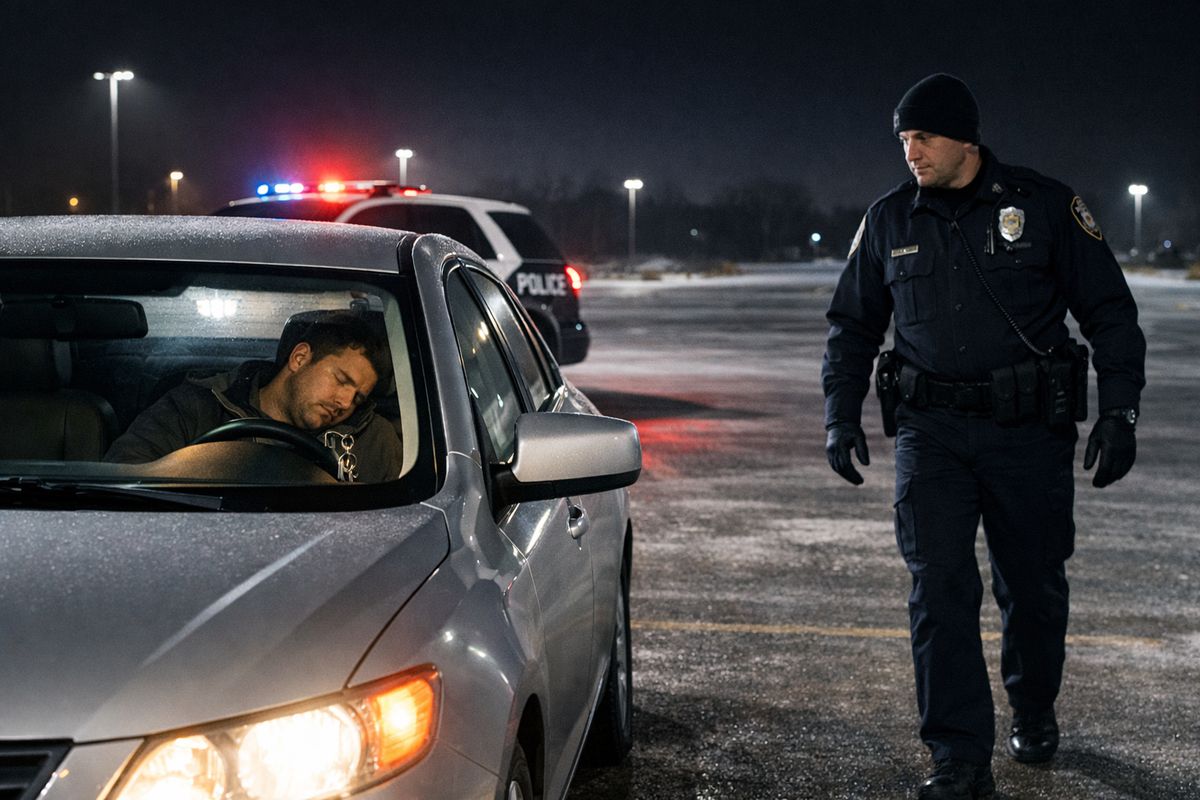
Sleeping It Off in Your Vehicle
A lot of people assume sleeping in the car is the safe fallback. Sometimes it is safer than trying to drive. But safer is not the same as legally protected.
The catch is that police and prosecutors may still focus on whether you operated the vehicle before falling asleep, whether you had immediate control over it, whether the engine was on, and where the keys were. A person asleep in the driver’s seat with the key in the ignition creates a much different picture than a person in the back seat with no sign of recent vehicle use.
Because these cases often turn on fine details, questions about whether the stop or contact was legally justified can become a big part of the defense.
Refusing a Breath, Blood, or Urine Test
Refusing chemical testing does not make the case disappear. In Wisconsin, implied consent law says that by driving on Wisconsin roads, you have already agreed to chemical testing under certain conditions after a lawful OWI arrest.
A refusal can trigger separate consequences, especially for your license. It can also be used in ways that make the overall situation harder, not easier. If that issue applies to your case, this page on what refusal penalties can look like gets into the details.
Who Can Face Different or Stricter Rules
Not every driver is judged by the same threshold. Some categories face stricter standards, and that can make a charge easier to trigger.
Underage Drivers
If you are under 21, the rules get tighter fast. Wisconsin underage alcohol laws and driver restrictions can create a very low tolerance environment for alcohol and driving.
That matters because an underage case does not need to look like the standard adult .08 case to become serious. A lower alcohol reading can still create legal trouble, and the license impact can hit hard. For a closer look, this guide to how under-21 cases are treated helps sort out the difference.
Commercial Drivers
Commercial drivers can face a lower BAC standard when operating a commercial motor vehicle. And even when the underlying case looks similar to a noncommercial OWI, the fallout can be much bigger because your commercial driving privileges may be on the line.
That is the part people often underestimate. A case that affects your CDL can also affect your job, income, and future driving eligibility in a way that reaches far beyond the court date.
Drivers With Prior OWI Convictions
Prior OWI history changes a lot in Wisconsin. It can lower the prohibited alcohol concentration that applies to you, increase penalties, and make prosecutors treat the case much more seriously from the start.
A repeat case is not just “the same thing again.” It is usually easier to trigger harsher consequences, and prior convictions can stack up in ways that reshape charging, sentencing, and license consequences. If that is your situation, this explanation of how prior cases change the stakes is worth reading.
What Happens After You’re Charged
The legal process feels confusing mostly because it moves fast and uses terms that sound more dramatic than they need to. Once you break it into steps, it gets easier to follow.
The Traffic Stop, Arrest, and Testing Process
Most cases begin with a stop. Police may say you were speeding, drifting, braking oddly, driving without headlights, or doing something else that drew attention. After the stop, the officer watches for signs of impairment such as odor of alcohol, speech changes, balance problems, or confusing answers.
Field sobriety tests may follow. Those are roadside exercises meant to give officers more clues, not a pass-fail school test. If the officer believes there is enough evidence, an arrest can happen, followed by a request for chemical testing, usually breath, blood, or sometimes urine.
The paperwork starts immediately after that. If you want a broader sense of what the post-arrest process usually looks like, it helps to see the OWI case as part of the larger criminal and traffic process.
Notice of Intent and License-Related Consequences
One thing catches people off guard more than almost anything else: license trouble can start quickly.
In Wisconsin, a Notice of Intent may be issued in connection with chemical test issues or other license-related consequences. Deadlines matter. Miss one, and you can lose options that would have been available if you acted right away. That is why the first few days after arrest are so important, even before the court case gets very far.
First Offense vs. Repeat Offense
A first OWI in Wisconsin is often handled differently from later offenses. In many cases, a first offense is treated more like a serious traffic matter than a criminal charge. But “just a first offense” is still not small. Fines, license consequences, assessments, and ignition interlock requirements can still follow.
Later offenses are where the system gets much harsher. Repeat cases can become criminal offenses and, in some circumstances, felony-level matters depending on the number of prior offenses or whether injury is involved.
Penalties and Long-Term Effects You Should Know About
The legal label matters, but the real-life effect matters more. Even a case that does not sound severe at first can create months or years of disruption.
Fines, License Suspension, and Required Programs
Common OWI penalties in Wisconsin can include fines, license suspension or revocation, alcohol assessment, education or treatment requirements, and ignition interlock device rules in some cases. An ignition interlock is the breath device installed in a vehicle that has to be cleared before the car starts.
Those penalties can stack together in a way that feels heavier than any single one by itself. Money goes out. Time disappears. Daily routines get harder.
Criminal Record and Background Check Concerns
One of the biggest questions is whether the case is “criminal.” In Wisconsin, a first OWI is often treated as a civil traffic offense rather than a criminal offense, but that is not the whole story. Certain facts, such as injury, minors in the vehicle, or prior offenses, can change the picture.
That distinction matters because criminal cases carry different consequences for background checks, future charging, and how employers or licensing bodies view the record. For a closer look at the bigger picture, this guide to the lasting fallout from a Wisconsin DUI case helps explain what can follow you after court ends.
The Ripple Effect on Insurance, Work, and Daily Life
Here is the part nobody wants to deal with: your life does not pause neatly around a court schedule.
Insurance can jump. Commuting can become a headache. Missing work for court, classes, testing, or license issues adds stress at the exact moment you are trying to keep normal life together. If your job depends on driving, the pressure gets even worse. An OWI charge can start as one traffic stop and turn into a daily logistics problem for months.
Common Questions About What “Counts” as a Wisconsin DUI Charge
A lot of confusion comes from edge cases, half-true advice, and stories passed around like legal folklore. Most of those stories leave out the details that actually matter.
Can You Be Charged If You Weren’t Actually Driving?
Yes, potentially. Because Wisconsin uses “operating,” not just “driving,” a charge can come up even if the car was parked when police arrived. Control of the vehicle, engine status, key location, and evidence of recent movement can all matter.
Can Prescription Medication Lead to an OWI?
Yes. A valid prescription does not protect you from an OWI charge if the medication impaired your ability to operate safely. The law focuses on impairment, not just whether the substance was legally prescribed.
Does a First OWI in Wisconsin Count as a Crime?
Often, a first offense is handled as a civil traffic offense rather than a crime. But not always. Injury cases and some aggravating facts can change that quickly.
Does Refusing a Test Help Your Case?
No. Refusal usually creates a new set of problems, especially for your license, and it does not erase the underlying OWI investigation. In many cases, it makes the situation harder to defend, not easier.
When It’s Time to Get Legal Help
If you are trying to figure out whether your situation really counts under Wisconsin DUI laws, the answer usually lives in the details: why the stop happened, what “operating” looked like, what testing was requested, what your record shows, and how fast license consequences are already moving.
That is why quick legal review matters. Gather the citation, Notice of Intent, bond paperwork, test results if you have them, and any timeline you remember from the stop to the arrest. Then get the case looked at before deadlines start closing doors.
Nathan Dineen has built a reputation on proven results, dedicated client service, and aggressive DUI and criminal defense representation. Nationally recognized and trusted by clients throughout Wisconsin, Nate has been named among the Top 100 Trial Lawyers, holds a 10.0 Superb Avvo Rating, and has earned Super Lawyers recognition 11 times, including a 2026 Super Lawyers designation. If you are looking for an experienced attorney in Wisconsin, contact Nate today to discuss your case and receive personalized guidance from one of the state’s most respected criminal defense lawyers.
Frequently Asked Questions
How long can an OWI case take in Wisconsin?
Some cases move fairly quickly, while others take months depending on testing, motions, court scheduling, and whether the case is contested. License-related deadlines often arrive much sooner than the final resolution, which is why fast action matters.
Can you get an OWI for drugs even if no alcohol was involved?
Yes. Alcohol is only one path to an OWI. If drugs, including cannabis, illegal drugs, or prescription medication, impaired safe operation, that can support the charge.
What if the officer did not see you driving?
A charge can still happen. Wisconsin cases can rely on evidence of operation other than direct observation, including admissions, witness statements, vehicle location, engine status, and surrounding circumstances.
Is a parked car defense always enough to beat the charge?
No. A parked vehicle does not automatically end the case. It may help, but everything depends on facts showing whether you operated the vehicle or had actual control in a way the law recognizes.
Can an OWI and reckless driving come from the same incident?
Yes, that can happen. Police sometimes issue multiple allegations based on the same event if the driving behavior also fits a separate traffic or criminal offense.
What should you do right after an OWI arrest?
Keep every document, write down the timeline while it is still fresh, and get legal advice quickly. Small details about the stop, the tests, and the paperwork can make a bigger difference than most people expect.

About Nate Dineen
Wisconsin legal insights from the DUI Defense WI team.