Minor DUI Laws in Wisconsin: BAC Limits and Penalties
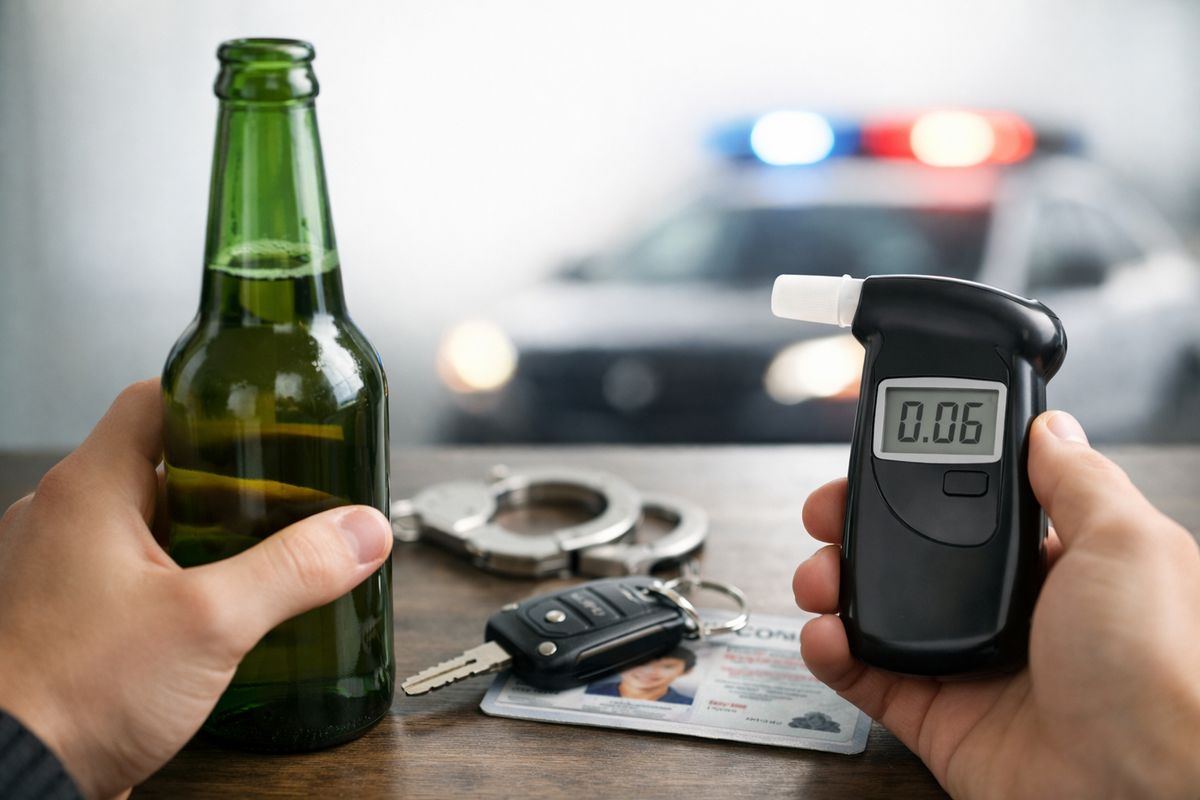
Minor DUI laws in Wisconsin are stricter than most people expect, and that surprise is exactly what gets a lot of under-21 drivers into trouble. If you are trying to figure out how one drink, one traffic stop, or one bad call after a night out can affect your license and your record, here is what those rules actually mean.
What “Minor DUI” Means in Wisconsin
In plain English, “minor DUI” usually means an alcohol-related driving case involving someone under 21. In Wisconsin, that phrase is common, but the legal issue is often not the same as a standard adult drunk driving case. Instead, it usually ties back to underage alcohol restrictions and the much lower prohibited alcohol concentration for drivers under 21.
Here’s the thing: Wisconsin does not give underage drivers the same margin that drivers 21 and older get. If you are under 21, the law is built around the idea that alcohol and driving should not mix at all. That is why a case can start even when your blood alcohol level is far below the adult .08 limit.
Why Wisconsin’s under-21 rules are different
Wisconsin uses a zero-tolerance style approach for underage drinking and driving. That does not mean every case is labeled exactly the same, but it does mean the law steps in early. You do not need to seem obviously drunk, slur your words, or drive all over the road for alcohol-related penalties to kick in.
Think of it like a smoke alarm that goes off at the first hint of trouble, not once the kitchen is already on fire. For underage drivers, the law is looking for any measurable level that crosses the underage line, not just clear intoxication.
Wisconsin BAC Limits for Drivers Under 21
The BAC limit is the heart of most searches about minor DUI laws, and for good reason. The line changes depending on your age. If you are 21 or older, the standard per se DUI limit is .08 percent. If you are under 21, the threshold is much lower.
That lower threshold is part of why so many drivers end up shocked by the citation. A person can be nowhere near what most people picture as “drunk” and still face an alcohol-related driving charge.
The underage BAC limit: 0.02%
For drivers under 21, a BAC of 0.02 percent can be enough to trigger underage alcohol-related penalties in Wisconsin. That is a tiny amount. In real life, it can catch someone who thought one drink at a friend’s apartment, then a short drive home, was no big deal.
That low number matters because it changes how you should think about risk. If you are under 21, “I’m fine to drive” is not a useful standard. The legal question is often not whether you felt drunk, but whether your BAC crossed 0.02.
When an underage driver can still face an adult DUI
Being under 21 does not protect you from a regular OWI charge. If your BAC is .08 or higher, or if your driving and behavior show impairment, you can still be charged the same way an adult can.
That means an underage case can move from a low-threshold alcohol violation into a full drunk driving prosecution. If you want a clearer picture of how Wisconsin defines that offense generally, it helps to read more about what an OWI charge actually means here.
BAC, impairment, and “OWI” in Wisconsin
In Wisconsin, OWI means “operating while intoxicated.” That is the term Wisconsin uses most often instead of DUI. If that wording has always seemed confusing, you are not alone. A simple breakdown of why Wisconsin uses OWI instead of other labels can make the whole system easier to follow.
BAC is the number from a breath, blood, or urine test. Impairment is different. It refers to signs that alcohol affected your ability to drive safely, such as bad lane control, delayed reactions, or trouble following instructions. Sometimes a case is built mostly on the test result. Sometimes it is built on what the officer says happened on the road and during the stop.
What Happens After a Minor DUI or Underage Alcohol Driving Stop
After a stop, the process can feel messy fast. One moment you are answering questions on the side of the road, the next you are staring at paperwork with deadlines attached. Knowing the basic flow helps you stay calmer and avoid making things worse.
The traffic stop and chemical testing
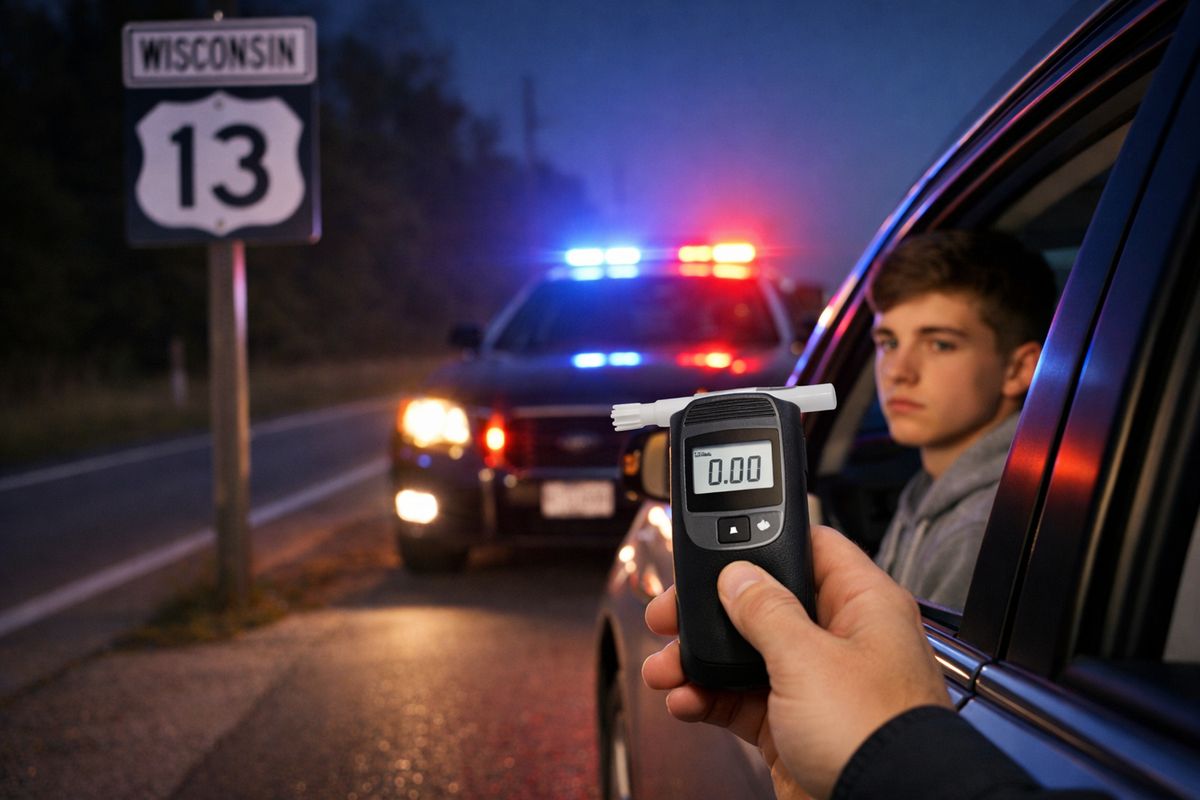
An officer may stop you for a traffic issue, a driving pattern, or another reason tied to suspected alcohol use. After that, the officer may ask questions, watch for signs of drinking, and request chemical testing through breath, blood, or urine.
Wisconsin also has implied consent rules. In plain English, by driving on Wisconsin roads, you agree to chemical testing in certain situations if an officer has the legal basis to request it. That does not mean every stop is valid, though. In some cases, the real fight starts with whether police had a lawful reason for the stop in the first place.
Refusing a breath or blood test
A refusal does not make the problem disappear. In fact, it can create a second problem.
If you refuse a requested test, you can face separate license consequences on top of the underlying alcohol-related case. A lot of people make this choice in a panic because it feels like hitting pause. It usually is not. If that issue is part of your case, it helps to understand how test refusals can affect your license and case.
Court dates, DMV-style consequences, and deadlines
A minor DUI or underage alcohol driving case can involve both court penalties and license-related consequences. Those are connected, but not identical. You may be dealing with a citation, a criminal or traffic-style proceeding, and administrative steps affecting your right to drive.
Timing matters more than most people realize. Miss a hearing, ignore a notice, or wait too long to respond, and the damage can snowball quickly. If you have already been arrested or cited, a practical guide on what usually happens right after a Wisconsin DUI arrest can help you get oriented.
Penalties for Underage DUI in Wisconsin
The penalties depend on the exact charge, your BAC, your age, your driving record, and what happened during the stop. But the consequences most people care about are usually the same: losing the ability to drive, paying more than expected, and dealing with the fallout for months or longer.
License suspension and revocation
A suspension usually means your driving privilege is taken away for a set period, then returned once you satisfy the requirements. A revocation is more serious. It ends your license status, and getting back on the road usually takes extra steps to reapply and qualify again.
For an underage alcohol violation, license consequences can arrive fast. For a standard OWI or refusal-related issue, the stakes can rise even more. Either way, your ability to get to class, work, practice, or a job interview can change overnight.
Fines, surcharges, and other costs
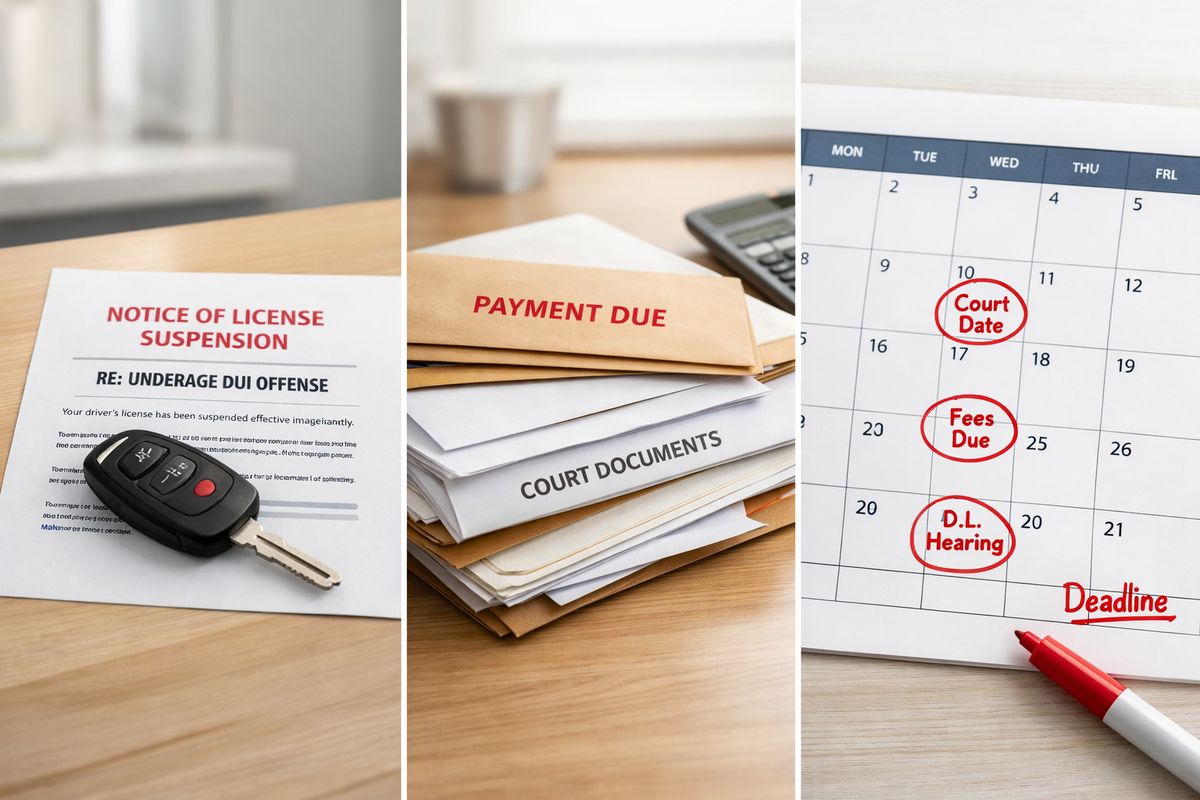
The money side adds up faster than people expect. There may be a fine, court costs, surcharges, testing fees, reinstatement fees, and increased insurance costs later. One stop near State Street in Madison can turn into a stack of bills before the case even feels real.
That is part of why these charges are not “small” just because nobody got hurt. The direct penalties are one thing. The hidden costs are often what sting the longest. A broader look at how DUI penalties ripple through everyday life helps put that in perspective.
Higher penalties for a standard OWI or repeat offense
Penalties increase if your BAC is high enough for a regular OWI, if you have a prior record, or if the case involves aggravating facts such as an accident, injury, or dangerous driving. A case can also get much more serious if repeat offenses are involved.
If your situation includes prior convictions, you should pay close attention to how Wisconsin stacks repeat drunk driving cases. The jump from a first-time mistake to a far more serious charge is not abstract. It can happen fast.
Possible school, work, and insurance fallout
The court penalties are only part of the picture. Losing your license can make it harder to get to campus, hold a part-time job, or keep an internship. Insurance rates can jump. Some employers and licensing boards also take alcohol-related driving offenses seriously.
That is the catch. Even if the court side looks manageable on paper, the real-life disruption can be bigger than expected.
Related Charges That Often Come With a Minor DUI Case
A minor DUI case is not always just one charge. Traffic stops often uncover other issues, and those can complicate your options.
Underage drinking or possession of alcohol
If alcohol is involved, you can also face separate underage drinking or possession allegations. Even if the BAC issue gets most of the attention, those extra citations can still matter for fines, record concerns, and how the prosecutor views the case.
Open container or alcohol in the vehicle
Alcohol found in the vehicle can lead to open container issues or related citations. That can apply even if the driving charge itself is the main concern. It gives the case another layer, and more layers usually mean more room for problems.
Fake ID, passengers, or other added complications
A fake ID can make the case worse. So can having other minors in the car, extra traffic citations, or facts that suggest poor judgment beyond the BAC number itself. Cases with these details are harder to clean up on your own because the story the paperwork tells becomes more damaging.
Common Questions About Minor DUI Laws in Wisconsin
These are the questions that usually show up right after the stop, right after the call from jail, or right after the paperwork lands in your hand.
Can you get a DUI in Wisconsin if you are under 21 and below 0.08?
Yes. If you are under 21, a BAC of 0.02 percent can be enough for underage alcohol-related driving penalties. That is why so many people get caught off guard. The adult .08 limit is not the rule that protects you if you are underage.
Will a minor DUI stay on your record?
It depends on the exact charge and how the case ends. Some outcomes carry longer-lasting record consequences than others, and the label on the paperwork matters. A small detail in the charging decision can change a lot about the long-term impact.
Can you get a restricted or occupational license?
Some drivers may be able to get limited driving privileges, such as an occupational license, but eligibility depends on the charge, timing, refusal issues, and prior history. This is one of those areas where the details really matter, because a missed step can block an option you otherwise had.
What if this is your first offense?
A first offense still matters. A lot. “First” does not mean harmless, and it definitely does not mean something to shrug off. If your license, insurance, school schedule, or future job plans matter to you, treating the case seriously from day one is the right move.
When to Talk to a Wisconsin DUI Lawyer
If you are under 21 and facing any alcohol-related driving charge, legal help matters early, not later. That is especially true if you are dealing with a BAC-based allegation, a refusal, a threat to your license, or facts that could push the case into a standard OWI.
How a lawyer can help with a minor DUI case
A lawyer can review whether the stop was legal, whether testing was handled correctly, whether deadlines were missed, and whether there are ways to reduce the damage. Sometimes the biggest value is not a dramatic courtroom moment. Sometimes it is catching a flaw in the process, protecting your license options, or preventing a bad outcome from getting worse.
If you are trying to choose counsel, it helps to know what to look for in a Wisconsin drunk driving attorney. Experience with local courts, license issues, and under-21 cases matters.
What to bring to a consultation
Bring the ticket, court notice, bond paperwork, test results if you have them, any prior record information, and a simple timeline of what happened. Include details that seem small, like where you were stopped, what the officer said, and whether testing happened at the scene or later.
Gather your paperwork before making the call. That one step can make your first conversation far more useful.
Frequently Asked Questions
Is a minor DUI the same thing as an OWI in Wisconsin?
Not always. “Minor DUI” is a common phrase, but Wisconsin often handles under-21 alcohol driving issues under lower BAC rules and underage alcohol restrictions. If your BAC is high enough or your driving shows impairment, the case can also become a standard OWI.
How little alcohol can trigger an underage case?
Very little. For drivers under 21, 0.02 percent BAC can be enough. That is why “just one drink” can still create a real legal problem.
Can refusing a test help you avoid a conviction?
No. Refusing can lead to separate penalties, especially for your license. It may also complicate your defense rather than help it.
Will a first underage DUI automatically ruin your future?
No, but it can create real problems if you ignore it. Your license, insurance, school plans, and job opportunities can all take a hit, which is why quick, careful handling matters.
Do you need a lawyer for an under-21 alcohol driving charge?
You are not required to hire one, but these cases carry enough risk that trying to wing it is a bad bet. Under-21 rules, license issues, deadlines, and related charges can get complicated fast.
Nathan Dineen has built a reputation on proven results, dedicated client service, and aggressive DUI and criminal defense representation. Nationally recognized and trusted by clients throughout Wisconsin, Nate has been named among the Top 100 Trial Lawyers, holds a 10.0 Superb Avvo Rating, and has earned Super Lawyers recognition 11 times, including a 2026 Super Lawyers designation. If you are looking for an experienced attorney in Wisconsin, contact Nate today to discuss your case and receive personalized guidance from one of the state’s most respected criminal defense lawyers.

About Nate Dineen
Wisconsin legal insights from the DUI Defense WI team.