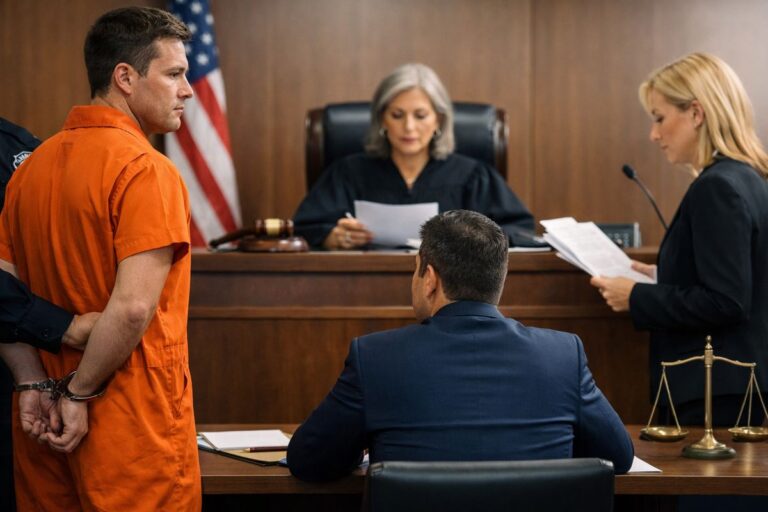
Felony DUI in Wisconsin: When a Misdemeanor Turns Serious
A 2023 Wisconsin Department of Transportation OWI report makes the stakes plain: repeat drunk-driving charges draw some of the harshest penalties in the state. If you are searching for felony DUI Wisconsin, you need a clear answer fast, because in Wisconsin an OWI that starts as a traffic-related criminal case can turn into a felony that threatens your freedom, your license, and your future.
What Counts as a Felony DUI in Wisconsin
In Wisconsin, the charge is usually called OWI, short for Operating While Intoxicated, not DUI. That naming difference matters less than the classification. A first, second, or third OWI is generally charged as a misdemeanor, while a fourth offense is usually a felony. A case also becomes a felony earlier if it involves injury, great bodily harm, or death.
That is the simplest version of felony DUI Wisconsin: either your prior record pushes the case into felony territory, or the harm alleged in the incident does. Wisconsin also uses related charges such as PAC, meaning prohibited alcohol concentration, and injury-based intoxicated use offenses. The label on the complaint controls the exposure, not your guess about how serious the roadside stop felt.
What this means in practice is simple. You need to identify the exact offense level immediately. Read the charging documents line by line and confirm whether the state filed OWI, PAC, injury by intoxicated use, homicide by intoxicated use, or another related felony count. If you need background on the terminology, start with a plain-English explanation of why Wisconsin uses OWI instead of other drunk driving labels.
When a Wisconsin DUI Becomes a Felony
The Wisconsin Statutes set the main dividing line at the fourth offense, but that is not the only path. Injury and death allegations can turn a case into a felony even when the incident is not your fourth OWI. The move that works is matching your facts to the legal charging path instead of assuming the outcome from what happened on the road.
Fourth OWI and Beyond
A fourth OWI in Wisconsin is generally a felony. From there, the penalties get steeper with each new conviction. Fifth and sixth offenses carry higher fines, longer confinement exposure, longer revocation periods, and tighter ignition interlock requirements. Seventh, eighth, and later offenses move further into serious prison-level punishment.
Wisconsin also counts qualifying prior convictions from other states. That means an old case from Illinois, Minnesota, or Florida can still raise your current Wisconsin charge if the offense is substantially similar and properly documented. The common mistake is assuming only Wisconsin convictions count. That assumption is expensive.
Write out a timeline of every prior alcohol-related driving conviction you have ever had, including dates, locations, and case numbers. That single document gives your lawyer a clean starting point for checking how the prosecution is counting priors. For a deeper breakdown of the offense threshold, review how repeat drunk driving charges cross into felony territory.
DUI Causing Injury or Great Bodily Harm
A Wisconsin DUI becomes a felony much earlier when another person is injured. Charges such as injury by intoxicated use of a vehicle or causing great bodily harm by intoxicated use do not require a fourth offense. One crash with injuries is enough to put you in felony court.
Here is where it gets serious fast. Once injury enters the case, the defense is no longer just about impairment or BAC. It becomes a causation case, a medical evidence case, and often a crash reconstruction case. Prosecutors push hard on these files because the harm allegation changes the emotional and legal stakes at once.
Preserve every medical, crash, and witness record tied to the incident immediately. If your case involves alleged injuries, the facts need to be secured before memories shift and records become harder to obtain. More detail on that issue appears in this explanation of when an injury allegation changes the entire case.
DUI Causing Death
The most severe felony OWI allegations involve death, including homicide by intoxicated use of a vehicle. These cases carry extreme sentencing exposure and demand immediate, disciplined defense work. Every statement, every test result, every reconstruction opinion, and every timing detail matters.
In a death case, causation becomes a central battlefield. The state must do more than say alcohol was present. Prosecutors must prove operation, intoxication or prohibited alcohol concentration, and a legally sufficient connection between the driving and the death. Road conditions, speed, mechanical failure, third-party driving, and medical intervention all matter.
Stop discussing the facts with anyone except your attorney. Save every text, call log, photo, insurance communication, and vehicle-related record connected to the crash.
How Wisconsin Counts Prior OWI Offenses
A 2024 review of Wisconsin court sentencing patterns shows that repeat-offense classification drives the penalty range more than almost any other single factor. Wisconsin uses a lifetime lookback for OWI counting. That means old convictions do not simply age out.
This is where many people get blindsided. A conviction from decades ago can still count today. The idea that a ten-year-old or twenty-year-old DUI no longer matters is wrong in Wisconsin. If the state proves a valid prior offense, it counts toward the current charge.
What this means in practice: verify the count early. One prior offense can change the entire case from misdemeanor to felony, or from one felony tier to a harsher one. Order your driving record and criminal history before your first major court date. If you want a broader picture of how priors stack up, read about how Wisconsin treats repeat drunk driving history.
Do Out-of-State DUIs Count in Wisconsin?
Yes, qualifying out-of-state drunk-driving convictions often count in Wisconsin. The key question is similarity. If the other state’s offense is close enough to a Wisconsin OWI-related offense, prosecutors can use it to increase the current offense count.
Record matching errors happen. State databases are not perfect, old case files are often incomplete, and offense labels vary from state to state. A reckless-driving-style plea in one jurisdiction is not always the same as an OWI conviction in another. That detail matters.
Compare the prosecutor’s prior-offense list against certified records from every state involved. Do not rely on a summary printout.
Do Old DUI Convictions Ever Drop Off?
For charging purposes in Wisconsin, prior OWI convictions generally do not drop off. The lifetime counting rule means age alone does not help you. A decades-old conviction can still turn a current arrest into a felony filing.
That changes the way you should think about old cases. The question is not whether the conviction is old. The question is whether the conviction is legally valid and properly counted. An invalid prior can sometimes be challenged, but time itself does not erase it.
Stop assuming age fixes the problem. Have every prior reviewed for legal validity instead.
Penalties for a Felony DUI in Wisconsin
According to the Wisconsin Legislature’s OWI penalty structure, felony OWI consequences reach far beyond incarceration. A felony DUI in Wisconsin affects three things at the same time: your liberty, your ability to drive, and the long-term record that follows you after the case ends.
Prison, Jail, Fines, and Supervision
A fourth-offense OWI is a felony with possible incarceration, significant fines, mandatory surcharges, and supervision conditions. As the offense number rises, so does the sentencing range. At that point, the difference between jail and prison matters. Jail usually means county confinement. Prison means state correctional custody, with all the disruption and long-term consequences that come with it.
Sentencing also turns on details that seem small until they are not: BAC level, prior compliance with treatment or supervision, whether a crash occurred, whether anyone was injured, and whether you followed bond conditions after arrest. Judges look at the whole history, not just the citation from one night.
Ask for the exact statutory penalty range attached to your charge. Do not accept a rough estimate.
License Revocation and Ignition Interlock Requirements
License consequences are not secondary. They are a core penalty. Felony OWI cases usually bring revocation periods, ignition interlock device requirements, insurance fallout, and difficult reinstatement conditions. If you need to drive to work, treatment, school, or court, these consequences hit immediately.
An occupational license can help in some situations, but it is not automatic and it comes with strict terms. SR-22 insurance requirements and IID costs add another layer of strain. Regaining full driving privileges is a process, not a formality.
Plan transportation early instead of waiting for sentencing. If your license is revoked, know how you will get to work, treatment, and court from day one. For a broader view of the fallout, see what a drunk driving conviction changes beyond the courtroom.
Felony Record and Collateral Consequences
A felony conviction follows you long after fines are paid and supervision ends. Employment applications, professional licensing boards, housing screenings, firearm restrictions, immigration consequences, and insurance pricing can all be affected. Some jobs become harder to keep. Some careers become impossible to enter.
That is why plea decisions in felony OWI cases cannot be based on jail time alone. The record itself carries weight. If your work depends on a commercial license, a state credential, security clearance, or background check, that issue belongs at the center of your defense planning.
List every license, certification, and employment screening requirement tied to your job and bring that list to your consultation. You should also understand how a felony record can affect life after court.
What Prosecutors Must Prove in a Wisconsin Felony DUI Case
A 2023 National Highway Traffic Safety Administration evidence review found that DUI prosecutions often turn on procedure, testing, and causation evidence, not just the arrest itself. In Wisconsin terms, prosecutors still have to prove each element of the charged offense with admissible evidence.
That usually means proof that you operated a vehicle, proof that you were intoxicated or over the prohibited alcohol concentration, and in injury or death cases, proof that your operation caused the harm alleged. The charge sounds overwhelming, but the state does not get to skip steps.
Request a line-by-line review of the criminal complaint against the legal elements. That is how weak points surface.
Chemical Tests, Blood Draws, and BAC Evidence
Blood, breath, and urine tests can all appear in felony OWI cases, though blood draws are especially common in injury and death allegations. The prosecution still has to show the test was lawfully obtained and reliably handled. That includes warrant issues, implied consent questions, chain of custody, timing of the draw, and lab procedures.
Timing matters more than most people realize. A delayed blood draw can complicate the connection between the result and the time of driving. Documentation gaps matter too. A strong number on paper is not the end of the case if procedure broke down along the way.
Get the toxicology results, notice paperwork, and all time stamps from arrest through testing.
Field Sobriety Tests and Officer Observations
Officer observations matter, but they are not beyond challenge. Slurred speech, balance issues, odor of alcohol, red eyes, and performance on field sobriety tests all show up in reports. So do your statements. Video often tells a more complete story than the written narrative.
The reason for the stop matters too. If the police lacked a lawful basis to pull you over or continue the detention, major evidence can be challenged. That issue deserves focused review, especially in a felony file. A useful starting point is understanding what police need before escalating an OWI stop.
Secure body-cam, dash-cam, and any nearby surveillance footage before routine deletion policies wipe it out.
Causation in Injury and Death Cases
In crash cases, prosecutors must connect intoxication, driving, and harm in a legally sufficient way. That sounds abstract until you apply it. If weather, road design, another driver, a sudden medical event, or a vehicle defect played a meaningful role, causation becomes a contested issue.
Medical records matter. Accident reconstruction matters. Event data recorders matter. Phone records, 911 calls, and impact timing matter. In a serious injury or death case, the file often becomes technical very quickly.
Start an independent investigation as early as possible if injuries or death are involved.
Defenses That Matter in a Felony DUI Wisconsin Case
A 2024 American Bar Association practice survey found that early evidence review changes case outcomes by exposing weaknesses before positions harden. That principle fits felony OWI litigation exactly. The move that works is building your defense around facts and procedure, not excuses.
Create one folder with every document, video, receipt, witness name, and communication tied to the arrest. Organization gives your lawyer something useful to work with.
Illegal Stop or Arrest
If the traffic stop, detention, or arrest was unlawful, key evidence can be suppressed. That turns on reasonable suspicion and probable cause. Police need a valid reason to stop your vehicle and enough evidence to continue the investigation and arrest you.
This is not a technical loophole. It is a basic constitutional requirement. If the stop was weak from the start, everything that followed deserves close review. Write down exactly why you believe the stop happened while the memory is still fresh. For more on that point, see what can get an OWI case challenged at the stop stage.
Problems With Prior Convictions
A felony charge can unravel if the state miscounts priors or relies on an invalid old conviction. That happens more often than most people expect. Old records are messy. Out-of-state cases are easy to misclassify. Uncounseled pleas and paperwork defects can matter.
This defense theme is especially important in a fourth-offense filing. If one prior falls out, the entire case classification can change. Ask for certified copies of every prior conviction the prosecutor plans to use.
Testing and Procedure Challenges
Chemical test evidence is only as strong as the procedure behind it. Delayed blood draws, contamination issues, fermentation, machine maintenance defects, broken chain of custody, and incomplete lab documentation can all affect the case. In felony OWI litigation, technical details often decide leverage.
That does not mean every test result is beatable. It means procedure matters because reliability matters. If chemical evidence sits at the center of the prosecution, have an expert-ready case file assembled early.
What To Do Immediately After an Arrest for Felony DUI in Wisconsin
A 2024 Legal Services Corporation survey found that early legal action improves a person’s ability to protect records, deadlines, and defense options. That holds true here. The first days after arrest shape the entire felony OWI case.
Hire a Wisconsin OWI defense lawyer immediately and stop discussing the case anywhere else. If you need a practical starting point, review the immediate moves that protect you after an OWI arrest.
Protect Your License and Court Deadlines
Bond conditions, administrative steps, first appearances, and IID-related orders create deadlines fast. Missing a court date or misunderstanding a revocation issue creates avoidable damage. Put every court date, license deadline, and compliance requirement into your phone calendar today.
Preserve Evidence Before It Disappears
Video footage disappears. Vehicles get repaired or destroyed. Witnesses stop answering unknown numbers. Phone location data becomes harder to access. Delay costs leverage.
Have counsel send preservation requests for body-cam footage, dash-cam, jail calls, dispatch audio, tow-yard photos, and any private surveillance video immediately.
Prepare for the First Meeting With Your Lawyer
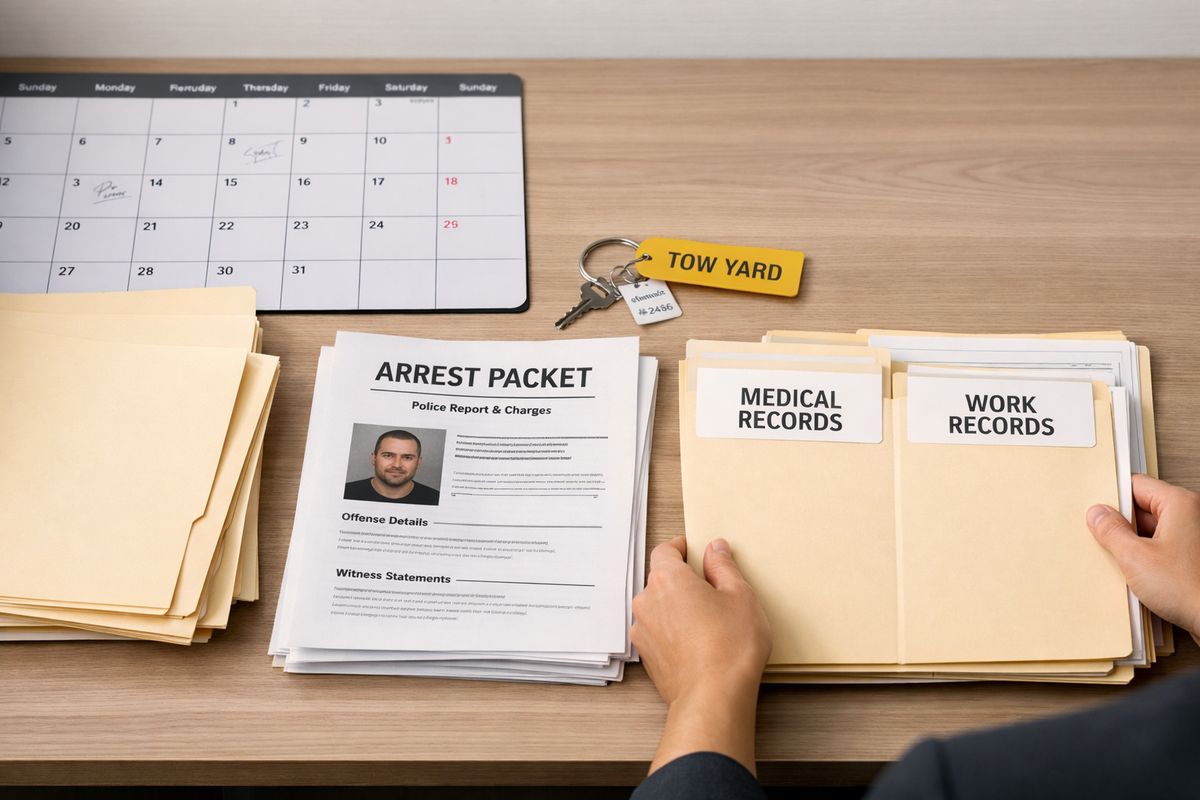
Bring the charging papers, bail paperwork, prior conviction history, medication information, treatment records, work-related concerns, and your own timeline of events. A complete first meeting saves weeks of cleanup later.
Draft a chronological account of the stop, arrest, testing, and release before the consultation.
How a Wisconsin OWI Lawyer Helps in a Felony Case
A 2023 Bureau of Justice Statistics review of felony case processing found that representation quality directly affects motions practice, case navigation, and sentencing preparation. That is exactly why felony OWI cases demand focused counsel. These files are document-heavy, deadline-driven, and unforgiving.
Choose a lawyer with real Wisconsin OWI felony experience, not broad marketing language. If you are comparing counsel, start with what to look for in a lawyer handling serious drunk driving charges.
Reviewing the State’s Evidence
A strong defense starts with the file, not assumptions. That means police reports, squad video, body-cam, toxicology, certified priors, warrant materials, witness statements, and crash reconstruction evidence all need review. The first 30 days matter because early analysis shapes every motion and negotiation that follows.
Ask any lawyer you consult how evidence review works in the first month.
Negotiating Charge Reductions or Sentencing Outcomes
Lawyers do more than appear in court. In the right case, counsel challenges priors, attacks enhancers, exposes proof problems, negotiates reduced counts, and builds sentencing arguments around treatment, employment, family obligations, and post-arrest compliance.
If sentencing becomes the focus, preparation matters. Start collecting treatment records, work records, and character materials early.
Taking the Case to Motions or Trial
Motion practice and trial readiness change the pressure on both sides. Suppression hearings, expert testimony, and evidentiary challenges are often the points where felony OWI cases turn. A lawyer prepared to litigate has stronger plea leverage than one prepared only to settle.
Ask how often the lawyer actually litigates felony OWI cases through motions or trial, not just plea hearings.
Common Questions About Felony DUI in Wisconsin
A 2024 Pew Research Center survey found that people facing legal problems search first for direct answers, not abstract doctrine. That approach makes sense here. If you are dealing with a felony DUI Wisconsin charge, you need clear answers fast.
Is a Fourth DUI Always a Felony in Wisconsin?
A fourth OWI is generally a felony in Wisconsin. The exact charge level and exposure still depend on how prior convictions are counted and whether the complaint includes additional allegations such as injury.
Can a Felony DUI Be Reduced?
Yes, but not through wishful thinking. Reductions turn on proof problems involving the stop, testing, prior convictions, causation evidence, and the prosecution’s ability to support the filed charge.
Will You Lose Your License for a Felony OWI?
License revocation is a central consequence in felony OWI cases. Ignition interlock requirements, reinstatement conditions, and insurance burdens usually follow.
How Long Does a Felony OWI Stay on Your Record?
A felony conviction stays with you long term, and prior OWI history remains highly relevant under Wisconsin’s lifetime counting approach. That is why every charging and plea decision matters.
Frequently Asked Questions
Does Wisconsin call it DUI or OWI?
Wisconsin usually uses OWI, which stands for Operating While Intoxicated. Many people still search for DUI, but the legal charging language in Wisconsin is typically OWI or a related alcohol-concentration offense.
Can a first DUI in Wisconsin be a felony?
Yes, if the incident involves death or serious injury allegations. A first offense does not need multiple priors to become a felony when the state alleges intoxicated use causing major harm.
Do refused tests make a felony case worse?
A refusal creates separate legal problems and can strengthen the prosecution’s position on license consequences and evidence arguments. It does not automatically decide the case, but it changes the terrain.
Does a plea from another state count as a prior OWI?
Often yes, if the out-of-state offense is substantially similar to a Wisconsin OWI-related offense and the state proves it with proper records. Certified documentation matters.
Can an illegal traffic stop get a felony OWI dismissed?
If the stop or arrest violated constitutional rules, key evidence can be suppressed. In the right case, that can weaken the prosecution enough to change or defeat the charge.
The Next Step To Take This Week
A 2024 American Bar Association legal needs assessment found that people who organize records before the first attorney meeting get faster, more precise legal guidance. That is the move that works here. If you are facing a felony DUI Wisconsin charge, schedule a consultation with a Wisconsin OWI defense lawyer this week and bring every document tied to the arrest, every prior conviction record, and your written timeline.
Speed and organization give you the strongest possible start.
Nathan Dineen has built a reputation on proven results, dedicated client service, and aggressive DUI and criminal defense representation. Nationally recognized and trusted by clients throughout Wisconsin, Nate has been named among the Top 100 Trial Lawyers, holds a 10.0 Superb Avvo Rating, and has earned Super Lawyers recognition 11 times, including a 2026 Super Lawyers designation. If you are looking for an experienced attorney in Wisconsin, contact Nate today to discuss your case and receive personalized guidance from one of the state’s most respected criminal defense lawyers.

About Nate Dineen
Wisconsin legal insights from the DUI Defense WI team.