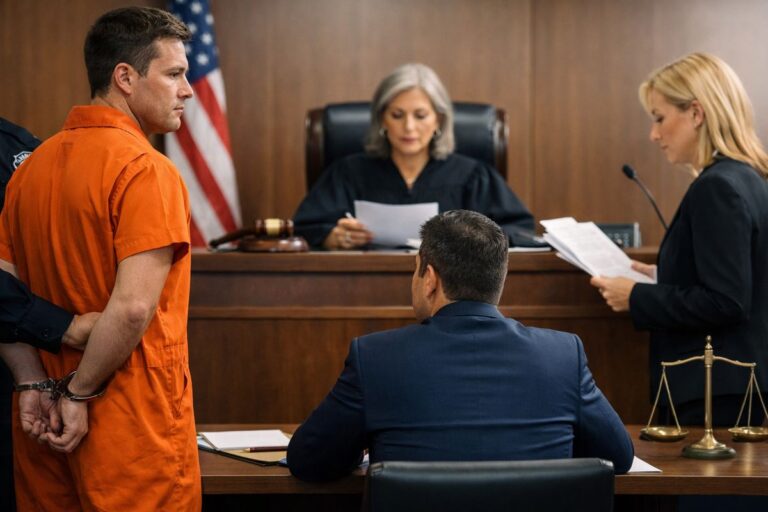
The Real Consequences of a DUI in Wisconsin

A Wisconsin DUI does not automatically mean felony conviction consequences, but the line can change quickly once prior offenses, injury allegations, or death enter the case. Under Wisconsin law, most first-offense OWI matters are civil, while certain repeat or injury-related cases become crimes, including felonies, which brings a different level of punishment and long-term restrictions.
How Wisconsin DUI Penalties Escalate Into Felony-Level Consequences
Wisconsin uses the term OWI, or Operating While Intoxicated, in its statutes and court system. The Wisconsin Legislature and Wisconsin Department of Transportation indicate that a first OWI is generally a civil offense, not a criminal conviction, unless aggravating facts apply. That changes with repeat offenses and with crashes involving injury or death.
If you are sorting out terminology, the distinction between DUI and OWI matters less than the charging level, though how Wisconsin labels impaired-driving charges can affect what records and forms actually say. The practical issue is simple: once a case moves into criminal territory, the sentence is only part of the problem.
Finding: in Wisconsin, DUI consequences depend heavily on offense number and harm caused, not just the arrest itself.
When a Wisconsin DUI becomes a felony
The main statutory triggers are straightforward. A fourth OWI offense is generally charged as a felony in Wisconsin, and felony exposure also arises in cases involving injury, great bodily harm, or homicide by intoxicated use of a vehicle under Wisconsin Statutes Chapter 346. The Wisconsin DOT also reflects escalating sanctions tied to prior offenses.
Not every DUI leads to a felony. That limitation matters, because overgeneralizing can distort both the legal risk and the likely outcome. If your case involves repeat allegations, how prior offenses are counted often determines whether the matter remains lower-level or becomes a felony case.
Finding: a Wisconsin DUI becomes a felony only in specific statutory circumstances, but those circumstances carry much broader penalties.
The difference between criminal penalties and collateral consequences
Court-imposed penalties include jail, prison, fines, license revocation, and supervision. Collateral consequences are separate restrictions that follow a conviction into employment, housing, licensing, and civil rights. The National Inventory of Collateral Consequences of Conviction provides the clearest framework for understanding that distinction.
That difference matters because a person can finish a sentence and still face barriers for years. In felony-level OWI cases, the record itself often becomes the longest-lasting consequence.
Finding: the sentence is only one part of the total impact of a felony-related DUI case.
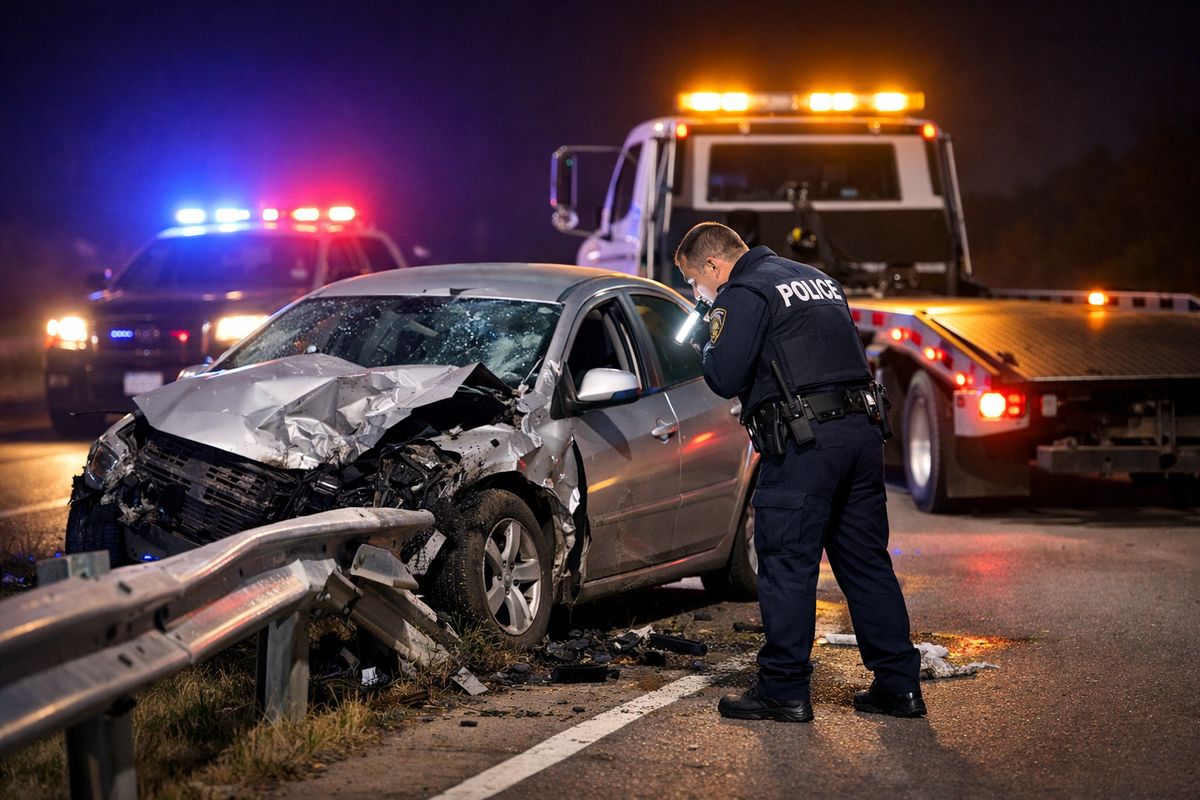
Immediate Legal Consequences After a Wisconsin DUI Arrest or Conviction
The Wisconsin DOT indicates that license-related penalties can begin early through administrative action, before the criminal case is resolved. After arrest, your short-term exposure may include booking, bond conditions, court dates, and driving restrictions, depending on the chemical test result, refusal allegation, and prior record.
Short-term procedure often matters as much as the charge. If you are trying to understand the sequence from arrest through court appearances, what usually happens after an OWI arrest helps place the criminal and administrative tracks in context.
Finding: the first consequences of a DUI case usually affect mobility, court obligations, and exposure to custody before longer-term impacts begin.
License suspension, revocation, and ignition interlock requirements
Under Wisconsin DOT guidance, an administrative suspension can follow a prohibited alcohol concentration, and refusal proceedings can trigger separate consequences under Wisconsin implied-consent law. After conviction, revocation periods increase with prior offenses, and some drivers may seek occupational licensing if eligible.
Ignition interlock device requirements also appear in repeat-offense and certain high-BAC cases, with installation, maintenance, and monitoring costs paid by you. Eligibility, timing, and reinstatement steps vary based on record and case facts.
Finding: your ability to drive can be restricted quickly, and reinstatement usually involves multiple legal and administrative steps.
Jail, prison, fines, and mandatory assessments
The Wisconsin Legislature sets escalating penalties for OWI offenses. Lower-level criminal OWI cases can involve county jail, while felony cases can expose you to state prison, especially where injury or death is alleged. Financial penalties also extend beyond fines to surcharges, alcohol assessments, treatment costs, and monitoring fees.
A related limitation is that sentence exposure on paper does not guarantee the same outcome in every county or every case. Still, once the charge reaches felony level, the punishment structure becomes significantly more severe.
Finding: a felony-level DUI in Wisconsin can shift your case from a short-term local penalty to long-term criminal punishment with significant financial cost.
Employment and Professional Licensing Risks After a Felony DUI
A 2023 Bureau of Justice Statistics report and long-running National Institute of Justice reentry research indicate that criminal records reduce employment opportunities after conviction and incarceration. In practice, a felony DUI can appear in standard background checks, court record searches, and, in driving-related work, motor vehicle record reviews.
The effect is not identical across all jobs. Roles involving transportation, insurance underwriting, security, child care, health care, or direct public trust usually face closer scrutiny than positions where driving is irrelevant.
Finding: employment consequences often extend well beyond the court sentence because criminal records remain visible in routine screening.
Background checks, hiring decisions, and job retention
Employers may consider conviction history, license status, insurance eligibility, and gaps caused by jail, prison, or court supervision. Jobs that require driving can be affected immediately by revocation or interlock restrictions. In other jobs, the effect may be less direct but still significant if a felony record appears during screening.
Wisconsin employers are not free to disregard all legal limits. State fair-employment rules still require some relationship between the conviction and the job in question, which is an important limitation against assuming automatic disqualification.
Finding: a felony DUI can affect both hiring and continued employment, especially where driving, safety, or trust-based duties are central.
Consequences for licensed professionals and commercial drivers
Licensed professionals may face reporting duties or disciplinary review by credentialing boards. Nurses, teachers, lawyers, and real estate professionals can encounter separate administrative proceedings after a conviction. For commercial drivers, the consequences can be especially severe under Federal Motor Carrier Safety Administration rules and Wisconsin licensing standards.
If your work depends on a CDL or a clean operating record, how Wisconsin separates ordinary OWI cases from more serious felony exposure becomes more than a technical distinction.
Finding: professional and commercial licensing systems can impose separate penalties even after the criminal case ends.
Civil Rights, Firearms, and Family-Related Consequences
A felony conviction can affect legal status beyond the criminal file. Wisconsin court and statutory rules indicate that some rights return automatically after sentence completion, while others remain limited or require a separate restoration process.
That split is easy to miss. A person may complete confinement and supervision yet still face restrictions in other areas of life.
Finding: felony conviction consequences in Wisconsin can reach rights and relationships that do not appear in the original charging document.
Voting rights and jury service
The Wisconsin Elections Commission states that voting rights are lost only while serving a felony sentence, including incarceration, probation, parole, or extended supervision, and are restored after sentence completion. Jury service can also be affected while felony status remains disqualifying under applicable court rules.
That means the loss is often temporary, but temporary can still mean years.
Finding: some civil rights loss is temporary in Wisconsin, but it can still affect civic participation for years.
Firearm possession restrictions
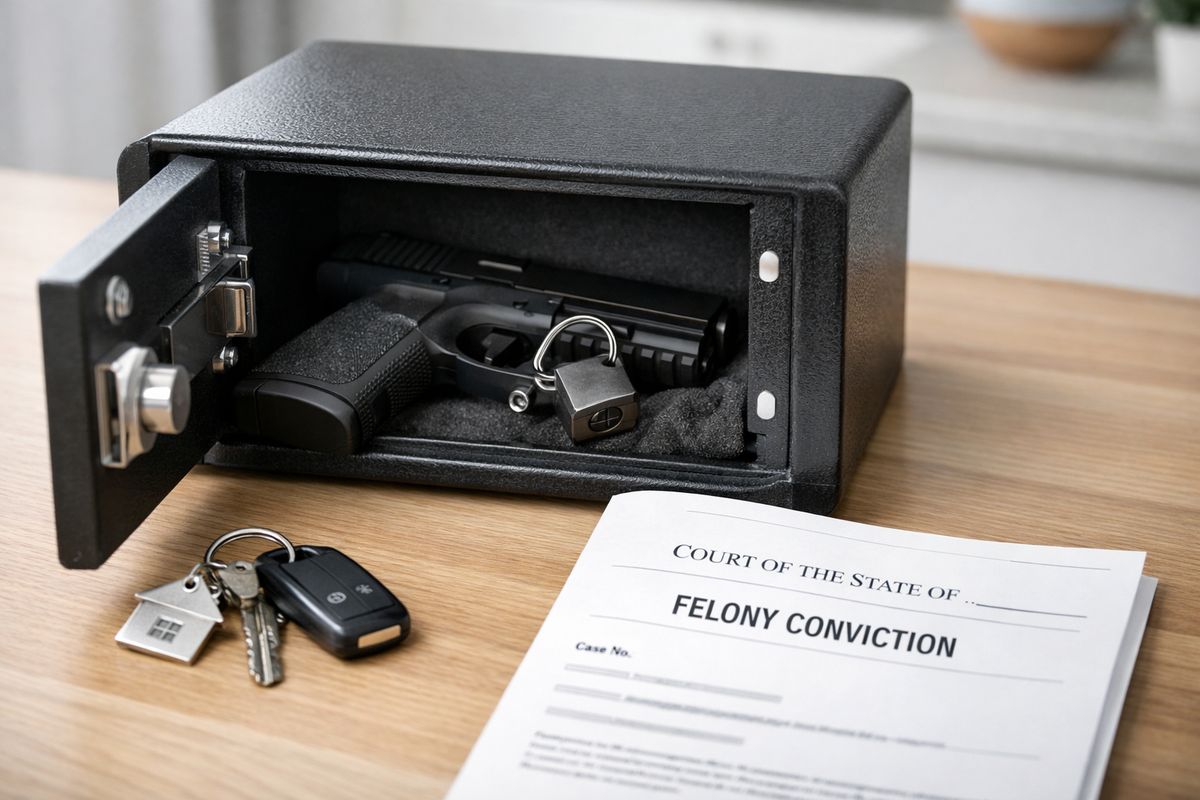
Under 18 U.S.C. § 922(g) and related Wisconsin law, a felony conviction generally bars firearm possession. This is one of the clearest long-term consequences because restoration is not automatic in many cases and may require pardon or another specific legal process.
For many people, this becomes the most durable legal disability tied to a felony DUI.
Finding: firearm restrictions are among the clearest long-term consequences of a felony DUI conviction.
Child custody, family law, and court perception
A felony DUI does not automatically decide custody or placement. Still, family courts may consider substance use, impaired driving conduct, incarceration, compliance with treatment, and child-safety concerns when applying the best-interests standard under Wisconsin family law.
The effect is indirect, not automatic, but it can become substantial when case facts suggest risk.
Finding: family court consequences are indirect but can become significant when the DUI facts suggest safety concerns.
Housing, Education, Insurance, and Financial Effects
The U.S. Department of Housing and Urban Development and collateral-consequences research both indicate that screening barriers often continue after formal supervision ends. In daily life, the largest burden may come from repeated costs and reduced access rather than a single dramatic restriction.
That pattern is common in felony DUI cases. The legal sentence ends, but the expense cycle often continues.
Finding: a felony DUI can create daily financial pressure through higher costs and reduced access rather than through one single legal restriction.
Housing applications and rental screening
Private landlords commonly use criminal background checks, eviction history, and credit screening. HUD guidance limits some blanket practices in subsidized housing contexts, but denial is not automatically barred in the private market. Property policies, offense details, and time since conviction all matter.
If your case also involves allegations such as reckless conduct, how Wisconsin treats related driving charges can affect how the record appears in screening.
Finding: housing barriers are common because screening decisions often account for both criminal history and perceived risk.
Student aid, school discipline, and educational disruption
Federal student aid rules are narrower than many people assume. A conviction does not automatically eliminate eligibility in the broad way often claimed, according to current Federal Student Aid guidance. The more common educational harm comes from missed classes, incarceration, transportation loss, and internal school discipline.
That is a useful counter-finding: education effects are real, but often arise through disruption rather than automatic federal aid loss.
Finding: education impacts are real, but they usually arise through disruption and institutional policy more than automatic federal aid loss.
Auto insurance, SR-22 requirements, and long-term costs
Insurers often classify OWI drivers as high-risk, which can increase premiums for years. On top of that, you may face SR-22 filing obligations where required, reinstatement fees, ignition interlock expenses, treatment costs, and alternative transportation costs while your license is limited.
For injury cases, when an impaired-driving accusation becomes a felony injury case usually marks the point where both legal and financial exposure rise sharply.
Finding: insurance and compliance costs can continue for years after a Wisconsin DUI conviction.
Options to Reduce or Manage the Consequences Across Wisconsin
Wisconsin court procedure and sentencing rules leave room for meaningful differences in outcome based on charge analysis, prior-record review, sentencing advocacy, and compliance. In felony-risk cases, early decisions often shape whether exposure can be limited or whether collateral consequences become harder to manage.
The process is not entirely flexible. Statutory minimums, prior convictions, and injury facts can narrow available options.
Finding: the scope of DUI consequences often depends on early legal decisions, accurate record review, and whether felony exposure can be limited.
Reviewing the charge, prior offenses, and enhancement issues
Prior Wisconsin convictions, out-of-state offenses, injury allegations, and chemical-test issues can all affect charging level. Even the legality of the stop and arrest can matter if the evidence is contested, which is why questions about the basis for the traffic stop often become central early in the case.
Finding: confirming the exact charging basis is the first step in assessing felony conviction consequences.
Sentencing alternatives, treatment, and compliance steps
Alcohol assessment, treatment compliance, monitoring, and specialty-court options may influence sentencing or supervision conditions where available. County practices differ, and eligibility narrows in more serious injury or homicide cases, so this is not a universal solution.
Still, documented compliance can materially affect the practical outcome even when the charge remains.
Finding: structured compliance can influence the practical outcome, even when a conviction cannot be avoided.
Expungement, record clearing, and restoration limits in Wisconsin
Adult felony convictions generally are not expungable in Wisconsin in the ordinary sense. Relief may instead involve pardon or targeted restoration of rights, depending on the issue. That distinction matters because many people assume a felony DUI can simply be erased after a waiting period.
In most cases, it cannot.
Finding: long-term planning matters because most felony DUI records in Wisconsin are not easily removed once entered.
Frequently Asked Questions
Can a first DUI in Wisconsin be a felony?
Usually no. A first OWI is generally a civil offense in Wisconsin, but injury, death, or certain related criminal allegations can change the case level.
How many DUI offenses make it a felony in Wisconsin?
A fourth OWI offense is generally charged as a felony under Wisconsin law, though injury-related cases can become felonies earlier.
Do felony conviction consequences last after probation ends?
Some do. Voting rights are generally restored after sentence completion in Wisconsin, but employment barriers, record visibility, and firearm restrictions can last much longer.
Can a felony DUI affect your job if driving is not part of it?
Yes. Employers may still review criminal history in background checks, though the impact is usually stronger in jobs involving driving, safety-sensitive duties, licensing, or public trust.
Can a felony DUI be removed from your record in Wisconsin?
In most adult cases, no. Standard expungement is generally not available for adult felony convictions, so relief usually depends on limited restoration processes or a pardon.
Nathan Dineen has built a reputation on proven results, dedicated client service, and aggressive DUI and criminal defense representation. Nationally recognized and trusted by clients throughout Wisconsin, Nate has been named among the Top 100 Trial Lawyers, holds a 10.0 Superb Avvo Rating, and has earned Super Lawyers recognition 11 times, including a 2026 Super Lawyers designation. If you are looking for an experienced attorney in Wisconsin, contact Nate today to discuss your case and receive personalized guidance from one of the state’s most respected criminal defense lawyers.

About Nate Dineen
Wisconsin legal insights from the DUI Defense WI team.