What Is a DUI in Wisconsin? The Basics, Clearly Explained
A DUI in Wisconsin is usually called an OWI, and if you searched what is DUI in Wisconsin, that naming switch is the first thing to clear up. The short version is simple: Wisconsin can charge you for operating a vehicle while impaired by alcohol, drugs, or a prohibited alcohol concentration, and the details matter a lot more than most people expect.
What Is a DUI in Wisconsin?
In Wisconsin, the formal term is OWI, which stands for Operating While Intoxicated. People still say DUI all the time, and courts, lawyers, and police understand what you mean, but the paperwork in a Wisconsin case will usually use OWI.
That charge covers more than just obvious drunk driving. It can apply if alcohol affects your ability to drive, if your blood alcohol concentration is over the legal limit, or if drugs, including prescription medication, impair you. If you want a fuller breakdown of the terminology, this plain-English look at the wording Wisconsin uses helps connect the label to the actual charge.
DUI vs. OWI in Wisconsin: Are They the Same Thing?
For everyday purposes, yes. If you are talking about a drunk driving type charge in Wisconsin, DUI and OWI usually point to the same problem. The difference is mostly about the name.
Some states use DUI. Some use DWI. Wisconsin uses OWI. So if you were stopped in Madison after dinner on State Street, or pulled over in Milwaukee, Green Bay, Eau Claire, or anywhere else in the state, the citation or criminal paperwork will usually say OWI, not DUI. If you want the side-by-side version, this explanation of Wisconsin’s naming differences lays it out clearly.
Why the Word “Operating” Matters
Here’s the thing: the law does not always require a police officer to catch you actively driving down the road at 45 miles per hour. “Operating” is broader than “driving.”
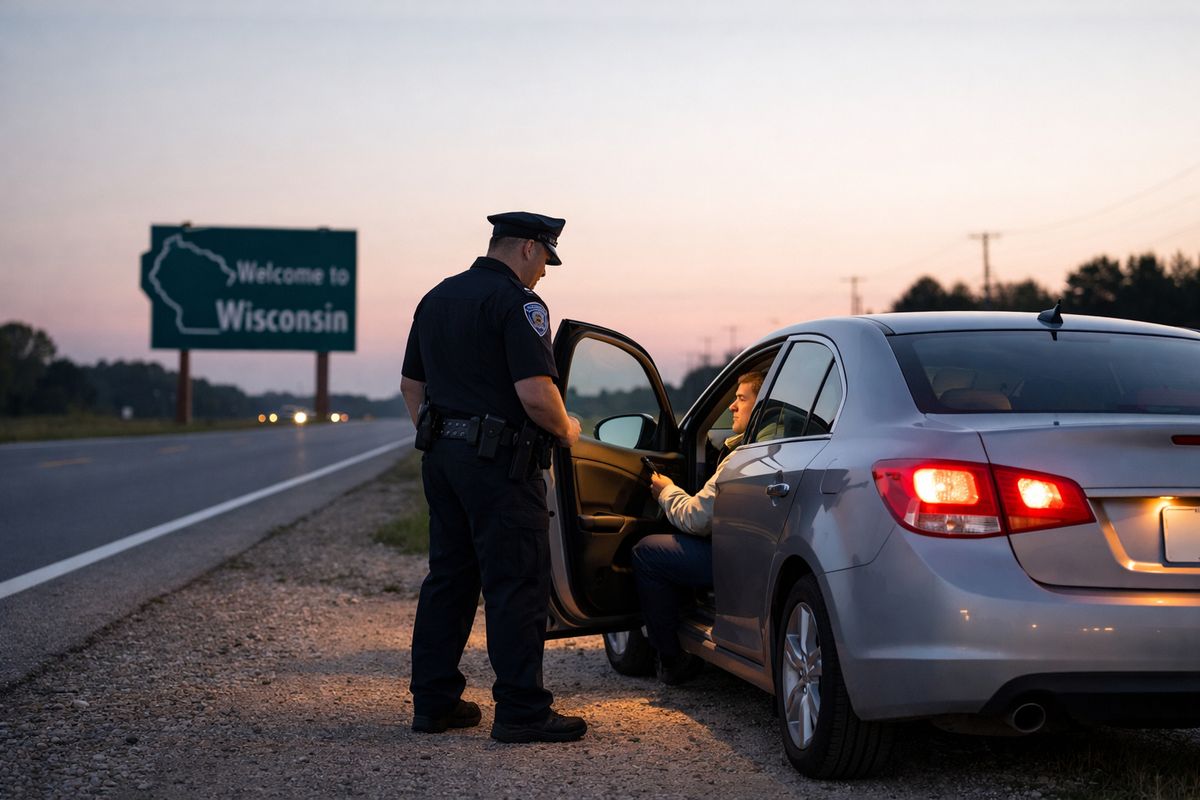
In plain English, operating can include having control of the vehicle in a way that suggests you were using it or about to use it. That is why people can get into trouble while sitting in the driver’s seat, parked on the roadside, or stopped in a lot with the engine running. The exact facts matter, but the basic point is simple: parked does not automatically mean safe from an OWI charge.
What Counts as an OWI in Wisconsin?
An OWI in Wisconsin can be based on three broad ideas. You were impaired. You were over the legal alcohol limit. Or you were under the influence of drugs that affected your ability to drive safely.
That sounds technical, but the basic concept is familiar. Think of it like three different doors leading into the same room. The state does not always need every door open. One can be enough, depending on the facts.
Alcohol Impairment and the Legal Limit
For most adult drivers in Wisconsin, the standard legal blood alcohol concentration limit is 0.08. If chemical testing shows a prohibited concentration at or above that level, that can support an OWI-related charge.
But the number is not the whole story. If your driving, speech, balance, or reactions suggest impairment, alcohol can still matter even before a final test result enters the picture. And for some drivers, the allowed limit is lower, which is where people get caught off guard.
Drugs, Prescription Medication, and Mixed Substances
OWI is not only about beer, wine, or liquor. Illegal drugs can lead to an OWI. So can prescription medication. So can over-the-counter medication if it affects your alertness, judgment, or coordination.
The catch is that plenty of people assume a legally prescribed medication cannot create an OWI problem. That is wrong. If a substance affects your ability to drive safely, the source of that substance does not magically erase the issue. The same goes for mixing substances, such as alcohol with anxiety medication or sleep aids, which can make impairment more obvious and more dangerous.
Different Rules for Some Drivers
Not every driver gets the standard 0.08 framework. If you are under 21, Wisconsin’s rules are much stricter, and even a small amount of alcohol can create a problem. This guide to younger-driver alcohol rules explains where the lower limits come in.
Commercial drivers also face tougher standards because of the type of license involved. And if you have prior OWI offenses, the legal limit and penalty structure can change. That is why the “usual rule” you hear from a friend often turns out not to apply to your case.
How an OWI Stop Usually Happens
Most OWI cases begin in a very ordinary way. A stop happens, an officer asks questions, observations start stacking up, roadside tests may follow, then an arrest and chemical testing can come next.
That sequence matters because each step creates evidence. What the officer saw, heard, smelled, and documented can become part of the case later.
Common Reasons an Officer Starts the Stop
A lot of stops start small. Swerving is the obvious example, but speeding, drifting within a lane, rolling through a stop sign, a broken taillight, forgetting to signal, or being involved in an accident can all trigger the initial contact.
Sometimes the stop itself becomes a major issue. If there was no valid reason to pull you over in the first place, that can affect the case in a big way. This look at when a stop may be challenged gives you a sense of what lawyers examine early.
Field Sobriety Tests and Preliminary Breath Tests
After the stop, an officer may ask you to step out and perform field sobriety tests. These are the roadside coordination exercises people usually picture, such as following an object with your eyes, walking heel-to-toe, or standing on one leg.
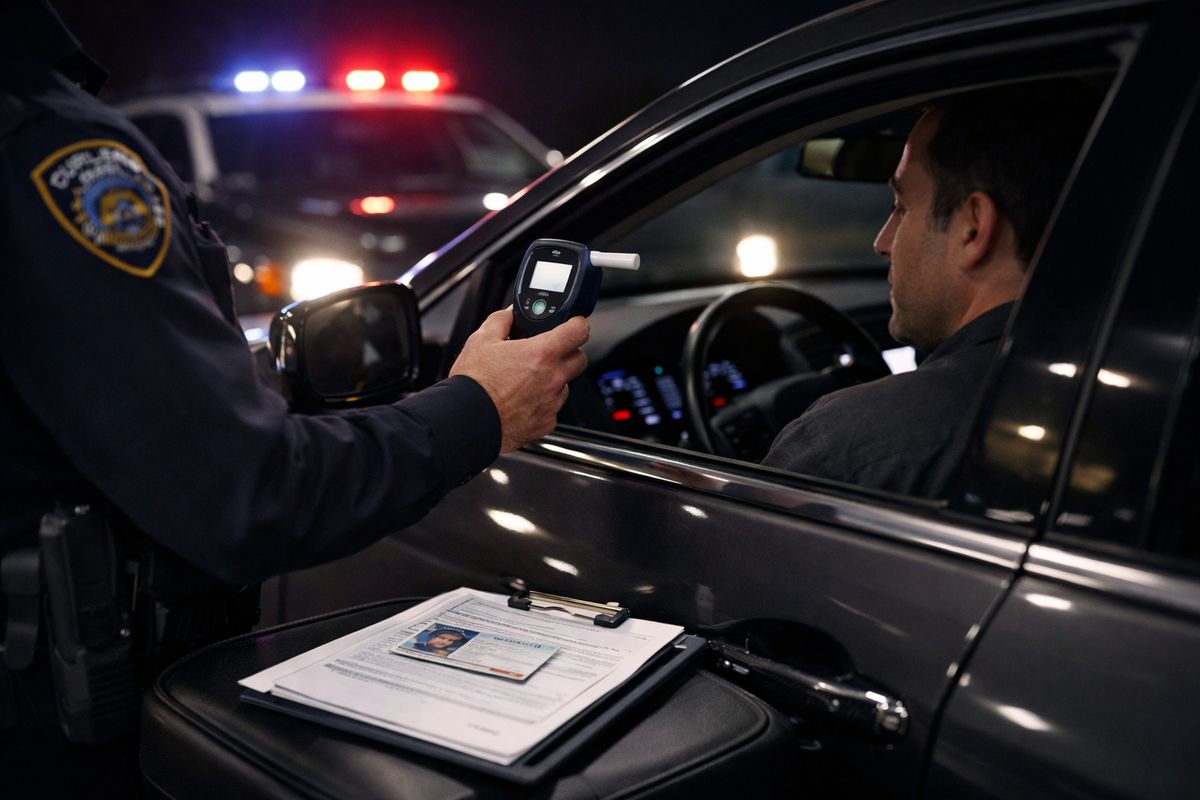
You may also be asked to blow into a preliminary breath test device at the roadside. That is not always the same as the later evidentiary chemical test used after arrest. In other words, the first breath device by the shoulder of the road and the later official test are not interchangeable, even though people often lump them together.
Wisconsin’s Implied Consent Law, Clearly Explained
Implied consent means that by driving on Wisconsin roads, you have already agreed to chemical testing under certain conditions if you are lawfully arrested for OWI. Usually that means a breath, blood, or urine test after arrest.
This catches people by surprise because it feels backward. You never signed anything at the side of the road. But under Wisconsin law, the agreement comes with the act of driving itself.
What Happens if You Refuse a Chemical Test
Refusing a chemical test can create a separate legal problem on top of the OWI case. License-related penalties can follow, and a refusal can affect how your case unfolds in court and with the Department of Transportation.
It is not a simple escape hatch. A lot of people think refusing means there is no evidence, so the problem goes away. Usually it just changes the shape of the problem. This breakdown of refusal consequences in Wisconsin is useful if chemical testing is already part of your situation.
What Are the Penalties for a DUI/OWI in Wisconsin?
OWI penalties in Wisconsin depend heavily on the facts. A first offense looks different from a repeat offense. A case with a high BAC looks different from one without. A case involving injury or a child passenger raises the stakes fast.
So there is no honest one-size-fits-all answer. But there is a clear pattern: the more serious the facts, the more serious the consequences.
First-Offense OWI Basics
Wisconsin treats some first offenses differently than many states, which surprises a lot of people. In many cases, a first offense is handled as a civil matter rather than a crime, but that does not mean it is minor.
You can still face fines, a license revocation, an alcohol assessment, required classes, and insurance fallout that follows you long after court ends. For a practical look at those ripple effects, this overview of what an OWI can change in daily life is worth reading.
When Penalties Get More Serious
Penalties climb quickly if you have prior offenses, a very high BAC, a minor in the vehicle, or a crash involving injury or death. At that point, jail or prison exposure becomes much more realistic, and the case can move into felony territory.
If your case involves harm to another person, the legal landscape changes fast. This explanation of injury-related drunk driving charges shows why those cases are treated so much more seriously.
Commercial Drivers and Underage Drivers
Commercial drivers can face career-threatening consequences because the license itself is tied to work. Underage drivers can run into strict alcohol rules that leave much less room for error.
In both situations, the charge can hit harder than a casual comparison would suggest. The punishment is not only about money or court. It can affect your ability to get to work, stay in school, or keep a job that depends on driving.
What Happens After an Arrest or Charge?
After an arrest or formal charge, confusion usually spikes. You may be booked and released, handed paperwork, given court dates, and left trying to figure out what matters first.
That early stretch matters more than people think. Missing a notice, misunderstanding a deadline, or assuming the license issue will sort itself out can create avoidable damage. This step-by-step guide to the period right after an arrest helps make that timeline easier to follow.
License Suspension, Revocation, and Ignition Interlock
These terms sound similar, but they are not identical. A suspension usually means your driving privilege is paused for a period. A revocation is more serious and typically means your license is terminated, followed by requirements to get it back.
An ignition interlock device is the breath-testing unit installed in a vehicle before it will start. In some cases, especially those involving high alcohol concentration or repeat offenses, that device becomes part of the aftermath.
Notices, Deadlines, and Why Timing Matters
Timing is a big deal in OWI cases. Court deadlines, DOT notices, testing-related paperwork, and hearing opportunities can move quickly.
The trick is not to assume “I have time” until you know exactly what notice you received. A delay that feels small can affect your license, your defenses, or both. Fast action is not panic. It is just smart.
Common Misunderstandings About DUI in Wisconsin
A few myths show up in almost every OWI conversation, and some of them do real damage because they keep you from taking the case seriously.
Short version: the easy assumptions are usually the dangerous ones.
“If I Was Parked, I Can’t Get an OWI”
Not true. If the facts suggest you were operating or had control of the vehicle, being parked does not automatically protect you.
That is why the word “operating” matters so much in Wisconsin. A parked vehicle can still become part of an OWI case depending on where it was, whether the engine was running, and what the officer observed.
“If I Blew Under .08, I’m Automatically Fine”
Also not true. Impairment can still matter, drug impairment can still matter, and some drivers face lower alcohol limits.
A number under 0.08 is helpful in some situations, but it is not a magic eraser. It is one fact in a bigger picture.
“A First Offense Is No Big Deal”
This is one of the most expensive misunderstandings out there. Even a first offense can affect your ability to drive, your insurance costs, your record, your schedule, and your job.
Maybe there is no jail in your particular case. That does not make it small. A first OWI can turn everyday routines, getting to work, picking up kids, keeping affordable insurance, into a long headache.
When It Makes Sense to Talk to a Wisconsin OWI Lawyer
If you are searching this topic after a stop or arrest, you probably do not just want vocabulary. You want to know what your case means, what deadlines apply, and what can be challenged.
A Wisconsin OWI lawyer can look at the reason for the stop, the officer’s observations, the field tests, chemical testing procedures, and the paperwork trail. Sometimes the issue is the stop itself. Sometimes it is how testing was handled. Sometimes it is damage control, license protection, and making sure you do not miss something fixable early on. If your case may involve repeat charges or felony exposure, this overview of how drunk driving cases become more serious gives useful context before that first legal conversation.
Questions to Ask During a Consultation
A good consultation should get concrete fast. Ask what the exact charge is. Ask what deadlines apply. Ask whether the stop appears lawful. Ask whether testing was handled correctly. Ask what happens to your license next.
Those questions do two things at once. They help you understand your position, and they help you spot whether you are getting clear, practical guidance instead of vague reassurance.
Quick Answers to Common Questions
Is DUI the same as OWI in Wisconsin?
In everyday conversation, yes. In Wisconsin, OWI is the formal legal label, while DUI is the term many people still use casually.
Can you get an OWI for drugs and not alcohol?
Yes. Alcohol is not required. Illegal drugs, prescription medication, over-the-counter medication, or a mix of substances can all support an OWI charge if they impair your driving.
Will a first OWI in Wisconsin mean jail?
Not every first offense leads to jail. But a first offense can still bring fines, license consequences, classes, insurance increases, and major disruption.
What should you do after an OWI arrest?
Get legal advice quickly, read every notice carefully, and pay close attention to license and court deadlines. Waiting usually makes things harder, not easier.
Frequently Asked Questions
What is DUI in Wisconsin called on the actual paperwork?
Usually, it is called OWI, which stands for Operating While Intoxicated. That is the term Wisconsin law uses even though many people still say DUI.
Can you get charged if your car was not moving?
Yes. If police believe you were operating or in control of the vehicle while intoxicated, a charge can still happen even if the car was parked.
Does Wisconsin only care about alcohol in an OWI case?
No. Drugs matter too, including some prescription and over-the-counter medications if they affect your ability to drive safely.
How serious is a first OWI in Wisconsin?
More serious than many people assume. Even when jail is not part of the outcome, your license, finances, insurance, and daily routine can all take a hit.
How fast should you respond after an OWI arrest?
As fast as possible. Notices and deadlines can affect your license and court options early, so delay can cost you.
Nathan Dineen has built a reputation on proven results, dedicated client service, and aggressive DUI and criminal defense representation. Nationally recognized and trusted by clients throughout Wisconsin, Nate has been named among the Top 100 Trial Lawyers, holds a 10.0 Superb Avvo Rating, and has earned Super Lawyers recognition 11 times, including a 2026 Super Lawyers designation. If you are looking for an experienced attorney in Wisconsin, contact Nate today to discuss your case and receive personalized guidance from one of the state’s most respected criminal defense lawyers.

About Nate Dineen
Wisconsin legal insights from the DUI Defense WI team.