
OWI vs. DUI vs. DWI in Wisconsin: What’s the Difference?
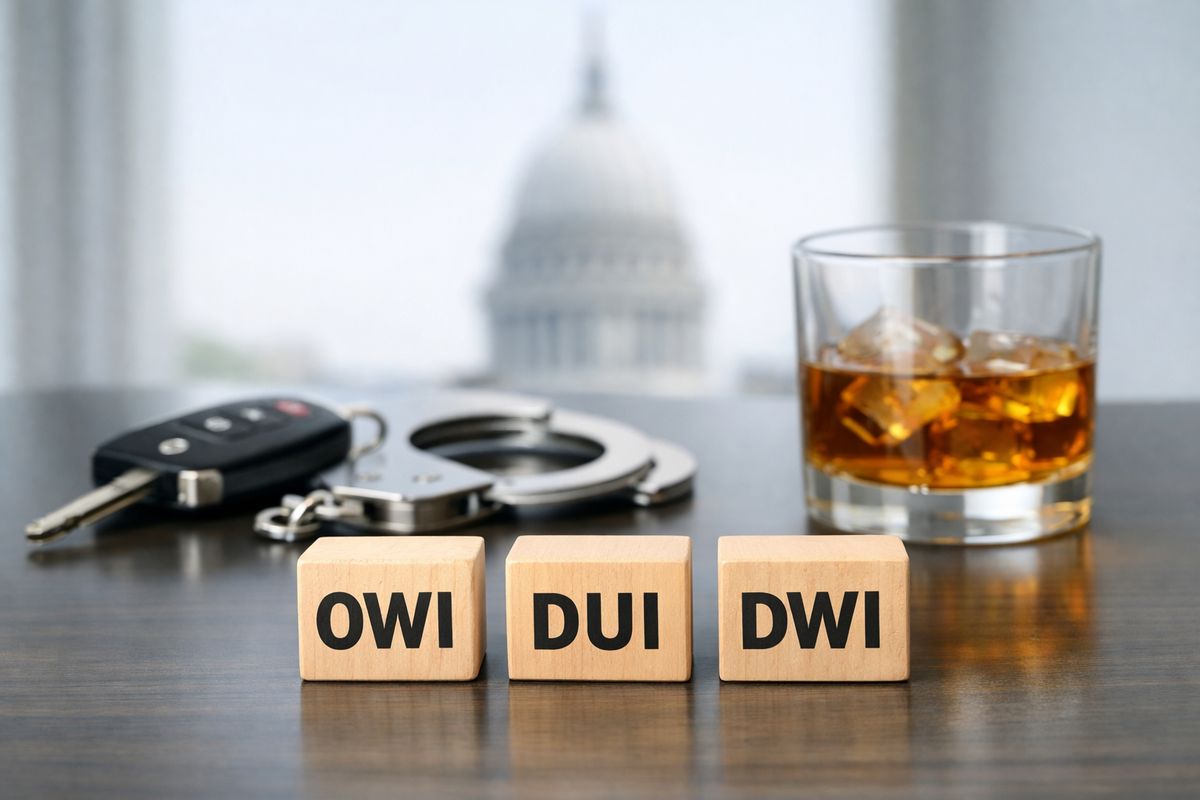
If you’re searching OWI vs DUI, the short answer is simpler than the internet makes it sound. In Wisconsin, OWI is the official legal term, while DUI and DWI are the labels people often say out loud, especially if your habits came from another state.
OWI vs. DUI vs. DWI in Wisconsin: the short answer
In Wisconsin, the charge you’ll usually see on citations, court paperwork, and state materials is OWI, which stands for Operating While Intoxicated. That is the term built into Wisconsin law. If you say DUI in normal conversation, plenty of people will still know what you mean, but the official Wisconsin label is OWI.
That matters because legal language is not just word choice. It tells you what the state is actually accusing you of. If you want a broader breakdown of how Wisconsin labels and treats these cases, that distinction becomes clear fast.
What OWI stands for in Wisconsin
OWI means Operating While Intoxicated. The word “operating” is the part that catches a lot of people off guard.
Most people think in terms of driving. Wisconsin law uses a broader idea. The focus is not only on whether your vehicle was rolling down the road at 45 miles per hour. The focus can be on whether you were operating the vehicle in a way the law recognizes, which can include more than the everyday meaning of driving.
Why people still say DUI or DWI
DUI usually means Driving Under the Influence. DWI often means Driving While Intoxicated or Driving While Impaired, depending on the state. That’s why the acronyms seem to shift every time you read a different website.
In Wisconsin, though, those terms are mostly shorthand. You may hear friends say DUI. You may see DWI in articles from Minnesota or Texas. But in Wisconsin court records and statutes, OWI is the name that counts.
Why the word “operating” matters more than most people realize
Here’s the thing: OWI is broader than “driving drunk” sounds. That difference can matter a lot.
Picture a cold Green Bay night after a game near Lambeau Field. If you’re sitting in a parked vehicle with the engine running to stay warm, you may not think of that as driving. Wisconsin may still look at those facts through the lens of operating. That does not automatically decide the case, but it shows why the wording matters.
“Operating” vs. “driving” in everyday terms
In plain English, driving usually means moving down the road. Operating can reach conduct that starts earlier than that. A vehicle does not always need to be cruising through traffic for an OWI allegation to come up.
The catch is that small details suddenly matter. Where the vehicle was parked, whether the keys were in the ignition, whether the engine was running, and what happened right before police arrived can all shape how the situation gets viewed.
Why this detail can affect your case
This is one of those issues that sounds minor until you’re the one holding the citation. Then it becomes a very big deal.
If your case turns on what happened before the stop or whether police had enough basis to act, a careful review matters. Questions about what officers need before making an arrest and whether there was an unlawful stop in the first place can change the direction of a case.
How Wisconsin defines an OWI
An OWI case in Wisconsin usually follows one of two main paths. The state can claim you were impaired, or the state can claim your alcohol concentration was over the legal limit. Sometimes both get raised at the same time.
Operating while impaired
This is the common-sense version most people picture. Alcohol, drugs, or another intoxicant allegedly affected your ability to operate safely.
That can mean slower reaction time, poor judgment, trouble staying in a lane, confusion during a stop, or other signs police say point to impairment. It is not just about looking drunk in a dramatic movie-scene way. Subtle signs often end up in the report.
Operating with a prohibited alcohol concentration
Wisconsin also uses a measurement-based approach. A prohibited alcohol concentration simply means an unlawful blood alcohol level under the state’s rules.
So even if you felt steady or thought you seemed fine, a chemical test can still become the center of the case. If you want the fuller picture of what actually counts as a charge under Wisconsin rules, this is where the law gets more concrete.
Alcohol, drugs, or a mix of both
OWI is not limited to beer, wine, or liquor. Prescription medication can matter. Controlled substances can matter. Mixing alcohol with medication can matter too.
Honestly, this catches a lot of people by surprise. Someone can take a lawful prescription, add a couple of drinks, and suddenly face the same kind of accusation because the issue is impaired operation, not just illegal alcohol use.
OWI vs. DUI vs. DWI: is one more serious than another?
In Wisconsin, the acronym itself is not what raises or lowers the seriousness. The facts do that.
The label is not the main issue
If the Wisconsin charge is OWI, calling it DUI in conversation does not change the legal stakes. The paperwork, the facts, and your history matter more than the nickname.
That is why arguing over acronyms usually wastes energy. A better question is: what exactly is the state alleging, and what consequences come with that allegation?
What actually changes the stakes
The seriousness usually turns on factors like prior offenses, alcohol concentration, whether an accident happened, whether anyone was hurt, whether a minor was in the vehicle, and whether you refused chemical testing. License consequences can also become a major part of the problem, sometimes faster than people expect.
If you’re trying to sort out when a routine-looking case can become much more serious, those details are where the real risk lives.
What happens after an OWI arrest in Wisconsin
After an OWI arrest, confusion is normal. The sequence is usually more important than the acronym.
The stop, arrest, and chemical testing piece
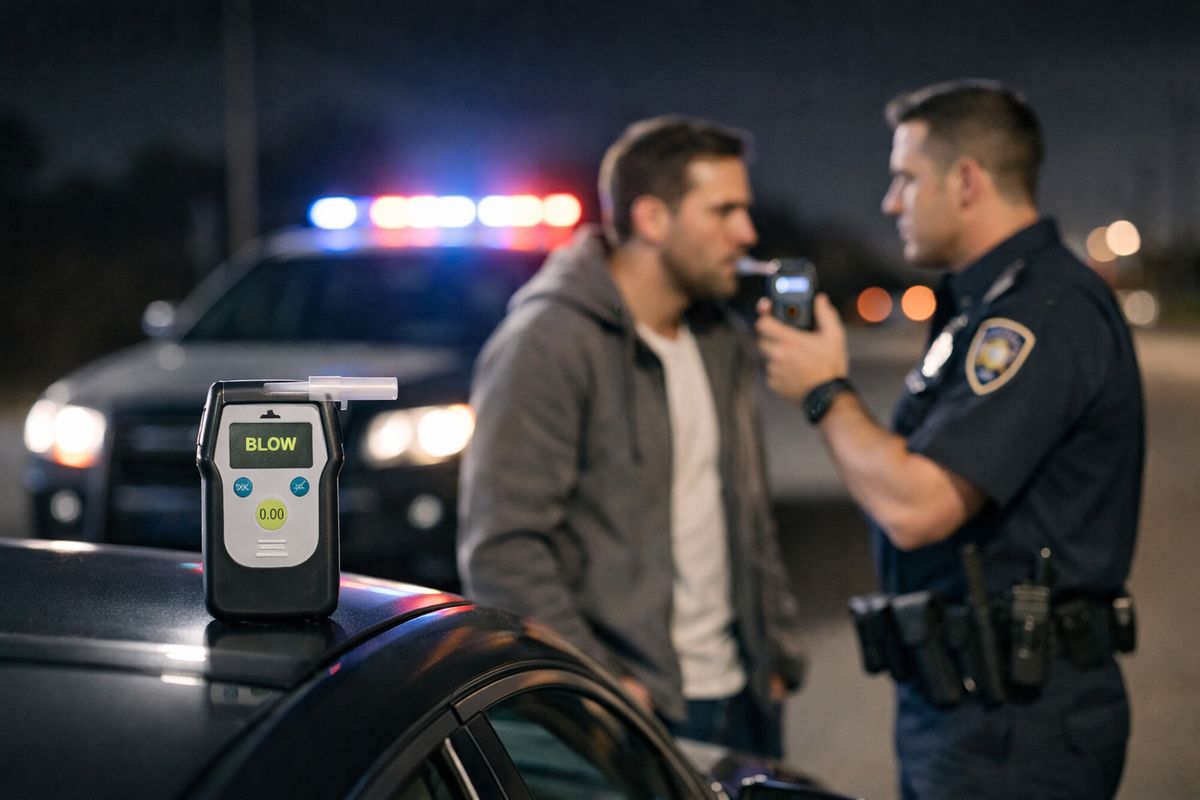
A case often starts with a traffic stop, then officer observations, then field sobriety testing, then an arrest, followed by breath or blood testing. Wisconsin’s implied consent rules basically mean that by driving on Wisconsin roads, you have already agreed to chemical testing under certain circumstances.
That does not mean every test issue is simple. Refusal allegations, test timing, and the officer’s basis for the stop can all matter. If your situation involves that piece, it helps to understand what a test refusal can trigger in Wisconsin.
License consequences and court process
An OWI can affect your license and lead to court proceedings, even if this is your first arrest. Timelines, paperwork, and hearing dates can come fast. Missing something small can create a bigger headache than expected.
For a cleaner overview of what usually happens after an arrest in Wisconsin courts, it helps to look at the process step by step instead of trying to decode everything at once.
Why out-of-state language can confuse everything
If you moved from Illinois, Minnesota, or another state, you may naturally call the charge a DUI or DWI. That habit is common. Wisconsin courts and agencies will still treat the Wisconsin accusation as an OWI.
Think of it like regional soda names. People say pop, soda, or Coke depending on where home is. But on Wisconsin paperwork, the label is still OWI.
Common questions about OWI, DUI, and DWI in Wisconsin
Is OWI the same as DUI in Wisconsin?
In everyday conversation, yes, close enough. In official Wisconsin legal terms, OWI is the proper label.
Is DWI used in Wisconsin?
Not as the standard legal term. You may hear it casually or see it on websites about other states, but Wisconsin uses OWI.
Can you get an OWI without “driving” down the road?
Yes, depending on the facts. Because Wisconsin uses “operating,” a case can involve more than a vehicle actively moving through traffic.
Does the name of the charge affect whether you should call a lawyer?
No. If you were arrested, cited, or confused by the wording on your paperwork, the smart move is to get the exact charge reviewed quickly.
Frequently Asked Questions
Is OWI worse than DUI in Wisconsin?
No. In Wisconsin, OWI is simply the official legal term. The seriousness depends on the facts, not on whether someone says OWI or DUI.
Why does Wisconsin say OWI instead of DUI?
Wisconsin uses OWI because “operating” is broader than “driving.” That gives the law room to cover situations that do not look like classic road driving.
Can prescription drugs lead to an OWI?
Yes. If medication, illegal drugs, or a combination of substances affected your ability to operate safely, an OWI allegation can follow.
Does a first OWI still matter if nobody got hurt?
Yes. Even a first case can affect your license, finances, schedule, and court obligations. It is not something to brush off as just paperwork.
How fast should you get legal advice after an OWI arrest?
As soon as possible. Early review can help you understand the charge, deadlines, testing issues, and what parts of the stop need a closer look.
What to do next if you’re trying to make sense of a Wisconsin OWI charge
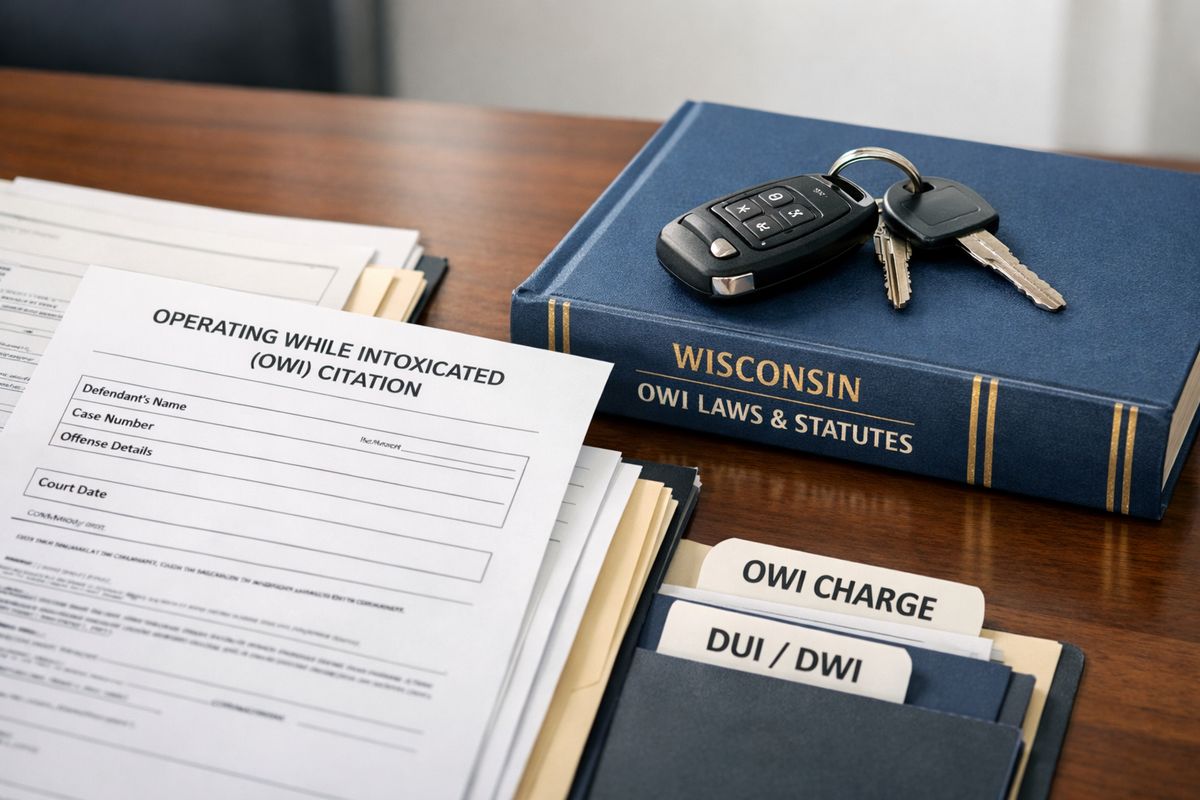
If you’re trying to sort out an OWI charge, start with the actual words on your ticket, citation, or criminal complaint. Gather your court date, testing paperwork, and any notice about your license. One page can change the whole conversation.
Nathan Dineen has built a reputation on proven results, dedicated client service, and aggressive DUI and criminal defense representation. Nationally recognized and trusted by clients throughout Wisconsin, Nate has been named among the Top 100 Trial Lawyers, holds a 10.0 Superb Avvo Rating, and has earned Super Lawyers recognition 11 times, including a 2026 Super Lawyers designation. If you are looking for an experienced attorney in Wisconsin, contact Nate today to discuss your case and receive personalized guidance from one of the state’s most respected criminal defense lawyers.

About Nate Dineen
Wisconsin legal insights from the DUI Defense WI team.