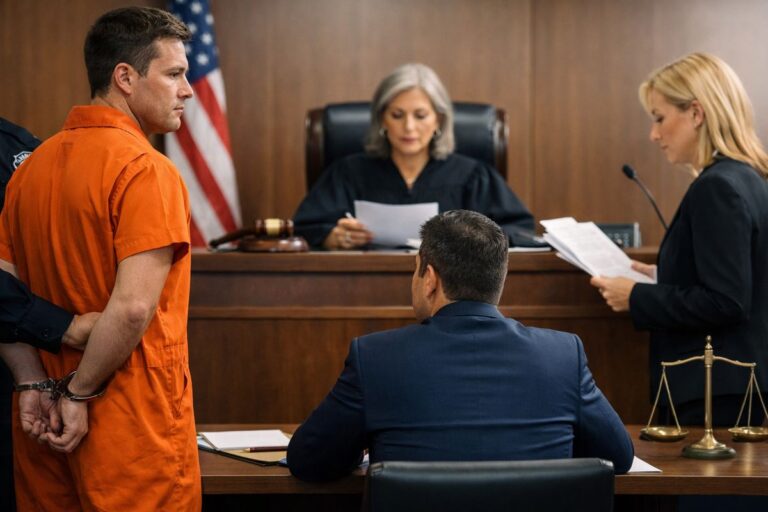
Wisconsin Criminal Charges: What Happens After Arrest
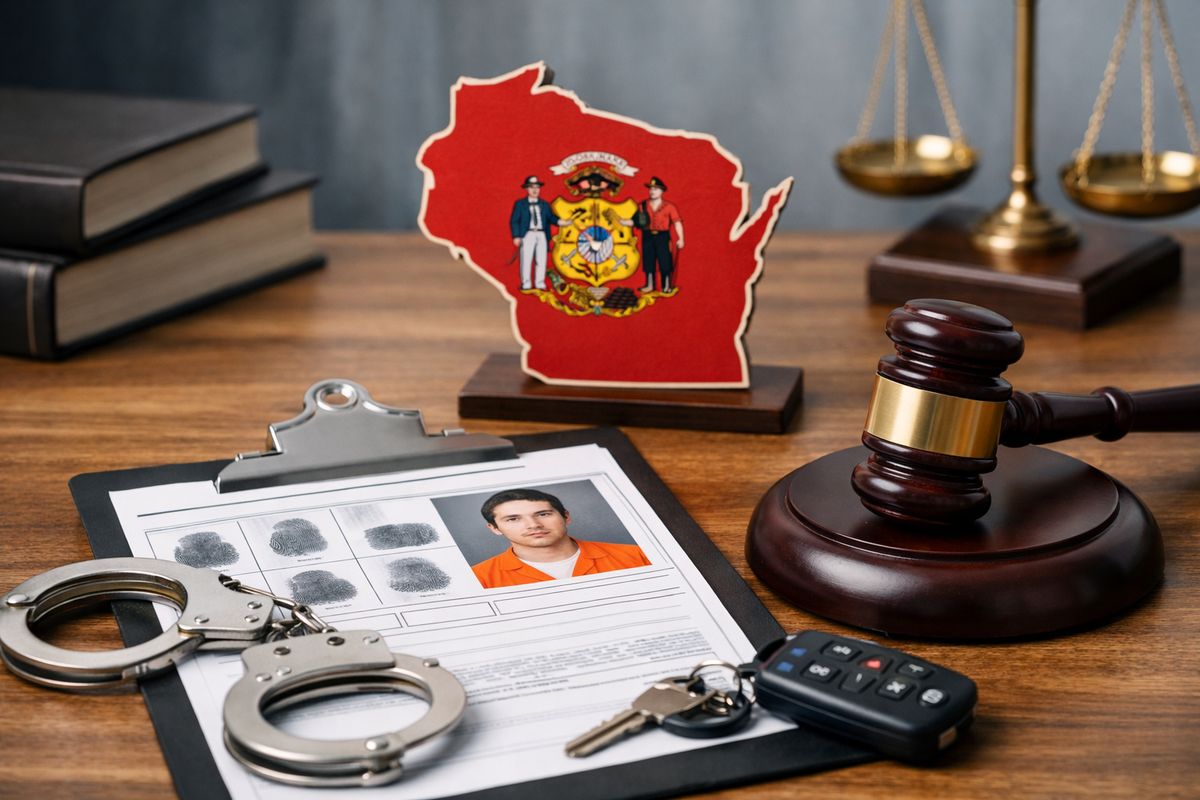
An arrest can make time feel weird. One minute you are answering questions under bright booking-room lights, and the next you are trying to figure out what Wisconsin criminal charges actually mean and what happens after your release date, bond paperwork, or first court notice shows up. In plain English, criminal charges are the formal accusations the state files against you, and while an arrest often leads to charges, the two are not exactly the same thing.
Here’s what you’ll learn in this guide:
- what charges mean after arrest
- what happens in the first days
- how Wisconsin classifies cases
- why charges can change
- how the court process usually unfolds
- how long a case may take
- what a charge can affect outside court
- when getting a lawyer matters most
What “Wisconsin Criminal Charges” Means After an Arrest
After an arrest, the case starts to move from the street to the system. That shift matters. A police officer can arrest you based on suspected wrongdoing, but Wisconsin criminal charges are the official legal claims filed by the government saying you violated a criminal law.
That sounds technical, but the idea is simple. Arrest is the event. Charges are the formal case.
Arrested vs. charged: the difference that matters
You can be arrested before the prosecutor files anything. You can also be cited or referred for charges without being taken into custody in the usual sense. The paperwork that comes after arrest can shape your case just as much as the arrest itself, sometimes more.
Why? Because the charging document controls what you are accused of in court, what penalties you face, and what has to be defended. If the arrest felt chaotic, the charge sheet is where the case starts getting specific.
Who decides what charges get filed
Police investigate, gather statements, make arrests, and write reports. Prosecutors review that material and decide what criminal counts to file. Judges do not choose the charges. A judge handles bond, court dates, motions, and other decisions once the case is in court.
That division matters because what an officer says at the roadside is not always the final word. A prosecutor may file the same offense, add counts, reduce counts, or decline to file certain allegations after reviewing the evidence.
What Usually Happens Right After a Wisconsin Arrest
The first stretch after arrest is usually a blur, but the sequence is fairly predictable. Booking happens. Release is addressed, either quickly or after some waiting. Then a first court appearance puts the case on the calendar.
If you end up in a Wisconsin county courthouse, one concrete moment often sticks with you: sitting on a bench outside the courtroom, listening for your name to be called, while trying to understand paperwork that suddenly matters a lot.
Booking, fingerprints, and the initial paperwork
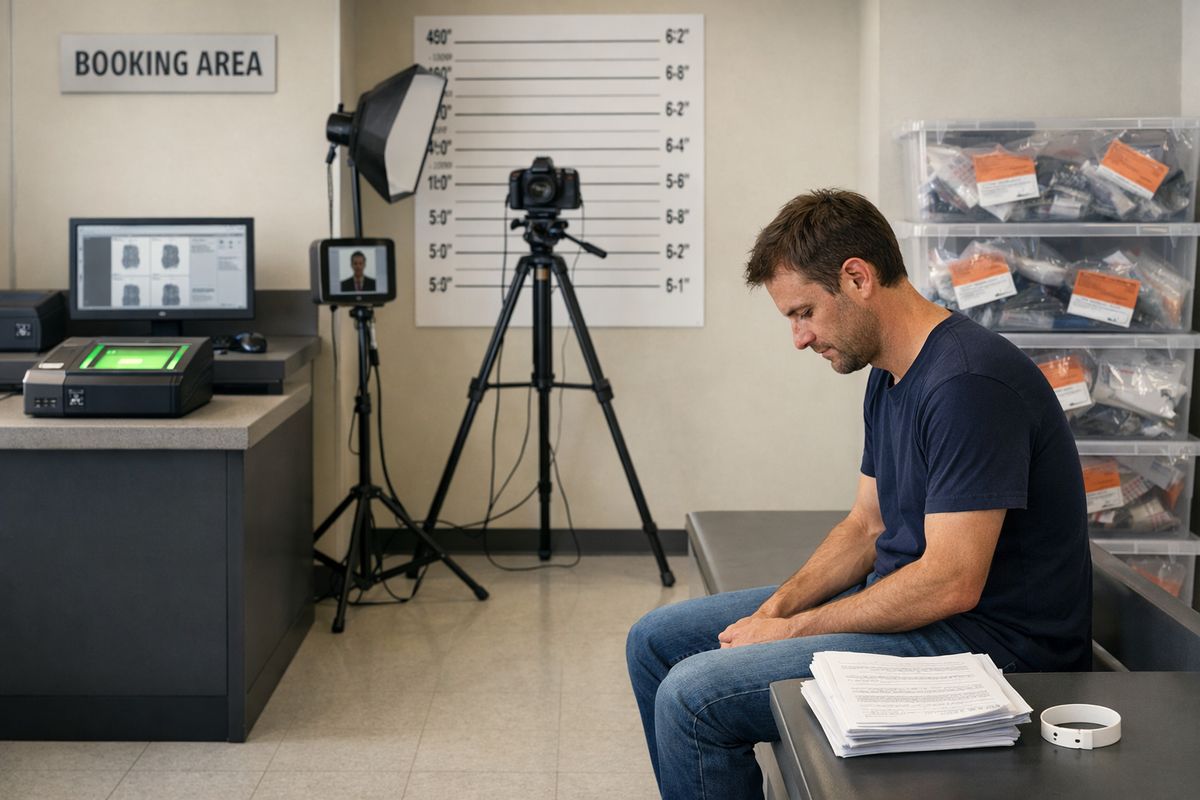
Booking is the administrative intake process after arrest. That usually includes fingerprints, photographs, identifying information, and an arrest record. Personal property is logged, and basic information about the alleged offense gets attached to your file.
This does not mean you have been convicted. It means the system is documenting the arrest and preparing the case for review and court processing.
Bail, bond, and release conditions
Bail is the amount of money, if any, tied to release. Bond is the promise and legal framework for release, often with conditions attached. Sometimes you are released on a signature bond, meaning no cash deposit is required if you agree to follow the rules.
The catch is that the rules matter immediately. Conditions may include no-contact orders, sobriety requirements, travel limits, firearm restrictions, or check-ins. Break those conditions and a bad situation can get worse fast, even before the main case is resolved.
Your initial appearance in court
Your initial appearance is usually the first time a judge addresses the case in court. You are told what charges have been filed, bond conditions may be reviewed or set, and future hearings get scheduled.
This hearing is often brief. Still, it sets the tone for what comes next and gives the case a structure instead of that floating, unsure feeling from the first day or two after arrest.
The Main Types of Wisconsin Criminal Charges
Not every criminal case carries the same weight, even if the experience feels equally stressful. Wisconsin cases usually fall into a few broad categories that help you quickly understand the seriousness of the accusation.
Misdemeanors vs. felonies
A misdemeanor is a less serious criminal offense than a felony, though “less serious” does not mean minor in real life. A misdemeanor conviction can still mean jail time, fines, probation, and a record that follows you.
A felony carries higher potential penalties and usually more lasting consequences. Prison exposure, firearm restrictions, job problems, and housing issues become much more likely. If your case involves drunk driving with prior offenses, it helps to understand when an OWI accusation crosses into more serious territory.
Common charge categories across Wisconsin
Some categories show up again and again across Wisconsin courts: OWI, drug possession, domestic violence-related allegations, theft, assault, disorderly conduct, probation violations, and gun offenses. Each comes with its own rules, evidence issues, and penalties.
OWI cases, for example, often raise separate questions about testing, driving status, and prior record. If that is your situation, it helps to read what an OWI charge actually means in Wisconsin. Drug cases can turn on possession, including situations where the item was nearby but not literally in your hand, which is why how possession can be argued indirectly matters.
State charges vs. local ordinance violations
Some conduct is charged as a crime under Wisconsin law. Other conduct may be handled as a local ordinance violation, which is usually not a criminal conviction. That distinction matters more than most people realize.
An ordinance case can still cost money and create headaches, but it may avoid the same criminal record consequences. In some cases, pushing a matter toward non-criminal treatment is a meaningful improvement even if it does not feel like a total win.
How Prosecutors Decide What to Charge
People often assume the charge is locked in at arrest. It is not. Charging decisions involve review, judgment, and sometimes strategy.
Evidence review and charging discretion
Prosecutors usually look at police reports, witness statements, video, test results, physical evidence, and prior record. Then a decision gets made about what counts can be supported based on the available evidence.
That process can produce a mismatch between what you heard during the arrest and what later appears in court. In driving cases, for example, the legal basis for the stop itself may matter a lot, especially if you are dealing with questions about whether the traffic stop was lawful.
Why charges can be added, reduced, or dismissed
Charges change for all kinds of reasons: new evidence, weak evidence, witness problems, legal challenges, negotiation, or simple overreach in the first draft of the case. Here’s the trick: what shows up at the start is not always where the case ends.
A prosecutor may add a count after reviewing body cam footage. A defense challenge may knock out a statement or search. A witness may stop cooperating. A lab result may come back late or come back weaker than expected. Cases move.
Your Court Process in Wisconsin, Step by Step
Most people want one answer more than any other: what happens next? The usual Wisconsin criminal case follows a sequence, even though the pace varies from county to county.
Arraignment and entering a plea
At arraignment, the court formally addresses the charges and asks for a plea. A plea is simply your response to the accusation, usually guilty, not guilty, or no contest in the right setting.
In many cases, a not guilty plea is the practical move early on because it preserves time to review reports, videos, and possible defenses. It keeps you from making final decisions before seeing the whole picture.
Pretrial hearings, motions, and negotiations
This stage is where most of the real work happens. Pretrial hearings can include status updates, exchange of evidence, scheduling, and plea discussions. A motion is a formal request asking the judge to decide something, such as whether evidence should be suppressed or whether a statement should be excluded.
Some cases are resolved here. Others narrow the issues and head toward trial. Domestic violence-related cases often surprise people because the case may continue even if the complaining witness changes course, which is why how these cases sometimes keep moving anyway is worth understanding.
Trial, sentencing, or other resolution
A criminal case usually ends in one of a few ways: dismissal, plea agreement, trial verdict, deferred resolution if available, or sentencing after a conviction. Sentencing can involve jail, probation, treatment, fines, restitution, or community service, depending on the offense and your history.
Not every case reaches trial. Honestly, many do not. But preparing like trial is possible often shapes better negotiations long before a jury is ever picked.
How Long a Wisconsin Criminal Case Can Take
Some cases move quickly. Others drag on like a checkout line that looks short until one price check stalls everything.
A simple misdemeanor with quick evidence exchange may resolve in weeks or a few months. A contested felony with motions, testing delays, or witness issues can last much longer. Court calendars matter too, and Wisconsin’s court system publishes general court information through Wisconsin circuit court resources.
What can speed a case up
Straightforward facts help. So does quick access to police reports, body cam footage, lab results, and a realistic path to negotiation. Fewer contested legal issues usually means fewer hearings and less waiting.
If your case is OWI-related, timing questions often come up early, especially around testing, license issues, and repeat offense treatment. A more specific look at how long a drunk driving case can stretch out can help set expectations.
What can slow a case down
Crowded dockets, delayed lab work, unavailable witnesses, motion practice, and continuances can all stretch the timeline. Delays are not just annoying. They affect work schedules, family stress, travel, and any release conditions already hanging over your daily life.
That is why early organization matters. When the case takes longer than expected, clean records and clear deadlines become your safety net.
What a Criminal Charge Can Affect Beyond Court
The courtroom is only part of the problem. A charge can spill into the rest of your life fast.
Jail, probation, fines, and other direct penalties
If there is a conviction, possible penalties can include jail or prison, probation, treatment, classes, community service, restitution, fines, and costs. Some offenses carry mandatory minimum penalties. Others leave more room for negotiation or sentencing argument.
The sentence depends on the offense, prior record, and case facts. But even before sentencing, the pressure of possible punishment changes how you work, sleep, travel, and plan.
Driver’s license, job, housing, and background checks
A charge or conviction may affect your driver’s license, especially in OWI cases. It can also show up on background checks for work, housing, school, or professional licensing. Some cases carry immigration consequences too.
If your case involves drinking and driving, the long-term fallout can reach further than most people expect. It helps to understand how a conviction can keep affecting life after court.
Public records and Wisconsin court searches
Case information may appear in Wisconsin Circuit Court Access, often called CCAP, and other record systems. Public visibility matters because employers, landlords, and others may search your name before giving you a chance to explain.
That does not mean every search result says the same thing or stays forever in the same form. But it does mean reputation and timing matter from day one.
When to Get Help From a Wisconsin Criminal Defense Lawyer
A lot of people wait because the case feels too new, too small, or too embarrassing to talk about. That is a mistake. Early legal help can change bond terms, protect your statements, and shape the direction of the case before bad assumptions harden into paperwork.
Signs you should not try to handle this alone
You should take the situation seriously if the allegation is a felony, involves OWI, domestic violence, a repeat offense, a probation hold, a search issue, or pressure to talk before you understand the case. Those are not small details. Those are turning points.
Even a “simple” misdemeanor can create lasting problems if you guess wrong about deadlines, pleas, or conditions of release.
What a lawyer can do at each stage
A defense lawyer can review the charges, appear in court, argue for better bond conditions, challenge evidence, negotiate with prosecutors, prepare for trial, and work to protect your record where possible. That help starts early, not just on the trial date circled on a calendar.
If your case overlaps with impaired driving, comparing what changes when drunk driving moves from misdemeanor to felony can give useful context for risk.
What to gather before the first consultation
Bring or save your citation, bond paperwork, court date notice, jail release papers, and any police paperwork you received. Write down a timeline of what happened while the details are still fresh. Names, locations, timing, what was said, what was searched, and who was present all matter.
Smart Next Steps After an Arrest in Wisconsin
The goal in the first few days is simple: get control back. That starts with accuracy, not panic.
What to do in the first 24 to 72 hours
Check every court date. Follow bond conditions exactly. Save every paper and screenshot connected to the case. Avoid contact that could violate a no-contact order, even if the situation feels harmless or mutual. Write down names, places, and timing while your memory is fresh.
Small mistakes in this window can create brand-new problems. Careful steps can do the opposite.
One thing to do today
Put every court date, release condition, and case document in one folder, paper or digital, and get legal advice before the next hearing. That one move makes the case easier to manage and a lot harder to mishandle.
Nathan Dineen has built a reputation on proven results, dedicated client service, and aggressive DUI and criminal defense representation. Nationally recognized and trusted by clients throughout Wisconsin, Nate has been named among the Top 100 Trial Lawyers, holds a 10.0 Superb Avvo Rating, and has earned Super Lawyers recognition 11 times, including a 2026 Super Lawyers designation. If you are looking for an experienced attorney in Wisconsin, contact Nate today to discuss your case and receive personalized guidance from one of the state’s most respected criminal defense lawyers.
Frequently Asked Questions
Can you be arrested in Wisconsin and never formally charged?
Yes. An arrest does not automatically guarantee that a prosecutor will file criminal charges. After reviewing the evidence, a prosecutor may decide not to proceed or may file something different from what was originally suspected.
How soon do charges get filed after an arrest in Wisconsin?
It varies. Some cases are filed very quickly, especially straightforward misdemeanor cases. Others take longer if reports are incomplete, testing is pending, or the prosecutor wants more review before deciding what to charge.
Do charges always stay the same from the first court date to the end?
No. Charges can be reduced, added, amended, or dismissed as the case develops. Evidence problems, legal motions, negotiations, and witness issues can all change the final outcome.
What happens if you miss a court date on a criminal case?
Missing court can lead to a warrant, additional bond problems, or other penalties. Even if the miss was accidental, the court may treat it seriously, so keeping track of dates is one of the simplest ways to protect yourself.
Will a Wisconsin criminal charge show up on a background check?
It can. Pending cases and convictions may appear in court record systems and commercial background checks. That visibility can affect job applications, housing, and professional licensing.
Is it too early to talk to a lawyer right after arrest?
No. Early advice is often when legal help matters most. The first days after arrest can affect bond conditions, court preparation, evidence issues, and what you say or do before the case takes shape.

About Nate Dineen
Wisconsin legal insights from the DUI Defense WI team.