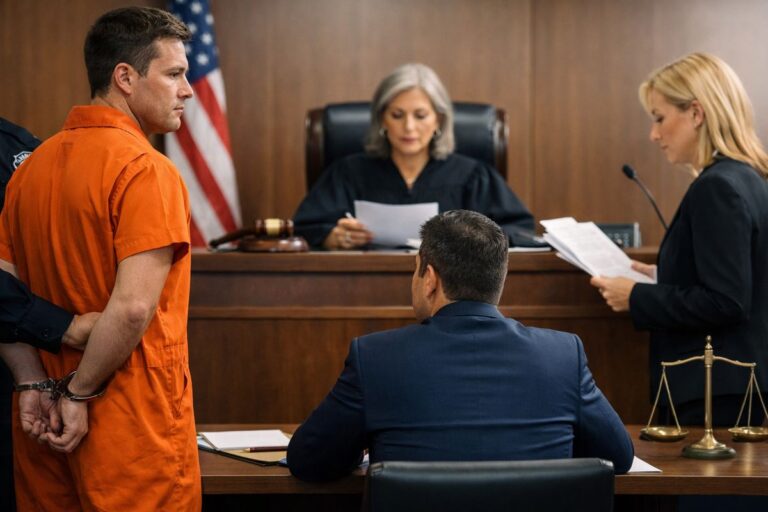
Constructive Possession: Can You Be Charged Anyway?

Getting charged over something that was not in your hand feels backwards, but constructive possession works exactly that way. If police find drugs, a firearm, or other contraband nearby, the argument can shift fast from “it wasn’t mine” to “you still had control over it,” and that is where a lot of Wisconsin cases get messy.
What Constructive Possession Means in Plain English
Constructive possession means you can be accused of possessing an item even when it was not in your pocket, hand, or waistband. The claim is that you knew it was there and had the ability to control it.
Here’s the simple version: actual possession is holding the thing. Constructive possession is being tied to the thing strongly enough that the state says it was effectively under your control anyway. Think glove box instead of hand, bedroom drawer instead of jacket pocket.
That difference matters because people often assume distance equals safety. It does not. If the facts suggest awareness, access, and control, a charge can still happen.
Why You Can Be Charged Without “Actually Having” the Item
Prosecutors use constructive possession when direct physical possession is missing but the surrounding facts still point at you. An item under your seat, inside your locked bedroom, or next to your wallet can all become part of that argument.
The legal logic is not especially complicated. If you knew the item existed, could get to it, and had some power over what happened to it, the state may say possession existed even without physical contact. That is why a case can turn on small details in a police report, much like a loose receipt in a grocery bag can suddenly prove where the bag came from.
If you are trying to understand where a case fits in the bigger process, it helps to see what usually happens after an arrest in Wisconsin. Constructive possession cases often rise or fall on those first reports and first statements.
Actual Possession vs. Constructive Possession
Actual possession is direct physical control. The item is on you, in your hand, in your pocket, or otherwise physically attached to you in a clear way.
Constructive possession is more indirect. The state is saying you had the power and intent to control the item, even if it was sitting somewhere else. A backpack at your feet, a safe in your room, or a center console you can reach may all trigger that claim.
That side by side comparison clears up the biggest confusion. Actual possession is obvious. Constructive possession is argued.
The Elements Prosecutors Usually Try to Prove
Most constructive possession cases are built from a few recurring ideas: knowledge, access, control, and intent. One weak fact usually is not enough by itself. A stronger case tends to come from several facts stacked together.
Knowledge
The state usually has to show you knew the item existed. That does not always come from a direct admission. More often, knowledge is argued from circumstances, where the item was found, what was said, and whether the location seems closely tied to you.
Ability to Control the Item
Being near something can matter, but being near something is not the same as possessing it. The prosecution will often focus on whether you could reach it, open it, move it, or direct what happened to it.
Intent to Exercise Control
The catch is that access alone is not the whole story. Intent is often inferred from behavior, statements, ownership of the space, or other surrounding facts that suggest the item was not just nearby, but meaningfully connected to you.
Common Situations Where Constructive Possession Comes Up
These charges do not only show up in dramatic searches. Ordinary settings are where the trouble usually starts.
In a Car During a Traffic Stop
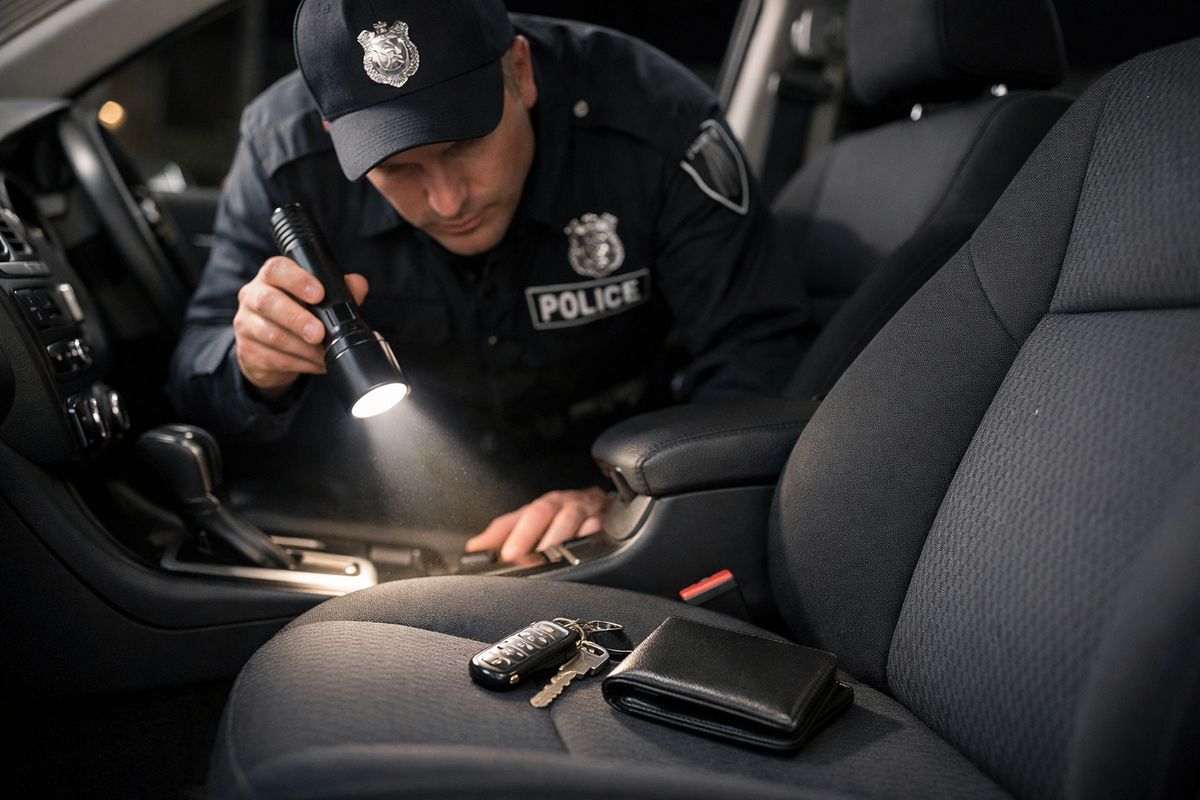
A traffic stop is one of the most common examples. If an item is found in a center console, glove box, under a seat, or in the trunk, police may try to connect it to the driver or a passenger based on who could reach it and what else was in the car.
A stop on I-94 near Madison can go from routine to serious in minutes. If the legality of the stop itself is questionable, that issue matters a lot, just like it does in cases involving a traffic stop that never should have happened in the first place.
In a Home, Apartment, or Shared Room
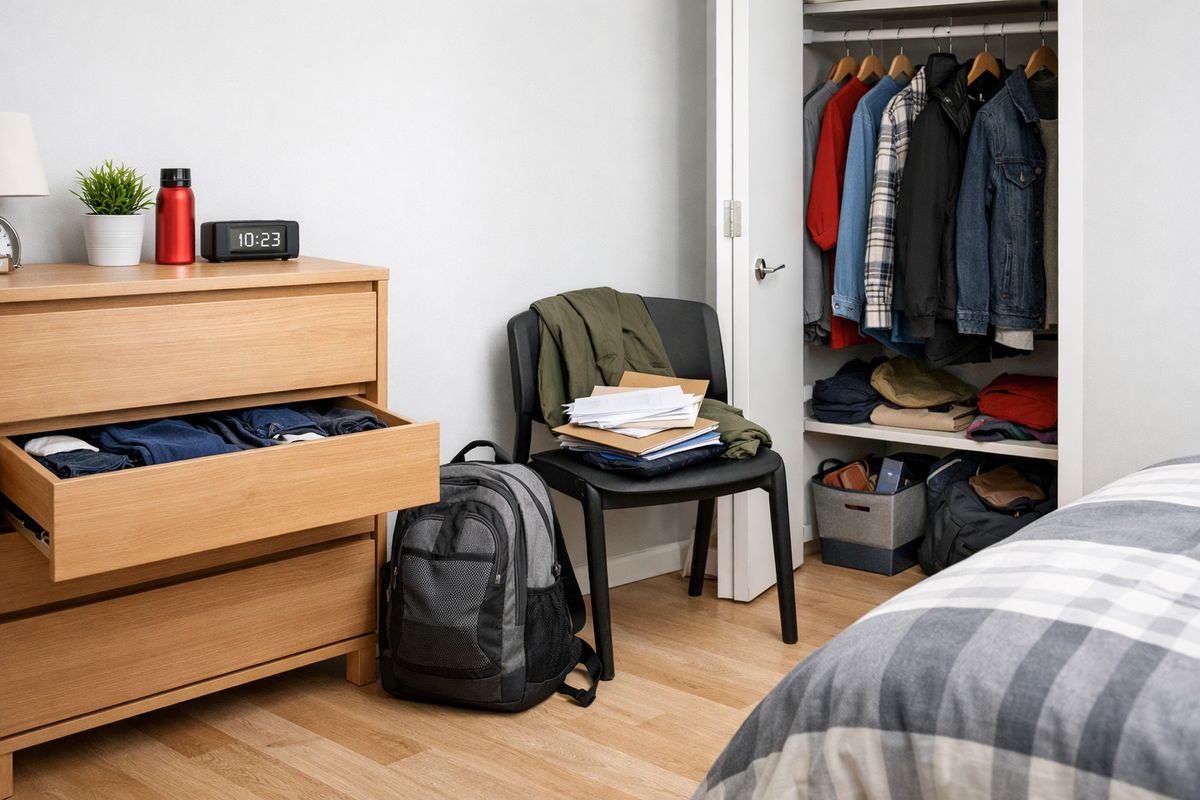
Homes create harder questions because access is often shared. An item found in a private bedroom or locked drawer looks different from an item found on a kitchen shelf everyone uses.
Exclusive control usually helps the state more than shared access does. If several people came and went from the same room or apartment, that weakens the idea that the item was under your control alone.
In a Backpack, Purse, or Locker
Personal containers are more closely tied to one person, so police often treat them as stronger evidence of possession. Still, ownership is not always as simple as it sounds.
A borrowed bag, a shared locker, or a backpack used by more than one person can complicate the case fast. Who used it most recently can become a big deal.
Around Friends, Passengers, or Roommates
This is the classic problem. You are close to somebody else’s stuff, and police start treating proximity like proof.
That should not be enough by itself. But charges can still happen, especially if the item is within reach or found near your belongings. In practice, guilt by proximity is not supposed to carry the case, though it often starts the case.
What Wisconsin Courts and Prosecutors Often Look At
In Wisconsin, the facts on paper matter more than broad labels. Police reports, body camera footage, who controlled the space, and how closely the item is tied to you can shape the whole case.
Local practice matters too. Some counties push harder on thin circumstantial cases than others, and some judges look closely at whether the state is making too many assumptions. That is one reason local defense experience matters so much.
Evidence That Can Be Used to Support a Constructive Possession Charge
Constructive possession cases are usually built from small facts gathered into one story. One detail may look harmless. Five details together can look much worse.
Location of the Item
Placement matters. Something sitting in plain reach of the driver is different from something hidden in a basement used by several people.
An item tucked beside your seat, under your pillow, or inside a nightstand next to your phone charger gives the state more to work with than something found in a common hallway closet.
Statements You Made
A quick comment at the scene can become a major part of the case later. Stress makes people ramble, guess, or try to smooth things over, and those words often get read in the least generous way possible.
That same problem shows up in other criminal investigations too, including cases involving trying to explain yourself too much right after an arrest.
Personal Belongings Nearby
Mail, IDs, keys, clothing, chargers, and similar items are often used to connect you to the spot where contraband was found. The argument is simple: your stuff was there, so the space was under your control.
That is not always convincing, especially in shared spaces. Still, it is a common building block.
Behavior Before or During the Search
Police often treat movement, hesitation, inconsistent answers, or attempts to leave as signs of knowledge or intent. Nervousness alone proves very little, honestly, because plenty of innocent people get nervous around police.
But if the report says you reached under a seat, denied knowing something that was later found, or gave changing answers, prosecutors may use that behavior to support the constructive possession theory.
Defenses to Constructive Possession Charges
Constructive possession is absolutely beatable when the facts do not truly tie the item to you. A lot of these cases depend on inference, and inference can be challenged.
You Did Not Know the Item Was There
If you did not know the item existed, that undercuts a core part of the case. This defense can be strong when the item was hidden, recently placed there, or belonged to somebody else.
The Area Was Shared
Shared homes, shared cars, and shared rooms create doubt about control. If several people had equal access, the state has a harder time showing the item was yours rather than just present.
You Had No Control Over the Space
Presence is not control. If you were just a passenger, guest, or short-term visitor, that matters.
The Search or Stop Was Illegal
A case can change fast if the stop, search, or seizure was unlawful. If evidence gets suppressed, the prosecution may lose the foundation of the case. That basic idea is similar to how probable cause problems can damage a Wisconsin criminal case.
The Evidence Is Too Thin or Too Circumstantial
Sometimes the state is asking the court to make too many leaps. A pile of weak clues still may not add up to proof beyond a reasonable doubt.
What To Do If You Were Charged or Questioned
Early choices matter more than most people realize. One bad conversation can do real damage.
Say Less Than You Think
Trying to “clear things up” on the spot often backfires. People fill silence, guess at facts, or accidentally adopt somebody else’s version of events.
Write Down the Details While They Are Fresh
Save the basics right away: where the item was found, who was present, what police said, what you said, and what happened before the search. Small details that seem forgettable at 11:30 p.m. can matter a lot later.
Get Legal Help Quickly
A lawyer can review the stop, the search, the reports, and the weak links before the story hardens. That early review often makes a real difference, especially in fact-heavy cases involving possession or related charges such as drug or contraband allegations tied to a broader criminal case.
Questions To Ask a Wisconsin Criminal Defense Lawyer
Use the first consultation to get concrete answers. Ask what facts the state is using to claim knowledge and control. Ask whether the area was shared, whether the search can be challenged, and what local court practice may mean for timing and strategy.
Also ask what the weak points are. A good answer should sound clear, not theatrical. You want somebody who can explain the evidence in plain English and tell you where the case is actually vulnerable.
How to Choose the Right Lawyer Across Wisconsin for a Constructive Possession Case
Not every criminal case turns on the same skills. Constructive possession cases are detail cases.
Experience With Drug, Firearm, or Contraband Possession Cases
You want somebody who handles possession allegations regularly, because these cases often turn on tiny facts, not dramatic courtroom moments. The issue is usually not “was something found?” The issue is “can it really be tied to you?”
Familiarity With Local Courts and Prosecutors
County practice affects pace, negotiation, and how aggressively a case gets pushed. A lawyer familiar with courts across Wisconsin can spot patterns that matter before you can see them on paper.
Clear, Straight Answers
If a lawyer cannot explain your case clearly, that is a problem. Clarity is the whole game here. You need plain-English advice about what the state has, what can be challenged, and what comes next.
Bottom Line: Yes, You Can Be Charged Anyway
Yes, you can be charged anyway. That is the short answer. But being near an item is not the same as being guilty, and constructive possession cases often come down to whether the facts truly show knowledge, control, and intent.
Get your facts organized, write down what happened, and speak with a Wisconsin defense lawyer quickly. Nathan Dineen has built a reputation on proven results, dedicated client service, and aggressive DUI and criminal defense representation. Nationally recognized and trusted by clients throughout Wisconsin, Nate has been named among the Top 100 Trial Lawyers, holds a 10.0 Superb Avvo Rating, and has earned Super Lawyers recognition 11 times, including a 2026 Super Lawyers designation. If you are looking for an experienced attorney in Wisconsin, contact Nate today to discuss your case and receive personalized guidance from one of the state’s most respected criminal defense lawyers.
Frequently Asked Questions
Can you be charged with constructive possession if the item belonged to somebody else?
Yes. Ownership and possession are not the same thing. The state may still argue constructive possession if the facts suggest you knew the item was there and had the ability and intent to control it.
Is being a passenger in a car enough to prove constructive possession?
No. Being a passenger alone should not be enough. Still, if the item was within reach, found near your belongings, or tied to statements or behavior, police may still file charges.
Does constructive possession apply only to drugs?
No. It can come up with drugs, firearms, stolen property, or other contraband. The legal theory is broader than one type of item.
What if the item was found in a shared apartment or room?
Shared access can help your defense because it weakens the claim that you controlled the area. The more people who had equal access, the harder it can be for the state to pin possession on you alone.
Can a constructive possession case be dismissed?
Yes. Cases can be challenged on the facts, on lack of knowledge or control, or on search and seizure issues. Some get weaker once reports, video, and witness details are reviewed closely.

About Nate Dineen
Wisconsin legal insights from the DUI Defense WI team.