Wisconsin DUI Lawyer: How to Choose the Right One
Finding a Wisconsin DUI lawyer can feel like trying to read a road sign in a snowstorm. Everything gets urgent at once: your court date, your license, your job, your nerves. The good news is that choosing the right lawyer gets much easier once you know what actually matters, and what is just marketing noise.
Start With the Kind of Help You Actually Need
A DUI or OWI case is not just about showing up in court and hoping for the best. You may be dealing with a traffic stop, chemical testing, license issues, deadlines, insurance concerns, and the possibility of long-term consequences that follow you well past one bad night. A lawyer in this situation is not there just to speak for you in front of a judge. A good one reviews how the stop happened, looks for legal problems in the investigation, explains the likely paths your case could take, and helps protect your license and record as much as possible.
Speed matters more than most people realize. Video can disappear, deadlines can pass, and early decisions can shape the rest of the case. If you are still sorting out the basics, start with a clear picture of what happens after an arrest for impaired driving in Wisconsin. Even a short delay can make a fixable problem harder to fix.
DUI vs. OWI in Wisconsin: What Those Terms Mean
In plain English, Wisconsin usually uses OWI, which stands for operating while intoxicated. Many people still search for DUI because that term is more familiar nationwide. In everyday use, both usually point to the same kind of defense lawyer.
That wording matters mostly because you want somebody who actually handles Wisconsin OWI cases, not somebody who simply advertises “DUI defense” in broad terms. If you want the fuller breakdown, the difference between OWI, DUI, and DWI in Wisconsin is mostly about terminology, not about needing a completely different kind of attorney.
Know What Makes Wisconsin DUI Cases Different
Wisconsin has its own rules, penalties, and court process. That sounds obvious, but it changes your hiring decision in a big way. A lawyer who handles criminal cases generally may still not be the right fit if that lawyer rarely deals with OWI stops, implied consent issues, chemical testing, or county-by-county practice differences.
Local knowledge counts here. Procedures and habits can vary from one county to the next, and a lawyer who regularly appears in Wisconsin courts is more likely to recognize how prosecutors handle these cases, what issues judges tend to focus on, and which arguments deserve real attention.
First Offense, Repeat Offense, and Aggravating Factors
Not every case carries the same level of risk. A first offense often raises one set of concerns: keeping the process manageable, limiting penalties, protecting driving privileges, and reducing long-term fallout. But repeat offenses can change the picture fast. The same goes for a high blood alcohol concentration, a minor passenger, a crash, an injury, or a commercial driver’s license.
That is why the right lawyer for one case may be the wrong lawyer for another. If your situation involves prior offenses, it helps to understand how repeat allegations can stack up in Wisconsin. If your case involves injury, the stakes can rise even more quickly, and when an impaired driving case turns into an injury-based felony matter becomes a very real question.
License Problems, ALR Hearings, and Court Deadlines
For many people, the license issue hits first and hardest. You can survive a lot of stress if you can still get to work, school, daycare, or treatment. Once driving becomes uncertain, daily life starts to unravel.
That is why waiting a few days can be a problem. Administrative steps, refusal-related issues, and court deadlines do not pause while you shop around. If chemical testing or refusal is part of your case, a lawyer should be ready to talk about timing right away, including what refusal penalties can look like in Wisconsin. A lawyer who treats deadlines casually is telling you something, and it is not good.
What to Look for in a Wisconsin DUI Lawyer
Law firm websites love vague promises. Aggressive. Experienced. Proven. Those words mean very little on their own. What helps you choose is something more concrete: actual Wisconsin OWI experience, clear communication, and the ability to handle both negotiation and courtroom litigation.
You are not hiring a slogan. You are hiring judgment under pressure.
Wisconsin-Specific DUI Defense Experience
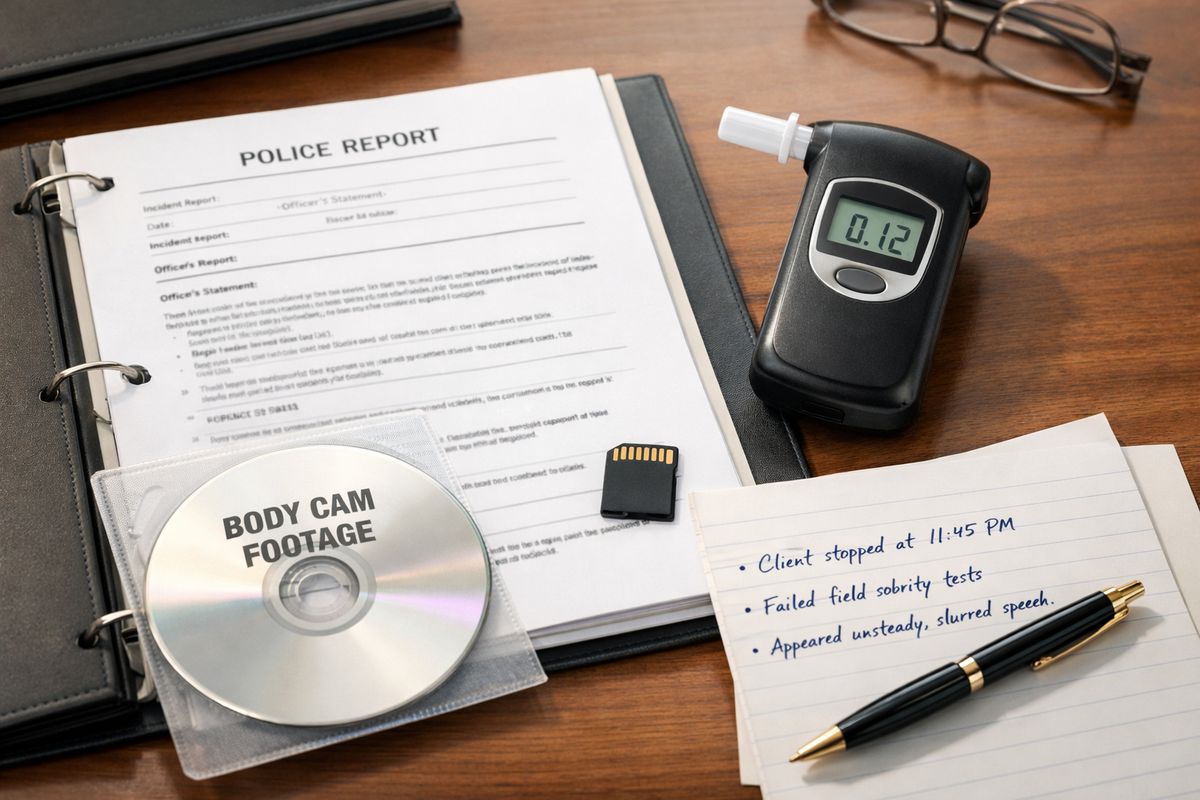
Specific experience beats generic experience. A lawyer may have handled divorces, drug cases, theft charges, and probation issues for years, but that does not automatically translate into strong OWI defense. You want somebody who is comfortable with field sobriety tests, breath testing procedures, blood draws, officer reports, body cam footage, and pretrial motions that challenge how the stop or arrest happened.
Ask yourself a simple question: does this person sound like somebody who regularly works through OWI problems, or somebody who occasionally takes one when it comes in? There is a difference, and you can usually hear it within a few minutes.
Clear Communication and Straight Answers
A good lawyer should make the process feel clearer, not foggier. That does not mean giving you false comfort. It means explaining what is happening, what comes next, what the likely pressure points are, and what the fees cover. If every answer sounds slippery, rushed, or oddly dramatic, pay attention.
The catch is that communication problems rarely improve after hiring. If calls are slow, explanations are vague, or basic fee questions feel awkward before money changes hands, that pattern often continues. You need somebody who can explain legal issues in plain English, not somebody who hides behind jargon.
Courtroom Confidence and Negotiation Skills
Some OWI cases resolve through negotiated outcomes. Others turn on whether a lawyer is ready to challenge the stop, attack probable cause, question testing methods, or push a motion hearing. The best fit is usually not somebody who only settles and not somebody who acts like every case is headed to a TV-style trial. You want balance.
In practical terms, that means a lawyer should be able to talk through suppression issues, evidentiary weaknesses, and trial posture without sounding rehearsed. Questions about when a stop may have crossed the line into something legally defective can matter a lot, and the lawyer you hire should know how to spot that early.
Questions to Ask Before You Hire Anyone
A consultation should not feel like a sales pitch with a law degree attached. It should help you understand how your case may be approached, who will handle it, what it may cost, and what level of attention you can expect.
You do not need a long script. A few focused questions usually tell you plenty.
How Often Do You Handle Wisconsin OWI Cases?
This question gets past vague claims fast. You are not looking for “I handle criminal defense.” You are looking for current, relevant OWI work. If the answer is broad, evasive, or padded with unrelated case types, take that seriously.
Frequency matters because OWI defense has its own rhythm. Testing issues, officer observations, roadside exercises, and license consequences show up again and again. A lawyer who handles these cases regularly will usually talk about them naturally, not like somebody flipping through a manual.
Who Will Actually Work on Your Case?
This one gets overlooked all the time. The person you meet may not be the person who appears in court, negotiates with the prosecutor, or returns your calls. Some firms hand cases off quickly after intake.
That is not automatically bad, but it should be clear. You deserve to know whether your case stays with the lawyer you consulted or gets passed to an associate you have never met. If the answer is fuzzy, that is your answer.
What Strategy Would You Explore First?
A real answer should sound connected to your facts. Maybe the first issue is the basis for the stop. Maybe it is whether the officer had enough reason to arrest. Maybe it is the testing process, a blood draw issue, missing video, or mitigation for sentencing. The point is not to get a guaranteed result. The point is to hear whether the lawyer is thinking.
If you want a better sense of one issue that often matters early, how officers are supposed to establish enough grounds for an arrest can shape the whole defense conversation.
How Do Fees, Payment Plans, and Extra Costs Work?
Ask this plainly and expect a plain answer. Is the fee flat or hourly? Does it cover only initial court appearances, or also motion work? Is trial included? What about expert witnesses or extra hearings? Are payment plans available, and if so, on what schedule?
A solid fee conversation should feel boring. That is a good sign. If pricing gets slippery, rushed, or oddly confusing, it may stay that way later when the stakes are higher.
Watch for Red Flags Before You Sign
Bad hires usually do not announce themselves with a flashing warning light. Instead, the trouble shows up in small tells: too much certainty, too little detail, and a sales approach that feels smoother than the answers.
Trust that reaction. If something feels off, it probably is.
Guarantees About Outcomes
No lawyer can honestly promise a dismissal, a not guilty verdict, or a specific sentence. A case may look strong for the defense and still hit roadblocks. A case may look ugly at first and improve after deeper review. Anybody guaranteeing the ending is selling comfort, not judgment.
Here’s the thing: confidence is good. Certainty is suspicious.
Vague Pricing or Pressure Tactics
Pressure tactics are a bad sign in any purchase, and especially in legal defense. If somebody insists you must sign immediately, dodges questions about total cost, or treats basic fee questions like an annoyance, slow down.
It is a lot like getting a cheap estimate for car work, then watching the bill double once the hood is up. A low quote that leaves out motion hearings, trial prep, or expert costs is not a bargain. It is bait.
No Real Wisconsin Court Presence
Ads can make almost anybody look impressive. Directory listings can do the same. But a polished profile is not the same as an active Wisconsin practice.
Look for signs that the lawyer regularly appears in Wisconsin courts and actually handles OWI cases here. That matters more than a slick homepage or a giant promise in bold type.
Compare Fee Ranges Without Picking on Price Alone
Price matters. Of course it does. But hiring the lowest quote without asking why is one of the most expensive mistakes in this process.
The better question is value. What work is actually being done for that fee?
What Affects the Cost of a Wisconsin DUI Lawyer
Cost usually rises with complexity. A straightforward first-offense case in one county may take far less work than a repeat-offense case involving contested blood testing, motion practice, or trial prep. Urgency matters too. So does whether your case needs expert review, multiple court appearances, or licensing work alongside the criminal case.
Serious exposure changes the equation. If your case may involve felony-level risks, the shift from a lower-level case to something much more serious is exactly why some lawyers charge more. More is on the line, and more work is often required.
Cheap, Mid-Range, and Premium Representation
Cheap representation often means limited time, limited investigation, and fewer strategic challenges to the evidence. Sometimes it means the lawyer expects a quick plea and prices the case accordingly. If your case is truly simple, that may still be workable, but you should know what you are buying.
Mid-range fees often reflect a more hands-on approach without the highest-end pricing. You may get better communication, more case review, and a more thoughtful strategy discussion.
Premium pricing usually shows up in higher-stakes cases, more experienced OWI-focused counsel, deeper motion practice, and stronger trial preparation. That does not mean the most expensive lawyer is always the best choice. It means higher pricing should come with a reason you can actually identify.
Choose Based on Your Situation, Not Just the Ad
The best lawyer for your case depends on what your case actually is. That sounds simple, but it keeps people from making a common mistake: choosing the most visible ad instead of the best fit.
Fit beats flash every time.
Best Fit for a First-Offense DUI
For a first offense, responsiveness matters a lot. So does clarity. You need somebody who can explain the process, help with license concerns, and negotiate smartly around penalties and future consequences. A lawyer who makes everything sound dramatic may actually make this harder on you.
A first-time case is still serious, but it often calls for practical, steady guidance more than theatrical posturing.
Best Fit for Repeat Offenses or High-Stakes Cases
If your case involves priors, injury, a very high test result, or felony exposure, shift your priorities. You want somebody with a stronger litigation background, more motion experience, and real comfort preparing a case for a contested hearing or trial.
That is also where a narrower focus can help. If the risk is that your case moves into felony territory, reading about what to look for when hiring counsel for a more serious impaired driving charge can help you spot the difference between a general pitch and the right level of defense.
Best Fit if Your Job Depends on Driving
If driving is tied to your paycheck, this issue is personal fast. That includes CDL holders, delivery work, sales routes, service calls, rideshare driving, and plenty of jobs that are not technically “driving jobs” but still fall apart without a car.
Picture trying to get from Madison to a work stop on short notice without a valid license. It is not just inconvenient. It can knock your whole routine sideways in a week. In that kind of case, you want a lawyer who takes license consequences seriously from day one and does not treat them like a side issue.
Use Reviews and Consultations the Right Way
Online research helps, but only if you use it for pattern spotting instead of wishful thinking. A clean website and a stack of glowing testimonials can tell you something. Just not everything.
The trick is knowing what you can actually learn from them.
What Reviews Can Tell You
Reviews can show repeated patterns in communication, honesty, preparation, and professionalism. If multiple people mention that calls were returned, court dates were explained clearly, or expectations were handled honestly, that is useful. If multiple people mention confusion, ghosting, or surprise bills, that is useful too.
Pay attention to recurring themes, not just star ratings. One detailed review often says more than ten short ones.
What Reviews Cannot Tell You
Reviews rarely show legal skill in full context. A five-star review does not prove somebody is the right fit for a repeat-offense case with difficult evidence issues. One angry review does not prove the opposite either.
Legal outcomes depend on facts, prior record, county practice, evidence quality, and timing. Reviews can help you narrow your list, but they should not make the final choice for you.
How to Compare Two or Three Final Options
Keep it simple. Compare your final options on the same points: relevant OWI experience, how clearly strategy was explained, who will actually handle the case, how fees were described, and how comfortable you felt asking direct questions.
By that point, the right choice usually becomes clearer than you expect. One lawyer often leaves you with a sharper picture of the road ahead. Another leaves you more confused. Choose clarity.
Common Mistakes People Make When Hiring a DUI Lawyer
Most hiring mistakes happen because panic takes over. That is understandable, but it is still expensive. A few common errors keep showing up, and avoiding them can save you a lot of trouble.
Waiting Too Long to Start Calling
Moving fast helps. Full stop.
The longer you wait, the more likely you are to lose useful evidence, miss administrative windows, or limit what a lawyer can do early. Even if you are not ready to hire that day, start the conversations.
Hiring the Lowest Quote Without Asking Why
Low pricing is not automatically bad, but it should raise a practical question: what is missing? Maybe the lawyer expects no motions, little communication, or a quick plea. Maybe extra charges are waiting later.
If the price is much lower than everything else you hear, there is usually a reason.
Picking Someone Who Does “A Little of Everything”
General practice can sound convenient. In reality, it often means OWI defense is only a small slice of the work. When your license, record, and day-to-day life are on the line, a dabbler is a risky choice.
You want focused, relevant experience, not a little bit of everything.
A Simple Next Step to Narrow Your Choice
Pick two or three Wisconsin DUI lawyers and book consultations. Ask the same core questions each time. Notice who gives clear, specific answers, who explains trade-offs honestly, and who avoids the hard sell.
That one step makes the whole decision feel smaller and more manageable. Try it today, while the details are still fresh and the deadlines have not had time to tighten around you.
Nathan Dineen has built a reputation on proven results, dedicated client service, and aggressive DUI and criminal defense representation. Nationally recognized and trusted by clients throughout Wisconsin, Nate has been named among the Top 100 Trial Lawyers, holds a 10.0 Superb Avvo Rating, and has earned Super Lawyers recognition 11 times, including a 2026 Super Lawyers designation. If you are looking for an experienced attorney in Wisconsin, contact Nate today to discuss your case and receive personalized guidance from one of the state’s most respected criminal defense lawyers.
Frequently Asked Questions
How soon should you hire a Wisconsin DUI lawyer after an arrest?
As soon as possible. Early action can help preserve evidence, address license issues, and avoid missing time-sensitive deadlines. Waiting usually does not improve your options.
Does a first-offense OWI in Wisconsin require a lawyer?
A first offense may seem manageable on paper, but it can still affect your license, finances, insurance, and record. A lawyer can review the stop, the testing, and the likely consequences, then help you avoid mistakes early.
Should you hire a local lawyer in the county where the case is filed?
Local court familiarity often helps. A lawyer who regularly handles OWI matters in Wisconsin courts may better understand county procedures, prosecutor tendencies, and how certain issues are typically handled.
What should you bring to a DUI consultation?
Bring any ticket, complaint, bond paperwork, court notice, test result information, and a short timeline of what happened. Even simple details, like where the stop occurred and whether testing was refused, can shape the first strategy discussion.
Can a Wisconsin DUI lawyer help with license problems, not just court?
Yes. In many cases, license concerns are one of the most urgent parts of the situation. A lawyer may help you understand administrative consequences, deadlines, and what options may be available to keep you driving legally.
What if your case may be a felony instead of a misdemeanor?
Then lawyer fit matters even more. Cases involving repeat allegations, injury, or other serious facts may call for stronger motion practice and trial preparation. In that situation, narrow your search to lawyers with meaningful experience handling higher-stakes OWI cases in Wisconsin.

About Nate Dineen
Wisconsin legal insights from the DUI Defense WI team.