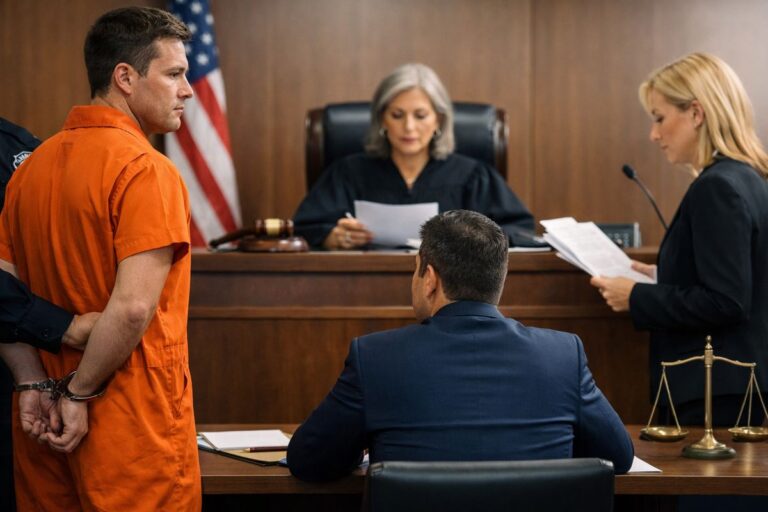
DUI With Injury in Wisconsin: When Charges Turn Felony

A DUI with injury in Wisconsin means an impaired driving case has moved past a routine traffic offense and into felony territory because somebody got hurt. In Wisconsin, the legal term is usually OWI, not DUI, but if you’re searching “DUI with injury,” you’re in the right place, and the big issue is simple: once injury enters the case, the penalties, pressure, and long-term damage jump fast.
What “DUI With Injury” Means in Wisconsin
Hit the basic definition first: in Wisconsin, prosecutors usually charge impaired driving under OWI, short for Operating While Intoxicated. But in everyday talk, “DUI with injury” means the same kind of situation, a drunk- or drug-impaired driving case where another person suffered bodily harm.
That change matters more than most people realize. A standard OWI might center on fines, license penalties, and jail exposure. An injury case can bring felony charges, prison time, restitution, and a record that follows you long after court ends. If you need the broader foundation first, start with how Wisconsin defines impaired driving charges.
DUI vs. OWI in Wisconsin
Start with the local language. Wisconsin uses OWI in statutes and court paperwork, even though plenty of people still say DUI or DWI. In practice, those terms often point to the same kind of allegation: driving while impaired by alcohol, drugs, or a mix of both.
That wording matters because Wisconsin courts, prosecutors, and police reports will usually say OWI-related offenses. If you want the terminology untangled, this breakdown of the labels used in Wisconsin helps make sense of the alphabet soup fast.
When an Injury Case Stops Being “Just a DUI”
Log the key shift here: once a crash causes bodily harm, the case can stop being a standard OWI and turn into an injury-based felony prosecution. That’s the moment the stakes change from “Can you keep your license?” to “Are you facing prison and a felony conviction?”
Prosecutors will look at what injury happened, how the crash occurred, whether intoxication caused it, and whether prior OWI convictions make the case worse. In short, injury is the trigger that turns an already serious allegation into something much harder to manage alone.
3 Triggers That Can Turn the Charge Into a Felony
Hit these three pressure points fast: injury severity, causation, and prior record. Those are the areas that usually decide how hard the state pushes and how severe the charge becomes.
Bodily Harm, Great Bodily Harm, and Death
Start with the injury level. Wisconsin law treats a bruise, a broken bone, and a fatal crash very differently. Bodily harm can support a felony injury charge. Great bodily harm, meaning severe injury such as major fractures, surgeries, permanent impairment, or life-altering damage, raises the case into a much harsher category. A death pushes it into homicide territory.
Think of it like weight classes in a fight. Same ring, very different consequences. The worse the injury, the more punishment the state can seek.
Causation: What the State Has to Link to the Crash
Ship this concept in plain English: it is not enough for the state to say you had alcohol or drugs in your system. Prosecutors also have to prove that your intoxicated driving caused the crash that caused the injury.
That’s a huge point. If another driver ran a red light, if weather caused a chain-reaction collision, or if the medical issue came from something unrelated to the crash timing, causation gets messy. And messy is where felony cases are often fought hardest.
Prior OWI Convictions and Repeat-Offender Exposure
Track your prior record because prosecutors definitely will. If you already have OWI convictions, an injury crash gets more dangerous from a charging and sentencing standpoint. Prior offenses can increase penalties, reduce negotiating room, and make the state less willing to offer reductions.
If you need the bigger picture on how past cases stack up, this guide to repeat-offense exposure in Wisconsin shows why old convictions keep showing up in new cases.

The Wisconsin Charges You’re Most Likely Facing
Hit the charges that usually appear in real injury crash cases, not just the generic “DUI” label people search for.
Injury by Intoxicated Use of a Vehicle
This is the charge most people mean when they say DUI with injury. The allegation is that you caused bodily harm to another person while operating a vehicle under the influence of an intoxicant or with a prohibited alcohol concentration.
That sounds simple on paper. In court, it turns into a fight over operation, intoxication, injury, and causation. Miss one element, and the state has a problem.
Causing Great Bodily Harm by Intoxicated Use
This is the more serious version. If the crash allegedly caused major injury, not just soreness or minor treatment, prosecutors may file a higher-level felony based on great bodily harm.
That phrase carries real weight. Long hospital stays, surgery, permanent loss of function, severe head trauma, or lasting disability can all push a case into this category. Once that happens, sentencing exposure rises sharply.
Homicide by Intoxicated Use and Related Counts
If somebody dies, the case becomes much more severe and can involve homicide by intoxicated use. Prosecutors may also stack related counts depending on the facts, including reckless-driving allegations or separate counts for multiple injured people.
That stacking matters. One crash can produce several charges, especially when more than one person was hurt. In some cases, prosecutors pair OWI-based felonies with reckless-driving-related allegations under Wisconsin law, which increases pressure at every stage.
What Prosecutors Have to Prove to Convict You
Run this four-part playbook. An arrest is not a conviction, and a serious-looking complaint is not proof. The state still has to connect all the dots.
Operation of a Vehicle
Start with operation. Prosecutors must show you were actually operating the vehicle. That can sound obvious after a crash, but it is not always automatic.
Post-crash confusion matters. If officers arrive late, if multiple people were near the vehicle, or if statements shift at the scene, operation can become disputed. The state has to prove more than association with the car.
Intoxication or Prohibited Substance Level
Hit the second element: intoxication. Proof often comes from breath tests, blood tests, officer observations, field sobriety exercises, admissions, drug evidence, and written reports.
Alcohol is only part of the story. Prescription medication, illegal drugs, cannabis, or combinations of substances can all support an impaired-driving allegation. And if you’re dealing with blood or breath evidence, testing and refusal issues can shape the whole case.
Actual Injury to Another Person
The prosecution must prove an actual injury, not just vehicle damage or a scary near miss. Medical records, EMT notes, witness statements, photographs, and crash reports usually drive this part of the case.
Sometimes the fight is not whether somebody got hurt, but how badly and when. That distinction can affect whether the charge stays a felony, drops to a lower-level count, or changes during negotiation.
A Legal Connection Between Impairment and Injury
Log the last element carefully: the state must show a legal connection between impairment and the injury. That means proving the impaired driving caused the crash that caused the injury.
This is often the center of the case. Accident reconstruction, road design, speed estimates, brake data, weather, and medical timing can all matter. If causation is weak, the charge can weaken with it.
Penalties: Prison, Fines, License Loss, and Long-Term Fallout
Hit the scoreboard here. In a felony DUI with injury case, sentencing is only part of the damage.
Felony Sentencing Exposure
A felony injury-related OWI in Wisconsin can bring prison or jail, extended supervision or probation, substantial fines, court costs, treatment conditions, and strict post-conviction rules. The exact exposure depends on the charge level, prior record, and the facts alleged in the crash.
The bigger point is this: once injury makes the case a felony, you are not looking at ordinary traffic-court consequences anymore. You are looking at punishment that can change housing, employment, custody issues, firearm rights, and future sentencing exposure. For the broader picture, this explanation of how Wisconsin cases escalate from ordinary DUI to felony-level risk lays that out clearly.
License Revocation, Ignition Interlock, and SR-22 Issues
Your driving privileges can take a hit fast. Revocation, occupational license limits, ignition interlock device requirements, and proof-of-insurance headaches can all show up early or after conviction.
That affects real life immediately. Work commute. School pickup. Treatment appointments. Every errand turns into a logistics problem once your license is in play.
Restitution, Civil Liability, and Employment Damage
Log the hidden costs because they pile up fast. Criminal court may order restitution for medical bills or other losses. A separate civil lawsuit can follow. Insurance rates can explode, and some coverage may not be enough to protect you.
Then comes the record. A felony can shut doors on jobs, professional licenses, housing, and background-check clearance. If you want a closer look at the fallout outside the courtroom, the long tail of a conviction in Wisconsin is bigger than most people expect.

7 Defense Angles That Can Change the Case
Run this section like a legal film review. The state tells one version of the crash. A defense lawyer tests every frame.
Stop, Arrest, and Investigation Problems
Start with the stop and the investigation. If police lacked a lawful reason to stop you, stretched probable cause, or handled the crash scene badly, that can create real leverage. Body cam, dash cam, dispatch timing, and witness sequencing all matter.
A sloppy start can weaken everything that came after it. If you want to see how that issue plays out, illegal stop arguments in Wisconsin OWI cases often become a major battleground.
Breath and Blood Test Challenges
Hit the science next. Breath and blood evidence can be attacked through timing problems, chain-of-custody breaks, contamination, improper draw procedures, machine maintenance issues, and rising BAC arguments.
Drug-impaired cases can be even tougher for the state. Presence of a substance does not always prove impairment at the time of driving, especially when test timing is delayed.
Causation and Alternate Causes of Injury
This is often the main event. A defense can argue the injury came from another driver, poor road conditions, bad weather, a mechanical issue, delayed treatment, or a chain-reaction event not caused by intoxicated driving alone.
In plain terms, the state must prove more than “you had been drinking” and “someone got hurt.” It has to prove those facts are legally connected.
Injury Severity Disputes and Charge Reduction Opportunities
The injury level itself can be challenged. Not every painful injury counts as great bodily harm. Medical records may show a shorter recovery, no permanent impairment, or a disputed cause for lasting symptoms.
That matters in negotiations and at trial. If the prosecution cannot prove the higher injury category, felony exposure may drop or the charge may be reduced.
What to Do in the First 24 Hours After an Arrest
Start today. Delay helps the state, not you.
Start With 5 Fast Moves
Hit these five moves right away:
- Stay silent about the facts of the crash.
- Ask for a lawyer.
- Save every paper you were given.
- Write down what happened while memory is fresh.
- Stop posting, texting, or messaging about the case.
That last one matters more than people think. Casual texts become evidence. Social posts get screenshotted. A “quick explanation” can turn into a prosecution exhibit.
What to Bring to a Lawyer Consultation
Build your case file before the first meeting. Bring the citation, bail paperwork, bond conditions, notice of suspension or revocation, crash report information, tow and impound paperwork, medical records, insurance information, and names of witnesses.
If you already know you need counsel, this guide to choosing the right Wisconsin OWI defense lawyer helps you focus on experience, felony exposure, and case strategy instead of flashy marketing.
Deadlines You Can’t Miss This Week
Log every deadline now. Court dates, bond terms, no-contact orders, license notices, towing deadlines, and evidence preservation issues can move fast. Video footage gets overwritten. Witness memory fades. Scene conditions change.
Speed matters in felony cases. The sooner your defense starts, the more evidence is still available to work with.
Common Questions About Felony DUI With Injury in Wisconsin
Can a First-Offense DUI With Injury Still Be a Felony?
Yes. If somebody was injured and prosecutors claim your impaired driving caused that injury, even a first incident can become a felony. That is one of the biggest shocks in Wisconsin OWI cases.
Can the Charge Be Reduced to a Misdemeanor?
Sometimes, yes, but not automatically. Reductions usually depend on weak evidence, problems with causation, disputes over injury severity, testing issues, or negotiation leverage created by flaws in the state’s case.
Will the Injured Person Dropping the Complaint End the Case?
No. The state controls criminal charges. An injured person’s wishes can affect the tone of the case, but that alone does not make a felony charge disappear.
How Fast Should You Talk to a Wisconsin OWI Injury Lawyer?
Start today, not next week. Early legal help protects evidence, helps with license strategy, and prevents avoidable mistakes before the prosecution locks in its version of events.
Frequently Asked Questions
Is DUI with injury always a felony in Wisconsin?
Not every impaired-driving case is a felony, but once injury enters the picture, felony charges become much more likely. The exact charge depends on the alleged injury, the claimed cause of the crash, and your prior record.
Can you go to prison for an OWI injury case?
Yes. If prosecutors file a felony injury-related OWI charge and get a conviction, prison is on the table. The level of injury and your prior history usually drive how much exposure you face.
Does insurance handle everything after a DUI injury crash?
No. Insurance may cover some losses, but criminal court can still order restitution, and a separate civil lawsuit can still happen. Insurance also does nothing to erase criminal penalties or a felony record.
What if somebody was hurt, but the crash wasn’t your fault?
That goes straight to causation. The state still has to prove your impaired driving caused the injury-producing crash. If another driver, weather, road hazards, or some other factor caused the collision, that can change the whole case.
How long does a felony OWI injury case take in Wisconsin?
It depends on the evidence, injuries, expert review, and court schedule, but felony cases usually take longer than ordinary OWI matters. Medical records, reconstruction work, and negotiation over injury level can all slow things down.
Make the Right Move Before the Case Gains Speed
A DUI with injury case in Wisconsin is really a race against momentum. Once police reports are locked in, blood results are back, and prosecutors frame the crash as a felony injury case, everything gets harder to unwind. Start fast, protect evidence, and get legal help before this week is over.
Nathan Dineen has built a reputation on proven results, dedicated client service, and aggressive DUI and criminal defense representation. Nationally recognized and trusted by clients throughout Wisconsin, Nate has been named among the Top 100 Trial Lawyers, holds a 10.0 Superb Avvo Rating, and has earned Super Lawyers recognition 11 times, including a 2026 Super Lawyers designation. If you are looking for an experienced attorney in Wisconsin, contact Nate today to discuss your case and receive personalized guidance from one of the state’s most respected criminal defense lawyers.

About Nate Dineen
Wisconsin legal insights from the DUI Defense WI team.