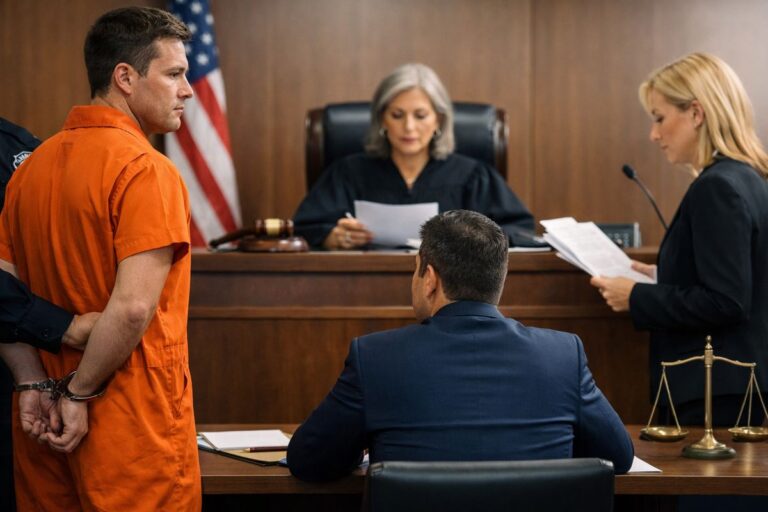
Can Domestic Violence Charges Be Dropped in Wisconsin?

If you want to drop domestic violence charges in Wisconsin, the plain truth is simple: you usually cannot make that happen on your own. Once an arrest happens and a case gets filed, the State takes control, and that changes everything about what comes next.
Can You Drop Domestic Violence Charges in Wisconsin?
In Wisconsin, a domestic violence case is not something you can cancel like a customer service request. After police respond, make an arrest, and send the case forward, the prosecution belongs to the government. That means your wishes matter, but your wishes do not control the outcome.
A lot of people search for a quick yes or no here, and the answer is no, not directly.
The short answer
You can ask for charges to be dropped. You can explain what happened, clear up mistakes, and tell the prosecutor you do not want the case to continue. But you cannot guarantee dismissal just because you changed your mind.
That decision belongs to the prosecutor, and in some situations the judge has a role too. A complaining witness can speak up, but cannot flip a switch and end the case.
Why this surprises so many people
This catches people off guard because the usual real-life pattern is messy and emotional. An argument happens at home, police show up late at night, someone gets arrested, and by the next morning you want to undo the whole thing.
That feels reasonable. It also feels like it should work the same way as withdrawing a complaint. But criminal cases do not work that way in Wisconsin. Once law enforcement gets involved, the case can move on even if everyone wants to calm things down. For a broader look at that process, it helps to understand what usually happens after a domestic abuse arrest in Wisconsin.
How Domestic Violence Charges Work in Wisconsin
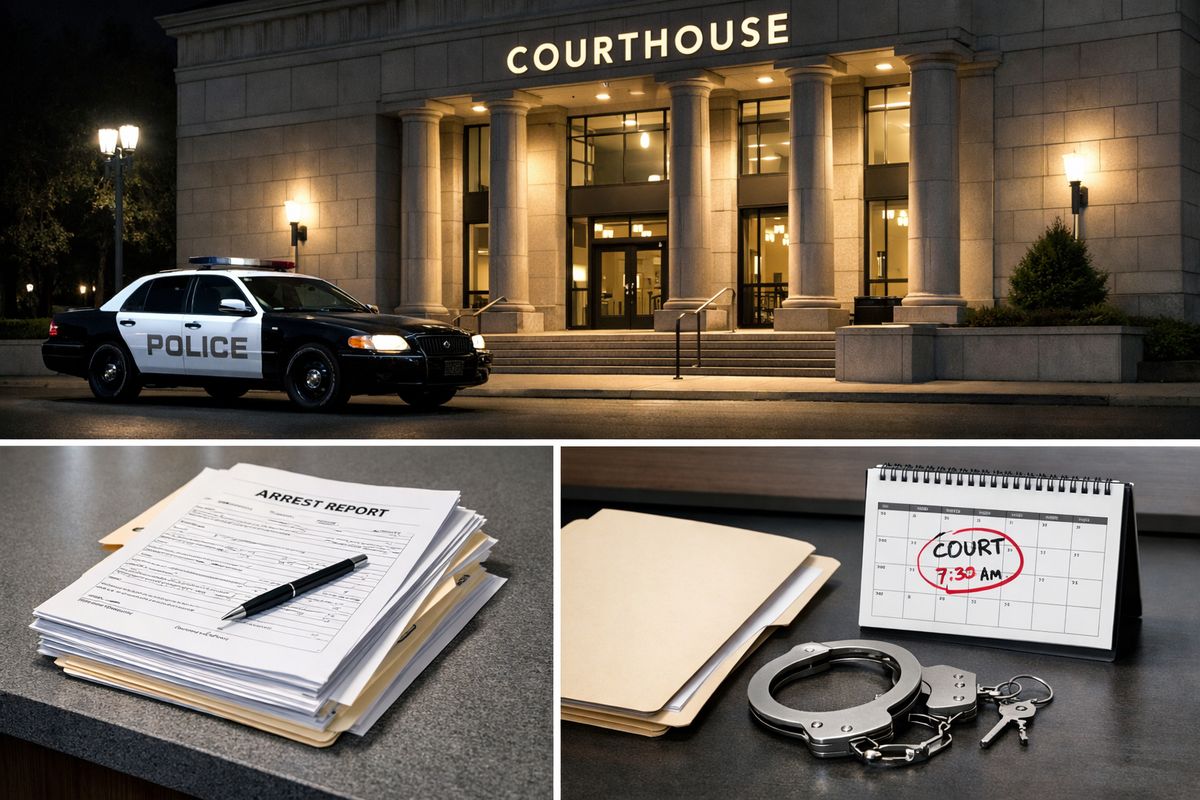
A domestic violence case usually starts with a police response, an arrest, and a report. After that, a prosecutor reviews the evidence and decides what charges, if any, to file. A prosecutor is the government lawyer handling the case. A criminal complaint is the formal document that lists the allegations and charges.
That paperwork matters more than most people realize. Once the complaint is filed, the case has a structure, a court date, and conditions you have to follow.
What counts as a domestic abuse case
In Wisconsin, “domestic abuse” usually refers to certain alleged acts between people in a qualifying relationship, such as spouses, former spouses, dating partners, people who share a child, or family or household members. The alleged conduct might involve battery, threats, stalking, criminal damage to property, or other offenses.
Here is the part that confuses people: “domestic violence” is often the label attached to the case because of the relationship involved. It is not always the exact name of the charge. You may see a battery charge, disorderly conduct charge, or criminal damage charge, but the case still gets treated as domestic abuse because of who was involved.
What happens after an arrest
After an arrest, booking follows. Then comes bond or bail conditions, which are rules the court sets while the case is pending. In many domestic abuse cases, those rules include no-contact terms. In practical terms, that can mean no calls, no texts, no visits, even if both of you want to talk.
Then comes a first appearance, often very quickly. In a Wisconsin county courthouse, that can happen the next morning after an overnight arrest. After that, the prosecutor reviews the police reports, statements, photos, recordings, and anything else collected.
If you are trying to understand the bigger picture, the process is a lot like other criminal cases, just with added urgency around safety conditions. A helpful starting point is how Wisconsin criminal cases usually unfold after an arrest.
Why the State becomes the party bringing the case
The State becomes the party bringing the case because a crime is treated as an offense against public order, not just a private dispute between two people. That is why the caption on the case is the State of Wisconsin versus the accused person, not one person versus another.
Why does that matter? Because once the State owns the case, your preferences become one fact among many. The prosecutor can decide to move forward even without your support.
Who Has the Power to Dismiss a Domestic Violence Case
This is the heart of the issue: authority matters more than preference.
The prosecutor’s role
The prosecutor has the main power to decide whether charges are filed, reduced, negotiated, or dismissed. That choice usually comes down to the strength of the evidence, credibility concerns, legal issues, and public safety concerns.
If the evidence is weak, the prosecutor may dismiss. If the evidence is mixed, a lesser charge or plea offer may happen instead. If the evidence is strong, the case may keep moving even if you ask for it to stop.
The judge’s role
A judge does not usually dismiss a domestic violence case just because someone asks nicely in court. Judges approve dismissals, rule on legal motions, enforce deadlines, and make decisions about procedure and bond conditions.
In other words, a judge has authority, but not in the casual way people often assume. The judge is not there to cancel a case because emotions cooled off over the weekend.
What a complaining witness can actually do
You can give more context. You can explain confusion, point out inaccuracies, describe self-defense, and say you do not want the prosecution to continue. That can matter.
But the limit is real. You are making a request, not issuing an instruction.
When Domestic Violence Charges May Be Dropped in Wisconsin
Charges do get dropped sometimes. Just not for the reason many people expect.
Lack of evidence
Weak evidence is one of the most common reasons for dismissal. Maybe there are no visible injuries, no useful photos, no neutral witnesses, or statements that do not line up. Maybe the proof is too thin to persuade a jury.
Still, lack of cooperation does not always equal lack of evidence. If there is strong outside proof, the case can continue. This comes up often in cases that keep moving even after someone wants them dismissed.
False accusations or mistaken reports
Some cases involve exaggeration, panic, confusion, or a one-sided version of a fast-moving argument. Some involve self-defense. Some involve flatly false claims.
The catch is that saying an accusation was false is not enough by itself. The prosecutor will usually look for facts that support that change, such as inconsistent timelines, missing injuries, contradicting text messages, or witness accounts that tell a different story.
Witness problems, recanting, or refusal to cooperate
Recanting means taking back or changing an earlier statement. People assume that ends the case. Usually, it does not.
Prosecutors often look at recanting very carefully in domestic abuse cases because changed stories can happen for many reasons, including fear, family pressure, money stress, or second thoughts. A changed statement may create doubt, but it can also create credibility problems.
Legal or constitutional issues
Some cases are dismissed because of legal defects rather than factual disputes. Maybe police lacked lawful grounds for part of the investigation. Maybe evidence was obtained improperly. Maybe deadlines were missed. Maybe the complaint has a defect serious enough to matter.
That side of a case is less visible from the outside, but it can be powerful. It is the same basic idea as challenging a stop that should never have happened in the first place. Different charge, same principle: if the legal foundation is weak, the case may be vulnerable.
What Happens if You Ask to Drop the Charges
Asking is allowed. The way you do it matters.
Contacting the prosecutor’s office
Some people call or write the prosecutor’s office to explain the situation and say they do not want the case to continue. That can become part of the file. It can help the prosecutor understand context that a police report missed.
But it is only one piece of the picture. The office may still decide to proceed.
Giving a statement or affidavit
A written statement is simply your written version of what happened. An affidavit is a written statement signed under oath. That sounds formal because it is.
Here is the danger: if an earlier statement was false, changing the story can create serious legal risk. False reporting and perjury issues are not abstract problems. Putting something in writing without legal advice can make a bad situation worse in a hurry.
What not to do
Do not ignore subpoenas. Do not dodge court. Do not pressure anyone to change a story. Do not assume a no-contact order disappears because both of you want contact again.
That last point causes real trouble. Bond conditions stay in place until the court changes them. Violating them can create a new mess on top of the original case.
Will the Case Continue Without Your Help?
Yes, it can.
This is one reason domestic violence cases feel like they have a life of their own after the arrest.
Other evidence prosecutors may use
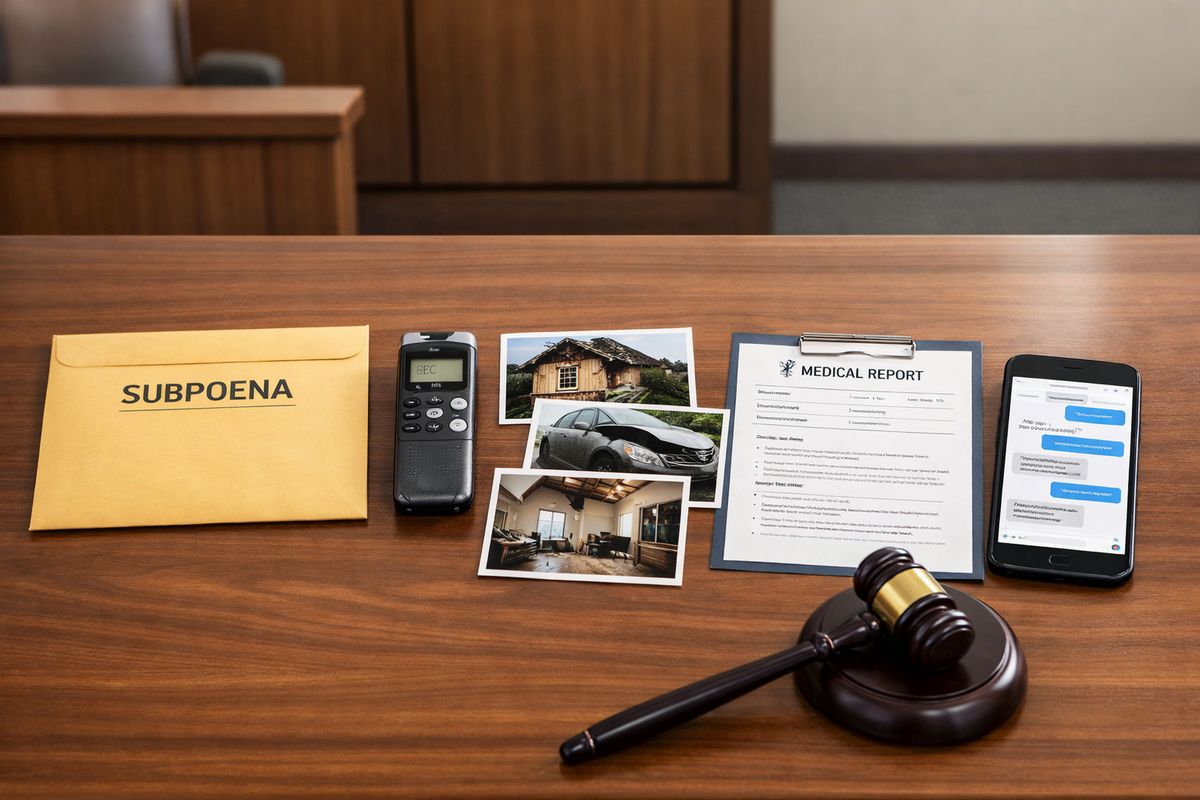
Even without your live testimony, prosecutors may rely on 911 recordings, body camera footage, officer observations, injuries, damaged property, medical records, text messages, social media messages, and statements made at the scene.
Picture it like spilled coffee on a white shirt. Even after the cup is gone, the evidence sticks around. Once enough independent proof exists, the case no longer depends entirely on one person showing up and repeating the story.
If you do not show up to court
A subpoena is a court order, not a suggestion. If you do not appear, the court may reschedule the hearing, issue a body attachment or warrant in some situations, or allow the prosecutor to proceed with whatever evidence is available.
Skipping court rarely helps. Usually it just adds pressure and reduces your control over what happens next.
If you change your story
A changed story can hurt credibility, but it does not automatically kill the case. Prosecutors and judges may ask why the change happened, when it happened, and what evidence supports the newer version.
Sometimes the revised account helps expose a weak case. Sometimes it does the opposite. That is why casual recanting can backfire.
How a Wisconsin Defense Lawyer Can Help
A good defense lawyer does more than show up to court. Early help can change the direction of the case.
Reviewing the evidence for dismissal opportunities
A lawyer can look for weak proof, conflicting statements, missing evidence, self-defense facts, witness bias, and legal problems that support dismissal or reduction. Sometimes the issue is obvious. Sometimes it is buried in body cam timestamps, dispatch notes, or wording in the complaint.
That kind of review matters because small details often decide whether a case is shaky or solid.
Handling bond conditions and no-contact orders
This is one of the most urgent issues after arrest. A lawyer can ask the court to modify bond terms, clarify what contact is forbidden, and help you avoid accidental violations.
If you are dealing with immediate restrictions, the practical problem is often bigger than the legal theory. Similar timing issues show up in other cases too, including the first moves that matter after an arrest for impaired driving.
Speaking to the prosecutor and in court
A lawyer can present facts in the right format, communicate with the prosecutor, raise legal arguments at hearings, and push for dismissal where the evidence or law supports it. Just as important, a lawyer can stop you from making statements that seem helpful in the moment but cause damage later.
That is the real value here: less guesswork, fewer mistakes, better positioning.
Common Questions About Dropping Domestic Violence Charges in Wisconsin
Can the alleged victim just tell the judge to dismiss the case?
No. The judge does not dismiss a case just because you ask in court. The prosecutor controls charging decisions, and the judge handles legal rulings and procedure.
Can charges be dropped before the first court date?
Yes, sometimes. In some cases, charges are never filed, or they are dismissed early if the prosecutor decides the evidence is too weak. But that decision still belongs to the State.
Can a no-contact order be removed if both people agree?
No, not automatically. Mutual agreement is not enough. The court has to change the order first, and until that happens, the no-contact condition still applies.
Does recanting always help?
No. Sometimes it helps expose errors. Sometimes it creates credibility problems or raises concerns about pressure. It is not a guaranteed fix.
Is a domestic violence case the same as a restraining order case?
No. A criminal domestic violence case is prosecuted by the State. A restraining order case is usually a separate civil matter with different rules, paperwork, and hearings.
What To Do Next if You Want Charges Dropped
Gather the right information
Start with the basics: court dates, bond paperwork, charging documents, police paperwork, texts, photos, call logs, and witness names. Early details matter more than people expect, especially if the police report left out context.
Get legal advice quickly
Talk to a Wisconsin criminal defense lawyer as early as possible, ideally before giving extra statements to police or the prosecutor. Early action can change the path of the case, especially where bond conditions, witness issues, or possible dismissal arguments are involved. If your case overlaps with other charges, it also helps to understand how combined criminal allegations can raise the stakes fast.
Try one smart step today
Check your case paperwork right now for the next court date and any no-contact condition. Then get help before making a call, sending a text, signing a statement, or missing a hearing.
Frequently Asked Questions
Can police drop domestic violence charges after the arrest?
Usually no. Police make the arrest and write reports, but the prosecutor decides whether the case gets filed, reduced, or dismissed.
If you called 911 by mistake, can the case still go forward?
Yes. If police collected enough other evidence, the State can still continue the case even if you later say you want to undo the call.
Can a domestic violence charge be reduced instead of dismissed?
Yes. In some cases, the prosecutor may offer a plea to a lesser charge if dismissal is not appropriate but the original charge is too strong, too weak, or too hard to prove as filed.
Does dropping contact with the accused help get the case dismissed?
No. Cutting off contact does not control the prosecution either way. What matters most is the evidence, the law, and the decisions made by the prosecutor and court.
Can you get in trouble for changing your statement?
Yes. If you knowingly gave false information before, changing your statement can create separate legal risk. That is one reason to get legal advice before submitting anything new.
Nathan Dineen has built a reputation on proven results, dedicated client service, and aggressive DUI and criminal defense representation. Nationally recognized and trusted by clients throughout Wisconsin, Nate has been named among the Top 100 Trial Lawyers, holds a 10.0 Superb Avvo Rating, and has earned Super Lawyers recognition 11 times, including a 2026 Super Lawyers designation. If you are looking for an experienced attorney in Wisconsin, contact Nate today to discuss your case and receive personalized guidance from one of the state’s most respected criminal defense lawyers.

About Nate Dineen
Wisconsin legal insights from the DUI Defense WI team.