Operation and Identity
The evidence must reliably identify who operated the vehicle and when, especially in multi-occupant or post-crash investigations.
A crash can add accident reconstruction, property damage, witness statements, vehicle data, medical treatment, chemical testing, and disputed causation to an OWI investigation.
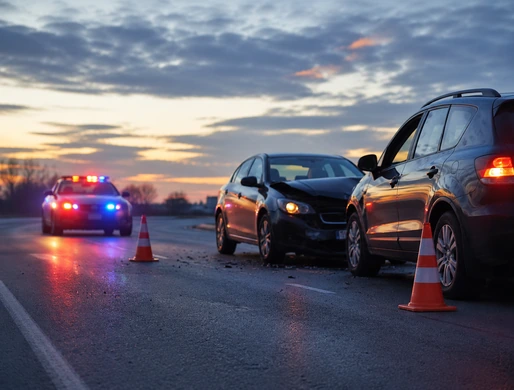
Police may treat a collision as evidence of impairment, but accidents can also result from road design, weather, visibility, distraction, mechanical failure, another driver, animals, emergency maneuvers, or ordinary negligence.
The defense should separately examine why the crash occurred, whether the accused was operating the vehicle, whether impairment evidence is reliable, and whether additional traffic or criminal allegations are supported.
A precise timeline is essential because the crash, emergency response, medical treatment, medications, statements, and chemical testing may occur at different times and in different locations.
The actual analysis depends on the evidence, the statutory subsection, the county, the procedural history, prior matters, and current Wisconsin law.
Each part of the allegation should be matched against reliable, admissible evidence rather than assumed from the police report.
The evidence must reliably identify who operated the vehicle and when, especially in multi-occupant or post-crash investigations.
Vehicle paths, speed, road conditions, visibility, other drivers, mechanical condition, and evasive actions may affect causation.
Driving observations, field tests, statements, medical records, breath or blood evidence, and timing should be reviewed independently.
Reckless driving, leaving the scene, property damage, injury, license status, open container, and other citations require separate analysis.
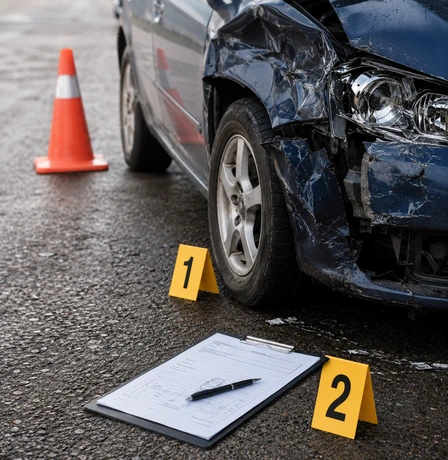
Accident cases may depend on photographs, measurements, 911 calls, body-camera footage, dash camera, traffic cameras, private surveillance, event-data recorders, phone records, navigation data, and independent witnesses.
The condition of the vehicles and roadway can change quickly. Prompt preservation helps prevent the case from being reduced to a report written after the scene was cleared.
The defense strategy should address both the legal allegation and the practical effects on work, driving, licensing, family, insurance, and future opportunities.
Vehicle damage, insurance claims, civil liability, restitution, and repair records may develop alongside the criminal case.
OWI allegations, refusal claims, citations, and administrative deadlines can affect driving privileges.
The facts may lead to reckless-driving, hit-and-run, injury, operating-after-revocation, or other allegations.
Reconstruction, toxicology, vehicle data, medical treatment, and witness analysis may require specialized review.
A structured process helps preserve evidence, identify legal issues, and keep negotiation and trial options available.
Secure photographs, video, vehicles, event data, 911 audio, and witness information.
Identify the sequence of driving, impact, emergency response, treatment, statements, and testing.
Analyze operation, impairment, prohibited concentration, fault, causation, and additional charges independently.
Integrate reconstruction, scientific evidence, license deadlines, insurance issues, negotiation, and trial preparation.
These pages address related charges, testing issues, license concerns, or defense topics that may overlap with this case.
These answers provide general information. Individual facts and current law control the analysis.
No. A collision does not replace proof of operation, impairment, prohibited alcohol concentration, or other required elements.
Yes. Other vehicles, right-of-way, road conditions, evasive actions, and comparative conduct may be relevant to crash causation.
Depending on the vehicle and facts, event-data, infotainment, phone, navigation, or telematics records may help reconstruct the event.
The time between driving, the crash, emergency treatment, medication, and chemical testing can affect interpretation.
Yes. The cause of the collision and the reliability of the impairment evidence are related but distinct questions.
Contact the firm to confirm the best location or meeting arrangement for your case.
Share the charge, county, evidence, prior history, accident details, and any immediate court or license deadline.