Operation and Identity
The evidence must identify the operator and connect the accused to the driving event.

When an OWI allegation includes injury, the case may involve serious criminal exposure, medical evidence, accident reconstruction, toxicology, chemical testing, and disputed causation.
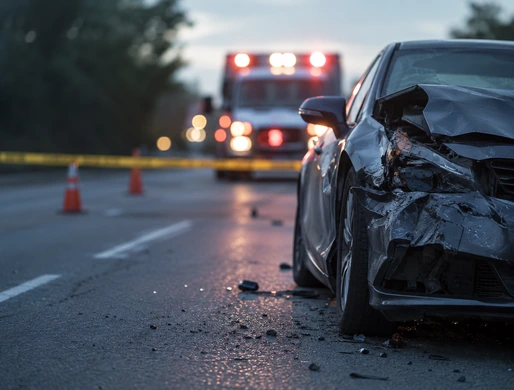
An injury allegation requires more than proof that a crash occurred. The evidence should address who operated the vehicle, how the collision occurred, what injury was actually sustained, and whether the alleged intoxication legally caused the harm.
Medical records may describe diagnosis, treatment, imaging, prognosis, preexisting conditions, medications, and statements made during emergency care. Those records should be compared with the statutory injury allegation.
Chemical evidence should be analyzed with the timing of driving, impact, emergency treatment, sample collection, medication administration, laboratory testing, and any alternative explanation for the reported result.
The actual analysis depends on the evidence, the statutory subsection, the county, the procedural history, prior matters, and current Wisconsin law.
Each part of the allegation should be matched against reliable, admissible evidence rather than assumed from the police report.
The evidence must identify the operator and connect the accused to the driving event.
Medical documentation, diagnosis, treatment, prognosis, and the applicable legal definition affect charge classification.
The prosecution may need to connect the operation and alleged intoxication to the injury rather than merely to the presence of a crash.
Driving observations, statements, field tests, medical treatment, blood or breath evidence, and laboratory interpretation must be reviewed.

These cases may require accident-reconstruction, toxicology, medical, biomechanics, vehicle-data, or other specialized review depending on what is disputed.
The defense should avoid treating the medical records, chemical test, and accident report as separate silos. The timeline connecting them often determines which conclusions are supported.
The defense strategy should address both the legal allegation and the practical effects on work, driving, licensing, family, insurance, and future opportunities.
Certain injury-related intoxicated-use allegations may be charged as felonies with substantial criminal consequences.
Treatment records, expenses, prognosis, restitution, insurance, and civil claims may develop alongside the criminal case.
OWI, refusal, and injury-related allegations can create immediate and long-term driving concerns.
Medical causation, toxicology, reconstruction, and biomechanics may require qualified expert interpretation.
A structured process helps preserve evidence, identify legal issues, and keep negotiation and trial options available.
Secure vehicles, video, photographs, measurements, event data, 911 audio, and witness information.
Review diagnosis, treatment, imaging, prognosis, statements, medications, and preexisting conditions.
Build the timeline and determine what the scientific and accident evidence actually supports.
Coordinate motions, experts, mitigation, negotiation, restitution issues, and trial preparation.
These pages address related charges, testing issues, license concerns, or defense topics that may overlap with this case.
These answers provide general information. Individual facts and current law control the analysis.
No. The exact charge depends on the alleged conduct, degree of injury, statutory section, prior history, and other facts.
The prosecution may need to connect the operation and alleged intoxication to the injury. Other causes and contributing conduct may matter.
Medical records can be reviewed for diagnosis, timing, degree of injury, causation, treatment, prognosis, and alternative explanations.
Yes. Collection authority, sample handling, laboratory reliability, timing, treatment, and interpretation remain relevant.
Accident reconstruction, toxicology, medicine, biomechanics, or vehicle-data expertise may be needed when the State’s conclusions are disputed.
Contact the firm to confirm the best location or meeting arrangement for your case.
Share the charge, county, evidence, prior history, accident details, and any immediate court or license deadline.