
Aggressive Defense. Personalized Attention. Protecting Your Future.
Wisconsin Blood-Test Defense

ChallengingBlood Test Results

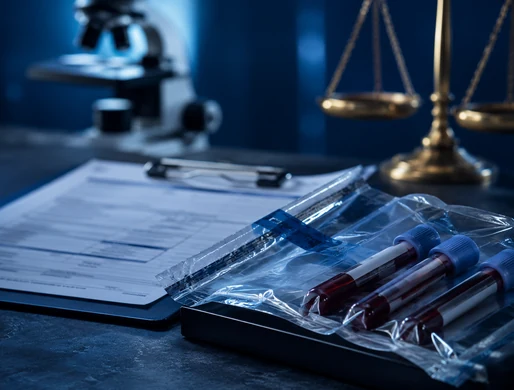
A defense review tests whether the sample was lawfully obtained, properly collected, continuously documented, accurately analyzed, and fairly interpreted.

Forensic ReviewChallenge the Process, Not Just the Number

Collection, custody, instrument performance, batch controls, analyst work, and timing can create separate defense issues.

Legal IssueLawful draw or warrant
Scientific IssueAnalytical reliability
DocumentationComplete laboratory file
InterpretationTiming and impairment
Overview

The Certificate Is the Beginning of the Review

A meaningful challenge does not rely on a general claim that blood testing is inaccurate. It identifies a specific legal, procedural, scientific, or interpretive weakness and connects that issue to admissibility or evidentiary weight.

Important

A discrepancy matters most when it can be tied to the actual sample, analytical run, or legal element the State must prove.

01

Collection and Legal Authority

The defense may examine consent, warrant procedure, implied-consent issues, medical environment, collection protocol, tube selection, preservatives, seals, and documentation.

  • Review warrant or consent records
  • Confirm the collector, location, and collection protocol
  • Examine kit expiration, seals, tubes, and preservatives
02

Laboratory Reliability

The analytical method should be supported by valid calibration, quality controls, blanks, maintenance, proficiency testing, and analyst documentation.

  • Review the entire analytical batch
  • Identify control, blank, or interference issues
  • Compare reported values with the raw data
03

Interpretation and Timing

The concentration at the time of the draw is not automatically the concentration at the time of driving. Absorption, elimination, drinking pattern, and time intervals may matter.

  • Build an accurate event timeline
  • Avoid unsupported retrograde assumptions
  • Consider medical, pharmacological, and physiological evidence
Practical Review

Areas a Forensic Review May Examine

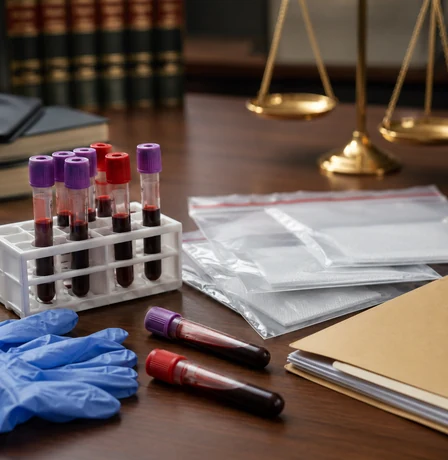
The defense should connect each technical issue to the sample and the prosecution’s specific theory.

  • Legality of the draw and probable cause
  • Collection kit, preservatives, and seals
  • Storage and chain of custody
  • Calibration, controls, blanks, and chromatograms
  • Analyst conclusions and timing assumptions
Common Questions

Legal and Practical Context

These answers are general. The correct analysis depends on the facts, record, notices, and current law.

Suppression may be possible when the sample was obtained through an unlawful arrest, search, warrant, consent process, or other constitutional violation.

Significant foundational or reliability problems can affect admissibility; other issues may affect the weight given to the result.

It is the documented history of possession, transfer, storage, and handling of the sample.

A later blood draw may require analysis of absorption and elimination before conclusions are drawn about the time of operation.

Talk With a Wisconsin OWI Defense Attorney

Let’s Review
Your Situation

Share the facts, deadlines, notices, testing, driving record, and questions that need immediate attention.

Schedule a Consultation

    We typically respond within one business day.