When Does Shoplifting Become a Felony?
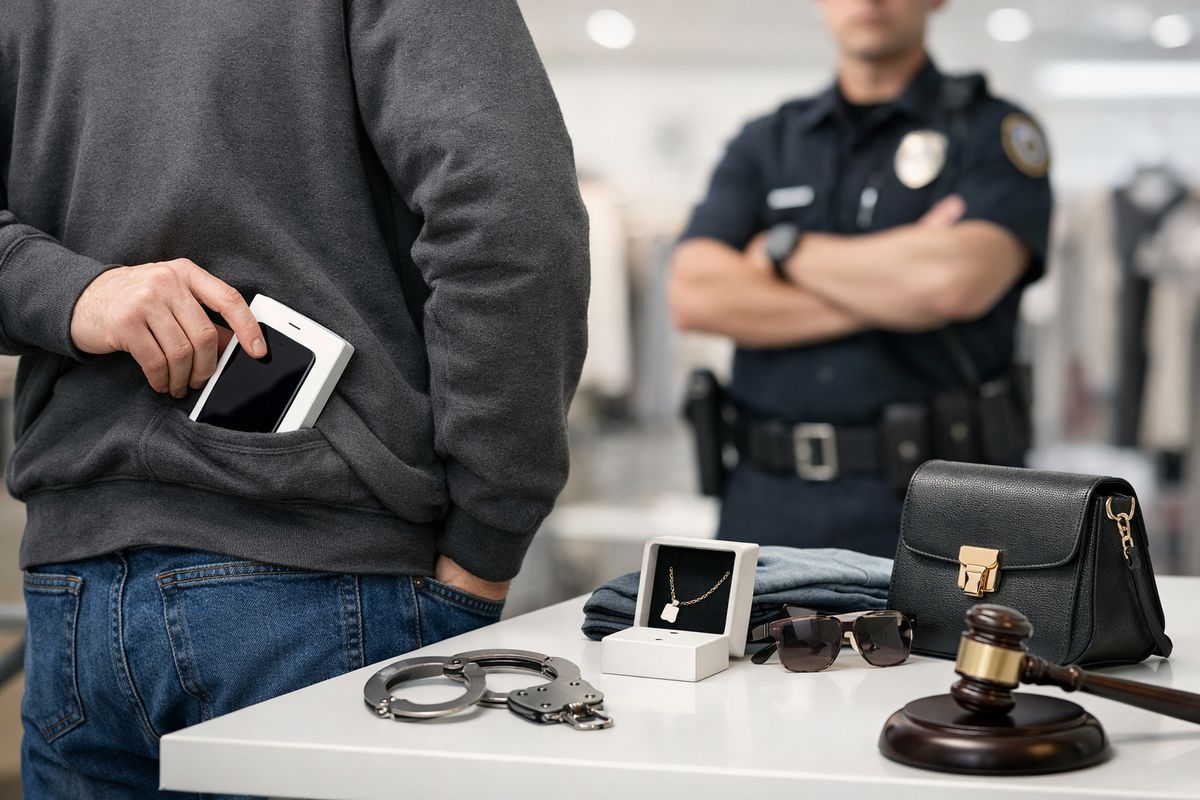
A shoplifting felony is a shoplifting case serious enough to be charged as a felony instead of a misdemeanor. That matters a lot, because the line between the two can change your exposure to jail, fines, probation, and the kind of record that follows you long after one bad moment in a store.
What Counts as Shoplifting
In plain English, shoplifting means taking or trying to take merchandise from a store without paying for it. Most people picture slipping something into a bag and walking out, but the label is often broader than that.
It can also include hiding items, switching price tags, moving goods into different packaging to pay less, or leaving a store after tampering with labels or boxes. In some states, even an attempt can be enough if the facts show you meant to deprive the store of the item. Here’s the thing: the law usually focuses on intent, not just whether you made it past the parking lot.
How shoplifting is different from general theft
Shoplifting is a store-based form of theft. General theft, sometimes called larceny, can cover much more, like taking a phone from a coworker, stealing a package, or keeping money that is not yours.
That distinction matters because some states have specific shoplifting laws, while others charge retail theft under broader theft statutes. If you have ever tried to sort out how similar criminal labels can still mean different things in court, it works a lot like that.
When Shoplifting Becomes a Felony
Shoplifting becomes a felony when the facts cross a threshold set by state law. The biggest trigger is usually the value of the merchandise, but prior convictions, repeat conduct, organized retail theft allegations, force, or a weapon can raise the charge too.
Think of it like a speed limit that changes from town to town. The basic conduct may look the same, but once certain numbers or facts show up, the legal category jumps fast.
The dollar amount threshold
The most common reason shoplifting becomes a felony is the dollar value of the property involved. Every state sets its own cutoff. In one state, $500 worth of merchandise may stay a misdemeanor. In another, that same amount could push the case into felony territory.
That is why blanket advice online can mislead you. A case involving designer sunglasses, electronics, or several smaller items taken together can cross the line faster than you expect.
Prior convictions and repeat offenses
A lower-value case can still become a felony if your record includes prior theft-related convictions or certain felony convictions. Repeat-offender laws basically say this: what might have been treated as a lesser offense the first time can be punished more seriously if it keeps happening.
That does not mean every second arrest becomes a felony automatically, but your history can change the charge, the plea options, and the sentencing range.
Other factors that can raise the charge
Some facts make prosecutors treat shoplifting as more than a simple retail theft case. Acting with a group, targeting expensive goods for resale, using force while leaving, or carrying a weapon can all raise the stakes.
If store security says you pushed past an employee near the front registers, the case may start looking less like basic shoplifting and more like robbery or organized retail theft. And once felony allegations enter the picture, the rules around jail exposure, fines, and long-term fallout get much tougher.

Misdemeanor vs. Felony Shoplifting
The label matters far beyond the day you go to court. A misdemeanor shoplifting case is serious. A felony shoplifting case can change employment, housing, licensing, and immigration issues for years.
If you want the short version, a misdemeanor is the lower level and a felony is the higher level. But that simple split hides a lot of real-world consequences. A fuller breakdown of what truly separates the two charge levels helps make sense of why the distinction matters so much.
Common misdemeanor penalties
Misdemeanor shoplifting often brings fines, restitution to repay the store, probation, community service, anti-theft classes, and sometimes county jail time. For a first-time case, some courts allow diversion, which is a program that can lead to dismissal if you complete conditions like classes, fees, or community service.
That is the best-case route many people hope for, but it usually depends on the facts, your record, and local policy.
Common felony penalties
Felony shoplifting raises the ceiling in a big way. You may face longer jail or prison exposure, larger fines, stricter probation terms, and a harder-to-fix criminal record later.
Sentencing can also turn on details that do not seem obvious at first, like prior history, the amount involved, and whether force or organized conduct is alleged. That is why cases often hinge on what judges look at when deciding punishment.
Why “crime of moral turpitude” sometimes comes up
This phrase sounds old-fashioned, but it still shows up. A crime of moral turpitude is an offense that courts, agencies, or licensing boards see as involving dishonesty.
Because shoplifting is tied to dishonest conduct, that label can affect job applications, professional licenses, immigration matters, and even school opportunities. It is not just about the sentence. It is about what the charge seems to say about you on paper.
What Happens After a Shoplifting Arrest
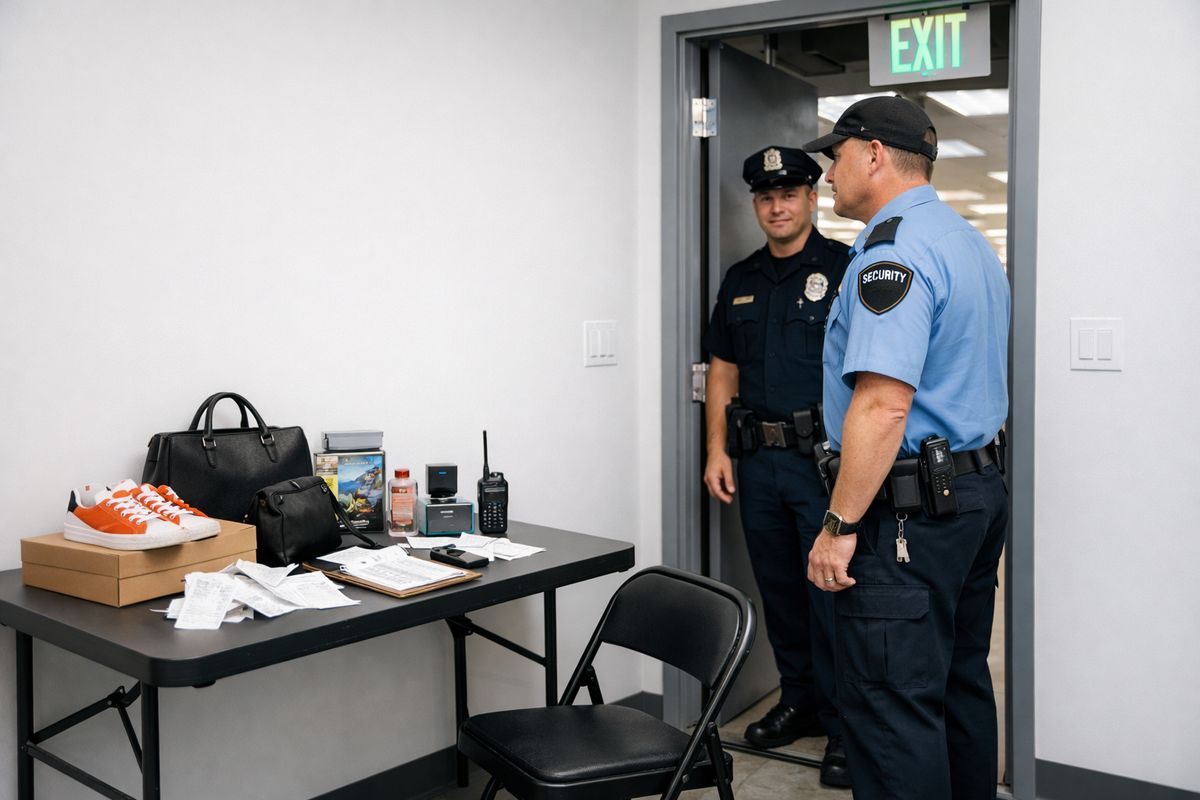
A shoplifting arrest usually starts fast and awkwardly. One minute you are near the self-checkout or the front registers, the next you are being stopped and taken into a small security office behind a plain beige door near the exit.
Store detention, police contact, and charges
Store security may stop you if staff believe merchandise was concealed or not paid for. Depending on state law, store personnel may detain you for a limited time while police are called. Then you may get a citation, be formally arrested, or be released pending charges.
The catch is that what happens in those first minutes matters. Statements you make, receipts you still have, and how the items are valued can shape the case. Knowing what your rights are during an arrest and what officers cannot ignore can keep a bad situation from getting worse.
Court, plea deals, and diversion
After charges are filed, your case usually begins with an arraignment, which is the first court hearing where the charge is read and a plea is entered. If you have never seen that process before, this breakdown of the first court hearing makes it easier to picture.
From there, the case may move into plea negotiations, motions, or diversion screening. Some charges get reduced. Some get dismissed after a program is completed. Some stay exactly as filed. It depends heavily on the evidence and your record.
Restitution and civil demands
Criminal charges are not always the only problem. Stores in some states can also send civil demand letters asking for money separate from the criminal case.
That can feel strange if the merchandise was recovered, but civil claims and criminal charges are different tracks. Paying a civil demand does not automatically end the criminal case, and ignoring it does not automatically make it disappear.
Questions That Change the Outcome
Small facts often decide whether a case stays minor or turns into something much more serious. Not flashy facts. Practical ones.
Does the total include everything taken in one incident?
Usually, yes. Prosecutors often add up the full value of all items involved in the same event. So three smaller items can be treated as one higher-value theft if it all happened during one trip through the store.
In some states, separate incidents can also be grouped together, especially when the accusation involves a pattern or organized retail theft.
What if the item was recovered or returned?
Getting the item back does not automatically erase the charge. The key issue is often whether you intended to take it without paying.
So if an item never left the store or got handed back in the security office, that may help with damage control, but it usually does not end the case by itself.
Does age matter if you’re a minor?
Yes, but not in a way that makes the case harmless. Juvenile cases usually go through a different court system focused more on supervision and rehabilitation.
Still, serious facts or repeat conduct can bring major consequences, and in some situations older minors can face adult charges.
Common Defenses and Next Steps
Shoplifting cases often look simple from the outside. Sometimes they are not. Bad camera angles, rushed assumptions, and incorrect pricing can change everything.
Common defense themes
Common defense themes include mistaken identity, lack of intent, ownership disputes, unlawful search issues, weak store surveillance, and inflated value claims. If you accidentally walked out during a distracted moment at self-checkout, intent may be contested. If the video is blurry or never shows concealment clearly, proof may be weaker than the accusation suggests.
Value also matters more than most people realize. If the prosecution overstates what the merchandise was worth, that can affect whether the case stays a misdemeanor or gets filed as a felony.
What to do right away
Save receipts, screenshots, and any messages tied to the incident. Write down what happened while it is still fresh, including where you were, who stopped you, and what was said. Do not discuss the case casually with friends, online, or with store staff after the fact. And get legal help in your state, because felony thresholds and defenses vary a lot.
If cost is part of your concern, it helps to understand what defense representation usually ends up costing before you start making rushed decisions.
Quick answers about felony shoplifting
Can a first offense be a felony?
Yes. If the value is high enough, or if the facts involve force, a weapon, or organized retail theft, a first offense can still be charged as a felony.
Is felony shoplifting the same in every state?
No. States set different dollar thresholds, enhancement rules, and penalty ranges. The same conduct can be charged very differently depending on where it happened.
Can a felony shoplifting charge be reduced?
Sometimes, yes. Charges may be reduced if the value is disputed, the evidence is weak, or a plea agreement or diversion option is available. In some cases, there are paths that lead to a case being dropped or reduced, but that depends on the facts and local law.
Can you clear a shoplifting record later?
Sometimes. Expungement, sealing, or other record-clearing options may be available, but eligibility depends heavily on state law, the final outcome, and whether the conviction was for a misdemeanor or felony. A good starting point is learning when a felony record can still follow you for years.
Frequently Asked Questions
Does shoplifting have to involve leaving the store?
No. In many places, concealment, tag switching, or altered packaging can be enough if the facts show intent to steal, even before you walk out.
Can store security search you?
Store security may ask to search your bags or belongings, but authority varies by state and by the circumstances. Refusing or consenting can carry consequences, so legal advice matters quickly after an incident.
Will paying for the item later fix the case?
Usually not. Paying later may help show cooperation, but it does not automatically erase the original accusation or stop charges from being filed.
Can a plea deal keep a felony off your record?
Sometimes. A plea deal may reduce a felony to a misdemeanor, especially if the value is close to the threshold or proof problems exist, but there is no automatic rule.
Is jail mandatory for felony shoplifting?
Not always. Some felony cases end with probation, treatment, diversion-like resolutions, or reduced charges, while others carry real prison risk.
Speak With Attorney Nathan J. Dineen
Attorney Nathan J. Dineen represents clients facing DUI, OWI, and related criminal charges throughout Wisconsin. His approach combines strategic courtroom advocacy with advanced training in standardized field sobriety testing, drug-recognition evaluation, and the science behind breath, blood, and chemical testing.
Nathan has also presented DUI defense topics to other attorneys and has been recognized by legal organizations for his trial advocacy, professional achievement, and work in impaired-driving defense.
A DUI or OWI charge can affect your license, career, reputation, and future. Get experienced legal guidance before making your next decision.
Schedule your confidential consultation with Attorney Nathan J. Dineen today.

About Nate Dineen
Wisconsin legal insights from the DUI Defense WI team.