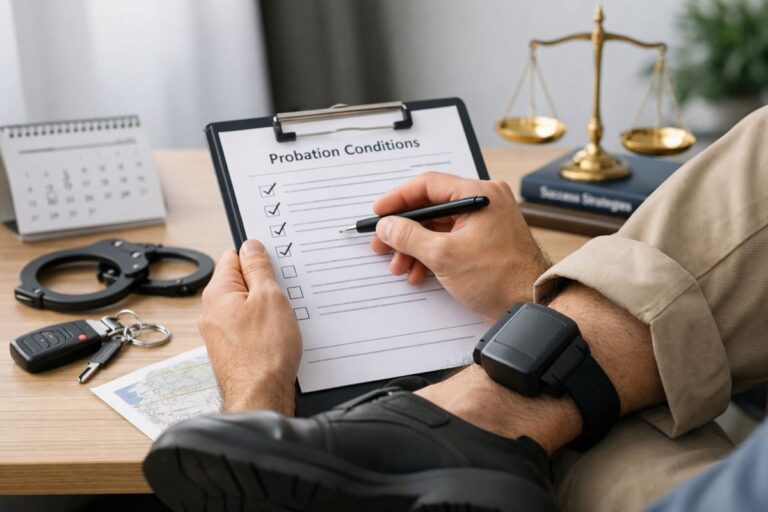
Does a DUI Stay on Your Record Forever?
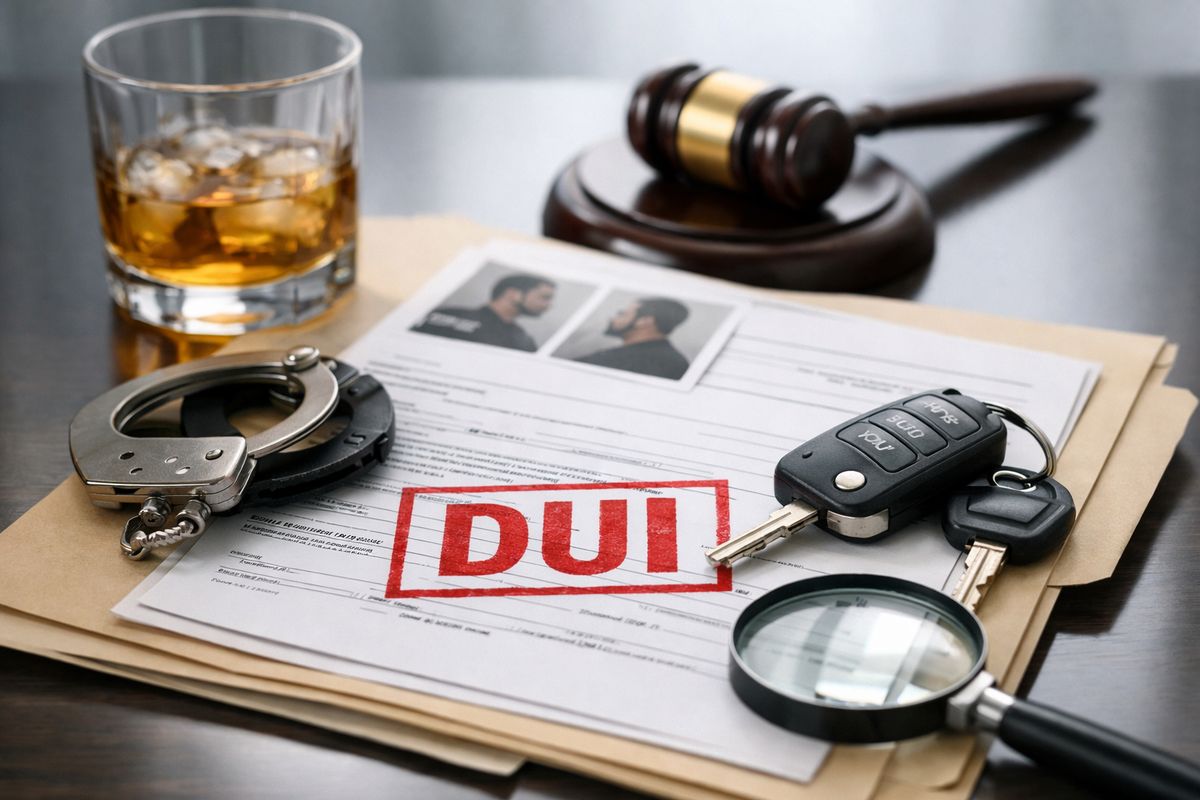
A DUI on record does not always stay there forever, but it also does not simply vanish with time. Here’s the part that trips people up: your record is not one single file, so a DUI can disappear from one place and still show up somewhere else years later.
Does a DUI Stay on Your Record Forever?
The short answer is no, not always forever. But in many cases, a DUI can stay on parts of your record for a very long time, and sometimes permanently unless you take legal steps to clear it.
That is why blanket answers online are often misleading. A DUI may remain on your driving record for a set number of years, stay on your criminal record indefinitely, and still appear in court records or certain background checks. The answer changes by state, by case outcome, and by who is looking.
What “Your Record” Actually Means
When people say “your record,” it sounds like a single folder sitting in a cabinet somewhere. It is more like a stack of folders kept by different offices for different reasons.
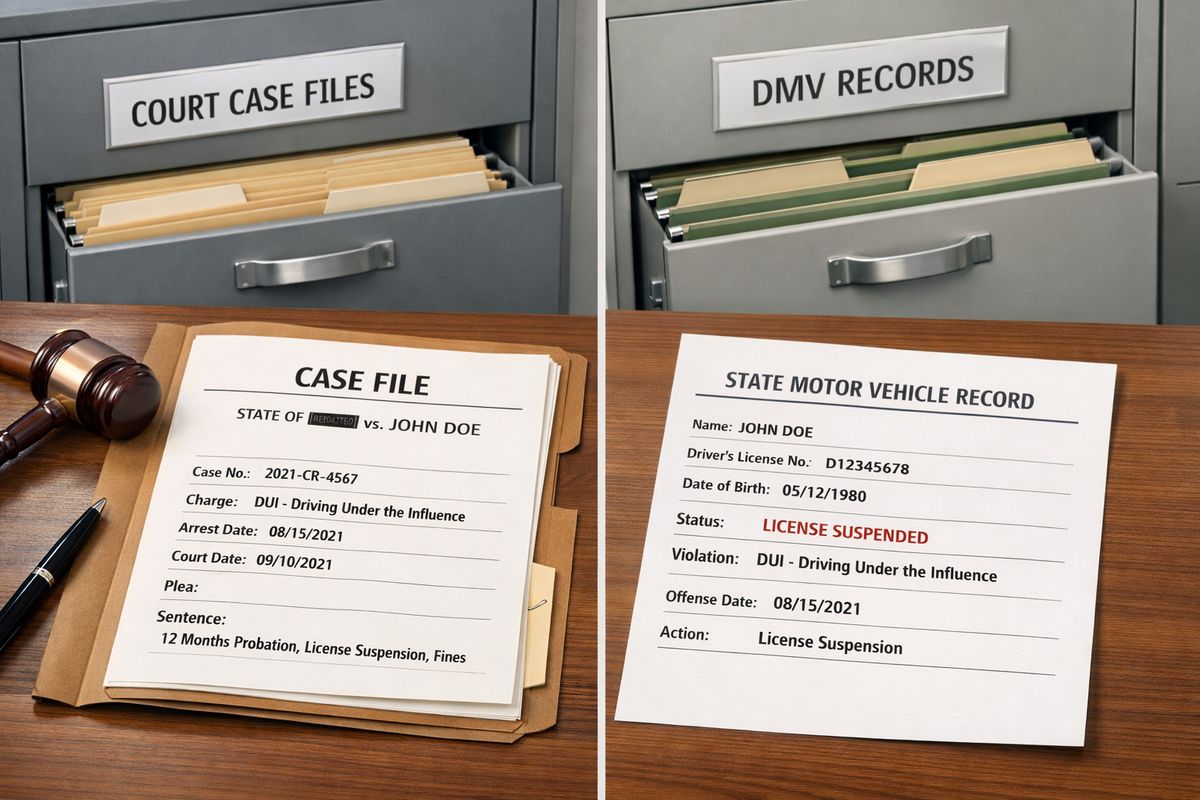
A DUI can show up on your criminal record, your driving record, your court record, and in background checks built from one or more of those sources. That matters because one part can change while another part does not. You could have a DUI that no longer affects your license status but still appears in a criminal search.
Criminal record vs. driving record
Your criminal record usually tracks arrests, charges, court outcomes, and convictions. If you were arrested for DUI, went to court, and were convicted, that result may stay in the criminal system unless state law gives you a way to clear it.
Your driving record, also called a motor vehicle record or MVR, is different. That record is kept by your state’s driver licensing agency, often the DMV or a similar department. It focuses on license suspensions, points, traffic-related offenses, and driving history. If you want a better sense of the process after an arrest, it helps to understand what the case usually looks like from the start.
Why the answer changes depending on who is checking
Different people and agencies check different databases. An employer may run a criminal background screen. A car insurance company may pull your motor vehicle record. A landlord may use a private background check company. A courthouse search in Phoenix could show a case file that says one thing, while a state driving record request shows another.
That is why “it fell off my record” can be true in one narrow sense and false in another. A DUI can stop affecting one area of your life and still keep showing up in another.
How Long a DUI Usually Stays on Your Record
There is no single nationwide timeline. Every state sets its own rules, and those rules can be surprisingly different.
Some states keep a DUI on a driving record for a limited number of years. Others keep it much longer, and some effectively keep it there permanently. On the criminal side, a conviction usually stays put unless you qualify for a legal remedy such as expungement, sealing, or vacating the conviction.
Driving record timelines
Driving record timelines are usually the easiest part to track because states often assign a specific period. During that time, the DUI can affect your license status, insurance rates, and how a future offense is treated. In some places, that could be five years. In others, ten years, longer, or for life.
This is also where license penalties often show up first. Suspensions, reinstatement rules, and proof of insurance filings often run through the DMV side of the case. If your main concern is getting back on the road, sorting out the reinstatement process becomes part of the picture quickly.
Criminal record timelines
A DUI conviction does not usually expire on its own. That is the blunt truth.
If your DUI ended in a conviction, it often remains on your criminal record unless state law allows it to be expunged, sealed, vacated, set aside, or otherwise cleared. Even then, you usually have to apply and qualify. Time alone is often not enough. That same basic issue comes up with other long-lasting convictions, even though the rules for DUI can be different.
The DUI “lookback period” and why it matters
A lookback period is the window of time during which an older DUI can count against you if you get another one. Think of it like a replay window, not a visibility window.
This is different from how long the DUI stays on your record. A DUI might remain visible for a long time, but only count as a prior offense for a certain number of years. Or the opposite. If a state has a ten-year lookback period, a DUI from eleven years ago may still appear on a record but not trigger the same repeat-offender penalties.
Can You Get a DUI Removed From Your Record?
Sometimes yes, but the catch is that it depends heavily on state law and the exact outcome of your case. A dismissal is different from a conviction. A reduced charge is different from a straight DUI conviction. A first offense is different from a repeat offense.
There are a few common legal tools people talk about, but the words are not interchangeable.
Expungement
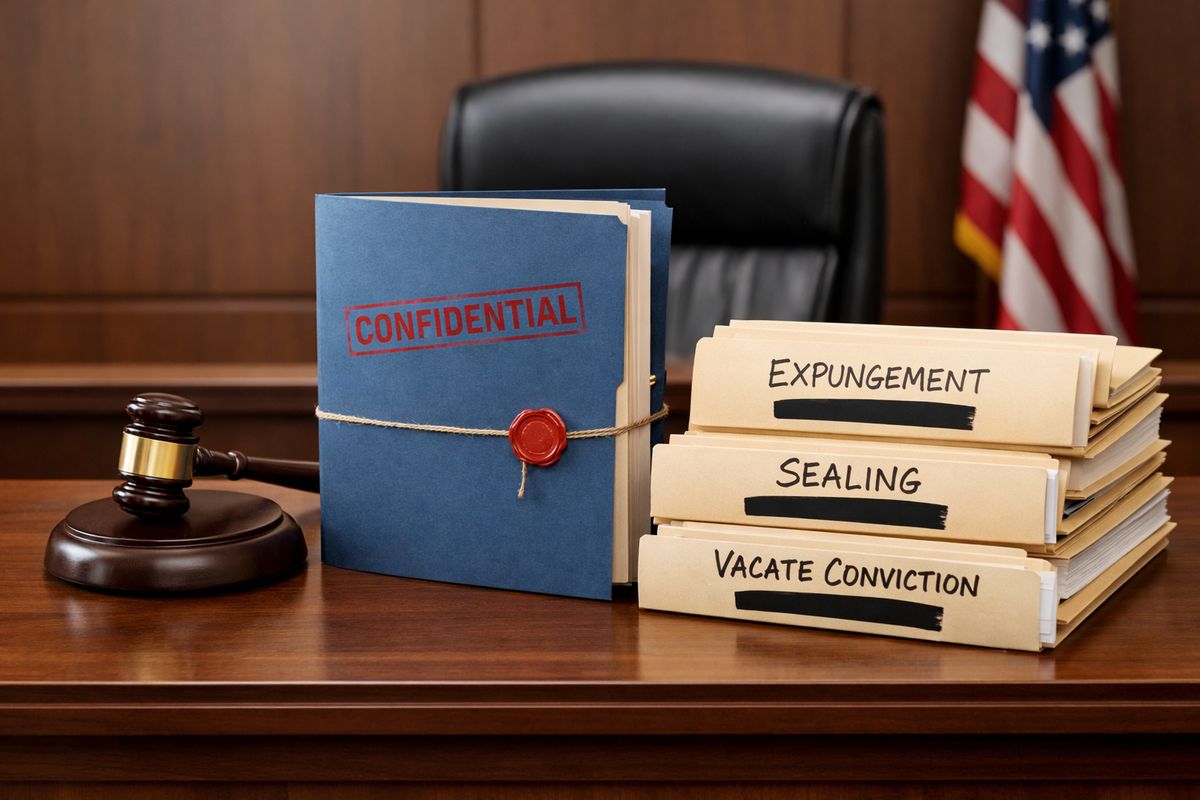
Expungement is a legal process that can remove or limit public access to a record, depending on the state. In some places, expungement is available only for dismissed cases or reduced charges. In others, certain DUI convictions may qualify after a waiting period. And in some states, a DUI conviction cannot be expunged at all.
If you want the plain-English version of what that process can and cannot do, this breakdown of clearing a DUI record helps.
Sealing, vacating, or setting aside a conviction
These terms sound similar, but they do not all mean the same thing. Sealing often means the record is hidden from public view, though government agencies and courts may still access it. Vacating a conviction usually means the court withdraws the conviction, often after specific legal requirements are met. Setting aside a conviction can change how the case appears, but it does not always erase it.
Here’s the thing: none of these automatically means “gone forever from every database.” That misunderstanding causes a lot of false hope.
Cases that are dismissed or reduced
If your DUI charge was dismissed, diverted, or reduced to another offense, what appears on your record may look very different from a DUI conviction. That can matter a lot during future background checks.
For example, a reduced reckless driving charge may carry different consequences than a DUI conviction, though it still may not be harmless. If your case involved negotiations, understanding how charge deals work gives useful context.
When you may become eligible
Eligibility often depends on finishing everything the court ordered. That can include probation, fines, treatment, alcohol classes, license conditions, and staying out of trouble for a set period.
If probation was part of your case, missing one condition can slow everything down. That is why it helps to understand how probation terms usually work before trying to clear anything later.
Will a DUI Show Up on a Background Check?
Often, yes. A DUI commonly appears on criminal background checks, driving-related screenings, and court record searches. But what shows up depends on the type of check, the reporting company, the state, and whether the record has been cleared or limited.
Employment background checks
For many jobs, a DUI matters most when the position involves driving, childcare, healthcare, security, finance, or a professional license. Some employers focus mostly on recent convictions. Others care more about patterns than a single older event.
A standard criminal background check may find a DUI conviction through court records or criminal databases. If the case was dismissed or sealed, the result may differ. That said, an employer that requires driving as part of the job may look beyond a basic criminal screen.
Insurance and driving-related checks
Insurance companies and employers checking your motor vehicle record may see a DUI even when a standard criminal check is limited. That is a big deal because insurance pricing often treats a DUI like a flashing warning light.
A DUI can lead to higher premiums, policy issues, or an SR-22 requirement, which is a state-required proof of insurance filing in some cases. If your license was suspended, you may also need to deal with the steps to get driving privileges restored.
Fair chance laws and reporting limits
Some state and local laws limit when an employer can ask about criminal history or how far back certain private background checks can report. Those rules can help with hiring timing and fairness.
But they do not erase the DUI itself. A reporting limit is not the same thing as record removal, and that distinction matters.
How a DUI Can Affect Your Life While It’s on Your Record
A DUI can touch more areas of life than most people expect. Not always dramatically, but often enough to matter.
Jobs and professional licenses
A DUI can create hiring problems, especially for roles involving driving, teaching, nursing, law enforcement, or state licensing boards. In some fields, the issue is not just the conviction, but whether you reported it when required.
For jobs outside those fields, one older DUI may matter less than you fear. But repeated alcohol-related offenses tend to raise bigger concerns.
Car insurance and license issues
Insurance companies often treat a DUI as a major risk marker. That can mean sharp premium increases, fewer carrier options, or special filing requirements.
On the license side, the damage can last longer than the court case feels like it should. A one-night arrest can keep affecting your driving status long after the courtroom lights are off.
Penalties for a later DUI
An older DUI can still hit hard if it falls inside your state’s lookback period. That can mean harsher fines, longer suspensions, ignition interlock requirements, or even jail exposure on a later case.
And if aggravating facts push a DUI into felony territory, the stakes rise fast. That is where the gap between lower-level charges and more serious offenses starts to matter.
Common Questions About a DUI on Record
Does a first DUI stay on your record forever?
A first DUI can stay on your record for many years and sometimes permanently unless state law allows it to be cleared. “First offense” does not automatically mean temporary.
Is a DUI a felony?
Many first DUIs are misdemeanors. But a DUI can become a felony if it involves serious injury, death, repeat offenses, a child passenger, or other aggravating factors.
Does a DUI disappear after 7 or 10 years?
Usually not automatically. Seven-year or ten-year rules often relate to background check practices, insurance treatment, or lookback periods, not full removal from every record.
Can you check your own record?
Yes. You can usually request your driving record from your state licensing agency and review court records or background check reports to see what is still showing up.
Frequently Asked Questions
Will a dismissed DUI still show up?
Sometimes. A dismissed case may still appear in court records or certain background searches unless it is sealed or expunged under state law.
Can a landlord see a DUI?
A landlord may see a DUI if a screening company pulls criminal court information that includes the case. Driving records are less commonly used for housing, but criminal records can be.
Does a DUI affect car insurance forever?
Not usually forever, but often for several years. Insurance companies set their own underwriting rules, and a DUI can affect rates long after the court case ends.
Can a DUI stop you from getting a professional license?
Yes, in some fields. Licensing boards for healthcare, teaching, law, finance, and similar professions may ask about DUI history and look at the facts closely.
Do you need a lawyer to clear a DUI from your record?
Not always, but legal help can make a big difference because eligibility rules, waiting periods, and filing steps vary a lot by state.
What to Do Next if You Want to Clear Up a DUI on Your Record
Start with facts, not guesses. Pull your driving record, check your court record, and find out exactly what still appears. That one step can save a lot of confusion, because “my DUI is off my record” is often just a misunderstanding about which record somebody checked.
After that, look at your state’s rules for expungement, sealing, vacating, or setting aside a conviction. If the case is complicated, or you are not sure what you qualify for, talking with a local DUI or criminal defense attorney can save time and mistakes. Try one simple thing first: request your own records and read them line by line.
Speak With Attorney Nathan J. Dineen
Attorney Nathan J. Dineen represents clients facing DUI, OWI, and related criminal charges throughout Wisconsin. His approach combines strategic courtroom advocacy with advanced training in standardized field sobriety testing, drug-recognition evaluation, and the science behind breath, blood, and chemical testing.
Nathan has also presented DUI defense topics to other attorneys and has been recognized by legal organizations for his trial advocacy, professional achievement, and work in impaired-driving defense.
A DUI or OWI charge can affect your license, career, reputation, and future. Get experienced legal guidance before making your next decision.
Schedule your confidential consultation with Attorney Nathan J. Dineen today.

About Nate Dineen
Wisconsin legal insights from the DUI Defense WI team.