Can a Criminal Charge Be Dismissed? Here’s When It Happens
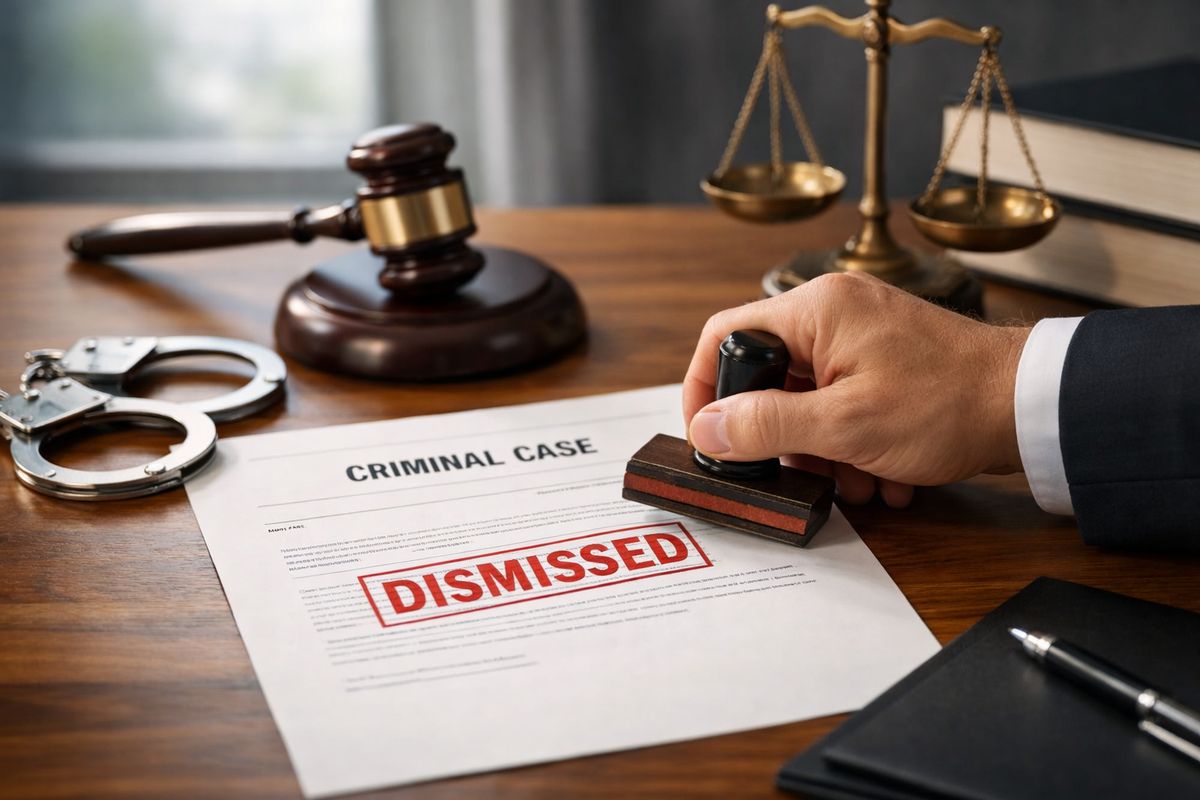
A charge dismissed result means a criminal case stops moving forward on that charge without a conviction. If you have ever pictured a courtroom as a straight line from arrest to guilty verdict, here’s the good news: it does not work that way, and cases fall apart more often than most people think.
What “Charge Dismissed” Means
When a charge is dismissed, the court ends that charge before it leads to a conviction. In plain English, the case does not keep moving forward, at least not in its current form. That matters because a dismissal can spare you from a trial, a plea, or a criminal judgment.
But a dismissal is not the same as being declared innocent. It simply means the charge is no longer active. That can happen because the evidence is weak, your rights were violated, paperwork was mishandled, or a deal was reached that allows the case to be closed.
Dismissed vs. Dropped vs. Acquitted
These words get mixed together all the time, but they are not the same.
“Dropped” usually means the prosecutor decides not to keep pursuing the case, often before trial. “Dismissed” usually means the court formally ends the charge. “Acquitted” means you went to trial and were found not guilty.
Think of it like three different exits from the same road. Dropped means the prosecution turns around early. Dismissed means the court blocks the road. Acquitted means the case went all the way to trial, and the prosecution failed there.
Yes, a Criminal Charge Can Be Dismissed
Yes, absolutely. A criminal charge can be dismissed, and it happens for real legal reasons, not just technical loopholes from TV.
Here’s the thing: a criminal case works a lot like a checklist. The prosecution needs enough evidence, legal police conduct, reliable witnesses, proper filings, and a case strong enough to survive court challenges. If one major piece is missing, the whole case can wobble. If several pieces are missing, it can collapse.
That does not mean every weak case gets tossed out automatically. It means dismissal usually comes from pressure, timing, and facts being tested instead of accepted at face value.
Common Reasons a Criminal Charge Gets Dismissed
Most dismissals come down to one basic idea: the case is not strong enough, or it was built the wrong way.
Not Enough Evidence
This is one of the biggest reasons charges get dismissed. The prosecution has to prove the charge with real evidence, not guesses, assumptions, or a shaky story.
“Insufficient evidence” sounds technical, but it usually means something simple. Maybe there is no video, no reliable witness, no physical proof, or no clear link connecting you to what allegedly happened. Maybe the only witness kept changing key details. Maybe the accusation sounds serious, but the proof behind it is thin.
That issue can show up in all kinds of cases, from theft accusations to confusing property-crime allegations.
Constitutional or Police Procedure Problems
A case can also get dismissed when police violate your rights. That includes unlawful stops, illegal searches, coerced statements, or failures tied to Miranda warnings in situations where they matter.
If evidence was gathered illegally, a judge can suppress it, which means it cannot be used in court. Sometimes that one ruling guts the whole case. If the prosecution was leaning on a bad search, a forced confession, or evidence taken without a legal basis, there may not be much left.
That is why the details of what police can and cannot do during an arrest matter so much. A rights violation does not always end a case, but it can change everything.
Witness Problems
Some cases lean heavily on one person’s version of events. If that witness changes the story, refuses to cooperate, cannot be located, or comes across as unreliable, the prosecution can have a real problem.
This does not automatically mean dismissal. Some cases have video, forensic evidence, or multiple witnesses. But when credibility is the whole engine of the charge, witness trouble can stall the case fast.
That comes up often in emotionally charged accusations, including cases built around domestic accusations, where conflicting accounts can become the center of the case.
Prosecutor or Court Filing Errors
Paperwork sounds boring until it changes your case.
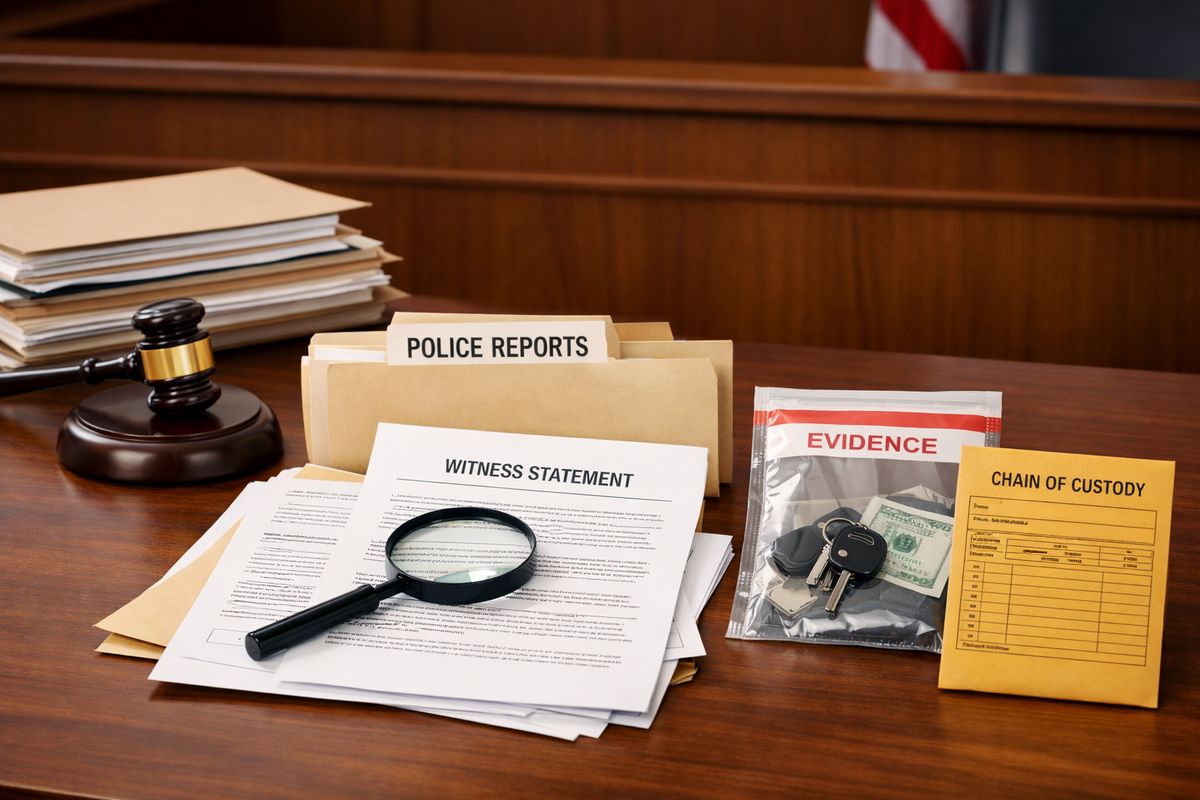
Charging documents can contain defects. Deadlines can be missed. Evidence can be mishandled. Chain of custody, which means the documented handling of evidence from one person to the next, can break down. Some mistakes can be fixed. Others are serious enough to weaken the case beyond repair.
The catch is that procedural errors are not magic buttons. Courts often allow minor fixes. But if the mistake affects fairness, timing, or the reliability of evidence, dismissal becomes much more realistic.
Diversion, Deferred Prosecution, or Other Agreements
Sometimes a charge gets dismissed because you complete a program instead of fighting through trial. That can include counseling, treatment, classes, community service, or another court-approved condition.
This usually shows up in lower-level cases, first-offense situations, or charges tied to treatment issues rather than violence. If you finish the program successfully, the charge may be dismissed at the end.
Not every court offers the same options. Local rules matter a lot here, and so does the exact charge.
When Dismissal Can Happen in the Criminal Process
Dismissal is not tied to one dramatic courtroom moment. It can happen at several points.
Before Formal Charges Are Filed
An arrest does not guarantee a formal criminal case. After police submit a report, the prosecutor can decide not to file charges at all if the evidence is too weak.
That is often called declined or rejected charges, not a court dismissal. Still, from your side, the result matters. The case does not move forward.
After Charges Are Filed but Before Trial
This is where many dismissals happen in real life. A defense lawyer can file motions to challenge the stop, the search, the statements, or the charging document itself. Pretrial hearings can expose weak evidence or legal problems.
You also may see this stage after your first required trip into court, when the case starts getting tested instead of just processed. Sometimes the prosecution dismisses a charge rather than defend a weak case. Sometimes a judge does it.
During Trial or After New Evidence Comes Up
Dismissals can happen later too, though it is less common. If the prosecution cannot meet its burden during trial, or if a major legal issue appears mid-case, a charge can still be dismissed.
New evidence can also change things. An alibi, surveillance footage, or phone records can flip the whole picture.
What Happens After a Charge Is Dismissed
A dismissal usually feels like getting a concrete block off your chest. But it does not always mean every trace of the case disappears by the next morning.
Does a Dismissed Charge Stay on Your Record?
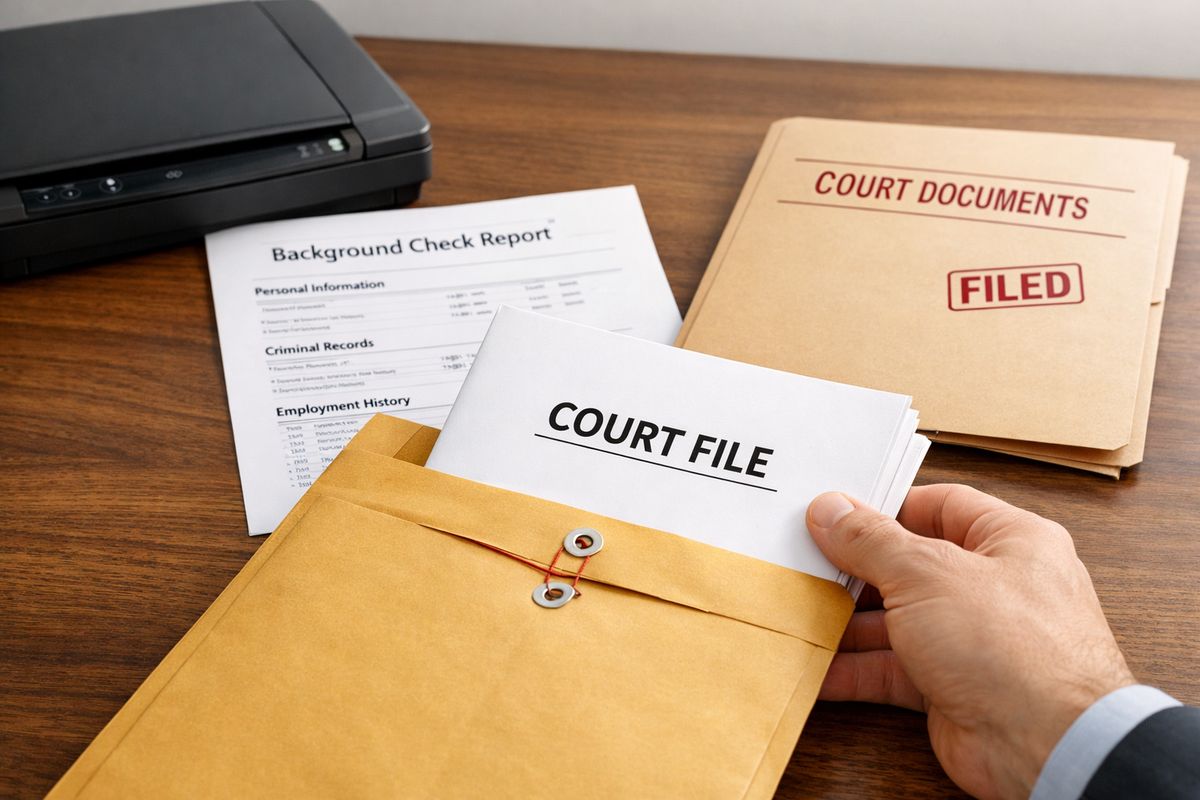
Often, yes. A dismissed charge can still appear on your criminal record or in background check results unless it is sealed or expunged under state law.
Expungement usually means the record is erased or removed from public view to the extent allowed by law. Sealing usually means the record still exists but is hidden from most public searches. Rules vary a lot by state, just like they do for old DUI records and whether they still show up.
Can the Charge Come Back?
Sometimes yes, sometimes no. It depends on whether the dismissal is with prejudice or without prejudice.
With prejudice means the charge is over and cannot be filed again. Without prejudice means the prosecution can try again later, usually if more evidence turns up or a problem gets fixed. That wording matters more than most people realize.
How You Try to Get a Charge Dismissed
You do not get a dismissal by simply asking for one. You get there by building pressure on the weak parts of the case.
Gather Anything That Helps Your Side
Save texts, receipts, photos, videos, location data, call logs, and names of witnesses. Small details can become big details later.
A gas station receipt stamped 8:17 p.m. can matter if the accusation places you somewhere else at that exact time. So can a doorbell camera clip, a rideshare record, or a screenshot that shows who said what and when.
Look Closely at How the Arrest and Search Happened
Try to pin down the sequence. Where were you stopped? What was searched? What was said first? Did police ask for consent? Did the stop actually have a legal basis?
Those details connect directly to suppression issues and rights-based dismissals. In some cases, even knowing when staying quiet protects you can shape what evidence the prosecution gets to use.
Get Legal Help Early
Timing matters. The earlier a defense lawyer reviews the case, the more room there usually is to challenge evidence, negotiate for diversion, and spot issues before the case hardens.
If cost is part of the stress, it helps to understand what criminal defense representation usually costs before you decide your next move. Early legal help is often where dismissal opportunities are found, not at the last second in court.
Common Misunderstandings About Dismissed Charges
A dismissal is good news, but it gets misunderstood constantly.
“Dismissed” Does Not Always Mean the Arrest Disappears
The court case may be over while the record of the arrest still exists. That is why background checks can still show the event unless you take an extra step to seal or expunge it.
“Dismissed” Does Not Automatically Mean Misconduct Was Proven
A case can be dismissed because the evidence is weak, a witness falls apart, a deadline was missed, or a diversion agreement was completed. None of that automatically means police misconduct was formally established.
A Reduced Charge Is Not the Same as a Dismissed Charge
A reduced charge usually means you still face a conviction, just for a lesser offense. A dismissal means that particular charge is thrown out.
That is a completely different outcome from taking a negotiated deal to plead to something less serious.
Questions to Ask Right Away If You’re Hoping for Dismissal
If you want to size up your situation fast, ask a few grounded questions. What is the exact charge? What does the prosecution actually have? Was the stop, search, or questioning lawful? Is there missing evidence, a weak witness, or a timeline problem? Is diversion on the table? If dismissal happens, will it be with prejudice or without prejudice?
Try one thing right away: write out your timeline while every detail is still fresh. The moment in the parking lot, the exact words during the stop, the receipt in your wallet, the call at 9:04 p.m. Little facts fade quickly, and little facts are often what break a case open.
Frequently Asked Questions
Does dismissed mean not guilty?
No. Not guilty means you went to trial and the prosecution failed to prove the case. Dismissed means the charge was ended without a conviction, often before trial.
Can a dismissed charge show up on a background check?
Yes. In many states, a dismissed charge can still appear unless the record is sealed or expunged.
Is a dismissed charge good?
Yes. A dismissal is usually a strong outcome because it means no conviction on that charge. But you still need to check whether the case can be refiled and whether the record can be cleared.
Can a prosecutor refile a dismissed charge?
Sometimes. If the dismissal was without prejudice, the charge may be filed again. If it was with prejudice, it cannot come back.
How long does it take to get a charge dismissed?
There is no single timeline. Some cases are rejected before filing, while others are dismissed after motions, hearings, or completion of a diversion program.
Speak With Attorney Nathan J. Dineen
Attorney Nathan J. Dineen represents clients facing DUI, OWI, and related criminal charges throughout Wisconsin. His approach combines strategic courtroom advocacy with advanced training in standardized field sobriety testing, drug-recognition evaluation, and the science behind breath, blood, and chemical testing.
Nathan has also presented DUI defense topics to other attorneys and has been recognized by legal organizations for trial advocacy, professional achievement, and work in impaired-driving defense.
A DUI or OWI charge can affect your license, career, reputation, and future. Get experienced legal guidance before making your next decision.
Schedule your confidential consultation with Attorney Nathan J. Dineen today.

About Nate Dineen
Wisconsin legal insights from the DUI Defense WI team.