
Your First Court Appearance: What Actually Happens
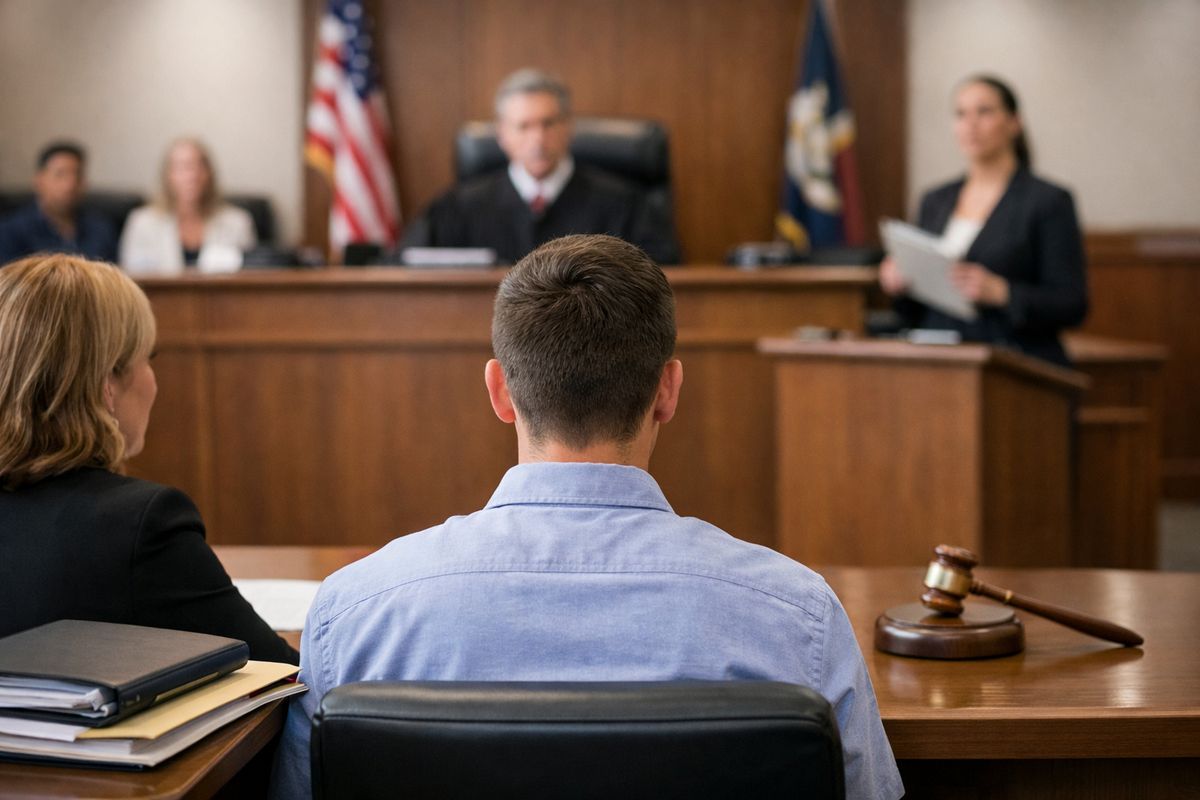
A first court appearance is your first formal stop in a case, and it usually feels far more intimidating than it actually is. If you are worried about your first court appearance, the good news is that this hearing is usually about getting oriented: what the case is, what your rights are, and what happens next.
What Your First Court Appearance Is
Your first court appearance is usually an arraignment or initial appearance. In plain English, that means the court officially tells you what you are accused of, makes sure you understand your basic rights, and sets the early ground rules for the case.
The exact name can change depending on where you are and what kind of case you have. A criminal case may call it an arraignment. A traffic case may look simpler. Another court might use a slightly different label for the same basic event. But the core idea is usually the same: this is the moment your case formally starts moving through the court system.
If you want a closer look at the nuts and bolts, it helps to read more about the step-by-step arraignment process, since that is often the hearing involved.
Why this hearing matters
This hearing matters because it sets the tone and structure for everything that follows. But here’s the thing: it is usually not the full case, not the final decision, and not the dramatic courtroom showdown people expect from TV.
In most situations, your first appearance is mainly administrative. The court gets everyone on the same page, confirms that you know the accusation, handles issues like a lawyer or release conditions, and gives you the next date. That may sound small, but it is not small. Missing a deadline, misunderstanding a condition, or speaking carelessly here can create problems fast.
What Usually Happens in the Courtroom
A courtroom feels less mysterious once you know the sequence. Most first appearances follow a fairly predictable rhythm.
Checking in and waiting for your case to be called
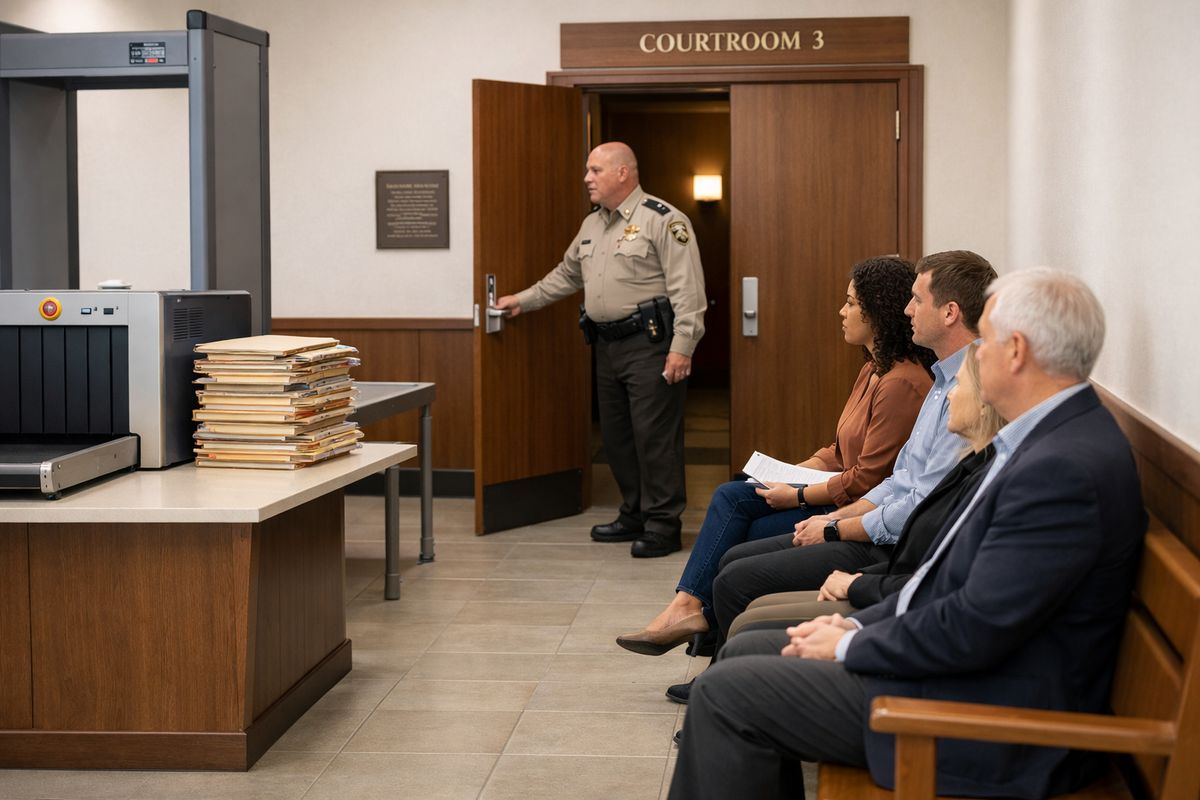
You usually arrive, go through security, find the right courtroom, and check the calendar or docket posted outside or near the door. Then you wait.
Picture standing in a hallway outside Courtroom 3 with a folder in your hand, trying to listen for your name while other cases get called before yours. That waiting is normal. Courts often move in batches, and your hearing may last only a few minutes after a much longer stretch on a bench.
Give yourself extra time for parking, security lines, and finding the room. Rushing in late and flustered is one of the easiest ways to make a stressful day worse.
The judge identifies the case and reads the charges
When your case is called, the judge usually confirms your name and identifies the case. Then the judge or court officer states the charges, meaning the formal claims that you broke a law or court rule.
This part can sound stiff because courts use formal language. If a term is unclear, that matters. You are entitled to understand what the case is about. In some cases, even the label of the offense matters a lot, especially where the difference between levels of offenses affects possible consequences, like how courts separate less serious and more serious charges.
Your rights get explained
At a first appearance, your basic rights are usually explained. That often includes your right to a lawyer, your right not to explain the facts of the case on the spot, and your right to know what you are accused of.
The right to remain silent is often misunderstood. It does not mean staying mute when the judge asks for your name. It means you do not have to start telling your side of the story in open court right then. If you want a clearer breakdown, it helps to understand what staying silent actually protects.
You may be asked to enter a plea
A plea is your formal answer to the charge. The common options are guilty, not guilty, and sometimes no contest, though availability depends on the court and the type of case.
This part sounds huge, because it is. But it is also routine. The court is asking how the case will proceed, not demanding a speech. A not guilty plea usually means the case continues and gets another date. A guilty plea can move the case toward sentencing. A no contest plea can work differently depending on local law and the kind of case.
If plea options come up and you do not understand the consequences, slow down mentally and pay attention. Later in a case, many charges are resolved through negotiated agreements with the prosecution, but that is not the same thing as blurting out an answer without understanding it.
Bail, release, or conditions may come up
In some cases, the judge also decides whether you go home, need to post bail, or must follow specific rules while the case is pending. Release conditions are court-ordered rules such as no contact with a certain person, limits on travel, or check-ins.
This can be one of the most serious parts of the hearing. If the court says no contact, for example, that is not a suggestion. Breaking a condition can lead to new trouble, and it helps to understand how violating a court order can backfire.
The next court date gets set
Before the hearing ends, the court usually sets the next date and gives instructions about what happens before then. That could mean getting a lawyer, filing paperwork, appearing for another hearing, or following release rules.
Do not treat this part like background noise. The next date, the courtroom, and any conditions attached to your release are the details that follow you out the door.
What You May Need to Say , and What You Usually Shouldn’t
For a lot of people, the hardest part is not walking into court. It is wondering when to talk.
The basic questions you may answer
You may be asked to confirm your name, address, or date of birth. You may also be asked whether you understand the charge, whether you have a lawyer, or whether you want time to get one.
Short, clear answers are usually enough. This is not the moment for a long explanation. If the answer is yes, say yes. If you do not understand something, say that plainly.
What not to do: argue the whole case right there
The first appearance is usually not the time to tell the full story, debate evidence, or prove innocence on the spot. Trying to do that is a little like trying to fix a flat tire in the grocery store checkout line: wrong place, wrong moment.
That does not mean your side does not matter. It means the first hearing usually is not built for that kind of discussion. Courts use later hearings for evidence issues, motions, negotiations, and trial-related questions.
If you do not have a lawyer yet
If you do not have a lawyer, the court may ask whether you want time to hire one or whether you want a public defender if you qualify. That issue often gets handled right at the first hearing because the court wants to know how the case will move forward.
If cost is part of the stress, it can help to understand what defense representation usually costs in real life. If you are still looking, it also helps to know what to look for when choosing defense counsel.
How to Prepare Before You Walk In
A little preparation lowers the temperature fast. You do not need a perfect plan. You need a few basics covered.
What to bring
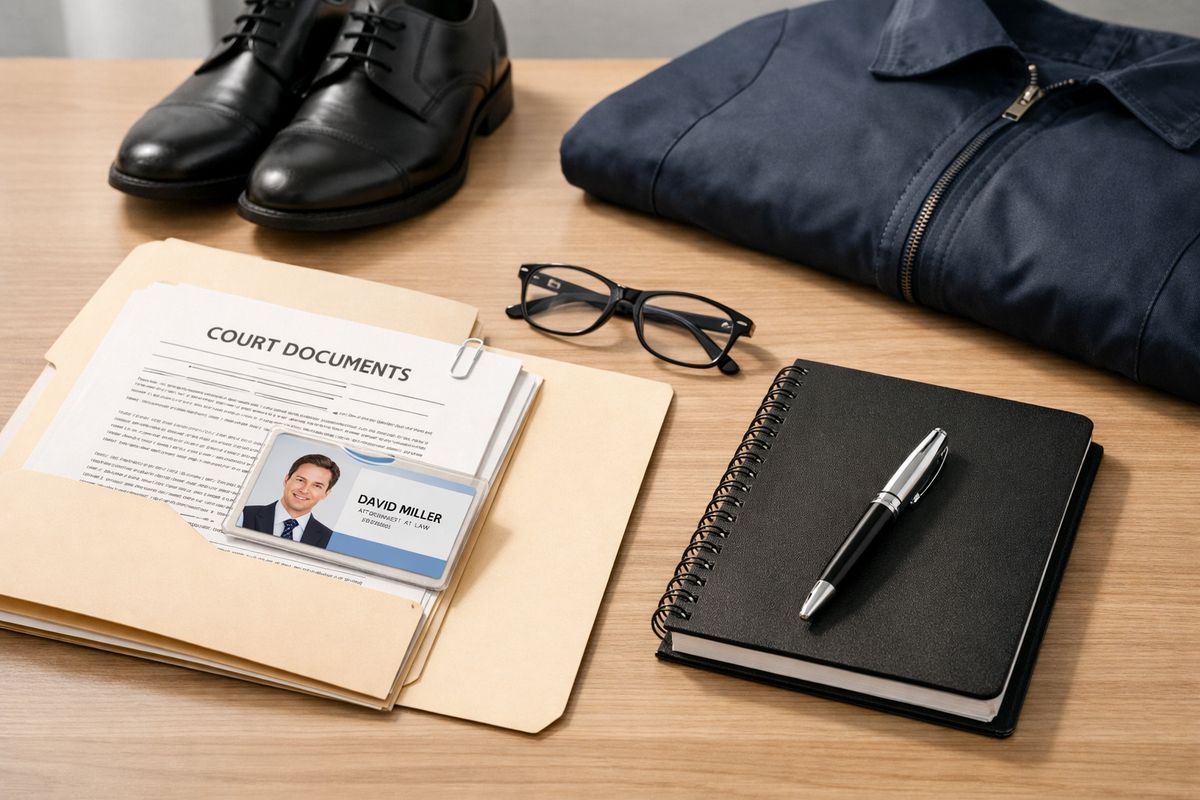
Bring your photo ID, any court papers you received, your case number if you have it, glasses if you use them, a notebook, and any lawyer contact information. Some courts restrict phones, large bags, food, or other items, so checking local rules ahead of time can save you from an annoying surprise at security.
Keep papers together in one folder. Court is not the place to dig through loose mail in your car.
What to wear and how early to arrive
Clean, neat, low-drama clothing helps you avoid standing out for the wrong reason. You do not need to dress like you are going to a wedding. You just want to look organized and respectful.
Arrive early enough to handle parking, security, and finding the room without rushing. Fifteen extra minutes in the hallway feels a lot better than sprinting through the courthouse doors.
How to act in the courtroom
Silence your phone. Stand when asked. Do not interrupt. Speak clearly. Address the judge respectfully.
That is really the whole playbook. You do not need to sound polished. You just need to be steady.
Common Questions About a First Court Appearance
Will you go to jail at the first court appearance?
Sometimes custody, release, or bail is decided at this hearing. But many first appearances end with another court date and rules to follow while the case is pending. The outcome depends on the charge, your record, local law, and whether the judge believes you will return to court and follow conditions.
Do you have to plead guilty or not guilty right away?
Often, yes, some kind of plea or response comes up early. But procedure varies by court and case type. The main point is simple: understand your options before answering.
What happens if you miss the hearing?
Missing court can create immediate problems. A judge may issue a warrant, add penalties, or treat the absence as a separate violation. If something goes wrong and you cannot appear, contacting the court or your lawyer right away is the smart move.
What happens after the first appearance?
After the first appearance, the case usually moves into pretrial stages. That can include future hearings, motions, negotiations, evidence issues, trial, or sentencing if there is a plea. In some situations, a case may also end early, so it is worth understanding when charges sometimes get thrown out.
The Biggest Misconceptions to Drop Before You Go
A lot of fear around court comes from bad mental pictures. Drop those, and the day gets easier to handle.
It is not usually a full trial
Your first appearance is usually not the big moment where witnesses testify, evidence gets unpacked, and a final verdict drops. That almost always comes later, if it comes at all.
Think of this hearing as the front desk, not the full appointment. It gets the case checked in and moving.
The judge is not expecting a perfect speech
The judge is not waiting for a dramatic statement or a polished legal argument. Clear beats impressive every time.
Short, direct, honest answers usually do more good than a long explanation that wanders into facts you did not need to give.
One smart thing to do before your date
Look up your court location, calendar, parking situation, and courthouse rules the day before. That one small step can keep a simple logistics problem from turning into a bad morning.
Frequently Asked Questions
How long does a first court appearance usually take?
The hearing itself may last only a few minutes, but your time at the courthouse can be much longer because of security, waiting, and other cases being called first.
Can you speak to the judge directly?
Yes, when the judge asks you a question. Keep your answers short and focused on what was asked. The first hearing is usually not the time for a full explanation of the facts.
What if you do not understand something said in court?
Say so clearly. You have the right to understand the charge, the hearing, and any instructions the court gives you.
Can your first court appearance be online?
Some courts allow video appearances for certain matters, while others require you to appear in person. The notice from the court usually tells you which format applies.
Should you bring evidence to the first hearing?
Usually, evidence is not the focus at this stage. Bring your court papers and anything your lawyer told you to bring, but do not expect a full evidence debate at the initial appearance.
Speak With Attorney Nathan J. Dineen
Attorney Nathan J. Dineen represents clients facing DUI, OWI, and related criminal charges throughout Wisconsin. His approach combines strategic courtroom advocacy with advanced training in standardized field sobriety testing, drug-recognition evaluation, and the science behind breath, blood, and chemical testing.
Nathan has also presented DUI defense topics to other attorneys and has been recognized by legal organizations for trial advocacy, professional achievement, and work in impaired-driving defense.
A DUI or OWI charge can affect your license, career, reputation, and future. Get experienced legal guidance before making your next decision.
Schedule your confidential consultation with Attorney Nathan J. Dineen today.

About Nate Dineen
Wisconsin legal insights from the DUI Defense WI team.