
How Much Does a Criminal Lawyer Cost? Fees Explained
If you’re asking how much does a criminal lawyer cost, you’re probably not shopping on a calm Saturday afternoon with a spreadsheet and a cup of coffee. You’re trying to make a smart decision fast, and the price quotes can feel all over the place. Here’s the good news: criminal defense fees make a lot more sense once you know what drives them, what is usually included, and where surprise costs tend to show up.
What You Can Expect to Pay for a Criminal Lawyer
Criminal lawyer fees usually start in the low thousands for simpler cases and climb quickly as the stakes go up. A straightforward misdemeanor may cost around $1,500 to $5,000. A DUI often lands somewhere around $2,000 to $10,000, depending on whether it stays simple or turns into a fight over testing, license issues, or prior history. Felony cases often begin around $5,000 and can move well past $15,000. Federal cases can go much higher.
That range sounds huge because it is. A criminal case is not like buying a couch where the price tag already tells you the whole story. The final cost depends on how serious the charge is, how much evidence needs review, whether the case resolves early, and whether anyone ends up in trial.
Typical price ranges by case type
A flat fee means you pay one set amount for a defined scope of work. An hourly fee means the lawyer tracks time and bills based on hours worked.
For many common cases, rough ranges look like this: DUI and DWI cases often run from $2,000 to $10,000. Misdemeanors such as shoplifting, trespassing, or disorderly conduct often fall between $1,500 and $5,000. Felony cases frequently start around $5,000 and can rise to $20,000 or more. Juvenile cases often sit somewhere in the lower to middle part of that range, depending on the charge and court process. Federal criminal cases often start around $10,000 and can rise dramatically from there.
If you need a quick refresher on how charges are divided, it helps to understand what separates lower-level charges from more serious ones before comparing quotes.
Why one quote can be wildly different from another
Two lawyers can quote very different prices for the same charge because the charge name only tells part of the story. One shoplifting case may involve a single store report and a clean record. Another may include surveillance footage, prior convictions, a possible felony threshold, and a high-risk plea decision.
Experience matters too. So does location. A lawyer in a busy metro court may charge much more than one in a smaller county, even for the same offense on paper. And honestly, some lawyers price for volume while others price for time and strategy.
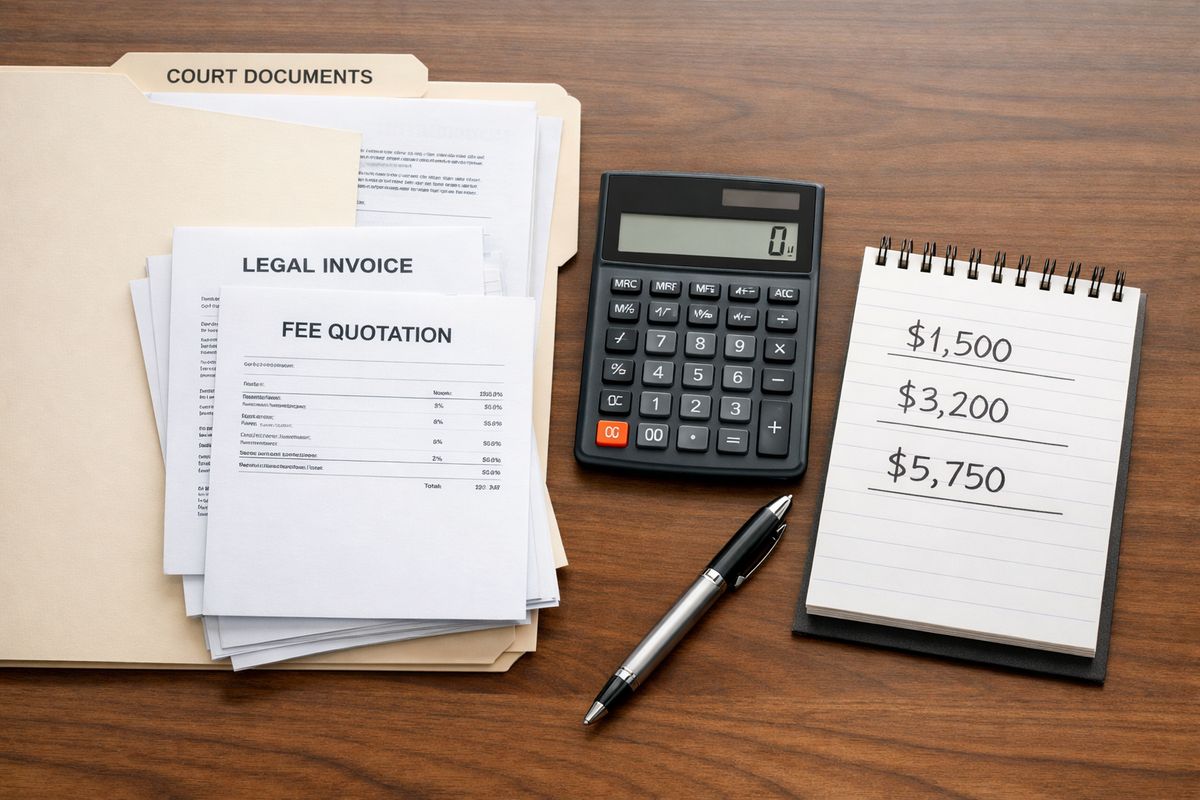
How Criminal Defense Lawyers Charge Fees
Before you react to a quote, you need to know what kind of quote it is. A $3,500 flat fee and a $3,500 retainer are not the same thing at all, even if they sound similar during a quick phone call.
Flat fees
Flat fees are common for routine matters with a fairly predictable path, such as first-time misdemeanors, some DUI cases, or early court appearances. You pay a set amount for specific work, usually things like meetings, review of reports, negotiations, and standard hearings.
The catch is scope. Trial, appeals, expert witnesses, suppression motions, and added hearings may not be included. If your case changes midway, the original fee may change too. That’s why you want the agreement to spell out exactly what “representation” means, right down to whether it covers your first appearance in court or only pretrial work.
Hourly rates
Hourly billing means you pay for the actual time spent on your case. Rates vary by market and experience, but criminal defense hourly rates often fall somewhere around $200 to $600 per hour, sometimes higher in major cities or for high-profile defense work.
A lower hourly rate does not always mean a lower final bill. A lawyer charging less per hour may need more hours to handle the same case. A more experienced lawyer may charge more but move faster, spot weak points earlier, and avoid wasted effort. That’s the trick with hourly quotes: the rate matters, but the total likely hours matter more.
Retainers and payment plans
A retainer is upfront money paid before work starts. The lawyer then draws from that amount over time as work is done. If the retainer runs low, you may need to refill it. In some cases, part of the retainer is refundable if unused. In others, part may be earned on receipt and not refunded.
Some firms offer payment plans, which can make a hard situation more manageable. Before agreeing, check the down payment, monthly amount, late fees, and what happens if a payment is missed. Also check whether the lawyer can stop work or withdraw if the balance falls behind.
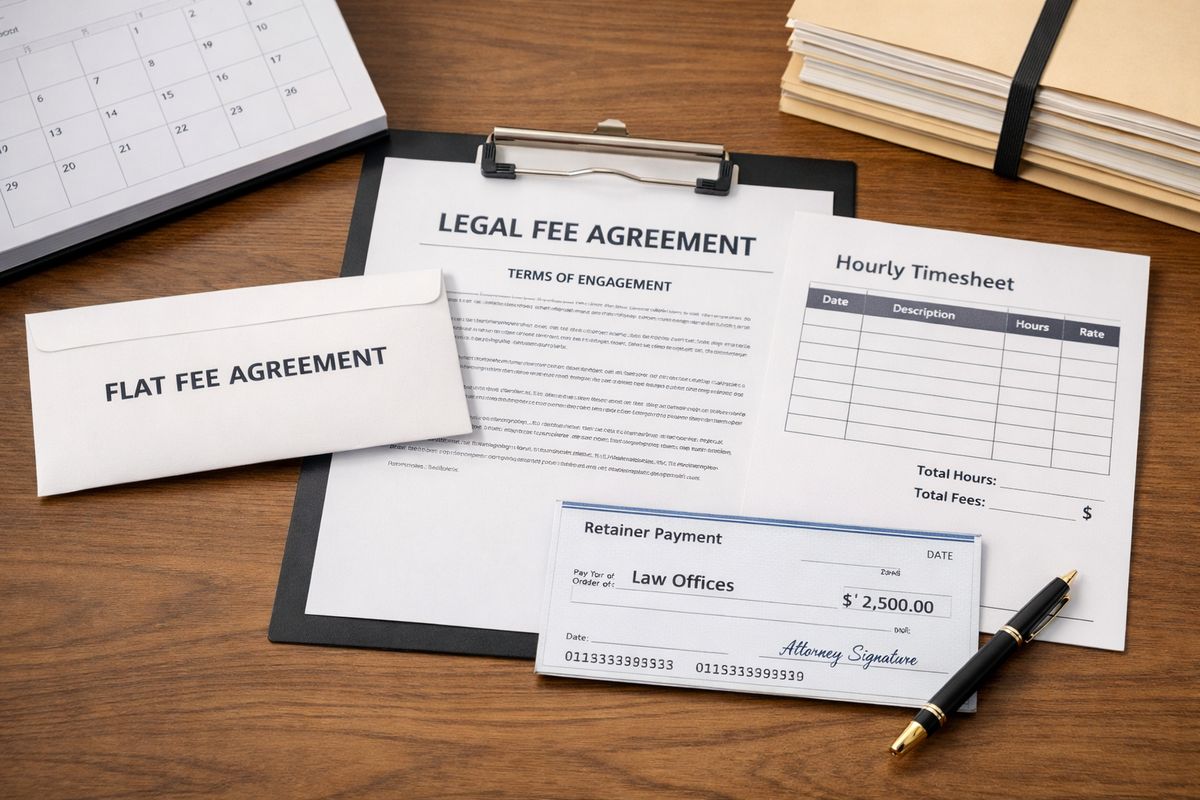
The Biggest Factors That Change the Cost
If one part of this guide matters most, it’s this one. The price changes less because of the label on the charge and more because of the work hiding behind it.
Charge severity and case complexity
A simple first-time misdemeanor usually costs less because there is less at risk and often less case work. A felony with multiple charges, prior convictions, lots of digital evidence, or forensic issues takes much more time. That means more review, more strategy, and usually more hearings.
Even something that starts small can get expensive if facts become messy. A theft case can shift fast if the value crosses a felony threshold, which is why it helps to understand when a retail theft charge becomes more serious before assuming the cheapest quote makes sense.
Whether your case settles or goes to trial
Trial costs much more. That’s not sales talk. It’s just the reality of how much work a trial takes.
A trial means witness prep, motions, exhibit review, jury work in many cases, cross-examination planning, and a lot more court time. A case that resolves through negotiation may cost a fraction of what a fully contested trial costs. If your fee quote sounds low, ask right away whether trial is included or whether trial starts a second, much bigger bill.
Lawyer experience and reputation
More experienced criminal defense lawyers often charge more, and there is a reason. You’re not only paying for hours. You’re paying for judgment, pattern recognition, negotiation skill, and courtroom confidence.
Sometimes an experienced lawyer spots a dismissal issue early, pushes back on a weak test result, or frames a plea in a way that protects your record better. If you’re comparing attorneys, this is where looking at what actually makes a defense lawyer worth hiring helps more than staring at the cheapest number.
Location and local court practices
Fees are often higher in large cities and busy counties. Courts move differently from place to place, and that affects time. Some jurisdictions have more hearings, more crowded dockets, or local practices that create extra work.
A Tuesday morning courthouse in Milwaukee may run very differently from a smaller county court an hour away. Same type of case, different amount of effort. Local knowledge can matter because a lawyer who regularly appears in that courtroom may know how that court handles scheduling, plea discussions, and motion practice.
What Is Usually Included in the Fee , and What Costs Extra
A lot of stress comes from the sentence, “That part isn’t included.” You want to find that out before hiring anyone, not after your case gets complicated.
Services commonly included
Many criminal defense fees include initial meetings, review of police reports, basic legal advice, routine communication, plea negotiations, ordinary court appearances, and general case strategy. In a simpler case, that may cover most of what happens.
If your case involves discussions about resolution, it helps to understand how negotiated outcomes usually work so you can tell whether the lawyer is pricing for a likely plea path or for a more aggressive fight.
Common extra costs
Extra costs often include investigators, expert witnesses, independent lab review, filing fees in some matters, transcripts, travel time, trial prep, trial days, appeals, probation violation hearings, and administrative hearings tied to a license suspension.
DUI cases are a classic example. The criminal case may be one part, but license consequences can be another. If you’re facing that, look into what it takes to restore driving privileges after a suspension because those steps may create added legal work and added cost.
Questions to ask before you sign
Before signing, ask direct questions and get direct answers. Is trial included? What happens if charges change? Who will appear in court for you, the lead lawyer or another attorney? Are calls and emails billed separately? Are motions extra? Is there a separate fee for appeals or probation issues? What part of the retainer, if any, is refundable?
This is one of those moments where being blunt saves money.
Cost by Common Criminal Case Type
People usually do not search for “criminal case pricing theory.” You search for the kind of case sitting in front of you right now. Fair enough.
DUI and DWI cases
DUI and DWI cases often cost between $2,000 and $10,000 or more. Cases on the lower end usually involve first offenses that resolve without trial. The price rises with prior offenses, accidents, refusal allegations, contested breath or blood testing, and separate license-related proceedings.
Costs outside legal fees may include classes, ignition interlock expenses, towing, reinstatement fees, and testing issues. If you’re still sorting out the process, understanding what unfolds after an impaired driving arrest can make the quote easier to decode.
Misdemeanor charges
Misdemeanor cases often run from about $1,500 to $5,000. Common examples include disorderly conduct, simple assault, trespassing, low-level drug possession, and shoplifting, depending on state law.
Some misdemeanor cases stay simple. Others do not. A domestic-related misdemeanor, for example, may carry no-contact issues, firearm consequences, or employment fallout that make careful defense more valuable than the charge label suggests. In some situations, reading about when paying for defense on a lower-level charge makes sense can help you weigh cost against risk.
Felony charges
Felony charges usually cost much more because the stakes are higher and the work is heavier. Fees often start around $5,000 and can rise beyond $20,000, especially with repeat allegations, multiple counts, expert evidence, or serious trial risk.
Discovery review drives a lot of the cost. Discovery is just the case material, police reports, video, statements, lab results, phone records, and more. When the possible outcome includes prison time or major long-term fallout, it also helps to understand how a conviction can affect your future record, because value is not only about the immediate court date.
Federal criminal cases
Federal criminal defense usually costs more. The process is tougher, the rules are demanding, and the case prep is often much more intensive. Federal investigators also tend to build cases carefully before charges are filed, which means the defense work starts from a more serious position.
It is common for federal fees to begin around $10,000 and rise sharply from there, especially if motions, sentencing advocacy, or trial are involved.
How to Tell if a Criminal Lawyer’s Fee Is Worth It
Price matters. Of course it does. But a criminal case is one of the worst places to assume lower cost automatically means better value.
What a lower fee can sometimes mean
Sometimes a low quote reflects efficiency. Sometimes it reflects limited scope, less experience, or less time for your case. It can also mean you meet with one person and get handed off to someone else for court appearances.
A bargain fee is not always a bad sign, but it should make you ask better questions. Cheap can be fine for a simple matter. Cheap can also get expensive if the case grows and every added step costs extra.
What you’re really paying for
You’re paying for legal judgment, strategy, communication, negotiation skill, and courtroom experience. You’re also paying for speed in the right places. A lawyer who quickly spots a weak traffic stop issue or a flawed witness statement may save far more than the difference in fees.
Think of it like a mechanic. Paying less for someone who guesses wrong twice is not cheaper than paying more for someone who fixes the problem the first time.
How to compare quotes fairly
Compare quotes side by side. Write down the billing structure, what is included, whether motions are extra, whether trial is included, who handles court appearances, and the likely total cost if the case gets harder.
Also compare responsiveness. If one lawyer explains your options clearly and another rushes through the call, that matters. You are not buying a line item. You are hiring someone to handle pressure well when your case stops being predictable.
Ways to Make Criminal Defense Costs More Manageable
Money stress is real in criminal cases, especially when there are already fines, bail, missed work, or license problems stacked on top.
Public defender vs private criminal lawyer
A public defender is a court-appointed lawyer available if you qualify financially. That option can be a lifeline if private counsel is out of reach. A private criminal lawyer usually costs more because you are paying directly for dedicated representation outside the public system.
That does not mean public defense is bad or private defense is always better. It means the experience can be different in workload, access, and time available. If paying privately is possible, compare that cost against the seriousness of what is on the line.
Payment plans, limited-scope help, and early action
Payment plans can help spread out the cost. In some cases, you can also ask whether part of the work can be handled for a flat fee, especially early hearings or limited tasks. Not every lawyer offers this, but asking is worth it.
Early action can also save money. If legal issues get addressed before missed hearings, added charges, or probation problems pile up, the case is often easier and cheaper to manage. Waiting tends to make criminal cases more expensive, not less.
When free consultations help
A free consultation can help you understand likely pricing, possible strategy, and whether the lawyer’s style fits your situation. It is also the easiest time to ask blunt money questions without pressure.
Use that conversation to test clarity. If the fee explanation feels slippery now, it will not get clearer later.
Mistakes to Avoid When Hiring a Criminal Lawyer
Stress makes people rush. That is normal. But a few common mistakes cause a lot of avoidable cost and regret.
Choosing based on price alone
The cheapest option is not automatically the best one when your record, license, job, or freedom may be affected. A higher fee does not guarantee better work either, but the point is simple: price should be part of the decision, not the whole decision.
Not getting the fee agreement in writing
Get the fee agreement in writing. You want a document showing what is included, what is excluded, what is due upfront, when more money may be required, and what happens if the case changes.
If a lawyer will not put that in writing, move on.
Waiting too long to ask cost questions
Ask about total expected cost, possible extra fees, and next steps early. Do not wait until after arraignment or after a stack of motions appears on the docket. Cost questions are not awkward. They are part of hiring well.
Frequently Asked Questions
What is the average cost of a criminal lawyer for a misdemeanor?
Many misdemeanor cases fall between $1,500 and $5,000. The final number depends on the charge, your record, the local court, and whether the case resolves early or becomes more contested.
Do criminal lawyers charge more if your case goes to trial?
Yes. Trial usually costs much more because it requires more preparation, more court time, witness work, motion practice, and trial strategy. Always ask whether trial is included in the original fee.
Is a retainer the same as a flat fee?
No. A flat fee is one set price for a defined scope of work. A retainer is upfront money that the lawyer draws from over time, often under an hourly billing setup.
Can you make payments to a criminal lawyer?
Sometimes. Many firms offer payment plans, especially for cases expected to last more than a few weeks. Check the down payment, monthly terms, late fees, and whether missed payments affect representation.
What extra costs should you expect besides attorney fees?
Common extras include investigators, expert witnesses, transcripts, travel, independent testing, appeals, probation hearings, and license-related proceedings in DUI cases. Ask for a list of likely add-on costs before signing.
Is the cheapest criminal lawyer a smart choice?
Not necessarily. A low quote can mean limited services, less experience, or extra charges later. The better test is value: what is included, who handles the case, how clearly the lawyer explains things, and what risks your case actually carries.
Speak With Attorney Nathan J. Dineen
Attorney Nathan J. Dineen represents clients facing DUI, OWI, and related criminal charges throughout Wisconsin. His approach combines strategic courtroom advocacy with advanced training in standardized field sobriety testing, drug-recognition evaluation, and the science behind breath, blood, and chemical testing.
Nathan has also presented DUI defense topics to other attorneys and has been recognized by legal organizations for trial advocacy, professional achievement, and work in impaired-driving defense.
A DUI or OWI charge can affect your license, career, reputation, and future. Get experienced legal guidance before making your next decision.
Schedule your confidential consultation with Attorney Nathan J. Dineen today.

About Nate Dineen
Wisconsin legal insights from the DUI Defense WI team.