Misdemeanor Lawyer: When Hiring One Makes Sense

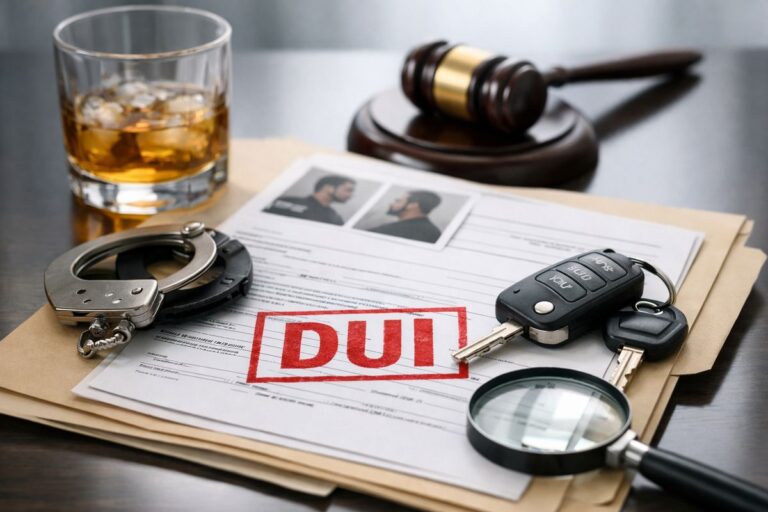
Getting charged with a misdemeanor can feel deceptively small at first. The word sounds minor, but a misdemeanor lawyer often makes the difference between a quick fix and a record that keeps following you long after one rough night, one traffic stop, or one bad argument.
What a Misdemeanor Lawyer Actually Does
A misdemeanor lawyer handles lower-level criminal charges, the kinds of cases that are more serious than a ticket but less serious than a felony. That usually includes charges like petty theft, DUI, reckless driving, simple assault, trespassing, disorderly conduct, harassment, and first-time drug possession.
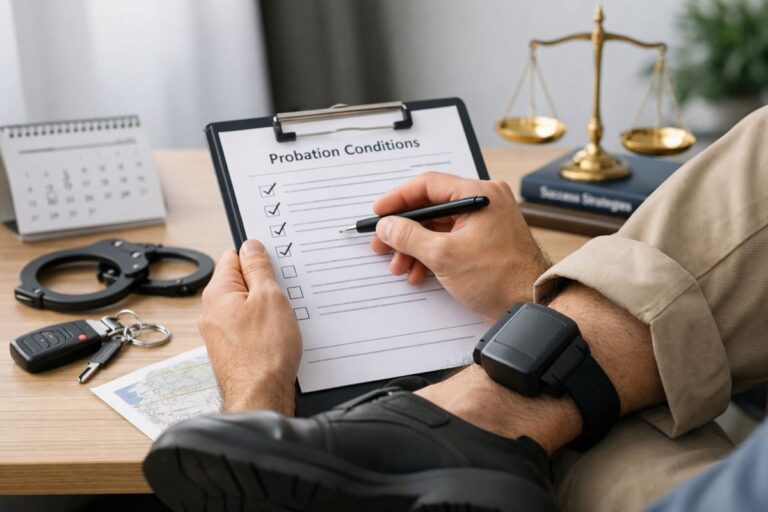
In plain English, a misdemeanor is a criminal charge that can still bring real consequences, just usually on a smaller scale than a felony. You may be looking at fines, probation, classes, community service, a suspended license, or even jail time in some cases. If you want a clearer sense of where the line sits, it helps to understand how lower-level charges differ from more serious ones.
A misdemeanor lawyer is there to protect three things: your record, your money, and your time. That can mean reviewing the police report for holes, challenging a traffic stop, pushing back on weak witness statements, negotiating for a dismissal or reduced charge, and keeping you from walking into court blind. It is not just about arguing in front of a judge. A lot of the value shows up before that point.
The Fast Test: When Hiring a Misdemeanor Lawyer Makes Sense
Here’s the thing: if the charge can lead to jail, a criminal record, a license problem, an immigration issue, or a work problem, hiring a lawyer makes sense.
That covers more cases than most people expect. A first DUI can affect your license and insurance for years. A shoplifting charge can pop up on background checks. A domestic-related misdemeanor can affect protective orders, housing, and custody issues. Even a disorderly conduct case can become expensive and time-consuming if you mishandle it.
You should take legal help especially seriously if your job depends on driving, carrying a professional license, passing a background check, or keeping a security clearance. The same goes if you are not a U.S. citizen. A charge that looks small in county court can create much bigger trouble somewhere else.
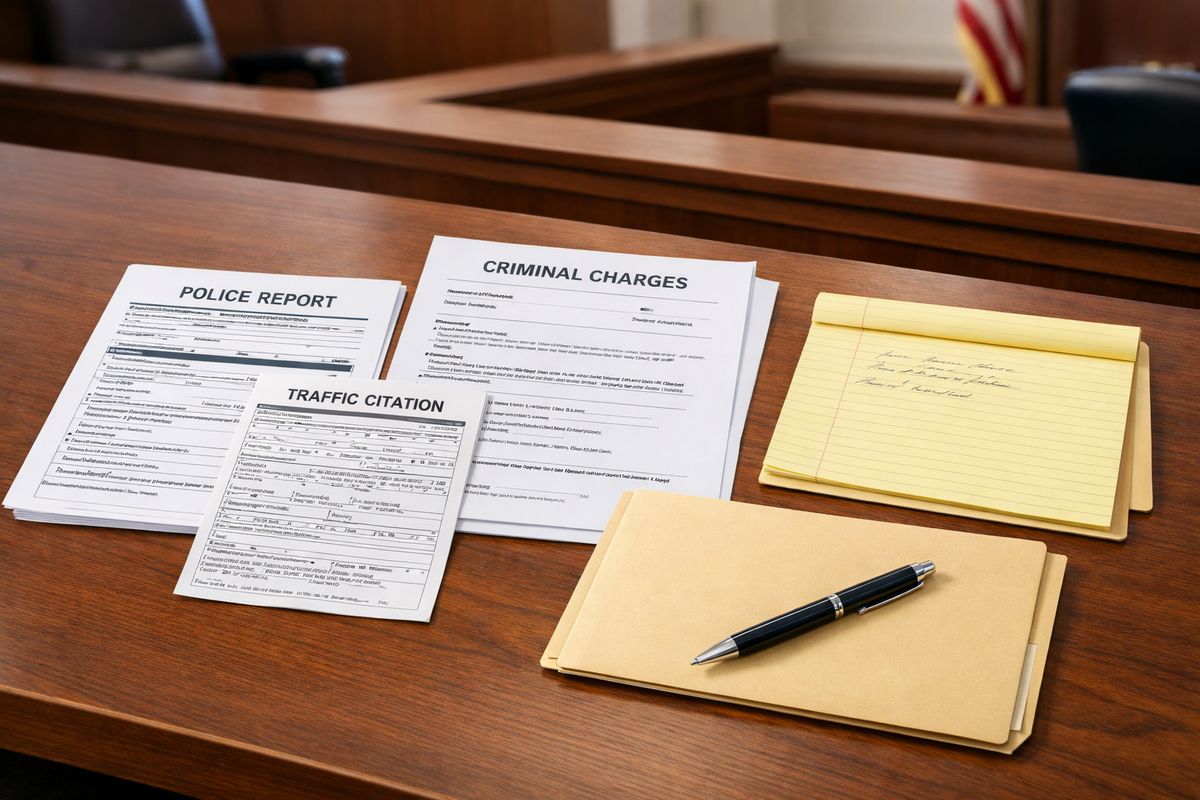
And if you are still at the stage of citation papers, booking paperwork, or a first hearing date, do not wait. Knowing what actually happens at arraignment can make the timeline feel less foggy, but a lawyer gives that timeline strategy.
What Can Happen If You Handle a Misdemeanor Case Alone
Some misdemeanor cases look simple right up until the consequences land. That is the trap.
If you handle the case alone, you can miss filing deadlines, show up unprepared, say too much in court, agree to probation terms you do not fully understand, or take a plea deal that sounds convenient but creates long-term damage. It is a lot like missing one form at the DMV, then finding out the fix now costs three times as much and another half day off work.
A plea deal is not automatically bad, but it needs context. You need to know what you are giving up, what goes on your record, and whether a better outcome was possible. If you want a cleaner explanation of how negotiated resolutions work, this breakdown of plea deals helps.
Another problem is that people often talk themselves into the evidence being unbeatable. Sometimes it is. Sometimes it really is not. A shaky identification, an unlawful stop, missing body camera footage, or sloppy testing procedure can change the whole case. Without legal help, those issues often go unnoticed.

How a Misdemeanor Lawyer Can Change the Outcome
A good misdemeanor lawyer improves your position in practical ways, not magical ones.
The first job is to spot weakness. Maybe the officer lacked a valid reason to stop you. Maybe the witness statements conflict. Maybe the alleged loss in a theft case can be repaid, opening the door to diversion or reduction. Maybe the prosecutor has proof of bad behavior, but not proof strong enough for the exact charge filed.
The second job is negotiation. That can mean reduced charges, lower fines, fewer classes, shorter probation, less community service, or entry into diversion. Diversion is a program that lets you complete certain requirements, such as classes, treatment, or staying out of trouble, in exchange for avoiding a conviction or getting the case dismissed later.
The third job is record protection. In many misdemeanor cases, the best result is not just avoiding jail. It is keeping the charge from sticking in a way that keeps showing up every time an employer runs your name. Sometimes a lawyer can also advise you on when a charge can be thrown out entirely.
Common Misdemeanor Charges Where a Lawyer Often Helps Most
Not every misdemeanor carries the same risk. Some are mostly about money. Some are really about your record. Some can snowball fast because of licensing, immigration, or family issues. The charges below are where legal help often matters most.
DUI and Reckless Driving Charges
Traffic-related misdemeanors hit harder than many people expect. A DUI or reckless driving charge can mean license suspension, expensive insurance increases, ignition interlock requirements, alcohol classes, and trouble at work if driving is part of your job.
These cases also tend to involve technical details that are easy to miss on your own. Breath tests, blood draws, field sobriety exercises, video footage, timing issues, and the reason for the initial stop all matter. If your case involves impaired driving, it helps to understand what follows a DUI arrest from the first stop to court, because early mistakes can limit your options.
Theft, Shoplifting, and Property Damage
A low-dollar theft accusation can still do real damage. Employers tend to react strongly to any charge involving dishonesty, even if the item at issue was a $40 phone charger or cosmetics from a drugstore aisle.
A lawyer can sometimes negotiate repayment, reduced charges, or diversion that keeps the case off your record. Property damage cases can also turn on value disputes, intent, and whether restitution resolves the main concern. The catch is that quick guilty pleas often feel cheap now and expensive later.
Assault, Domestic Disputes, and Harassment
These cases get messy fast because emotions run high, statements change, and courts often impose no-contact rules early. A single argument in a parking lot or apartment hallway can turn into assault, harassment, or disorderly conduct charges before you fully understand what was written in the report.
Early legal help matters here because one wrong move can create a second problem. For example, violating a court order, even by trying to smooth things over, can make things worse. If your case involves family or partner allegations, it helps to read what no-contact orders can actually trigger and how domestic-related criminal cases are usually framed in court.
Drug Possession and Public Intoxication
First-time drug possession and public intoxication cases sometimes qualify for treatment-focused results instead of straight punishment. That may include education classes, substance abuse treatment, testing, or diversion.
This is where a lawyer often helps by pushing for an off-ramp instead of a conviction. If you complete the program, the case may be dismissed or resolved in a way that does less damage to your record. If you go in alone, you may never hear about that option, or you may hear about it too late.
What the Hiring Process Looks Like
The process usually starts with a consultation, often right after you get a citation, release paperwork, or notice of a court date. You explain what happened, share any documents, and talk through deadlines.
After that, the lawyer reviews the police report, charging papers, and court schedule. In some cases, extra evidence gets requested, such as body cam video, store surveillance, breath test records, or 911 calls. Then comes strategy: fight the stop, negotiate early, seek diversion, or prepare for trial.
You should act quickly. Waiting until the night before court is like trying to fix a leak after the ceiling stains show up. Some defenses depend on fast evidence requests, and some diversion options are easier to get before the case hardens into a routine plea.
What to Look For in a Good Misdemeanor Lawyer
Local court experience matters more than flashy marketing. You want someone who regularly handles cases in the courthouse where your matter is pending, knows how that prosecutor’s office tends to negotiate, and understands what certain judges care about.
Communication style matters just as much. If a lawyer talks in circles, hides behind jargon, or rushes you through your questions, that is a bad sign. You need plain-English answers about risk, timeline, cost, and realistic outcomes.
Trial readiness matters too, even if your case will probably settle. Prosecutors can tell when a defense lawyer is prepared to challenge evidence and actually try the case. That changes leverage. If you want a broader sense of the traits that separate a solid advocate from a weak one, this guide to choosing criminal defense counsel is worth your time.
Questions to Ask Before You Hire
The best questions are the ones that reveal how your case will actually be handled.
Ask who will handle your case day to day. In some offices, the person you meet is not the person showing up in court. Ask how often you will get updates and whether phone calls or emails are returned promptly. Ask what outcomes seem realistic, not ideal. Ask whether similar cases were resolved through dismissal, plea deal, or trial.
Also ask how the fee works and what it includes. A cheap quote that covers only one appearance is not really cheap. You are hiring strategy, paperwork, negotiation, evidence review, and someone to keep a small case from turning into a bigger mess.
How Much a Misdemeanor Lawyer Costs
Most misdemeanor lawyers charge either a flat fee or hourly billing. Flat fees are common for standard cases like first-time DUI, shoplifting, simple possession, or disorderly conduct. Hourly billing shows up more often if the case is unpredictable, motion-heavy, or heading toward trial.
Price usually goes up based on the seriousness of the charge, the amount of evidence, the number of court dates, expert witnesses, and whether trial prep is likely. You are not paying only for courtroom time. You are paying for calls, filings, negotiations, evidence review, legal research, and damage control.
If you want a better sense of the numbers and why quotes vary so much, this cost guide for criminal defense cases lays it out clearly.
Pros and Cons of Hiring a Misdemeanor Lawyer
The biggest upside is better case strategy. You are far less likely to miss defenses, accept a bad deal, or accidentally make your situation worse. You also get less stress, because you know what deadlines matter and what the realistic outcomes look like.
Another upside is efficiency. A lawyer can often save you time in court, reduce unnecessary appearances, and keep paperwork from becoming its own side problem. In some cases, legal help also improves the final result enough to pay for itself through lower fines, fewer penalties, or a cleaner record.
The downside is obvious: legal fees. Not every case ends in dismissal, and not every lawyer can perform miracles. If the evidence is strong, the outcome may still involve fines, classes, or probation. The value is often in reducing damage, not making the case disappear.
When You May Not Need a Misdemeanor Lawyer
There are a few narrow situations where hiring a lawyer may not make sense. A very minor citation with no criminal record risk, or a case already set for dismissal after proof of compliance, may be manageable without full representation.
But the line needs to be clear. If there is any chance of jail, probation, a conviction, a license hit, or a background check problem, guessing is too risky. The moment you are not sure whether the charge is truly minor, it stops being minor enough to shrug off.
Best Fit: Who Should Hire One Right Away
Some people benefit from hiring quickly more than others.
If this is your first charge, you probably do not know the local process, and that alone can cost you. If you have prior charges, a new misdemeanor can be treated more seriously than you expect. If you hold a professional license, work in health care, education, finance, government, or transportation, or rely on a clean background check, speed matters.
The same goes for students, non-citizens, and anyone dealing with a domestic-related accusation. In those situations, the legal case is only one part of the problem. The earlier you get advice, the more choices you usually keep.
Final Verdict: Is Hiring a Misdemeanor Lawyer Worth It?
Yes, in most real misdemeanor cases, hiring a misdemeanor lawyer is worth it. If the charge can affect your freedom, your license, your job, your immigration status, or your record, legal help is not a luxury. It is the smart move.
Try one thing before your first court date: call a local defense lawyer and get a straight answer about your actual risk. Even one early conversation can change the path of the case.
Frequently Asked Questions
Can a misdemeanor lawyer get your case dismissed?
Sometimes, yes. Dismissal can happen if the evidence is weak, the stop was improper, witnesses are unreliable, or you qualify for diversion. But dismissal is never automatic, and a better result may also mean reduced charges or a deal that keeps a conviction off your record.
Is it worth hiring a lawyer for a first-time misdemeanor?
Usually, yes. First-time cases often have more room for diversion, reduced charges, or informal resolution, but only if you ask the right way and at the right time. A first offense is often when protecting your record matters most.
Do you have to go to jail for a misdemeanor?
Not always. Many misdemeanor cases end with fines, probation, classes, community service, or diversion instead of jail. But jail is still possible in some cases, which is why treating the charge like “no big deal” can backfire.
How fast should you hire a misdemeanor lawyer?
As soon as you get charging papers, a citation, or notice of a court date. Early action helps preserve evidence, avoid missed deadlines, and improve the odds of getting into diversion or negotiating from a stronger position.
What if you cannot afford a private misdemeanor lawyer?
If you face possible jail time and qualify financially, you may be able to ask for a public defender. If you plan to hire private counsel, compare what is included in the fee, because a low quote may leave out major parts of the work.
Speak With Attorney Nathan J. Dineen
Attorney Nathan J. Dineen represents clients facing DUI, OWI, and related criminal charges throughout Wisconsin. His approach combines strategic courtroom advocacy with advanced training in standardized field sobriety testing, drug-recognition evaluation, and the science behind breath, blood, and chemical testing.
Nathan has also presented DUI defense topics to other attorneys and has been recognized by legal organizations for trial advocacy, professional achievement, and work in impaired-driving defense.
A DUI or OWI charge can affect your license, career, reputation, and future. Get experienced legal guidance before making your next decision.
Schedule your confidential consultation with Attorney Nathan J. Dineen today.

About Nate Dineen
Wisconsin legal insights from the DUI Defense WI team.