
DUI vs. DWI: What’s the Legal Difference?
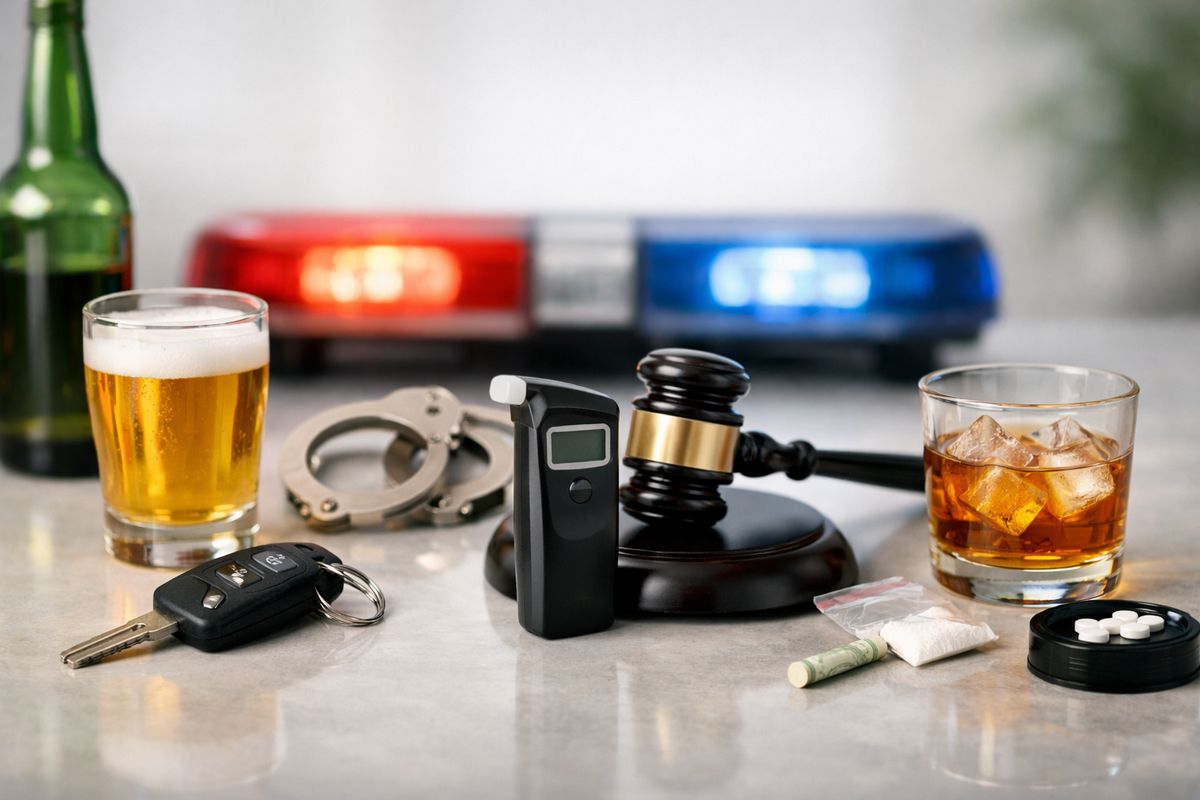
Sorting out DUI vs DWI usually happens at a bad moment, and I know how that feels. Legal terms start sounding interchangeable fast, but the difference matters, and the short version is this: DUI vs DWI depends mostly on state law, not on one nationwide rule.
Quick Overview of DUI vs. DWI
For most people, DUI is the broader term and DWI is sometimes the harsher one, but that is not universal. I’ve seen this trip people up because everyday conversation treats them like synonyms, while actual statutes often do not.
If I had to give the clearest early verdict, it would be this: neither term is automatically worse everywhere. In states that separate them, DWI often points to a more serious alcohol-related offense. In many other states, only one term exists, which makes the comparison less dramatic than it sounds.

What DUI and DWI Stand For
DUI usually means driving under the influence. DWI can mean driving while intoxicated or driving while impaired. That sounds simple enough, but this is the part nobody warns about: those definitions shift from state to state.
Sometimes DUI is used as an umbrella term for alcohol, illegal drugs, cannabis, and prescription medication. Sometimes DWI is the main charge for alcohol impairment, while DUI covers a related but distinct offense. The labels overlap, but they are not always interchangeable in court.
The Main Legal Difference Between DUI and DWI
The main legal difference is how a state defines impairment. In some states, DWI is reserved for more severe intoxication, often tied to a higher blood alcohol concentration or stronger evidence of impairment. In others, DUI is the broader charge, and DWI may not exist at all.
That is why comparing charges across states gets messy fast. A DUI in one state is not automatically lighter or heavier than a DWI in another. The name alone does not tell the whole story. The statute does.
How State Laws Change the Meaning of DUI vs. DWI
I always come back to one point here: state law controls the meaning. There is no single federal rule that makes DUI and DWI the same everywhere.
Some states use only DUI in their laws. Some use only DWI. Some use both and draw a line between them. If an arrest leads into court, even the early process can feel overwhelming, especially when the terminology starts shaping charges and penalties. That confusion often makes more sense after reading about what the first court process usually looks like.
States That Use Only One Term
Many states keep things simpler by using just one label in their criminal code. In those places, the public may still say DUI or DWI casually, but only one term has legal force.
That means a person could hear “DUI” on television, then see “DWI” in local law, or the reverse. It does not mean one side is wrong. It means state terminology is doing most of the work.
States That Use Both DUI and DWI
In states that use both terms, the difference is usually deliberate. One charge may apply to a lower level of impairment, a specific BAC threshold, underage drinking and driving, or a different kind of substance-related impairment.
This is where people often ask which word is “worse.” In these states, DWI is often treated as the more serious label, but even then I would not rely on the acronym alone. The exact language in the statute matters more than common speech.
DUI vs. DWI by Level of Impairment
Where both charges exist, the split often comes down to degree. A lower-level impairment offense may be charged under one label, while a stronger showing of intoxication supports the other.
A state might define one offense around being affected “to the slightest degree” and another around a clearer loss of normal driving ability or a higher BAC. That difference can change plea options, license consequences, and sentencing exposure. It can also affect whether the offense stays a misdemeanor or starts edging into the line between lower-level and more serious crimes.
DUI vs. DWI for Alcohol, Drugs, and Prescription Medication
A lot of people still assume these charges only apply to alcohol. They do not. Either term may cover illegal drugs, cannabis, inhalants, and legally prescribed medication if driving ability was impaired.
I’ve had conversations with people who were shocked that a valid prescription did not end the issue. But legality of the substance and safety behind the wheel are separate questions. If impairment is there, many states can still charge DUI or DWI.
DUI vs. DWI Penalties
Penalties usually depend more on the facts than the acronym. Fines, jail time, probation, alcohol education, treatment programs, community service, ignition interlock requirements, and license suspension are all common possibilities.
The stakes rise when BAC is high, there is an accident, or there are prior convictions. Sometimes people focus on the name of the charge because it feels easier to grasp than the consequences. I get that. But the real risk usually sits in sentencing rules, not the initials.
First-Offense Penalties
A first offense is often charged as a misdemeanor, though that does not make it minor. Common penalties include fines, short jail exposure, probation, mandatory classes, and a temporary loss of driving privileges.
Legal costs can add up quickly too. Anyone trying to make sense of that side of things usually gets more clarity from a breakdown of common defense fee structures than from the statute itself.
Repeat Offenses and Aggravating Factors
Repeat offenses change everything. So do aggravating facts like a very high BAC, injury, death, reckless driving, or a child passenger.
In many states, those factors trigger longer suspensions, mandatory jail, harsher interlock rules, and sometimes felony charges. Sentencing can become much more severe, especially where prior convictions stack. That broader picture is easier to understand alongside how judges weigh punishment in more serious cases.
DUI vs. DWI and Driver’s License Consequences
For a lot of people, losing the ability to drive is the most immediate disruption. Work, childcare, school, medical appointments, all of it gets harder overnight.
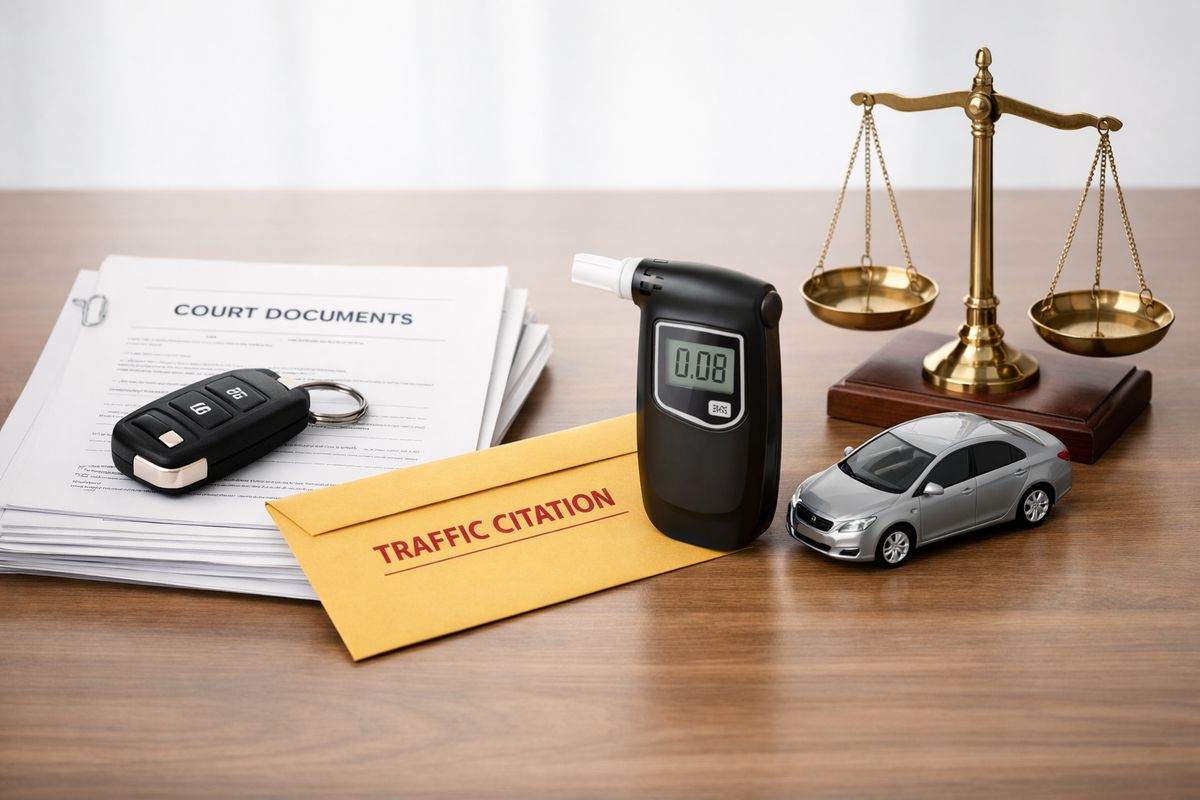
Both DUI and DWI can lead to license suspension or revocation, and that can happen through both the criminal case and an administrative process with the motor vehicle agency. Some states allow restricted licenses or work permits. Others require ignition interlock devices before full driving privileges return. The practical side of that process becomes clearer when looking into what license reinstatement usually requires after a suspension.
DUI vs. DWI on a Criminal Record
This is the part nobody warns about until it is already stressful. A DUI or DWI can show up on background checks, affect hiring, raise insurance premiums, and create problems for professional licenses.
Whether the charge can be reduced, dismissed, sealed, or expunged depends heavily on state law and the case outcome. Some records last a long time. Some never fully disappear. For anyone trying to sort through that anxiety, it helps to understand how long an impaired-driving case can follow a record.
DUI vs. DWI for Minors and Zero-Tolerance Laws
Underage drivers often face a separate set of rules. Zero-tolerance laws can trigger DUI- or DWI-related consequences for very small amounts of alcohol, sometimes well below the adult BAC limit.
That means a minor may face penalties even without obvious intoxication. License suspension is especially common here, and the social fallout can hit fast because school, family, and insurance issues pile on at once.
Pricing and Financial Costs
The financial hit usually goes far beyond court fines. Towing, impound fees, bond, legal fees, alcohol classes, interlock installation, insurance increases, missed work, and transportation costs can turn one charge into a long, expensive chain reaction.
Honestly, this is one of the biggest differences between what people expect and what actually happens. The ticket is rarely the whole bill.
When DUI Is the Term That Applies
DUI is more likely to appear in states that use it as the main umbrella term for impaired driving. It also often shows up where the law covers alcohol and drug impairment under one general label.
In practical terms, DUI is the term I see used more often in nationwide discussions because it has become the broader public shorthand. Even in places where DWI is the statutory term, people still say DUI casually.
When DWI Is the Term That Applies
DWI is more likely to appear in states that use it as the primary legal charge or reserve it for stronger evidence of intoxication. In those states, a higher BAC or more obvious impairment may push the case into DWI territory.
That does not make DWI universally worse everywhere. It just means that where both terms exist, DWI often carries the sharper edge.
Which Is Worse: DUI or DWI?
Here is the direct answer: neither is automatically worse in every state. But if a state uses both terms and distinguishes between them, DWI is often treated as the more serious offense.
The better general term in everyday national conversation is DUI because it is broader and more commonly recognized. The better legal answer, though, is always state-specific.
Verdict: The Real Difference Between DUI and DWI
If I strip this down to one sentence, it is this: DUI vs DWI is a state-law question first and a vocabulary question second. DWI often carries the harsher meaning where both terms exist, but DUI is the broader term and the one most people use when talking generally about impaired-driving charges.
The small action that makes the biggest difference is checking the exact wording of the charge under the state statute, not relying on the acronym alone.
Frequently Asked Questions
Is DUI the same as DWI?
Not always. In some states, the terms mean the same thing in practice. In others, they describe different offenses with different levels of impairment or different legal definitions.
Which is more serious, DUI or DWI?
In states that separate the two, DWI is often the more serious charge. But there is no nationwide rule that makes DWI worse in every case.
Can prescription medication lead to a DUI or DWI?
Yes. A valid prescription does not prevent a charge if the medication impaired driving ability. Many state laws cover alcohol, illegal drugs, cannabis, and lawful medication.
Does a first DUI or DWI mean jail time?
Sometimes, but not always. First offenses often bring fines, probation, classes, and license consequences, though some states allow jail even on a first conviction.
Will a DUI or DWI stay on a criminal record?
Often yes, at least for a long time. Some states allow expungement or other relief in limited situations, but many impaired-driving offenses remain visible for years.
Speak With Attorney Nathan J. Dineen
Attorney Nathan J. Dineen represents clients facing DUI, OWI, and related criminal charges throughout Wisconsin. His approach combines strategic courtroom advocacy with advanced training in standardized field sobriety testing, drug-recognition evaluation, and the science behind breath, blood, and chemical testing.
Nathan has also presented DUI defense topics to other attorneys and has been recognized by legal organizations for his trial advocacy, professional achievement, and work in impaired-driving defense.
A DUI or OWI charge can affect a license, career, reputation, and future. Get experienced legal guidance before making the next decision.
Schedule a confidential consultation with Attorney Nathan J. Dineen today.

About Nate Dineen
Wisconsin legal insights from the DUI Defense WI team.