Plea Bargains Explained: What They Are and When to Say Yes

A plea bargain can end a criminal case fast, but fast doesn’t always mean smart. If you’re staring at an offer and wondering whether saying yes saves you or traps you, start here and get the full playbook before any deadline hits.
A plea bargain is a deal in a criminal case where you agree to plead guilty, or sometimes no contest, in exchange for something from the prosecution, usually reduced charges, a lighter sentence, or both. The judge still has a role, because the court must approve the plea and make sure you understand what you’re giving up.
Plea Bargain Basics: Hit the 2-Minute Definition
Target: understand the basic idea in under 2 minutes so you can judge everything else against it.
Here’s the short version. A plea bargain is a negotiated agreement that trades uncertainty for predictability. You give up the right to fight the case at trial, and in return you usually get some kind of benefit, such as a lower-level charge, less jail exposure, probation instead of custody, or a more manageable outcome overall.
Early in the process, keep this quick map in your notes:
- What charge is on the table
- What sentence is proposed
- What rights you waive
- What deadlines apply
- What long-term fallout follows
- What happens if you violate terms later
That six-line checklist keeps you from getting distracted by one attractive term, like “no jail,” while missing something bigger, like a permanent record or harsh probation rules.
What a Plea Bargain Actually Means
Start with plain English. The prosecution files charges and wants a conviction. Your defense side pushes back, challenges the facts, attacks weak evidence, and tries to reduce the damage. Somewhere in that fight, both sides may agree to settle the case without trial.
That agreement becomes the plea bargain.
In most cases, you plead guilty to a specific charge, or no contest if that option is available and strategically useful. In exchange, the prosecutor may drop counts, amend a felony to a misdemeanor, recommend probation, cap jail time, or agree to treatment-based alternatives. But the deal doesn’t become real until the judge accepts it in court.
Why Plea Bargains Happen So Often
Hit the reality fast: most criminal cases do not go to trial. The system simply couldn’t handle it. Courts are crowded, trials take time, witnesses disappear, officers get reassigned, lab results lag, and every hearing costs money.
There’s also trial risk on both sides. Prosecutors don’t love gambling on a shaky witness. Defendants don’t love gambling on a conviction with a much harsher sentence. So plea deals become the pressure valve. They create speed, lower cost, and more predictable outcomes.
That doesn’t make every plea fair. It just explains why plea bargaining is common.
How the Plea Bargain Process Works: Log the 5 Main Steps
Target: learn the usual timeline in 5 steps so nothing catches you flat-footed.
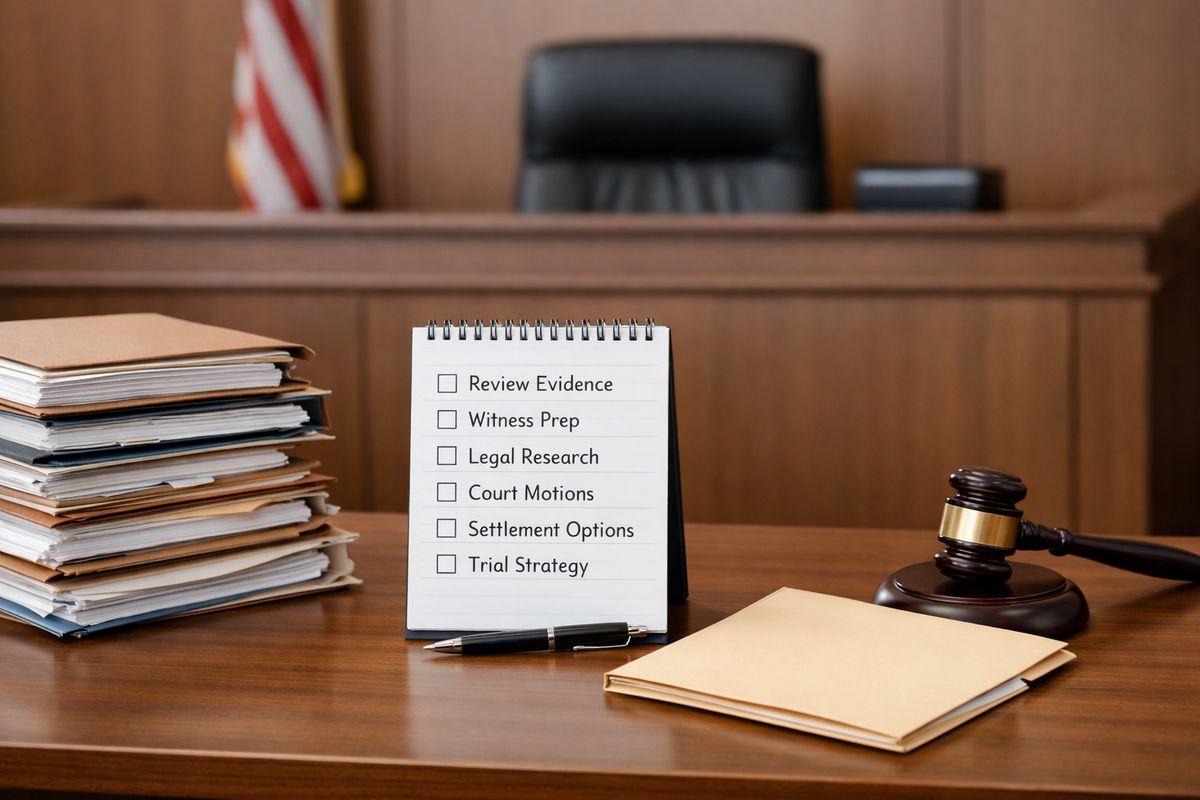
A plea deal rarely appears out of nowhere. It usually builds through a sequence of court dates, evidence review, negotiation, and formal court approval. Once you know that rhythm, you stop treating every offer like a sudden emergency and start reading the field.
Step 1: Charges, Evidence, and First Court Dates
Start at the beginning. After arrest or charging, you usually face an arraignment or another first appearance where the charges are read, rights are explained, and bail or release conditions may get addressed. If you need a quick breakdown of that stage, review what those first hearings usually look like.
This is also where leverage starts forming. Strong video, texts, admissions, or forensic results raise pressure. Weak reports, missing witnesses, bad searches, or inconsistent statements lower it. Plea talks can begin very early, sometimes before full discovery is exchanged, though that doesn’t mean early offers are automatically good ones.
Step 2: Negotiation Between the Sides
Log this clearly: negotiation is not one dramatic movie scene. It’s usually a series of offers, counteroffers, and conversations tied to evidence, mitigation, and timing.
Prosecutors may offer a lower charge if you plead early, save court resources, complete an assessment, or avoid exposing a victim or witness to trial. The defense side may push for dismissal of weak counts, reduced facts, lighter probation terms, fewer classes, lower fines, or a deferred outcome. Offers can improve after motions are filed, after damaging evidence gets excluded, or after helpful background material gets presented.
The first offer is often just the opening whistle, not the finish line.
Step 3: Reviewing the Offer Line by Line
Slow down here. This step decides whether the deal helps you or quietly creates bigger problems later.
Read every term. What exact charge goes on the record? Is the sentence guaranteed, recommended, or left to the judge? Does probation last six months or three years? Are there fines, restitution, treatment requirements, reporting rules, travel limits, no-contact orders, testing, classes, or community service? If driving is involved, separate court terms from DMV consequences, because those are not always the same.
If a lawyer is part of the picture, this is also the point to understand what defense representation usually costs and why fees vary, because strong review and negotiation work often happens here, not just in a courtroom speech.
Step 4: Entering the Plea in Court
Ship the deal to court only after you understand it. At the plea hearing, the judge asks questions to make sure the plea is knowing, voluntary, and supported by a factual basis. You may be asked whether anyone forced you, whether you understand the charge, and whether you know the rights you’re waiving.
The judge can reject a plea in some situations, especially if the terms conflict with law or court policy. But in many cases, once the judge accepts the plea, the case changes direction permanently.
Step 5: Sentencing and What Happens After
Sometimes sentencing happens the same day. Sometimes it gets set for later, especially if the court wants a presentence report, treatment evaluation, victim input, or proof of completed conditions.
Once the plea is accepted, your obligations may start immediately. Payments may come due. Probation may begin. No-contact terms may activate. Deadlines for classes or treatment may start running that day. Miss a condition, and a deal that looked manageable can turn ugly fast.
The 3 Main Types of Plea Bargains: Learn the Core Playbook
Target: identify the deal structure in 3 reps so you know what’s really being offered.
Not every plea deal changes the same thing. Some reduce the charge. Some mainly change the sentence. Some tweak the facts that shape sentencing or collateral consequences. Spotting the type helps you evaluate value.
Charge Bargaining
This is the most familiar version. You plead to a less serious charge than the one originally filed.
That can matter a lot. A felony reduced to a misdemeanor may cut jail exposure, lower fines, shrink probation, and reduce long-term damage on background checks. If you want a clearer picture of how offense levels affect the stakes, read about what separates lower-level and higher-level criminal charges.
Charge bargaining often does the heaviest lifting because the label of the offense can follow you long after the sentence ends.
Sentence Bargaining
Here, the charge may stay the same, but the focus is punishment. The prosecutor may agree to recommend probation, cap jail time, support work release, or stay silent instead of arguing for harsher sentencing.
The catch is simple: recommendation and guarantee are not the same. In some courts, the judge is free to reject the recommendation and impose something tougher within legal limits. That’s why the exact wording matters.
Fact Bargaining
This version is less talked about, but sometimes it’s a big deal. The parties agree to certain facts, or agree not to pursue certain allegations, because facts can affect sentencing ranges, enhancements, or related consequences.
A single factual detail can change a lot. A plea that avoids an admission of violence, weapon use, amount of loss, or repeat conduct may reduce fallout in ways that are not obvious on first read.
What You Give Up When You Plead: Track the Rights on the Table
Target: name the rights you waive before you sign anything.
A plea bargain is not just a paperwork shortcut. It usually ends major trial rights. That trade can be smart, but only if you know the price.
Trial Rights You Usually Waive
Once you plead guilty or no contest, you usually give up the right to a jury trial. You also give up the right to confront and cross-examine prosecution witnesses in that trial setting, the right to force the prosecution to prove guilt beyond a reasonable doubt, and the chance to stay silent while making the state do all the work.
One right deserves special attention: knowing how your silence protects you matters before any plea discussion, because admissions made early can change leverage later.
Appeal Rights and Limits After a Plea
Appeals narrow sharply after a plea. In many cases, you cannot later challenge the basic issue of guilt the same way you could after a trial conviction. Some issues may survive, such as the legality of a sentence, a narrow pretrial ruling preserved by law, or whether the plea was truly voluntary and informed.
But the lane is much tighter. Log that now. A plea often closes doors that stay open after trial.
The Upside of Saying Yes: Hit the 4 Biggest Benefits
Target: spot the 4 biggest reasons a plea can be the smart play.
Plea bargains exist for a reason. Sometimes the deal is plainly better than the risk of trial. The goal is not to romanticize a courtroom fight. The goal is to protect your future with the least damage possible.
Lower Risk Than Rolling the Dice at Trial
A plea can cap your downside. If the trial risk includes a felony conviction, mandatory minimum, sentencing enhancement, or stacked counts, a negotiated result may prevent a blowout. That matters even more when the prosecution’s case looks strong and the trial penalty could be steep.
Put it like a scorecard. If the offer turns a possible three-year sentence into probation, that is not a small edge. That is a field-position swing.
Faster Resolution and Less Stress
Criminal cases drag. Court dates get moved. Work gets interrupted. Money leaks out. Sleep gets worse. Family pressure builds. Witnesses and conditions hang over everything.
A plea can end that uncertainty. You know the rulebook, the dates, and the finish line. Honestly, that kind of certainty has real value when a case has already taken over your life.
Better Control Over the Outcome
Trials are messy. Even strong defenses can run into a bad witness moment, a tough judge, or a jury reaction that makes no sense from the outside.
Negotiated terms give you more control. You can lock in details, argue over language, push for treatment instead of jail, and shape the final package more directly than you can after a conviction and open-ended sentencing. If the case involves severe exposure, understanding how judges typically weigh punishment factors helps put that control into perspective.
Possible Access to Alternatives
Some of the best plea outcomes are not about “winning” in a dramatic sense. They’re about reaching alternatives that preserve your future: diversion, deferred adjudication, probation, treatment court, anger management, restitution plans, reduced-driving offenses, or dismissals after successful completion.
Those paths often come through negotiation. In first-time cases, especially, the deal may be less about punishment and more about structured cleanup.
The Downside of Saying Yes: Spot the 5 Biggest Risks
Target: identify 5 ways a “good deal” can still hurt you.
This is where people get burned. A plea can solve the court case while quietly creating long-term fallout that matters more than the sentence itself.
A Criminal Record That Follows You
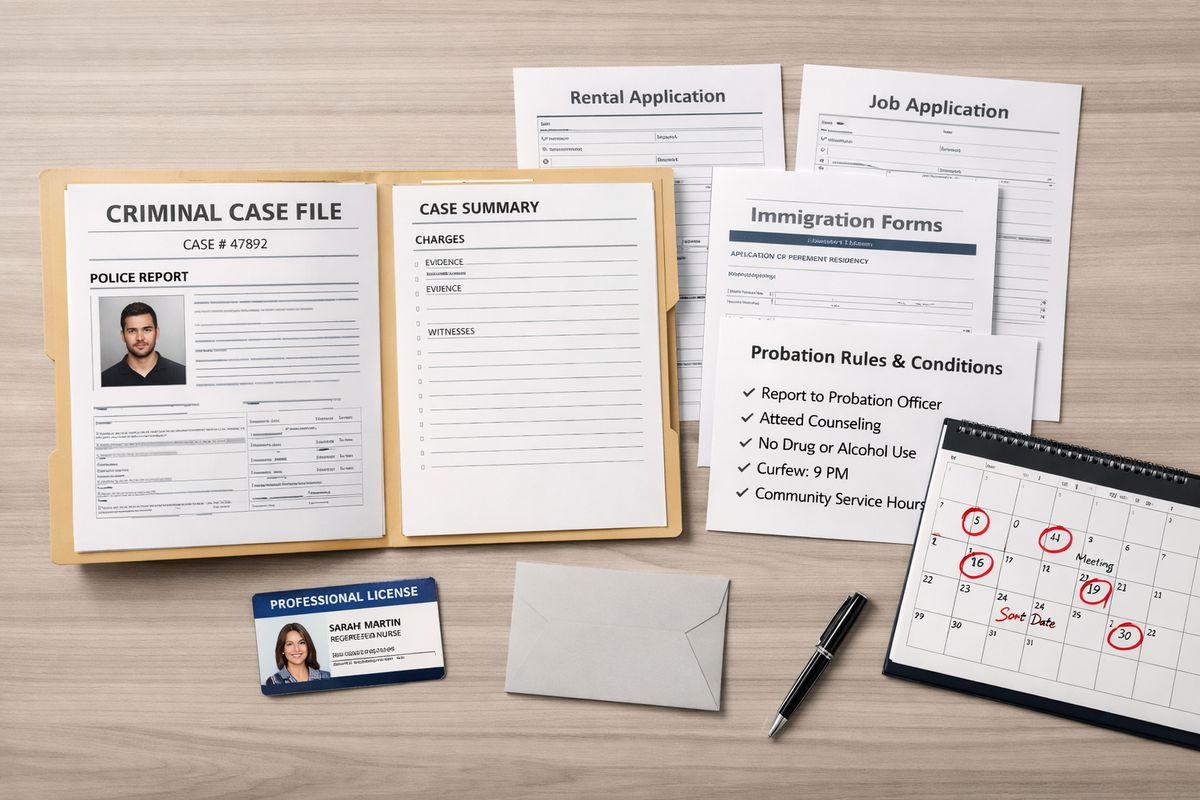
Even a reduced charge can leave a record that shows up on job applications, rental screenings, school forms, and volunteer checks. A misdemeanor may sound minor in court, but it can still stick.
For higher-level cases, the long view matters even more. A lot of people ask whether a conviction ever really drops off your history, and the answer is often more complicated than expected.
Immigration, Licensing, and Employment Problems
This is one of the biggest traps in plea decisions. A deal with no jail can still trigger immigration consequences, threaten a professional license, limit firearm rights, block security clearances, or create major employer issues.
Sometimes the wording of the plea matters as much as the sentence. A tiny factual admission can change immigration analysis. A specific offense label can trigger discipline in nursing, teaching, commercial driving, or other licensed work.
Pressure to Plead Even When the Case Is Weak
The system rewards speed. That creates pressure. If trial risk is scary enough, some people take deals even when defenses exist or the evidence has holes.
That pressure is real, but it shouldn’t trick you into treating every offer as a gift. Weak cases can improve through motions, investigation, suppression challenges, or witness impeachment. A fast deal is not always a smart deal.
Unexpected Terms Hidden in the Fine Print
Probation can look easy on paper and become exhausting in real life. Reporting rules, drug testing, counseling, ignition interlock, curfews, fees, restitution, travel restrictions, classes, and no-contact orders can pile up quickly.
And if a no-contact term is part of the deal, learn what happens when contact restrictions get violated before a casual text turns into a fresh problem.
Limited Options After the Judge Accepts the Plea
Once the judge accepts your plea, unwinding it can be hard. Courts usually do not let you take it back just because you changed your mind or later realized the deal was worse than expected.
That’s why rushed decisions are dangerous. The pressure to “just get it over with” can lock in damage that lasts years.
When Saying Yes Makes Sense: Run the 6-Point Decision Test
Target: use this section to spot when accepting a plea is probably the right call.
No single factor decides everything, but some patterns show up again and again in solid plea decisions. If several of these are true, the deal may be doing real work for you.
Strong Evidence Against You
Video, text messages, recorded calls, credible eyewitnesses, admissions, fingerprints, DNA, or solid chemical tests can make the trial picture rough. When the proof is clean and the legal defenses are thin, gambling on acquittal may be more hope than strategy.
That doesn’t mean surrender early. It means score the evidence honestly.
The Deal Dramatically Reduces the Damage
If the offer cuts a felony to a misdemeanor, drops mandatory jail, avoids a long suspension, lowers fines sharply, or removes a harsh enhancement, that’s meaningful. A deal should earn the rights you’re giving up.
If the difference between trial risk and plea outcome is huge, the math often points toward yes.
The Plea Protects You From Worse Consequences
Sometimes the biggest benefit is what the plea avoids. No felony. No deportation trigger. No sex-offender registration. No revocation of a license you need to work. No mandatory sentence that would wreck your life.
When a plea fences off catastrophic downside, it may be the coach’s call even if the result still stings.
When to Push Back or Fight: Hit the Red Flags Before You Say Yes
Target: catch the warning signs that say “not yet” or “not this deal.”
This section matters because searchers usually aren’t asking what a plea bargain is. You’re really asking whether this specific offer is worth your rights. Sometimes the answer is no.
Weak Evidence or Serious Legal Problems
Shaky witnesses, inconsistent reports, bad identifications, missing chain of custody, unlawful searches, or unreliable testing can change the game. So can legal defenses like self-defense, lack of intent, mistaken identity, or suppression issues tied to what police have to respect during an arrest and investigation.
If the prosecution’s case is unstable, that weakness is leverage. Don’t hand it away for nothing.
The Offer Barely Improves Your Position
A plea should buy you something real. If the offer leaves almost the same charge, nearly the same sentence, and the same collateral damage, why rush to waive trial rights?
This is one of the cleanest red flags. Tiny benefit, big waiver. Bad trade.
Hidden Consequences Outweigh the Short-Term Win
A deal that avoids 10 days in jail may still hurt more if it destroys immigration status, blocks a job, affects custody, triggers housing loss, or creates licensing trouble. Quick relief can be expensive relief.
Run the long game. Court is only one part of the scoreboard.
You Need More Time, Discovery, or Investigation
Rushed plea decisions are where mistakes happen. If body cam footage hasn’t been reviewed, witnesses haven’t been interviewed, records haven’t been subpoenaed, or expert analysis hasn’t happened, the file may still be incomplete.
Incomplete file, incomplete decision. Push for the missing reps before the whistle blows.
How to Judge a Plea Offer: Use the 7-Question Scorecard
Target: answer all 7 questions before any plea deadline.
This is the practical heart of the article. Save it, copy it, and use it. A plea offer becomes easier to judge once you force it through the same seven filters every time.
What Is the Best-Case Trial Outcome?
Start with the ceiling. Best case may be acquittal, dismissal, suppression of evidence, witness collapse, or a better negotiated result after motions. In some cases, the best case is not fantasy. It’s a real outcome supported by facts.
If dismissal is realistically in play, compare the offer against that possibility, not just against fear.
What Is the Worst-Case Trial Outcome?
Now hit the floor. How much jail or prison is legally possible? Are there mandatory minimums? Could counts stack? Could a misdemeanor become a felony after trial? Could sentencing enhancements apply?
This is where knowing the exposure matters. For serious cases, study the kinds of punishment and long-term fallout that come with major convictions so you can compare the offer against the real downside.
What Are the Real-World Consequences Beyond Court?
Court penalties are only part of the picture. Run the collateral list: work, school, child custody, immigration, firearm rights, housing, travel, licenses, insurance, reputation, and driving privileges.
In DUI-related cases, license issues alone can shape the whole decision because court outcomes and administrative suspensions often move on separate tracks.
What Exactly Must You Admit or Agree To?
The factual basis matters. The wording matters. The specific count matters. “Disorderly conduct” is not the same as “domestic violence,” and “reckless driving” is not the same as “operating while intoxicated.”
Small language changes can affect expungement, immigration analysis, employment screening, and future sentence enhancements.
Can Better Terms Be Negotiated?
Many terms are negotiable, even after the headline number seems fixed. Reduced charge level, amended facts, stayed jail, shorter probation, remote reporting, lower fines, fewer classes, treatment alternatives, deferred judgment, and narrowed no-contact terms can all be pressure points.
If the offer has obvious weak spots, push there first.
What Happens If You Violate the Deal Later?
Some deals look light until you fail a condition. Miss treatment, fail testing, skip reporting, or pick up a new case, and suspended jail can snap back into place. Deferred pleas can get revoked. Probation can tighten or be terminated unsuccessfully.
Log the back-end risk before you say yes, not after. For a practical view of staying compliant, read about how to avoid common supervision mistakes.
Do You Understand Every Deadline and Condition?
Every deadline matters: payments, class enrollment, evaluations, reporting dates, community service, restitution, ignition interlock setup, travel requests, and proof-of-completion deadlines.
Track this in writing. A good plea can still fail because paperwork got sloppy.
Smart Questions to Ask Before You Accept: Ship This Checklist to Your Notes Today
Target: write these answers down before the plea hearing.
Use this section like a notes app checklist. Don’t rely on memory in a stressful courthouse hallway.
Questions About the Charge and Sentence
Ask what exact charge goes on the record. Ask for the maximum possible penalty on that charge, not just the expected one. Ask whether jail is off the table or merely not being requested. Ask whether probation is guaranteed or left to the judge. Ask whether any counts get dismissed and whether dismissed counts can still be used at sentencing.
If sentencing is delayed, ask what can happen between the plea date and the sentencing date that could change the outcome.
Questions About Long-Term Fallout
Ask whether the plea creates a permanent record, whether sealing or expungement may later be available, and when. Ask about immigration effects, employment screening, firearm rights, school discipline, public benefits, housing, and licensing boards. Ask about driving consequences in any motor-vehicle case.
A short sentence is not the same as a low-impact result.
Questions About the Court Process
Ask what happens at the plea hearing, what the judge will ask, whether the judge can reject the deal, and what happens if that occurs. Ask when sentencing happens, when payment starts, when classes must begin, and what papers you’ll leave with.
Also ask what happens if you miss a deadline by one day. That answer tells you how forgiving, or unforgiving, the deal really is.
Common Myths About Plea Bargains: Clear 5 Bad Assumptions Fast
Target: drop 5 bad assumptions before they wreck your decision.
Plea deals come with a lot of street-law myth. Most of it is wrong. Clear the noise fast.
“Taking a Plea Means You’re Guilty in Every Sense”
A plea is a legal decision. Sometimes it reflects actual responsibility. Sometimes it reflects risk management. Sometimes it reflects exhaustion, money limits, witness problems, or the danger of trial exposure.
And a no contest plea, where available, can carry different strategic meaning than a straight guilty plea, even though the practical outcome may still look similar in criminal court.
“A Plea Bargain Is Always the Easy Way Out”
Not even close. Some pleas involve jail, long probation, expensive treatment, strict testing, painful fees, and lasting records. The courtroom part may end faster, but the consequences can keep running for years.
Easy is not the right word. Controlled is sometimes the right word.
“The First Offer Is the Best You’ll Get”
Sometimes the first offer is strong. A lot of times it isn’t. Deals can improve after mitigation gets presented, a victim position changes, discovery weakens the case, or a motion exposes a legal problem.
Early pressure is common. Final offer is not always the first offer.
“You Can Always Undo It Later”
No. That is one of the worst assumptions in criminal court. Once a plea is entered and accepted, taking it back can be difficult and sometimes nearly impossible absent a legal basis.
Treat the plea hearing like a real finish line, because it often is.
“Going to Trial Is Always Better If You’re Innocent”
Truth and verdict are not always twins. Trials involve proof, witnesses, rulings, credibility, timing, and risk. Strong innocent-defense cases exist, and those should be fought hard. But innocence alone does not erase trial danger.
That’s uncomfortable. It’s still true.
Special Situations That Change the Decision: Spot the Stakes Early
Target: flag the special contexts where plea choices get more complicated.
Some cases bring extra layers that can make an ordinary-looking plea much more serious.
Misdemeanor vs. Felony Plea Bargains
The charge level changes almost everything: stigma, sentence exposure, future background checks, firearm issues, housing, and licensing problems. A misdemeanor plea can still hurt, but felony pleas usually raise the stakes sharply.
Even the negotiation posture changes. Prosecutors may protect felony labels more aggressively, while defense strategy may focus heavily on avoiding that label at all costs.
First-Time Offenses
First-time cases often offer more room to work. Diversion, deferral, counseling-based outcomes, and dismissals after successful completion are more common here than in repeat-offense files.
That said, “first offense” does not automatically mean “small problem.” Some first-time pleas still create ugly long-term records.
DUI, Drug, Domestic Violence, and Theft Cases
These categories come with special conditions all the time. DUI pleas can trigger license suspensions, interlock, assessments, and treatment. If your case falls in that lane, it helps to understand what unfolds after an impaired-driving arrest. Drug cases may center on treatment, testing, and search issues. Domestic violence cases can bring no-contact orders, firearm restrictions, and counseling, which is why cases involving how violence-based allegations are charged deserve extra care. Theft cases may involve restitution, employer fallout, and enhancement risk based on value or prior history.
Offense type changes the playbook. Don’t judge every plea by the same template.
Cases Involving Non-Citizens
This is the high-alert category. For non-citizens, a plea can trigger detention, removal issues, visa trouble, inadmissibility, or blocked future status changes. Sometimes the sentence length matters. Sometimes the offense label matters more. Sometimes a fact in the record is the problem.
In these cases, the wording of the plea is not detail work. It is the case.
What Happens After You Say Yes: Finish the Next 30 Days Strong
Target: lock down compliance in the first 30 days after the plea.
The case doesn’t end when you say “guilty” or “no contest.” In a lot of ways, that’s when the work starts.
Sentencing, Paperwork, and Court Orders
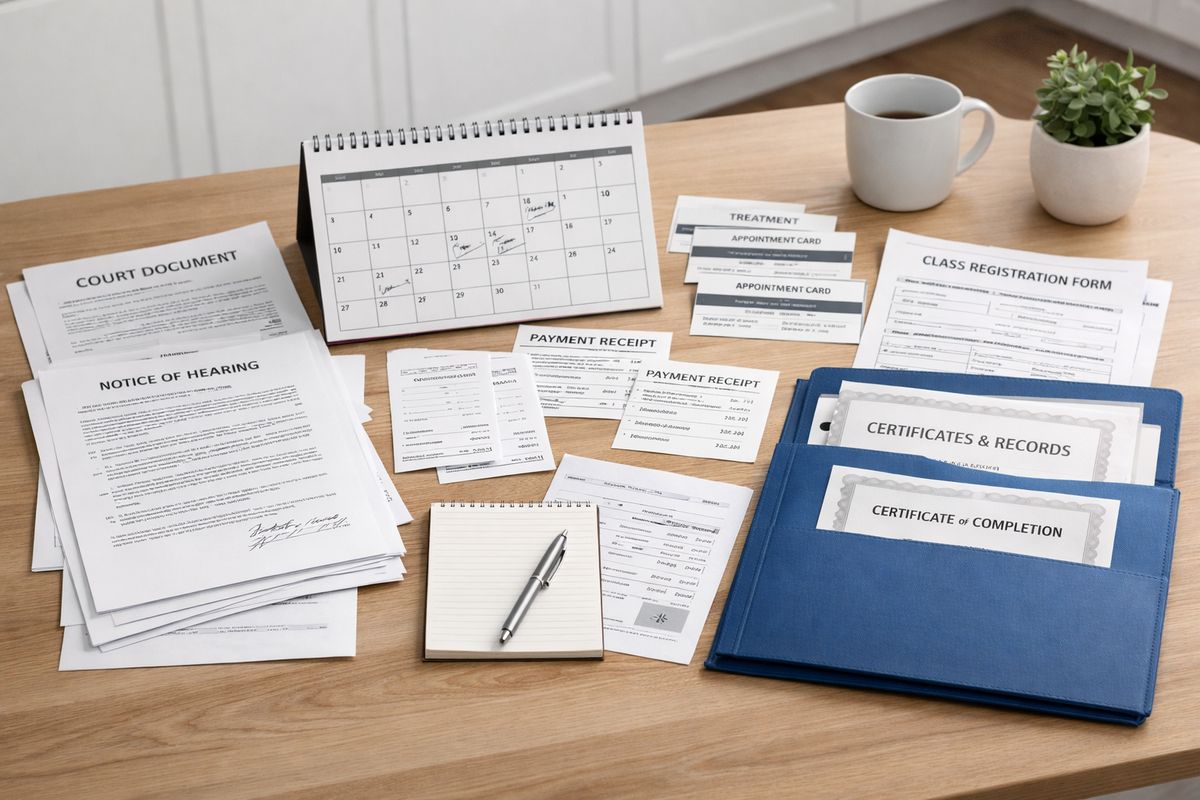
Before leaving court, get every document. Save the judgment, sentencing order, probation terms, payment schedule, receipts, and any treatment or reporting instructions. Snap photos. Store PDFs. Log dates in your phone before the day ends.
If anything in the paperwork conflicts with what you thought the deal was, fix that immediately. Oral hallway impressions do not beat written court orders.
Probation, Classes, Fees, and Compliance
Start every requirement early. Enroll in classes right away. Make the first payment before the deadline. Show up early to probation. Keep proof of every completed task. Save screenshots, certificates, money-order stubs, and emails.
This is not busywork. A lot of violations come from sloppy tracking, not new crimes. One missed check-in can turn a decent plea into a warrant.
Expungement or Record-Sealing Options Later
Some pleas leave the door open to cleanup later. Others don’t. Eligibility may depend on the charge, the sentence, the facts, whether you complete everything successfully, and how much time passes after the case ends.
That means the exact plea terms can affect future relief. A “close enough” deal today may block a better record-clearing path tomorrow.
Your Plea Bargain Action Plan: Start the 24-Hour Review Now
Target: finish a full plea review within 24 hours, or by Friday if a hearing is already set.
Gather the written offer today. Log the exact charge, the sentence terms, every fine, every probation rule, and every deadline. Compare that against your best-case and worst-case trial outcomes. Write down every collateral consequence that could hit work, immigration, housing, school, driving, firearms, licenses, or family life. Then get every unanswered point clarified in writing, or clearly stated on the record in court, before you accept anything.
Don’t grade the deal by one line, like “no jail.” Grade the whole package. A smart plea protects your future on the front end and the back end. A bad plea only sounds good for five minutes in a courthouse hallway.
Move now. Open your notes app before today ends. Build your scorecard, line by line, and don’t say yes until the numbers actually make sense.
Frequently Asked Questions
Is a plea bargain the same as admitting guilt?
Not always in the personal sense, but usually yes in the legal sense if you plead guilty. In some places, a no contest plea may avoid a direct admission while still ending the criminal case with a conviction or similar result. The practical consequences can still be serious.
Can a judge reject a plea bargain?
Yes. A judge can reject a plea in some situations, especially if the agreement conflicts with the law, the sentence is not allowed, or the court believes the plea is not knowing and voluntary. In many cases, though, judges accept negotiated pleas once the proper questions are answered.
Can you negotiate a better plea bargain after the first offer?
Yes, sometimes. Offers can improve after evidence is reviewed, motions are filed, treatment starts, restitution gets paid, or weaknesses in the case become clearer. The first offer is not always the best one.
Can you appeal after taking a plea bargain?
Appeal rights usually become much narrower after a plea. You may still challenge limited issues, such as whether the plea was voluntary or whether the sentence was legal, but you usually give up broad rights to contest guilt the way you could after a trial.
What happens if you break the terms of a plea deal later?
You can face probation violations, revocation of a deferred outcome, activation of suspended jail time, new sanctions, or a warrant. The exact consequences depend on the terms of the deal and local law, but violations can hit hard and fast.
Is taking a plea bargain worth it for a misdemeanor?
Sometimes yes, sometimes no. A misdemeanor plea can still create a record, employment problems, licensing trouble, or immigration issues. The right move depends on how strong the case is, what the plea actually changes, and what long-term fallout comes with it.
Speak With Attorney Nathan J. Dineen
Attorney Nathan J. Dineen represents clients facing DUI, OWI, and related criminal charges throughout Wisconsin. His approach combines strategic courtroom advocacy with advanced training in standardized field sobriety testing, drug-recognition evaluation, and the science behind breath, blood, and chemical testing.
Nathan has also presented DUI defense topics to other attorneys and has been recognized by legal organizations for his trial advocacy, professional achievement, and work in impaired-driving defense.
A DUI or OWI charge can affect your license, career, reputation, and future. Get experienced legal guidance before making your next decision.
Schedule your confidential consultation with Attorney Nathan J. Dineen today.

About Nate Dineen
Wisconsin legal insights from the DUI Defense WI team.