Driver Age and Status
The record should confirm age, licensing status, restrictions, and the exact statute or ordinance alleged.

Drivers below the legal drinking age may face Wisconsin’s absolute-sobriety restrictions, testing issues, license consequences, school concerns, insurance problems, and related citations.
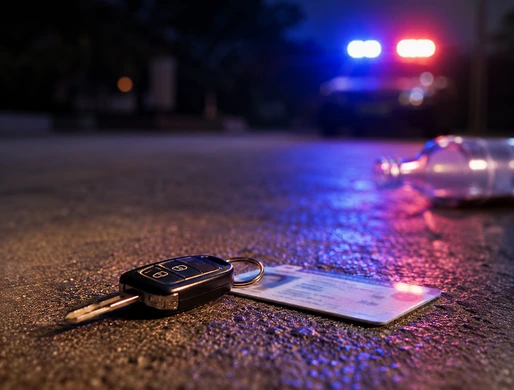
An underage alcohol-driving allegation is not analyzed exactly like a standard adult OWI case. The driver’s age, alcohol evidence, driving conduct, test procedure, and exact citations determine the issues that must be addressed.
The investigation may also include possession of alcohol, open-container allegations, passengers, false identification, curfew, probation, or other citations that need coordinated review.
The practical consequences can extend beyond court. Transportation, school attendance, athletics, employment, internships, insurance, and family obligations may depend on preserving driving privileges.
The actual analysis depends on the evidence, the statutory subsection, the county, the procedural history, prior matters, and current Wisconsin law.
Each part of the allegation should be matched against reliable, admissible evidence rather than assumed from the police report.
The record should confirm age, licensing status, restrictions, and the exact statute or ordinance alleged.
Driving observations, equipment issues, reports, squad video, and body-camera footage should support the traffic stop.
Breath, blood, preliminary testing, admissions, odor, containers, and witness observations must be connected to the driver.
Device records, operator training, observation periods, sample collection, timing, and documentation may affect reliability.
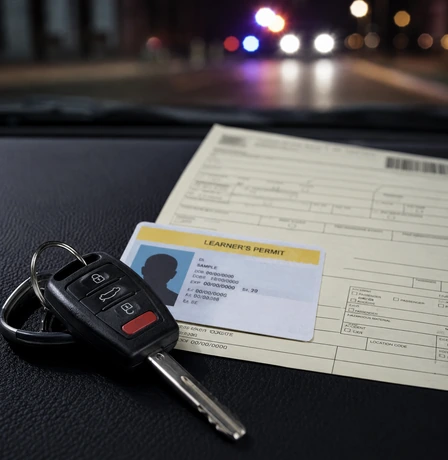
For a young driver, even a short license interruption can disrupt school, work, medical appointments, family responsibilities, and future applications. Deadlines should be identified immediately.
The defense should review every citation together, because resolving one allegation without considering the others may create avoidable consequences.
The defense strategy should address both the legal allegation and the practical effects on work, driving, licensing, family, insurance, and future opportunities.
Suspension, restrictions, administrative issues, and transportation needs can become the most immediate concern.
School discipline, athletics, internships, campus rules, employment, and professional programs may be affected.
Premiums, family vehicles, household rules, and transportation responsibilities may create additional pressure.
The handling of the case may matter for later background checks, licensing, applications, and any subsequent allegations.
A structured process helps preserve evidence, identify legal issues, and keep negotiation and trial options available.
Confirm court dates, administrative rights, license consequences, and evidence-preservation needs.
Compare video, reports, observations, device records, collection procedure, and timing.
Address alcohol possession, open container, passengers, identification, and other allegations together.
Build a strategy that considers driving, school, employment, treatment, insurance, and record consequences.
These pages address related charges, testing issues, license concerns, or defense topics that may overlap with this case.
These answers provide general information. Individual facts and current law control the analysis.
Wisconsin applies a separate alcohol-driving restriction to drivers who have not reached the legal drinking age.
Not necessarily. The legal theory, alcohol threshold, consequences, and related citations may differ.
Yes. The device, operator, timing, observation period, sample collection, and records may be relevant.
Court, administrative, and license deadlines may apply, and video or other evidence should be preserved promptly.
Related citations should be reviewed together because the facts, evidence, and resolution of one allegation may affect the others.
Contact the firm to confirm the best location or meeting arrangement for your case.
Share the charge, county, evidence, prior history, accident details, and any immediate court or license deadline.