A Blood Result Is Not Self-Explanatory
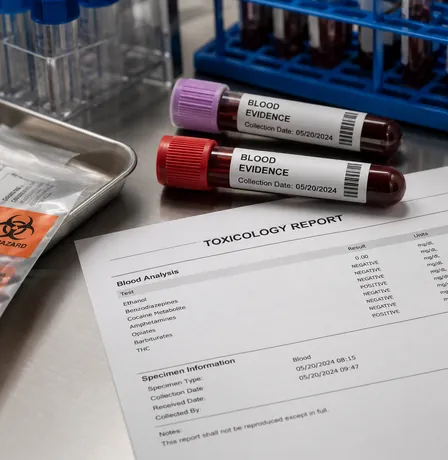
Wisconsin blood samples may be submitted for alcohol testing, drug testing, or both. The result should be evaluated together with the collection time, chain of custody, analytical method, quality-control records, and the legal issues surrounding the stop and arrest.
A reported concentration should not be interpreted in isolation. Timing, collection, storage, laboratory procedure, uncertainty, medication, and the prosecution’s theory all matter.
How the Sample Moves Through the System
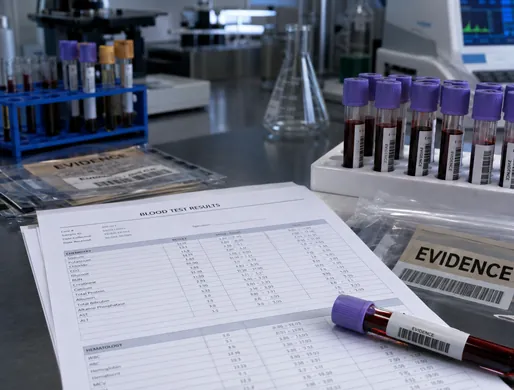
The blood draw, packaging, transport, receipt, storage, preparation, analysis, technical review, and reporting create a documented chain.
- Identify who collected and handled the sample
- Confirm seals, labels, and storage conditions
- Compare collection time with driving and arrest times
Records Commonly Requested
Technical discovery can include standard operating procedures, bench notes, chromatograms, calibration, controls, blanks, maintenance, proficiency testing, and chain-of-custody documents.
- Laboratory methods and standard operating procedures
- Chromatograms and analytical batch records
- Calibration, controls, blanks, and maintenance history
What the Result Can and Cannot Prove
The laboratory can report substances or concentrations in the sample, but conclusions about operation, impairment, timing, and legal admissibility require additional evidence.
- Separate the analytical result from the legal conclusion
- Review medication and medical information
- Evaluate assumptions about concentration at the time of driving