01
Supply Run
The client drove from the newly opened tavern to a grocery store to obtain business supplies.

A jury acquitted a local bar owner after the defense established that alcohol was consumed after driving and that the State had not proven impaired operation.
A concise overview of the allegation, court, representation, and central result. These are facts—not links or navigation cards.
The client had recently opened a tavern in Cudahy. During a demanding night, she drove to a grocery store to purchase additional supplies for the business.
After arriving, she consumed alcohol inside the parked vehicle and fell asleep from exhaustion. Police found her while she was still in the vehicle.
The defense used the receipt, the open container, the vehicle-control evidence, and the client’s circumstances to separate post-driving intoxication from impaired operation.
The prosecution needed to prove impaired operation—not merely that the client appeared intoxicated when officers arrived.
The sequence matters because each stage carries its own evidentiary and legal requirements.
The client drove from the newly opened tavern to a grocery store to obtain business supplies.
After the drive ended, she consumed alcohol in the parked vehicle.
Officers arrived after she had fallen asleep inside the vehicle.
The receipt, container, vehicle controls, and timeline were presented to the jury.
The jury acquitted the client of OWI Second and PAC Second.
The defense focused on the evidence capable of changing how the allegation was understood.
The receipt corroborated when the alcohol was obtained and supported the defense timeline.
The defense distinguished a running vehicle from legally sufficient proof of impaired operation.
The new business, long hours, and exhaustion helped explain why the client remained in the parking lot.
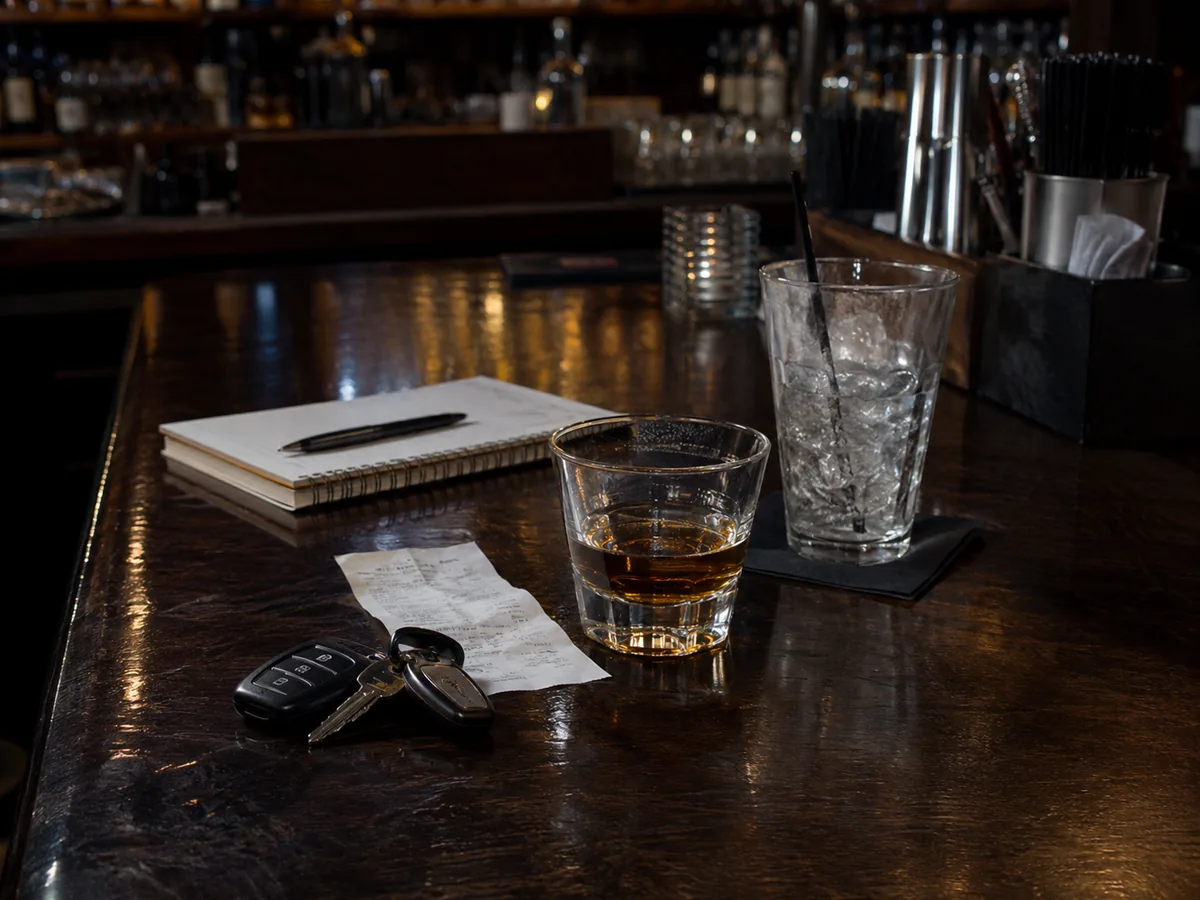
The defense did not need to deny that the client appeared impaired when police arrived. It focused on the element the State could not establish: impaired operation.
The jury concluded that the State had not proven impaired operation or that the alcohol had been consumed before the client drove.
“A chemical result may show a person’s condition later without proving when the alcohol was consumed or whether the person drove in that condition.”
Case study takeaway
These answers are general. The correct analysis depends on the facts, notices, evidence, and procedural history of the individual matter.
It may be relevant when credible evidence shows that the alcohol was consumed only after operation ended.
Operation is fact-specific. The State must prove the legally required control or manipulation of the vehicle.
It supported the timing of the purchase and corroborated the client’s account.
A criminal OWI charge can involve a jury trial, subject to the charge and court procedure.
Share the basic facts about the stop, testing, prior record, court date, and any license or refusal notices.