01
Citizen Report
A named caller identified the vehicle and reported concerning driving in the Appleton area.

A reported .17 first-offense OWI ended in dismissal after the court found that the State had not established probable cause for the arrest.
A concise overview of the allegation, court, representation, and central result. These are facts—not links or navigation cards.
The client was a woman in her late 50s with no prior legal issues. After drinking beer at a fall festival in the Appleton area, another motorist reported that her vehicle had been weaving and had nearly entered a ditch.
An officer later stopped the vehicle and reported slurred speech, bloodshot eyes, and clues on field sobriety testing. The defense compared those claims with the available video and challenged the administration and scoring of the tests.
The court found enough reasonable suspicion for the initial stop, but it determined that the State had not established probable cause for the arrest.
A lawful traffic stop does not automatically make a later arrest lawful. The State must justify each stage independently.
The sequence matters because each stage carries its own evidentiary and legal requirements.
A named caller identified the vehicle and reported concerning driving in the Appleton area.
The officer observed the vehicle near the fog line and initiated the stop.
Video and cross-examination challenged the field-test scoring and the officer’s interpretation of impairment.
The stop was upheld, but the court found insufficient probable cause for arrest.
Once the .17 breath result was suppressed, the State dismissed the case.
The defense focused on the evidence capable of changing how the allegation was understood.
The footage allowed the court to compare the written report with the client’s actual behavior and test performance.
Cross-examination addressed how HGN and the divided-attention tests were administered and scored.
Age, fatigue, balance, and the circumstances of the day were relevant to interpreting roadside performance.
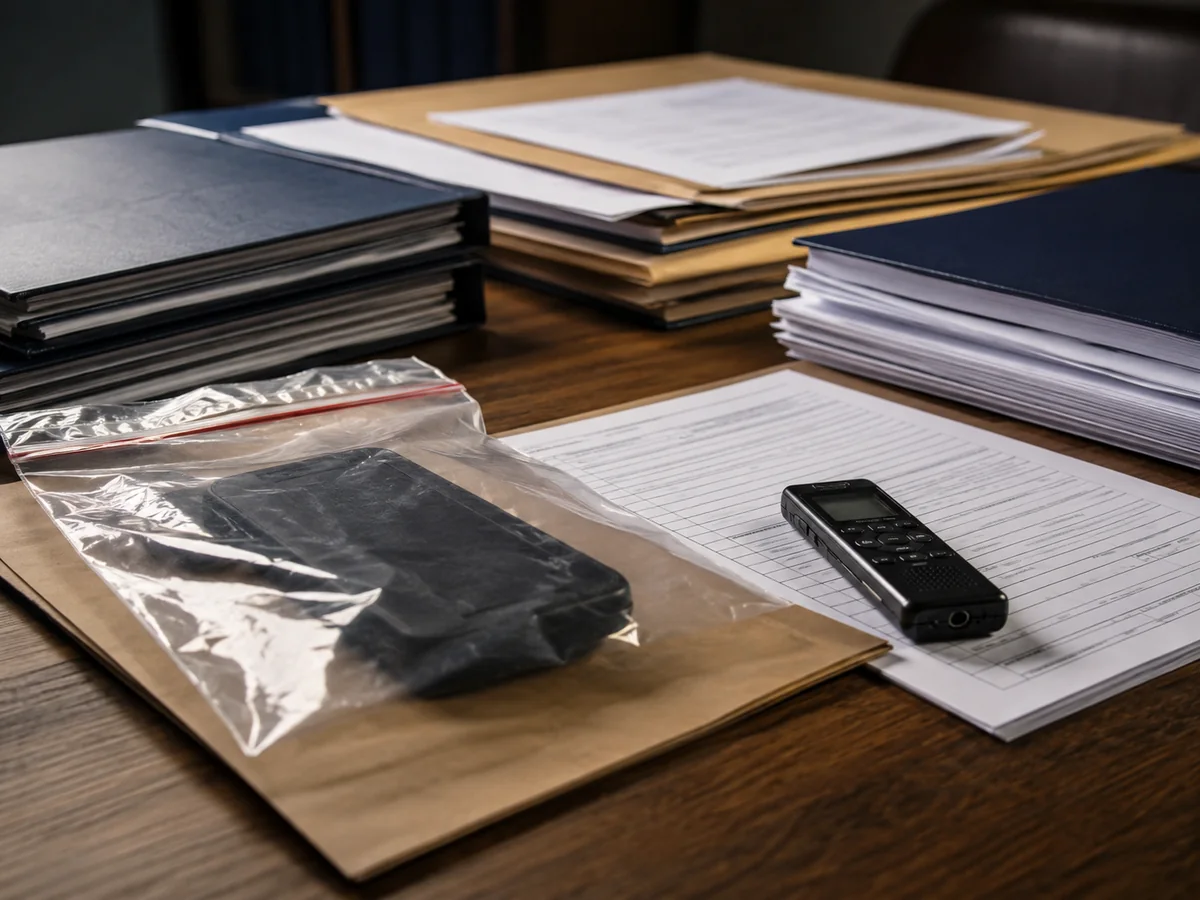
The defense did not rely on a general claim that the officer was wrong. It identified specific discrepancies between the report, the video, and the test administration.
The court suppressed the breath-test evidence after finding that the State had not established probable cause for the arrest. Without that evidence, the prosecution dismissed the case.
“The result came from isolating the exact legal point where the State’s evidence stopped being sufficient.”
Case study takeaway
These answers are general. The correct analysis depends on the facts, notices, evidence, and procedural history of the individual matter.
No. Suppression removes evidence obtained through the challenged action. The remaining evidence determines whether the State can continue.
Yes. Instructions, timing, scoring, surface conditions, footwear, medical issues, fatigue, and video can affect reliability.
It allowed the court to evaluate the client’s conduct directly instead of relying only on the written report.
No. The result must still be lawfully obtained, reliable, and admissible.
Share the basic facts about the stop, testing, prior record, court date, and any license or refusal notices.